What Is A Car Shock Absorber? How It Works & Why It Matters
Understanding what shock absorbers do can help you keep your car running smoothly. It can also help you spot problems before they get bigger. This guide will break down exactly what these parts are and why they matter so much.
You’ll learn how they keep your drive safe and comfy.
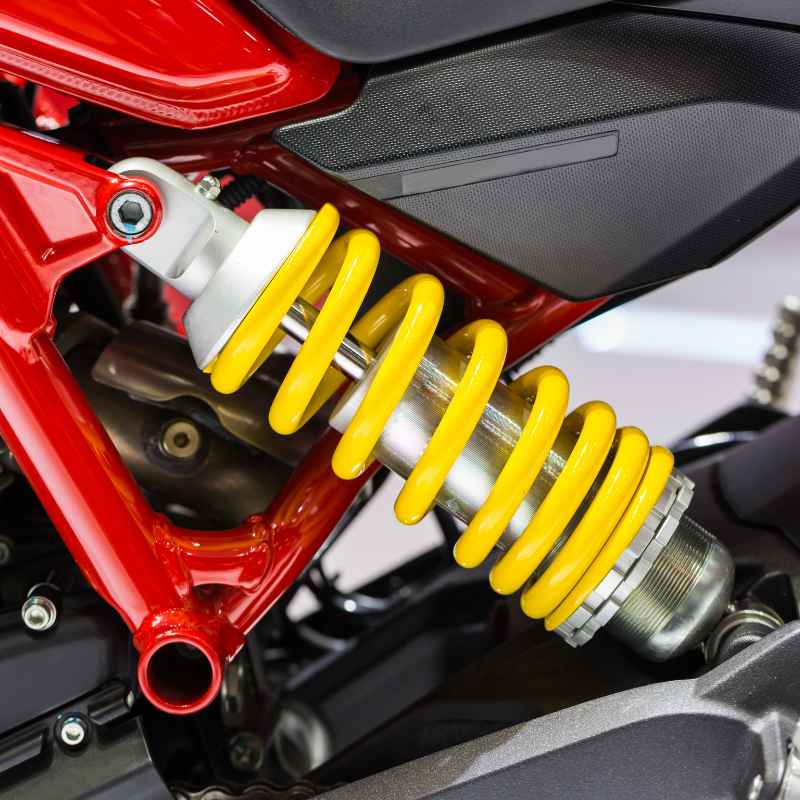
A car shock absorber is a mechanical or hydraulic device designed to absorb and damp shock impulses. Its main job is to control unwanted spring motion. It converts kinetic energy into heat energy, which is then dissipated. This keeps your car’s ride stable and your tires on the road.
What Are Car Shock Absorbers?
So, what exactly is a car shock absorber? Think of them as the unsung heroes of your car’s suspension. They’re like the calm hand that stops things from getting too wild.
In simple terms, a shock absorber is a small cylinder filled with oil. It has a rod that moves in and out of it.
When your car hits a bump, the springs in the suspension compress and then expand. Without shocks, this bouncing would keep going and going. That would make your car feel like a boat on a wavy sea.
Shocks slow down this bouncing. They make the ride smooth and controlled.
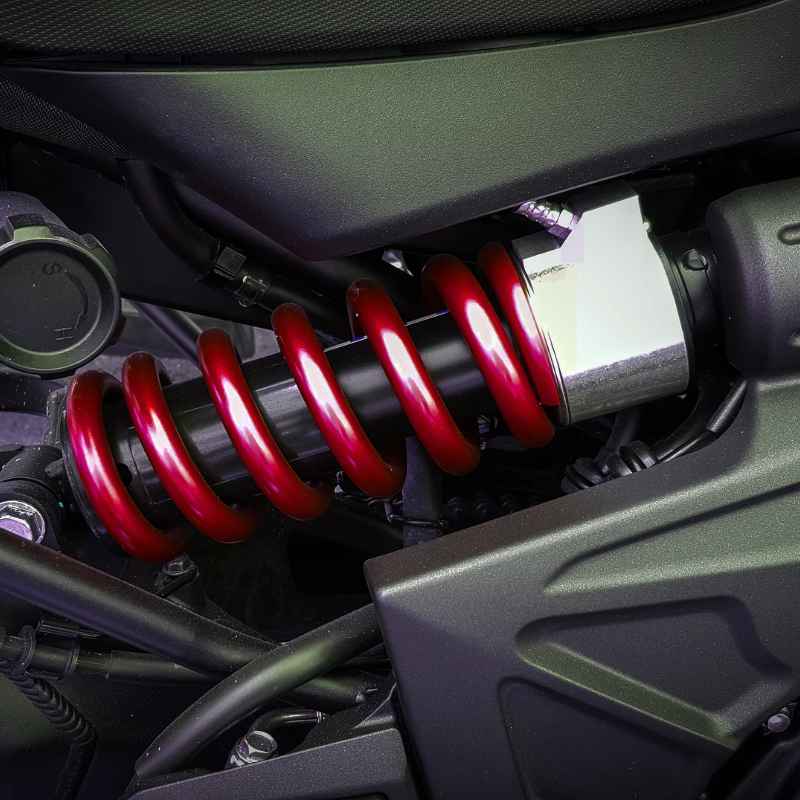
How Do Shock Absorbers Work?
The way a shock absorber works is pretty neat. It uses the resistance of oil to control movement. Inside the shock absorber tube, there’s a piston.
This piston is attached to a rod. The piston has small holes or valves in it. The shock absorber tube is filled with hydraulic fluid, usually oil.
When the wheel hits a bump, the suspension spring compresses. This pushes the shock absorber rod into the tube. As the piston moves through the oil, the oil is forced through the small holes in the piston.
This resistance slows down the piston’s movement. It also slows down the spring’s bouncing.
The same thing happens when the spring expands. The rod pulls out. The oil is again forced through the valves.
This controlled resistance stops the bouncing. It makes the car settle down quickly. This whole process converts the energy from the bump into heat, which the shock absorber then releases.
The Role of Hydraulic Fluid
The oil inside the shock absorber is really important. It’s not just any oil. It’s a special hydraulic fluid.
This fluid needs to be able to flow easily but also provide enough resistance. It also needs to handle the heat that’s created when the shock works.
When the piston moves, the oil is pushed through tiny passages. This is what creates the damping effect. If the oil gets too hot, it can thin out.
This makes the shock absorber less effective. That’s why good quality shocks are built to manage heat well.
The Piston and Rod
The piston and rod are the main moving parts. The rod connects to the car’s body or frame. The piston is inside the shock absorber cylinder.
The piston’s job is to push the oil. The valves on the piston control how much oil flows. They adjust the damping force.
The speed at which the rod moves affects how much resistance there is. Faster movement means more resistance. This is important because it helps the shock absorb big bumps quickly.
It also provides a smoother ride over small bumps.
Why Do Shock Absorbers Matter So Much?
It’s easy to think of shocks as just making your ride comfortable. But they do much more than that. They are critical for your car’s safety and how it handles.
Good shocks keep your tires firmly on the ground. This is super important for braking and steering.
Worn-out shocks can make your car feel unsafe. They can affect how well your car stops. They can also make it harder to control, especially in turns or on wet roads.
Let’s dive into why they are so vital.
Personal Experience: The Wobbly Road Trip
I remember one time, I was on a road trip with friends. It was a long drive through some winding country roads. The car was older, and I hadn’t thought much about the suspension.
About three hours in, I started to notice something was off. The car felt…lazy. When I went around a curve, it felt like it wanted to lean too much.
Then, we hit a section of road that was really bumpy. Not just potholes, but a sort of uneven, wavy surface. The car started bouncing.
It felt like a boat rocking in the water. My friends were all looking at me, a little worried. I felt a knot of panic tighten in my stomach.
I could barely keep the car steady. I knew then that something with the shocks was seriously wrong. We ended up having to drive much slower for the rest of the trip.
It was a scary reminder of how much we rely on these parts.
The Impact on Tire Performance
Shocks help your tires stay in contact with the road. This is crucial for traction. When a tire loses contact with the road, it can’t grip.
This means your brakes might not work as well. Your steering can also feel vague.
Imagine a bumpy road. If your shocks are good, they keep the tire pressed down. This lets the tire follow the road’s surface.
If your shocks are bad, the tire might bounce up and down. It loses its grip. This can be dangerous, especially when you need to stop or change direction quickly.
Tire Contact: The Foundation of Control
Myth: Tires always stay on the road.
Reality: Tires need help from shocks to stay grounded.
A tire bouncing up and down can’t steer or brake effectively. Good shocks keep the tire planted.
Safety and Braking Distance
One of the most critical functions of shock absorbers is their effect on braking. When your shocks are worn out, your car will bounce more during braking. This bouncing reduces the amount of time your tires are actually touching the road.
Less tire contact means less friction.
Less friction means your brakes can’t do their job as well. Your stopping distance will get longer. This can be a huge problem in an emergency situation.
Imagine needing to stop suddenly. If your shocks are bad, it might take you many extra feet to stop. That could mean the difference between a close call and an accident.
Handling and Stability
How does your car feel when you turn the steering wheel? Good shocks keep your car stable. They prevent excessive body roll.
Body roll is when the car leans over too much in a turn. When shocks are weak, the car feels mushy. It can feel unstable, especially at higher speeds.
This lack of stability makes driving less predictable. It can be unnerving for drivers. It also makes it harder to react to sudden changes.
For example, if you need to swerve to avoid something, a car with bad shocks will feel sluggish. It might lean too much, making the maneuver harder.
Wear and Tear on Other Parts
Shock absorbers don’t just affect how the car feels. They also protect other parts of your car. If the shocks aren’t doing their job, the springs and other suspension parts take more of a beating.
This can lead to faster wear and tear on them.
Constant bouncing and jarring can damage bushings, ball joints, and even the tires themselves. Over time, ignoring bad shocks can lead to more expensive repairs. It’s like a domino effect.
One problem leads to another.
Quick Scan: Signs of Worn Shocks
Bouncing: Car keeps bouncing after hitting a bump.
Leaning: Car leans excessively in turns.
Sinking: Rear of car sinks when you brake.
Uneven Tire Wear: Tires look worn on edges.
Fluid Leaks: Visible oil leaks on the shock body.
Types of Shock Absorbers
Not all shock absorbers are the same. Different types are designed for different needs. The most common ones are hydraulic shocks.
But there are others too. Knowing the types can help you understand what might be best for your car or what you might have.
Hydraulic Twin-Tube Shocks
These are the most common type. They are also often the most affordable. They work as described earlier, with a piston moving through oil.
They are found on many sedans and smaller SUVs. They offer a comfortable ride for everyday driving.
However, they can sometimes overheat on rough roads or during aggressive driving. This can make them less effective when you really need them. They are a good balance of cost and performance for normal use.
Gas-Charged Shocks (Monotube)
These shocks often use nitrogen gas. This gas helps to keep the oil from foaming. Foaming reduces the shock’s effectiveness.
Gas-charged shocks generally provide a firmer ride. They are often used in performance vehicles or trucks.
The gas also helps with heat dissipation. This means they can perform better under heavy use. They are often more expensive than twin-tube shocks.
But many drivers find the improved performance and durability worth the cost.
Adjustable Shocks
Some shocks allow you to adjust the damping force, and air-adjustable shocks let you fine-tune both ride height and firmness on demand. You can often change how stiff or soft the ride is. This is great for drivers who want to tune their car’s feel.
You might want a softer ride for daily driving. Then, you can make it firmer for spirited driving or track use.
These are usually found on higher-end performance cars or as aftermarket upgrades. They offer a lot of flexibility. But they can be more complex to set up correctly.
Shock Absorber Styles
Style: Twin-Tube Hydraulic
Pros: Affordable, comfortable ride, widely available.
Cons: Can overheat, less effective under stress.
Best For: Daily driving, standard vehicles.
Style: Monotube Gas-Charged
Pros: Better heat control, firmer ride, more responsive.
Cons: More expensive, can feel stiff for some.
Best For: Performance, towing, rougher roads.
Real-World Context: When Shocks Get a Workout
Think about your daily commute. You hit speed bumps. You go over manhole covers.
You might encounter rough patches of road. These are all small impacts. Your shocks handle these all day, every day.
But some situations are much harder on them.
Driving on gravel roads or unpaved surfaces puts a lot of stress on shocks. Hitting a deep pothole suddenly can be a major shock. Carrying heavy loads in your car or towing a trailer also makes shocks work harder.
They have to manage more weight and more force.
The Impact of Weather and Climate
In places with harsh winters, roads are often filled with potholes from freezing and thawing. Driving in these areas means your shocks are constantly working overtime. Salt and moisture from winter roads can also cause corrosion.
This can lead to leaks or premature wear on the shock absorber components.
Very hot climates can also be tough. High temperatures can cause the hydraulic fluid to thin. This can reduce the effectiveness of the shock absorber.
It’s why regular checks are important, no matter where you live.
What This Means for You: Recognizing Problems
So, how do you know if your car’s shocks need attention? The good news is that there are usually clear signs. You don’t need to be a mechanic to notice most of them.
Paying attention to how your car drives is the first step.
If you’re experiencing any of the symptoms we’ve discussed, it’s worth getting them checked. It’s better to catch a problem early. This can save you money and keep you safer on the road.
When is Bouncing Normal?
A little bit of gentle rocking after a big bump is normal. Your springs need to absorb the initial impact. A good shock absorber will settle the car down quickly, usually within one or two bounces.
If the bouncing stops almost instantly, your shocks are likely doing their job.
What’s not normal is continued bouncing. If your car feels like it’s still wobbling or swaying for several seconds after hitting a bump, that’s a red flag. It means the shocks aren’t controlling the spring’s energy.
When to Worry About Your Shocks
You should worry if you notice any of these:
- Excessive Bouncing: The car continues to bounce after going over bumps or dips.
- Poor Handling: The car feels unstable, especially when cornering or changing lanes.
- Leaning in Turns: The car leans heavily to one side when you turn.
- Braking Issues: The car feels “nose-divey” when you brake. Or it takes longer to stop.
- Visible Leaks: You see oil or fluid leaking down the side of the shock absorber.
- Uneven Tire Wear: Your tires wear out faster on the edges.
If you see any of these signs, it’s a good idea to have your car inspected. A mechanic can properly test your shocks.
Quick Checks You Can Do
You can do a simple test at home to check your shocks.
The Bounce Test
Step 1: Go to one corner of your car (front or rear).
Step 2: Push down hard on the fender or bumper. Use all your weight.
Step 3: Let go suddenly.
What to Look For: The suspension should bounce once upwards, then settle. If it bounces more than once or twice, the shock on that corner might be worn out. Repeat for all four corners.
This test is a good indicator, but it’s not perfect. It won’t tell you about all types of shock wear. A professional inspection is always best.
Replacing Shock Absorbers
When do you need to replace your shocks? Most manufacturers suggest replacing them every 50,000 to 100,000 miles. However, this can vary a lot.
It depends on your driving habits and the roads you drive on.
It’s generally recommended to replace shocks in pairs. This means both front shocks or both rear shocks at the same time. This ensures balanced performance.
Replacing them individually can lead to uneven handling. It can make one side of your car behave differently than the other.
The Cost of Replacement
The cost to replace shock absorbers can vary. It depends on the type of shock, the make and model of your car, and your location. Basic twin-tube shocks might cost less.
High-performance or specialized shocks can be more expensive.
Labor costs are also a factor. Replacing shocks usually takes a few hours. It’s a job that requires specific tools and knowledge.
It’s often best left to a qualified mechanic. The price can range from a few hundred dollars to over a thousand dollars for all four shocks.
Frequently Asked Questions
How long do car shock absorbers usually last?
Most shock absorbers are designed to last between 50,000 and 100,000 miles. This can change based on how you drive, the roads you use, and the quality of the shocks themselves. Regular checks can help you find problems sooner.
Can I drive with bad shock absorbers?
Yes, you can often drive with bad shock absorbers for a short time. However, it’s not recommended. Bad shocks reduce your car’s safety by affecting braking and handling.
They can also cause more damage to other parts. It’s best to get them fixed soon.
What happens if I only replace one shock absorber?
It’s generally advised to replace shock absorbers in pairs. This means both front shocks or both rear shocks together. If you only replace one, your car might handle unevenly.
One side could perform differently, which is unsafe.
Are expensive shock absorbers always better?
More expensive shocks often use better materials and designs. They might offer better performance or last longer. However, they aren’t always “better” for every driver.
The best shock absorber depends on your car and how you use it. A basic, good-quality shock can be perfect for everyday driving.
Does replacing shocks improve gas mileage?
Replacing worn-out shocks can indirectly help with gas mileage. When shocks are bad, your tires might not grip the road as well. This can cause your engine to work harder.
Properly functioning shocks help maintain good traction, allowing your engine to work more efficiently.
What is the difference between shocks and struts?
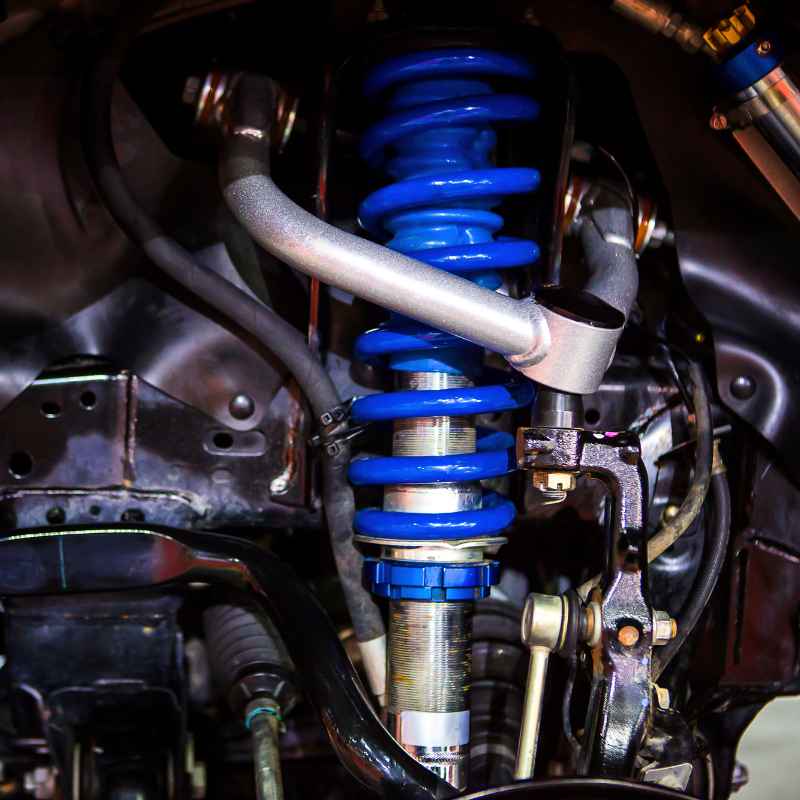
Shocks and struts are both part of the suspension system. They control bouncing. Struts are more complex.
They are a structural part of the suspension. They often hold the spring in place and work with the steering. Shocks are typically just damping devices.
Many cars use shocks, while others use struts, which combine a shock absorber and coil spring into one structural unit — learn exactly what struts do and how they support handling.
Conclusion
Car shock absorbers are essential. They keep your ride safe, smooth, and controlled. They do this by managing the bounce from your suspension springs.
Without them, your car would be hard to steer and dangerous to stop.
Knowing how they work and what signs to look for can help you keep your car in top shape. Regular checks and timely replacements are key. Your car, your passengers, and your peace of mind will thank you for it.
Products related to this article
Sponsored / affiliate links. As an Amazon Associate I earn from qualifying purchases. I may earn additional commission from eligible campaigns.