5 Best Leather Seat Cleaners (2026): Based on Specs and Reviews
For leather seats, the best car cleaning products are a pH-balanced leather cleaner, a soft-bristle leather brush, and a leather conditioner. Use sprays for light dust, foams or wipes for body oils, and stronger cleaners only on neglected seats. Harsh cleaners, heavy scrubbing, or the wrong formula can dry the leather, strip dye, and leave a glossy film. This guide ranks the safest cleaner types by mess level and leather type, so you can choose the right product for coated, aniline, or perforated seats.
Quick comparison
| Product | Badge | Best for | Price | ||
|---|---|---|---|---|---|
 |
Leather Cleaner & Conditioner Kit by Lexol for FurnitureLexol | Our pick | 16 oz each · Two-step kit | $22.97
Price as of 20 Nov 2026
|
View |
 |
Meguiar’s Gold Class Leather Cleaner and Conditioner SprayMeguiar’s | Budget pick | 15.2 oz · 6-Pack spray | $54.99
Price as of 20 Nov 2026
|
View |
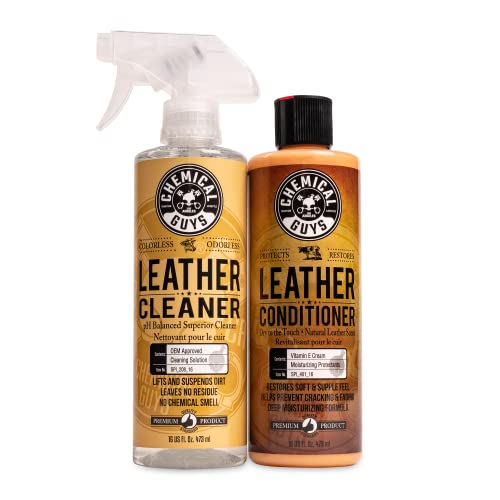 |
Chemical Guys, Leather Cleaner & Conditioner Kit for CarsChemical Guys | Also great | $29.99
Price as of 20 Nov 2026
|
View | |
 |
Griot’s Garage Odor Neutralizing Leather Cleaner for CarGriot’s Garage | Pair with it | 22 oz · Odor-neutralizing cleaner | $13.99
Price as of 20 Nov 2026
|
View |
 |
3D Leather Conditioner for Car3D | Upgrade pick | 16 oz · Hyper UV protection conditioner | $20.99
Price as of 20 Nov 2026
|
View |
Use the table below as a filter, not a beauty contest. Leather type matters as much as stain level, especially on coated factory seats, perforated panels, and older untreated leather.
How we chose
The picks below rely on manufacturer specs, listing details, and published buyer feedback. We prioritized pH-balanced formulas, clear leather-care use cases, bundled value, and options that fit routine maintenance as well as deeper cleanup.
Also check whether the listing mentions a cleaner-only, cleaner-plus-conditioner, or two-step system, since that changes how much work the product can handle and how often you may need a separate conditioner afterward.
What is the best cleaner for leather seats?
A good cleaner for leather car seats is commonly a pH-balanced leather cleaner with a non-alcohol formula. Apply it with a microfiber cloth after testing a small hidden area first. That is the safest starting point for factory-coated leather. For light soil, leather wipes can be enough; for deeper grime, a cleaner-plus-conditioner kit is often better value.
For most owners, the safest choice is a liquid cleaner labeled for automotive leather and sealed or coated leather. It should lift body oils and dirt without leaving a slippery finish. If the seat is perforated, keep the application damp, not wet, so liquid does not pool in the holes.
Leather cleaner & conditioner kit by Lexol for Furniture, car interior, shoes, handbags, Includes 2 application sponges, two-Step System, 16 oz each: best for routine care
This Lexol two-step kit suits drivers who want a cleaner and conditioner in one bundle. Based on the listing, it includes two application sponges and a two-step system, which makes it a sensible pick for regular maintenance when you want dirt removal first and moisturizing second.
The drawback is that a kit takes more time than a wipe, and you still need to clean one section before moving to the next. For very light dust, a wipe is faster; for neglected seats, you may still need a separate brush to lift grime from seams.
Chemical Guys, Leather Cleaner & Conditioner Kit for Cars & Home, 2 x 16 oz: best for sealed leather value
This Chemical Guys kit is aimed at buyers who want a two-step approach for natural and sealed leather. The listing calls out pH-balanced cleaning for leather, which fits the safest category for factory-coated seats and routine upkeep after vacuuming.
The tradeoff is that a two-bottle kit is more involved than a wipe, and the listing does not promise a quick one-pass result. If your main goal is fast maintenance between deeper cleans, wipes may be the more practical buy.
Meguiar’s Gold Class Leather cleaner and conditioner Spray, 15.2 oz, 6 pack: best for one-step maintenance
This Meguiar’s spray fits drivers who want one product that cleans, conditions, and protects in a single step. The listing says it includes aloe and UV defense, so it is aimed at everyday maintenance when you want simple application and some protection after the dirt comes off.
The drawback is that one-step products are usually less targeted than a separate cleaner and conditioner. For heavy buildup, especially on neglected seats or stitched seams, a dedicated cleaner plus brush will still do a better job.
Griot’s Garage odor neutralizing leather cleaner for Car seats, dashboard, door panels, eliminates unwanted Smells, 10971, 22oz: best for odor plus soil
This Griot’s Garage cleaner fits seats that need odor help along with soil removal. The listing says it neutralizes odors at the source and is safe for aniline and pigment leather, which makes it useful when smell and grime show up together.
The drawback is that it is still a cleaner, not a conditioner. After the dirt is removed, you may want a separate conditioning step if the leather is dry, faded, or due for maintenance.
3D leather conditioner for Car, GLW series | restore, condition, protect | UV protection | conditions leather seats, furniture, boots, apparel | DIY Car detailing | 16 oz: best for post-clean hydration
This 3D conditioner is for the step after cleaning. The listing emphasizes restore, condition, protect, and UV protection, so it fits drivers who already have a cleaner and want to help the leather stay supple after dirt is gone.
The drawback is that conditioner is not a cleaner. It will not remove heavy body oils, dye transfer, or embedded grit on its own, so it belongs after a proper cleaning step rather than before it.
What should you buy for neglected leather seats?
For neglected seats, start with a pH-balanced cleaner, then add a soft-bristled brush and microfiber cloth for seams, grain, and residue removal. Conditioner belongs after the dirt is gone. If the seats are coated factory leather, stay with leather-safe formulas and avoid aggressive household cleaners that can dull the finish.
Neglected leather usually fails in the same places: stitching, seat bolsters, perforations, and glossy high-contact spots. The right bundle makes those areas easier to handle because the cleaner loosens the film, the brush lifts it, and the cloth removes what is left without soaking the surface.
Vacuum with narrow attachment
A vacuum with a narrow attachment is the first tool to use before any liquid cleaner. It pulls crumbs and abrasive grit from seams, perforations, and crevices so you are not rubbing sand into the leather finish. Nationwide specifically recommends this kind of attachment for crumbs and debris.
The drawback is that a vacuum is a prep tool, not a cleaner. It removes loose dirt only, but that step lowers the risk of scuffs when you follow up with wiping and brushing.
Soft-bristled brush
A soft-bristled brush is best for grain, stitching, and tight crevices where dirt sits down in the surface texture. Used gently, it helps lift residue without scraping the leather coating. The leather brush listing here is described as a silk bristle cleaning brush used with leather soap or leather cream.
The drawback is simple: too much pressure can scuff. Keep the strokes light, especially on gloss-prone bolsters and perforated panels.
Microfiber cloth
A microfiber cloth belongs in every leather-cleaning routine because it wipes residue and gives the final buff. Use it damp, not soaking wet, so you avoid streaking and limit water exposure. It is the safest way to remove loosened cleaner from coated leather without flooding seams.
The drawback is that a saturated cloth can still leave water in seams or perforations. Wring it out well before wiping, then switch to a dry side for the final buff.
Leather seat decision matrix
This matrix separates coated leather, untreated leather, vinyl, and perforated panels so you do not buy the wrong product for the wrong surface. Expected cost per use is an estimate based on how much product a single cleaning usually consumes, and risk level reflects how easy it is to cause shine, residue, or over-wetting.
| Seat type | Soil level | Product format | Expected cost per use | Risk level | When to condition afterward |
|---|---|---|---|---|---|
| Coated factory leather | Light dust, body oils | Leather wipes or pH-balanced spray | Low | Low if used with a microfiber cloth | Condition only if the seat looks dry or dull after cleaning |
| Coated factory leather | Moderate grime, stitching residue | Liquid cleaner plus soft brush | Low to medium | Medium if brushed too hard | Usually after cleaning, once residue is fully removed |
| Untreated leather | Light to moderate soil | Leather cleaner and conditioner kit | Medium | Medium because absorbent leather can dry out faster | Condition after cleaning unless the listing says otherwise |
| Perforated leather | Light soil, crumbs in holes | Vacuum first, then light spray on cloth | Low | Medium if over-wet | After dirt is removed, with very light application |
| Vinyl | Surface dust and film | Wipe or gentle interior cleaner labeled safe for vinyl | Low | Low to medium depending on formula | Usually not needed unless the material feels dry |
A common first-timer mistake is to use a soaked towel on perforated seats. That can push cleaner into the holes and leave residue where it is hard to remove. A damp microfiber cloth and a dry follow-up wipe are safer.
How often should leather seats be cleaned?
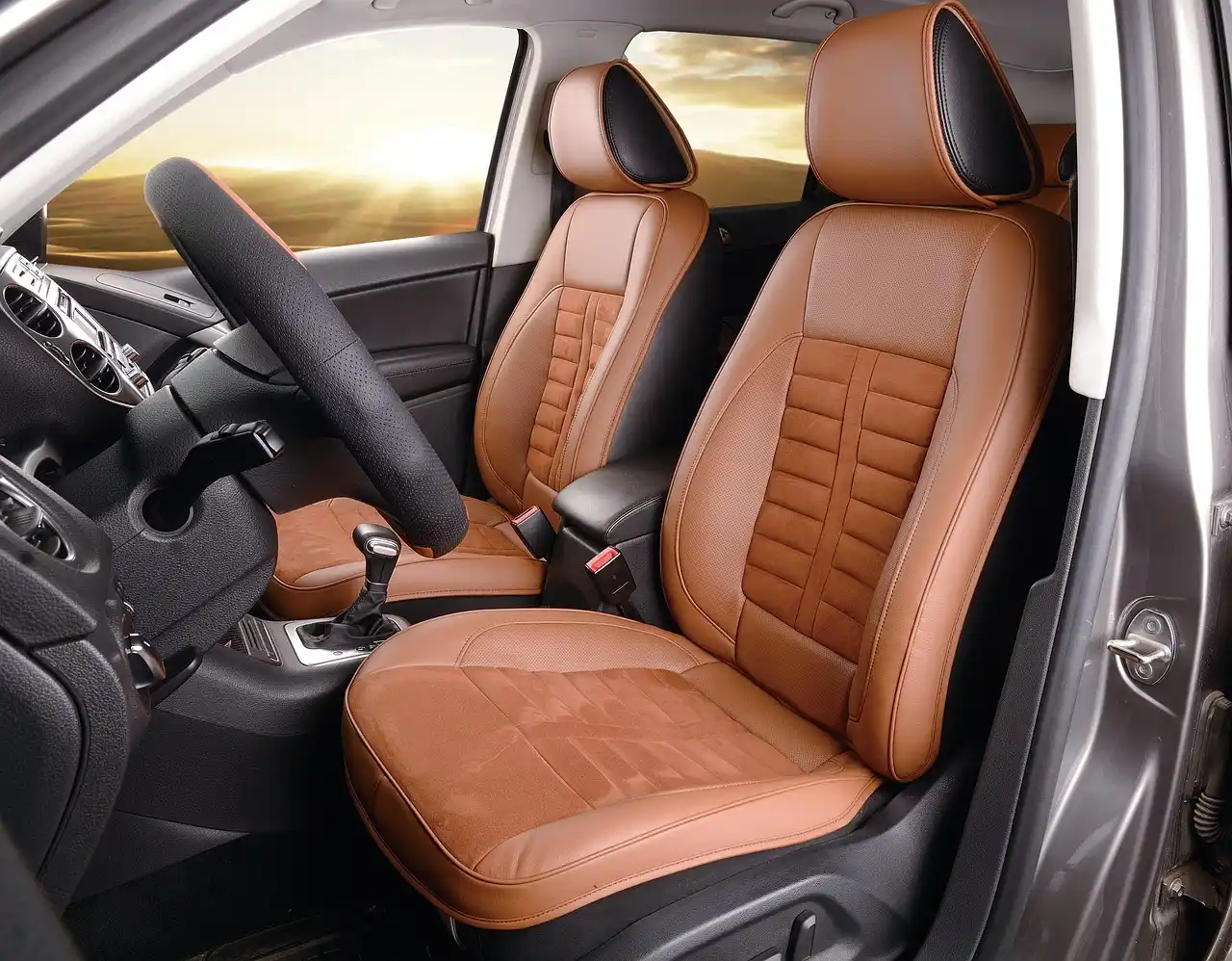
Leather seats should be cleaned regularly to preserve suppleness and beauty. A practical cadence is every 3 months, or every 3-4 months for daily-use vehicles, with more frequent attention if the car sees kids, pets, commuting, or heavy sun exposure. Regular maintenance helps prevent cracking, fading, and dirt buildup.
That cadence matters because leather does not fail all at once. Body oils, sunscreen, dye transfer from jeans, and embedded grit build gradually. If you wait too long, cleaning becomes harder and the risk of shiny buildup or seam residue goes up.
-
Vacuum first.
Use a narrow attachment on seams, crevices, and perforations. This removes grit before wiping so the leather coating is less likely to get scratched. -
Spot-test the cleaner.
Check a hidden area first, especially on older leather or unknown finishes. A pH-balanced leather cleaner with a non-alcohol formula is the safest starting point for factory coatings. -
Work one section at a time.
Apply the product to a microfiber cloth, then clean a small panel before moving on. Section-by-section cleaning keeps the product from drying unevenly and leaves less residue. -
Agitate only when needed.
Use a soft-bristled brush on seams, grain, and stubborn dirt. Keep pressure light so you do not scuff the finish or push grime deeper into stitching. -
Wipe and buff dry.
Follow with a clean microfiber cloth to remove residue and leave the surface dry to the touch. If the leather still looks dull or feels dry, condition afterward rather than over-applying cleaner.
Suppose a daily commuter’s driver seat has a dark, greasy patch on the bolster and crumbs in the seam. Vacuuming first, then a cleaner on a microfiber cloth, then a soft brush on the seam will usually do more than a single heavy spray. The goal is removal, not soaking.
Can you use household products on leather seats?
Household products are a poor choice for leather seats unless the product label specifically says it is safe for automotive leather. Dish-washing liquid, carwash soap, and multipurpose cleaners can damage leather, according to Nationwide. If you need a cleaner, use a product made for leather and follow the directions exactly.
That warning matters because household cleaners often strip the surface oils or leave a sticky film. On coated leather, that can mean shine and residue. On untreated leather, it can mean drying and faster wear. If you need a quick wipe between deep cleans, leather wipes are the safer option.
Leather wipes for quick maintenance
Leather wipes are best for light soil between deeper cleans. They are portable and convenient, and they suit owners who want a fast way to remove fingerprints, sunscreen film, or light dust after a drive. Walmart lists Armor All Leather Care Automotive Wipes at a 30-count size and $3.97, which shows why wipes can be a low-cost maintenance buy.
The drawback is that wipes are not a substitute for deep cleaning. They work well for upkeep, but they are not the right answer for neglected seats, seam buildup, or heavy dye transfer.
Which one should you buy?
If your seats are only lightly dusty, buy wipes. If the seats have body oils or visible grime, buy a pH-balanced liquid cleaner and a microfiber cloth. If you want a single bundle for regular upkeep, a cleaner-and-conditioner kit is better value. If the leather looks dry after cleaning, add conditioner after the dirt is gone.
For coated factory leather, a gentle cleaner is the safest bet. For older or untreated leather, a two-step cleaner-plus-conditioner kit is usually the smarter buy because it covers both cleaning and rehydration. For perforated seats, avoid excess liquid and use the vacuum first every time.
Here is the simplest decision rule: choose wipes for maintenance, choose a spray or liquid cleaner for dirt, choose a brush for seams, and choose conditioner only after the surface is clean and dry enough to benefit from it.
| Scenario | Best buy | Why it fits | Watch out for |
|---|---|---|---|
| Light maintenance | Leather wipes | Fast, portable, and good for light soil between deeper cleans | Not enough for grime in seams or neglected seats |
| Family-stain cleanup | pH-balanced cleaner plus microfiber cloth and soft brush | Better for spills, body oils, and residue around stitching | Needs careful use on perforations and coated finishes |
| Neglected seats | Cleaner-and-conditioner kit | Covers dirt removal and follow-up hydration in one bundle | Still may need extra brushing and a second wipe-down |
Nationwide says to clean leather seats every 3-4 months, and one product page recommends every three months for daily-use vehicles. That is the maintenance rhythm to use if you want the surface to stay cleaner longer and avoid hard-to-remove buildup.
Frequently asked questions
What is a good cleaner for leather car seats?
A good cleaner for leather car seats is a pH-balanced, non-alcohol leather cleaner made for automotive use. It should be safe for factory leather coatings and used with a microfiber cloth after a spot test on a hidden area. If the seat is very dirty, add a soft brush for seams and stitching.
What’s the best thing to clean leather car seats
The best thing to clean leather car seats with is a leather-safe cleaner, a microfiber cloth, and a vacuum with a narrow attachment before you start. For seams or stubborn dirt, a soft-bristled brush helps. That combination removes grit first, then cleans without soaking or scuffing the finish.
What household products can you use to clean leather car seats?
Very few household products are worth the risk on leather seats. Nationwide warns against dish-washing liquid, carwash soap, and multipurpose cleaners because they can damage leather. If you need a quick maintenance wipe, use a product made for leather rather than a general household cleaner.
What’s good for cleaning leather seats
What is good for cleaning leather seats depends on the mess. Wipes are fine for light soil, a pH-balanced liquid cleaner handles body oils and grime, and a cleaner-plus-conditioner kit works well for regular upkeep. For seams, a soft brush helps lift dirt without using harsh scrubbing.
How do I clean leather car seats without damaging them?
Clean leather car seats by vacuuming first, spot-testing the cleaner, and applying it section by section with a microfiber cloth. Keep the cloth damp, not soaking wet, and use a soft-bristled brush only where dirt is stuck in seams or grain. Finish by wiping away residue and conditioning only if needed.
Do I need a conditioner after cleaning leather seats?
You do not always need conditioner immediately after every cleaning. Use it after dirt removal if the leather looks dry, faded, or due for maintenance. Conditioner helps hydrate the surface and can help reduce cracking and fading risk, but over-applying it on a clean, healthy surface is unnecessary.
Can I use all-purpose cleaner on leather car seats?
All-purpose cleaner is not a safe default for leather car seats. Some formulas can strip dye, dry the surface, or leave residue. Unless the label specifically says it is safe for automotive leather, skip it and choose a leather cleaner instead. That is especially important on coated factory seats.
How often should leather car seats be cleaned?
Clean leather car seats every 3 months or every 3-4 months, with more frequent attention for daily-use vehicles. Regular cleaning helps preserve suppleness and beauty and reduces the chance of cracking, fading, and dirt buildup. If the car sees heavy use, shorten the interval rather than waiting for visible grime.
Products related to this article
Sponsored / affiliate links. As an Amazon Associate I earn from qualifying purchases. I may earn additional commission from eligible campaigns.