How To Get Scratches Out Of Car Windows (Methods That Work)
You can often remove light scratches from car windows using DIY methods like toothpaste or baking soda paste. For deeper scratches, professional repair or replacement might be necessary. Understanding scratch depth is key to choosing the right solution.
Understanding Car Window Scratches
Car windows get scratched for many reasons. Simple things like dirt on a squeegee can cause fine lines. Parking garages often have rough walls that can scrape against your windows.
Kids drawing on the glass with keys or rough handling of ice scrapers are also common culprits. Even automatic car washes with worn brushes can leave marks. These scratches are often very small, like tiny lines.
Sometimes they are so small you can barely see them. Other times, they can be deeper and more noticeable.
The material of your car window matters too. Most car windows are made of tempered glass. This type of glass is strong but can scratch.
The windshield is usually made of laminated glass. It’s tougher but can still get damaged. Knowing what kind of glass you have can help.
It also helps to know how deep the scratch is. A light scratch is usually just on the surface. A deep scratch goes further into the glass itself.
My Own Bumpy Ride with a Scratched Windshield
I remember one particularly frustrating afternoon. I was driving home from a weekend camping trip. We’d been through some rough dirt roads.
The kind where dust flies everywhere. When I got home and washed the car, I saw it. A long, thin scratch right in my line of sight on the windshield.
It wasn’t huge, but it bothered me. Every time the sun hit it, it was like a tiny laser pointer aimed right at my eyes. I felt a wave of annoyance mixed with panic.
Was I going to have to pay a lot of money to fix this? I spent the next few days stressing about it. I worried it would get worse or that it was unsafe to drive with.
I tried to ignore it, but I just couldn’t. That scratch became the focus of my attention every time I drove.
What Causes Those Annoying Window Scratches?
Dirt and Grit: Tiny particles on a cloth or squeegee act like sandpaper.
Poor Wiping: Using a dirty or worn-out cloth to clean windows.
Ice Scrapers: Metal blades can easily etch into glass.
Worn Car Wash Brushes: Rough brushes can leave fine lines.
Improper Tools: Using abrasive cleaners or tools not meant for glass.
Identifying the Type of Scratch
Before you try to fix a scratch, you need to know what you’re dealing with. Light scratches are often called “spider webs” or “surface scratches.” You can usually feel them only slightly with your fingernail. Sometimes you can’t feel them at all.
They look like thin, hazy lines. These are often caused by dust and dirt being wiped across the glass. They don’t go very deep into the glass itself.
Deeper scratches are more serious. You can clearly feel a groove with your fingernail. It might even catch your nail.
These can be caused by rougher impacts, sharp objects, or using the wrong tools to clean. Deep scratches are much harder to remove completely. Sometimes, they are impossible to buff out without distorting the glass.
Safety is also a concern. A deep scratch can weaken the glass. This makes it more likely to crack or break.
Light vs. Deep Scratch Check
Light Scratch:
- Barely visible or looks hazy.
- Cannot feel it with your fingernail.
- Caused by dust, dirt, or light rubbing.
- Often fixable with DIY methods.
Deep Scratch:
- Visible groove or line.
- Can feel a definite catch with your fingernail.
- Caused by sharp objects or forceful scraping.
- May require professional repair or replacement.
DIY Methods for Light Scratches
For those annoying light scratches, there are a few things you can try at home. These methods use common household items. They work by gently polishing the glass.
They aim to smooth out the tiny imperfections. Always remember to clean the window thoroughly first. This stops you from adding more scratches.
Work in a shaded area. Direct sun can make the glass too hot. This can cause cleaning products to dry too fast.
One popular method uses non-gel toothpaste. It needs to be a white, paste-like toothpaste. Not one with beads or gel.
The mild abrasive in toothpaste can polish glass. Put a small amount of toothpaste on a soft, clean cloth. Rub it into the scratch using small, circular motions.
Do this for a minute or two. Then, wipe it clean with a damp cloth. Finally, dry the area with another clean, dry cloth.
You might need to repeat this a few times.
Another option is a baking soda paste. Mix baking soda with a little water. You want a thick paste, like toothpaste.
Apply this paste to the scratch with a soft cloth. Rub gently in a circular motion for a couple of minutes. Wipe away the paste with a damp cloth.
Dry the window completely. This method also uses a gentle abrasive action to smooth the glass surface.
Some people have success with clear nail polish. This is more of a temporary fill than a removal. If the scratch is very fine, a thin coat of clear polish can make it less visible.
Apply a very thin layer directly into the scratch. Let it dry completely. Then, gently buff the area.
Be careful not to use too much. It can create a raised line. This is best for tiny, hairline scratches only.
Quick DIY Polish: Toothpaste Method
What You Need:
- White, non-gel toothpaste
- Soft, clean microfiber cloths (at least 2)
- Water
Steps:
- Clean the window thoroughly.
- Apply a small amount of toothpaste to a cloth.
- Rub the scratch in small circles for 1-2 minutes.
- Wipe clean with a damp cloth.
- Dry the area with a second clean cloth.
- Repeat if needed.
Using Specialized Glass Polishing Kits
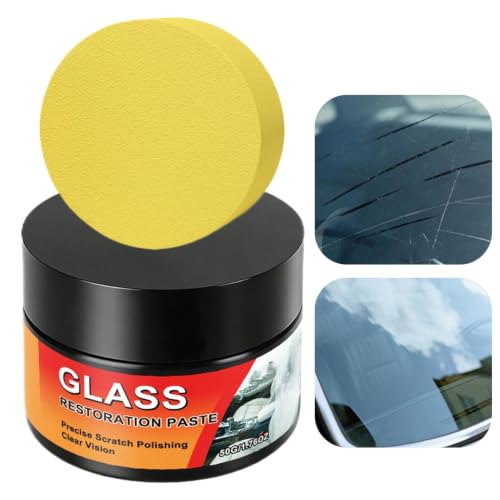
If the DIY options don’t quite cut it, or you want a more professional approach at home, there are glass polishing kits. These kits are designed specifically for automotive glass. They often contain a cerium oxide compound.
Cerium oxide is a fine powder that is a very effective polishing agent for glass. It’s the same stuff professionals use.
These kits usually come with a polishing pad. Sometimes, they are designed to be used with a power drill. This makes the polishing process faster and more even.
Always follow the kit’s instructions carefully. Over-polishing can create heat. This can distort or even crack the glass.
Start with the lowest speed setting on your drill, if using one. Apply light pressure and keep the pad moving constantly.
When using cerium oxide, you’ll typically mix the powder with water. This creates a slurry. Apply this slurry to the scratched area.
Then, use the polishing pad to work it into the glass. You’ll need to keep the area slightly damp during the process. Wipe away residue often to check your progress.
These kits can be very effective for light to moderate scratches. They require a bit more effort and care than toothpaste.
Glass Polishing Kit Essentials
Key Ingredients:
- Cerium Oxide: The primary abrasive for polishing.
- Polishing Pads: Often made of felt or foam.
- Backing Plate: For attaching pads to a drill (if applicable).
How It Works: Gentle abrasion smooths the glass surface, removing shallow imperfections.
When to Call a Professional
It’s important to know your limits. Not all scratches can be fixed at home. If a scratch is deep, meaning you can feel a significant groove or catch your fingernail easily, DIY methods likely won’t work.
Trying to buff out a deep scratch can make the glass thinner. It might also create a wavy or distorted area. This can be more dangerous and noticeable than the original scratch.
If you have multiple deep scratches, or a very large scratch, it’s usually best to seek professional help. Auto glass repair shops have specialized tools and compounds. They can often repair scratches that seem impossible.
They can also assess if replacement is the better option. For windshields, safety is paramount. A compromised windshield can affect airbag deployment and structural integrity.
A professional can also tell you if a scratch is too severe for repair. In some cases, they might recommend a full windshield replacement. This might seem more expensive at first.
But it ensures your car’s safety and maintains clear visibility. They can also usually do this work quickly. Sometimes, they can even come to your location.
Signs You Need a Pro
- Deep Grooves: You can feel a significant catch with your fingernail.
- Wide Scratches: The scratch is wider than a few millimeters.
- Multiple Deep Scratches: Several deep marks create a web pattern.
- Windshield Compromise: The scratch is in your direct line of sight and impairs vision significantly.
- Safety Concerns: You worry about the structural integrity of the glass.
Understanding Professional Repair Options
When you take your car to a professional for window scratches, they have a few options. For chips and small cracks, they often use a resin injection. This fills the damaged area.
It hardens to become nearly invisible. It also strengthens the glass. This is a very common and effective method for windshield damage.
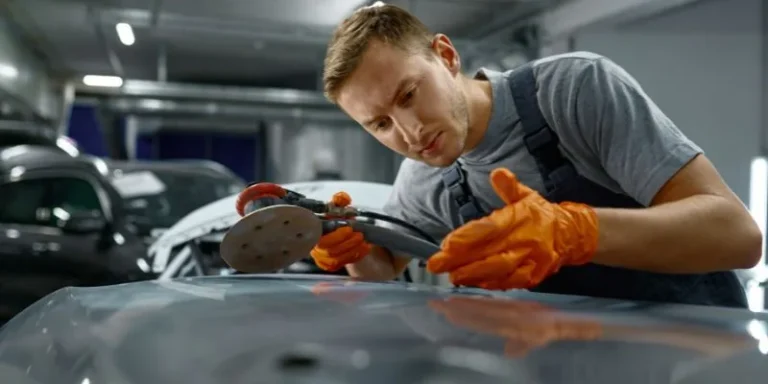
For scratches, professionals might use advanced polishing techniques. They have access to industrial-grade polishing compounds and machines. These are much more powerful than anything available for home use.
They can carefully grind down the glass around the scratch. Then they polish it to a smooth finish. This process requires a lot of skill and precision.
They can often remove scratches that would be impossible with DIY methods.
If the damage is too extensive, they will recommend replacement. Modern windshields are sophisticated. They are designed to be strong and safe.
They play a role in the car’s structure. They also help airbags deploy correctly. A professional replacement ensures you get the right type of glass.
They will install it correctly. This maintains the safety and integrity of your vehicle.
Professional Solutions
Resin Injection: Best for chips and small cracks. Fills damage and strengthens glass.
Advanced Polishing: Uses powerful compounds and machines to buff out scratches.
Glass Replacement: The solution for deep, widespread, or irreparable damage. Ensures safety and proper function.
Preventing Future Scratches
The best way to deal with scratches is to avoid them in the first place. Prevention is always easier than repair. Be mindful when cleaning your car.
Always use clean microfiber cloths. Rinse your cloths often. Never use paper towels or old rags.
These can contain abrasive particles.
When washing your car, start from the top and work your way down. This prevents dirt from falling onto already cleaned areas. For windows, use a dedicated glass cleaner.
Apply it to the cloth, not directly to the glass. This helps avoid drips and streaks. Use a separate clean, dry cloth for buffing.
Be careful with ice scrapers. Use one made for glass. Don’t use metal blades or other hard objects.
Avoid parking too close to bushes or walls. These can cause accidental scrapes. When using automatic car washes, opt for touchless washes if possible.
Or, ensure the brushes are well-maintained and soft.
Your Window Scratch Prevention Checklist
- Use Clean Microfiber Cloths: Always. Rinse often.
- Dedicated Glass Cleaner: Apply to cloth, not glass.
- Gentle Wiping: Avoid excessive pressure.
- Careful Ice Scraping: Use a soft plastic scraper.
- Mindful Parking: Avoid close contact with obstacles.
- Touchless Car Washes: Prefer these when possible.
What This Means for Your Car and Driving
Scratches on your car windows aren’t just cosmetic. They can affect your driving safety. Even small scratches can create glare.
This glare can be distracting, especially at night or when the sun is low. It can make it harder to see pedestrians or other vehicles.
For your windshield, scratches can weaken the glass. This makes it more prone to cracking from small impacts, like pebbles from the road. A cracked windshield can also affect the structural integrity of your car.
This is important for crash protection. The frame of the car relies on the windshield to stay strong.
Regularly inspecting your windows is a good habit. Before long drives, take a moment to check for new marks. If you notice a scratch, assess its depth.
For light scratches, try a gentle cleaning or a DIY polish. For deeper ones, consult a professional. Taking care of window damage promptly ensures better visibility and safety.
Can I Use a Scratch Remover Kit on Side Windows?
Yes, you can often use automotive scratch remover kits on side windows. Many of the same principles apply as for the windshield. These kits typically use mild abrasives like cerium oxide.
They are designed to polish glass surfaces. Always start by thoroughly cleaning the window. Then, follow the specific instructions for the kit you are using.
For light to moderate scratches, these kits can be quite effective. However, just like with windshields, if the scratch is very deep, you might not be able to remove it completely without professional help.
How to Tell if a Scratch is Too Deep for DIY Repair
The best way to tell if a scratch is too deep for DIY repair is by touch. After cleaning the window, run your fingernail across the scratch. If your fingernail catches or gets stuck in the scratch, it’s likely too deep for most DIY methods.
DIY solutions like toothpaste or baking soda are good for surface-level haze or very light scuffs. They work by gently polishing the glass. They can’t remove significant amounts of glass material.
Deep scratches require more aggressive abrasion, which can distort the glass if not done correctly. If your fingernail catches, it’s a good sign to consider professional help or accept the scratch.
Does Rain-X Help Remove Scratches?
No, Rain-X and similar water-repellent treatments do not remove scratches. Rain-X is designed to create a hydrophobic surface on your glass. This causes water to bead up and roll off easily, improving visibility in rain.
It’s a coating. It does not alter the glass itself or fill in existing scratches. While it can make minor imperfections less noticeable by filling them with the product temporarily, it is not a scratch removal solution.
It’s purely a protective and water-repelling agent. If you have scratches, you’ll need a polishing or repair method.
Can a Cracked Windshield Be Repaired?
Yes, many cracked windshields can be repaired, but it depends on the size and location of the crack. Small chips and short cracks (typically under six inches) are usually repairable. Professionals use a special clear resin.
This resin is injected into the damaged area. It then cures under UV light. This fills the crack, restores the glass’s strength, and makes the damage much less visible.
However, if a crack is very long, very wide, or located in a critical area (like the driver’s direct line of sight), replacement is often the safer and more effective option. It’s always best to have a professional inspect the damage.
How Much Does it Cost to Fix a Scratched Car Window?
The cost to fix a scratched car window varies widely. For very light scratches that can be buffed out with DIY methods, the cost is minimal, perhaps just the price of toothpaste or a cleaning kit ($10-$30). If you use a specialized glass polishing kit, it might cost $30-$70.
For professional scratch removal, prices can range from $75 to $150 or more, depending on the severity and size of the scratch, and the shop’s rates. If the damage is too severe and the window needs replacement, the cost can be significantly higher. A side window replacement might cost $200-$400, while a windshield replacement can range from $200 to $1,000 or more, depending on the vehicle make, model, and features (like heating elements or sensors).
What Can I Use to Polish Car Glass Safely?
When polishing car glass safely, always opt for products and methods designed for glass. Mild abrasives are key. Safe options include: non-gel white toothpaste, a baking soda and water paste, or specialized automotive glass polishing compounds containing cerium oxide.
Use soft, clean microfiber cloths for application and buffing. Avoid abrasive household cleaners, steel wool, or rough pads, as these can cause more damage. If using a power tool like a drill, start on the lowest speed setting and use light, consistent pressure.
Always keep the glass slightly damp during the polishing process to prevent overheating and distortion.
Conclusion
Scratches on your car windows happen to the best of us. The good news is you have options. For light marks, simple household items or specialized kits can work wonders.
They polish away the blemish. For deeper damage, don’t risk making it worse. Professional repair or
Products related to this article
Sponsored / affiliate links. As an Amazon Associate I earn from qualifying purchases. I may earn additional commission from eligible campaigns.