Best Car Drivetrain for Fuel Economy: FWD vs AWD Guide
Front-wheel drive often gives the best mpg in mainstream gas cars. Compared with FWD, AWD commonly costs a few mpg, while part-time 4WD usually costs more. Pick the wrong drivetrain and you pay for it every tank, through tire wear too, and sometimes in resale, without getting traction you can actually use. This guide ranks drivetrains by real-world efficiency and shows when AWD or 4WD is worth the penalty for snow, rain, hills, or light towing.
This guide is part of our Transmission problems and fixes series.
The short answer is simple: for fuel economy alone, FWD usually wins in normal gas vehicles. Hybrids usually beat gas-only drivetrains altogether, and AWD or 4WD is a tradeoff you buy for traction, confidence, or capability.
Best car drivetrain for fuel economy: the short answer
According to Does the Start/Stop Function Really Improve Your Car’s Fuel… — Start/stop fuel savings were between 7.27 and 26.4 percent in testing. (source)
Fuel-economy ranking: FWD, AWD, RWD, and 4WD
In mainstream gas cars, the usual mpg ranking is often FWD first, AWD second, RWD third, and 4WD last. That order changes when the vehicle is a truck, a sports car, a hybrid, or an EV, but for identical or near-identical trims, more mechanical complexity usually lowers mpg.
| Drivetrain | Typical mpg effect | Traction benefit | Common vehicle types | Typical buyer profile |
|---|---|---|---|---|
| FWD | Usually the best mpg of the four in mainstream gas trims | Basic all-weather grip, but not a traction system | Economy cars, compact crossovers, small sedans | Buyer who wants the lowest fuel bill and mostly clear roads |
| AWD | Usually lower mpg than FWD because of added mass and drivetrain loss | Better in rain, snow, loose surfaces, and some steep drives | Crossovers, sedans, wagons, some EVs | Buyer who faces weather or hills and will use the traction |
| RWD | Varies widely; often worse than comparable FWD in mainstream cars | Balanced feel, useful for towing and performance tuning | Trucks, performance cars, some larger sedans, some EVs | Buyer who needs the packaging or performance, not the mpg crown |
| 4WD | Usually the least mpg-friendly in normal driving | Best for off-road use and very low-traction conditions | Body-on-frame SUVs, pickups, off-road trims | Buyer who needs selectable modes, low range, or trail use |
Why FWD usually lands first for gas mileage
FWD is generally lighter than AWD and 4WD, and it uses fewer drivetrain parts to send power to the road. That matters because every added shaft, differential, clutch pack, or transfer component adds friction and weight. In a small sedan or compact crossover, the mpg edge is often easy to see on the window sticker.
Where AWD fits in the middle
AWD adds driveline pieces and usually more vehicle mass, so it often trims fuel economy versus FWD. It can still be the right choice when the driver regularly sees rain, snow, slush, gravel, or steep driveways. The point is not that AWD is bad. The point is that its extra traction has a fuel cost.
Why RWD and 4WD often trail in mainstream mpg comparisons
RWD fuel economy depends on the whole vehicle, not the axle alone. A compact performance car can beat a heavy crossover, while a truck may trail everything because of weight and gearing. 4WD usually sits at the bottom in normal driving because it brings added hardware, added mass, and more losses through the system.
What actually changes mpg when you add a drivetrain
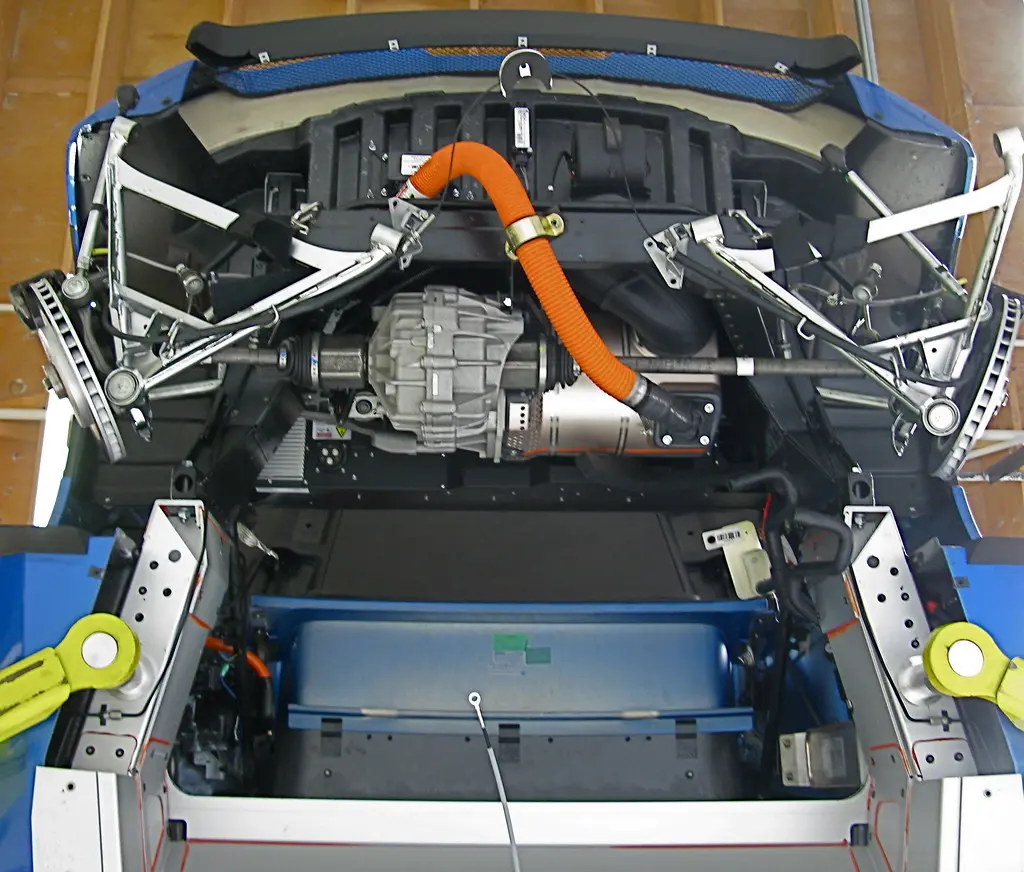
Two things drive most of the mpg penalty: vehicle mass and drivetrain loss. Add parts and weight, and the engine has more work to do. Add extra friction in the path from engine to wheels, and more energy disappears before the tires even start moving the car.
Vehicle mass: why extra hardware usually means more fuel use
AWD and 4WD systems usually add extra shafts, differentials, couplings, or a transfer case. That extra hardware raises curb weight. Heavier vehicles need more energy to accelerate, climb, and recover speed after braking, which is why lighter vehicles usually return better fuel economy even before aerodynamics or gearing enter the picture.
Drivetrain loss: friction, extra components, and power routing
Drivetrain loss is the mechanical friction between the engine and the wheels. More components mean more places for energy to disappear as heat. FWD generally keeps the path simpler. AWD and 4WD route power through more parts, and that extra plumbing usually costs mpg.
Why gearing, tires, and engine choice can narrow or widen the gap
Not every mpg gap is caused by drivetrain alone. Short gearing can help a heavy vehicle feel lively but hurt highway mpg. Aggressive tires can erase some of the advantage of FWD. Engine choice matters too; a bigger engine paired with AWD may spend far more fuel than a smaller engine paired with FWD, even on the same body style.
Is FWD better than AWD for gas mileage?
Yes, in most comparable gas-powered trims, FWD is better than AWD for gas mileage. The usual gap is enough to matter over a year of commuting, especially when the AWD version adds weight and a more complex driveline to the same basic vehicle. The exact gap depends on trim, tires, gearing, and engine.
Typical EPA gap between matched FWD and AWD trims
Look at identical or near-identical trims before drawing a conclusion. On compact cars and crossovers, the EPA numbers often show a small but real drop when AWD is added. The cleanest comparison is the same model, same engine, same transmission, and the only big difference is the driven axle count.
Why compact cars and crossovers often make the tradeoff easy to see
These vehicles are often sold in both FWD and AWD form, with the same body and powertrain. That makes the mpg difference easier to isolate. If the AWD version gives only modest traction benefits for a driver who rarely sees snow or mud, the fuel penalty can be hard to justify.
When the mpg difference is small enough to ignore
Small annual mileage, mostly mild weather, and little stop-and-go driving can make the gap feel less important. But the right way to judge it is not by guesswork. Compare the EPA city, highway, and combined figures for the exact trims you are considering, then weigh that against where the car will actually be driven.
Does AWD hurt fuel economy a lot?
AWD usually hurts fuel economy enough to matter, but not always enough to rule it out. The penalty is most noticeable in city driving, where extra mass and repeated acceleration amplify the cost of the added hardware. On some vehicles the gap is modest; on others it is large enough to change the whole ownership math.
How to read the EPA city, highway, and combined numbers on matched trims
Start with the combined figure, then check city and highway separately. If the AWD version loses more in the city than on the highway, that points to mass and stop-and-go losses. If highway mpg drops too, gearing, tire choice, or powertrain differences may be part of the story.
Where AWD costs the most in stop-and-go driving
Frequent launches, idling, and short hops expose the extra weight more than steady cruising does. City driving with frequent idling gets more benefit from start/stop technology, and Consumer Reports says highway driving reduces start/stop fuel-savings benefits. That same pattern applies to drivetrain penalty: urban use makes extra mass and friction easier to feel at the pump.
When AWD is worth the hit for snow, rain, hills, or resale
AWD is worth the mpg hit when traction is a real need, not a comfort item. Snow belts, steep driveways, wet climates, and hilly commutes are the obvious cases. It can also help resale in regions where buyers expect it, though that only matters if the local market truly rewards it.
Do hybrid drivetrains get better fuel economy than gas-only drivetrains?
Full hybrids usually beat gas-only drivetrains for fuel economy because the electric motor can help launch the vehicle, recapture energy, and reduce engine load. Start/stop can help gas cars in city traffic, but a full hybrid usually does more than idle shutoff alone. Plug-in hybrids and EVs change the comparison even more.
Full hybrids and why they usually beat non-hybrid versions
Full hybrids do not rely on a traditional start/stop system the way a standard gas car does. Full hybrids like Prius or Camry can shut the engine off, restart it, and blend electric assist in ways that a conventional drivetrain cannot. That is why they often lead the mpg chart even when they share a body with a gas-only version.
Why start/stop matters more in city use than highway cruising
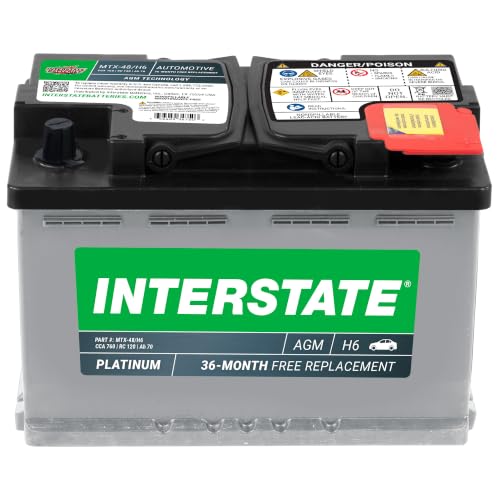
Testing has shown start/stop fuel savings between 7.27 and 26.4 percent. The benefit is strongest when the car sits in traffic or waits at lights. It is weaker on the highway, where the engine is already running steadily. Some automakers use AGM batteries for start/stop systems to handle the repeated cycling. (consumerreports.org)
How plug-in hybrids and EVs change the comparison
Plug-in hybrids can run a meaningful share of miles on electricity, so their fuel use can fall far below a conventional AWD or FWD gas car if charging is routine. EVs remove engine fuel use entirely, but range, charging access, cold-weather performance, and battery size become the real comparison points instead of mpg.
What’s the tradeoff between fuel economy and traction?
The tradeoff is simple: better traction usually means more hardware, and more hardware usually means lower mpg. If a driver never leaves dry pavement, that extra traction may go unused. If the driver faces snow, standing water, loose roads, or steep grades, the traction can be worth the fuel cost.
When traction pays for itself
AWD or 4WD pays off when it reduces the chance of getting stuck, spinning, or failing to start on a slick grade. It can also add confidence on bad-weather mornings and at rural driveways. That confidence has value, but it should be matched to real conditions, not fear of a rare storm.
When fuel economy should win
If the vehicle spends almost all of its life on dry suburban roads, FWD is usually the smarter buy. The mpg savings accumulate every tank. For commuters who drive long distances and rarely need extra traction, the fuel bill can easily outweigh the benefit of an AWD badge.
How much mpg do you lose with AWD?
AWD often costs a few mpg compared with an otherwise similar FWD version, though the gap can vary. The exact loss depends on body style, tires, gearing, engine choice, and how the system sends power to the wheels. Always compare the EPA labels on matched trims.
What makes the penalty bigger
Heavier bodies, wider tires, more aggressive gearing, and more complex AWD hardware can all widen the gap. A crossover with bulky tires and a turbo engine may lose more mpg to AWD than a light sedan with a modest engine. The drivetrain is only one piece of the total efficiency picture.
What makes the penalty smaller
Some modern AWD systems are tuned to send power rearward only when needed, which can limit the mpg hit. Better control logic, lighter components, and cleaner packaging can reduce losses. Even then, the system still adds weight and friction, so the FWD version usually keeps the efficiency edge.
Choose FWD if… / Choose AWD if… / Choose RWD or 4WD if…
Choose FWD if your top goal is mpg and your roads are mostly clear. Choose AWD if you face regular rain, snow, steep hills, or gravel and you will use the traction. Choose RWD or 4WD only when the vehicle’s job calls for it, because neither is usually the mpg leader in mainstream shopping.
Choose FWD if…
- You want the best gas mileage in a gas-only mainstream car.
- You drive mostly on dry or lightly wet roads.
- You are shopping economy cars or compact crossovers.
- You want the simplest path to lower fuel use and lower running cost.
Choose AWD if…
- You live in a snow belt or get frequent heavy rain.
- You deal with steep driveways, hilly roads, or loose surfaces.
- You can accept lower mpg for better traction and confidence.
- You think local resale buyers will value AWD in your market.
Choose RWD or 4WD if…
- Your vehicle needs demand towing, off-road use, or performance packaging.
- You want 4WD’s selectable modes or low-range capability.
- You are buying a truck, body-on-frame SUV, or sports car where RWD is standard.
- You are not expecting them to beat FWD on mpg in a mainstream family car.
Frequently asked questions
What drivetrain is best for fuel economy?
For mainstream gas vehicles, FWD usually returns the best mpg because it is lighter and simpler than AWD or 4WD. If hybrids are on the table, a full hybrid usually beats all of the gas-only drivetrains. The exact answer still depends on the specific model, gearing, tires, and engine choice.
Is RWD or AWD better for mpg?
There is no universal winner, because vehicle class matters. In mainstream cars, RWD is often less efficient than comparable FWD, while AWD usually trails FWD by a smaller or similar amount. In trucks and performance cars, the comparison shifts because weight, gearing, and purpose dominate the result.
Which drivetrain should I choose if I want the best gas mileage?
Choose FWD if you want the best gas mileage in a conventional gas vehicle and do not need extra traction. If a hybrid version exists, compare it carefully, because a full hybrid usually beats gas-only options. Then check the EPA labels for the exact trims, not just the brochure headline.
Products related to this article
Sponsored / affiliate links. As an Amazon Associate I earn from qualifying purchases. I may earn additional commission from eligible campaigns.