Best Car Drivetrain for Snow and Ice: AWD, FWD, 4WD
For most snowy drivers, AWD is the best all-around drivetrain, FWD with winter tires is the cheapest smart choice, and 4WD is worth it only for deep snow, steep driveways, or rough unplowed roads. Pick wrong and you buy wheelspin, stuck cars, longer stopping distances, and repair bills you did not plan for. This guide ranks FWD, AWD, and 4WD by winter reality, and shows when winter tires or ground clearance matter more than extra driven wheels.
This guide is part of our Transmission problems and fixes series.
Which drivetrain is best for snow and ice?



There is no single winner for every winter road. AWD is often a strong all-around choice for mixed snow and ice because it can help the car pull away and stay more settled, FWD with winter tires is often a practical value choice for plowed city and suburban roads, and 4WD is often the better fit when snow is deep, roads are rough, or access is unplowed.
Why winter tires change the result
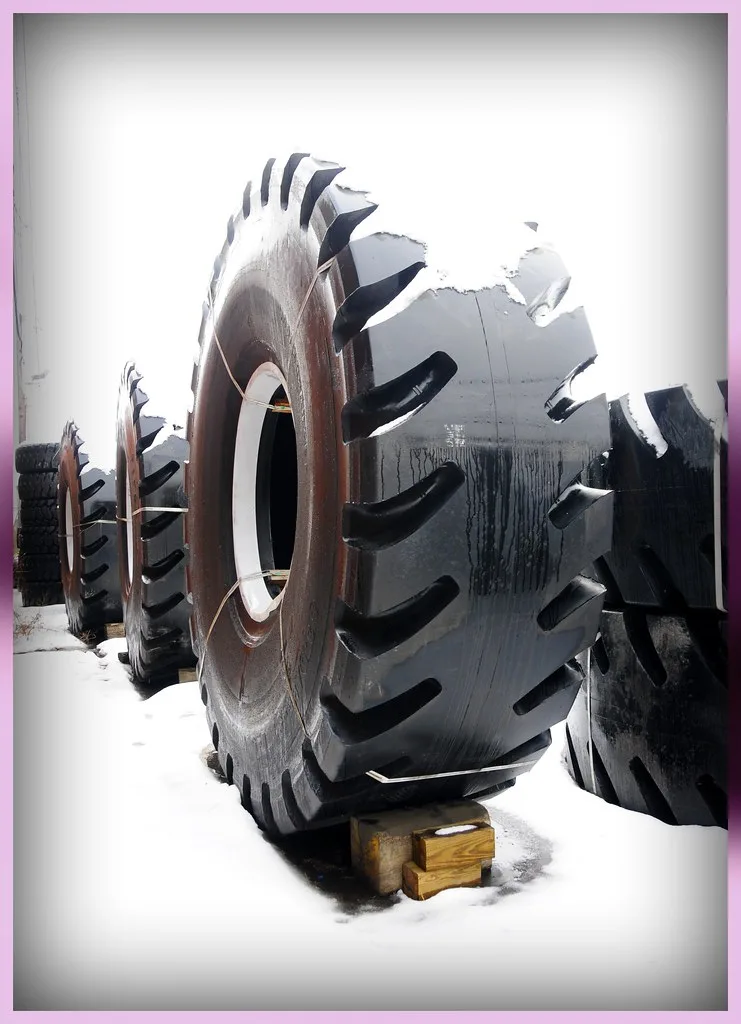
On packed snow and especially glare ice, winter tires often matter more than drivetrain for stopping and turning. Extra driven wheels can help the car start moving, but they do not add much grip for braking. That is why, from seat time and winter testing, I would trust a FWD car on proper winter tires before an AWD car on all-season tires.
According to cbac.com — 4WD is ideal for driving through snow and mud.
What a drivetrain does in winter
A drivetrain is the system that sends engine power to the wheels. In winter, that matters because the tires have to turn that power into motion on a surface that may already be slick. FWD sends engine power to the front wheels, RWD sends engine power to the rear wheels, AWD sends power to both the front and rear wheels, and 4WD sends power to all four wheels.
Why traction is not the same as braking
Traction at takeoff and traction at stoplight speed are not the same thing as braking grip. A car can pull away cleanly and still stop poorly on ice. That is why drivetrain choice helps most when you are starting from a stop, climbing, or keeping the car pointed straight. It does far less once the brakes are on.
Where traction control fits in
Traction control is a winter aid, not a winter cure. It can cut wheel spin by trimming power or braking a spinning wheel, which helps on slippery surfaces. It works with the drivetrain you already have, but it does not replace winter tires, and it does not turn a low-clearance car into a snow vehicle.
How FWD, RWD, AWD, and 4WD compare on snowy roads
The short version is that the best setup depends on how deep the snow is and how rough the roads are. FWD is the efficient, space-saving choice that can work well in winter with the right tires. RWD is the hardest sell for everyday snow commuters. AWD gives better launch traction and steadier handling in mixed weather. 4WD is strongest when the snow gets deeper and the route gets rough.
Front-wheel drive: efficient and workable with winter tires
FWD sends engine power to the front wheels. It is common in compact and midsize cars, can improve fuel economy, and is lighter and more space-efficient. In winter, the engine sitting over the driven wheels helps front-end grip. Still, FWD may struggle in slippery conditions, especially on all-season tires or steep untreated hills.
Rear-wheel drive: usable, but the hardest sell for winter commuters
RWD sends engine power to the rear wheels. It is common in sports cars, luxury vehicles, and trucks, and it can offer good weight distribution in dry driving. In winter, though, RWD is less effective in snowy or icy conditions and can oversteer when grip breaks. Ballast helps some trucks, but it is not a substitute for tires.
All-wheel drive: better launch traction and stability in mixed weather
AWD sends power to both front and rear wheels and uses sensors and computers to distribute power. It performs well in rain, snow, and ice, which is why it is popular in variable climates. It is better than FWD or RWD for getting moving, but it does not fix braking on ice or remove the need for winter tires.
Four-wheel drive: strongest when snow is deeper and roads are rough
4WD can include low-range gearing and is ideal for driving through snow and mud. It is usually more manual to engage than AWD and is built for off-road and rugged terrain. On a snow-covered highway, that extra hardware is often more than needed. On an unplowed lane or a drifting driveway, it earns its keep.
What matters more than drivetrain in winter?
Winter tires and ground clearance often matter more than drivetrain alone. On packed snow and ice, tire compound and tread pattern do the heavy lifting. In deeper snow, clearance decides whether the car keeps moving or starts dragging its belly. Driver inputs matter too, because speed and steering angle can erase good hardware fast.
Winter tires on ice and packed snow
Winter tires can be very important for snow and ice performance. They are built for cold-weather grip, and they should be paired with the right drivetrain. A smart tire on FWD will usually outbrake an all-season tire on AWD. That is the part many shoppers miss when they rank the driveline first.
Ground clearance in deeper snow
Ground clearance affects the ability to drive through deeper snow. Higher ride height helps because the underbody, exhaust, and wheel wells are less likely to plow into ruts or packed slush. A low sedan with AWD can still hang up if the snow is tall enough, while a modest crossover with winter tires may keep going.
Driver skill and speed choice
Slow inputs matter more than aggressive hardware in winter. Smooth throttle, early braking, and gentle steering preserve whatever grip the tires have left. The fastest way to lose winter traction is to assume the drivetrain will save a bad line, a late stop, or a too-fast entrance to an icy corner.
When AWD helps, and when it does not
AWD helps most when roads change from dry to slushy to snowy within one drive. It is useful on plowed roads with lingering slick patches, on hills, and in mixed storms where one wheel may lose grip before the others. On bare ice, though, AWD cannot change the physics of braking and cornering.
AWD on plowed roads
On plowed roads, AWD mostly buys easier launches and fewer wheelspin events at stoplights. That matters in towns that salt late or where side streets stay messy after the main roads are cleared. If the route is mostly plowed and flat, FWD with winter tires can still be the smarter buy.
AWD on hills and in mixed storms
AWD shows its value on hills because it can spread engine power across more contact patches when one axle starts to slip. It also helps when a commute alternates between cleared pavement, packed snow, and slush. That said, if the hill is icy, tire choice still decides whether the car climbs or slides.
AWD on ice versus snow
AWD may help more in snow than on ice. In snow, it can reduce wheelspin and keep momentum alive. On glare ice, the limit is usually the tire’s grip, not the number of wheels being driven. That is why AWD can feel reassuring without actually shortening a slide or stopping distance very much.
When 4WD is worth it over AWD
4WD is worth paying for when winter driving is slow, deep, and uncertain. If the route includes unplowed roads, rough access roads, steep driveways, or regular travel after storms, 4WD’s low-range gearing and stronger low-speed control can matter more than AWD’s easier day-to-day operation. For ordinary commuting alone, it is often extra complexity.
Low-range gearing and slow-speed control
Low-range gearing lets the vehicle crawl through snow with finer throttle control. That matters when you are easing over ruts, climbing a snowy grade, or pulling away from a stop on a loose surface. It is useful in a way AWD often is not, because the goal is controlled crawl rather than quick road speed.
Rural routes, driveways, and unplowed roads
Rural unplowed roads are where 4WD starts to make sense. Deep snow piles up in the wheel tracks, and rutted surfaces can rob a lower car of clearance before the drivetrain is the limiting factor. A 4WD truck or SUV with winter tires is usually a better tool there than a lower AWD sedan.
When extra complexity is justified
Choose 4WD if you will actually use the low-speed capability and added traction in terrain that stays messy. If most of your winter miles are on cleared pavement, you are paying for hardware you may not need. More parts mean more maintenance, more fluid changes, and more things to inspect before the next storm.
Winter drivetrain decision matrix
This matrix separates driving patterns that look similar at first glance but behave very differently once snow piles up or turns to ice. The right answer depends on the road you drive, not the ZIP code alone. A city commuter and a rural resident can live in the same weather system and need different drivetrains.
| Snow profile | Best drivetrain | Tire recommendation | Clearance recommendation | One-line rationale |
|---|---|---|---|---|
| Urban plowed roads | FWD or AWD | Winter tires strongly preferred | Normal car height is fine | Plowed pavement rewards winter tires and braking grip more than extra driven wheels. |
| Mixed suburban snow | AWD, with FWD as a budget pick | Winter tires recommended | Moderate clearance helps | Shifting conditions and hilly streets favor AWD for launches, while FWD still works well on good snow tires. |
| Rural unplowed roads | 4WD, then AWD only if roads stay passable | Winter tires required | Higher clearance preferred | Deep snow, ruts, and uneven access roads need low-speed traction and extra room under the vehicle. |
Frequently asked questions
Is AWD or FWD better for snow and ice?
AWD is better for mixed winter driving because it helps the car move off the line and maintain momentum when grip changes. FWD can still be very good in snow if it has winter tires and the roads are plowed. On ice, neither system replaces tire grip, so the tire choice matters more than the badge.
Is 4WD better than AWD in winter?
4WD is better than AWD when the route is deep, rough, slow, or unplowed. AWD is usually the better everyday system for paved winter commuting because it is easier to live with and works well in rain, snow, and ice. For ordinary roads, 4WD is often more system than you need.
Does AWD help on ice or just in snow?
AWD helps on both, but it helps differently. In snow, it can reduce wheelspin and help the car keep moving. On ice, its advantage shrinks because the main limit is tire grip during braking and turning. AWD can aid motion, but it cannot make ice behave like pavement.
What drivetrain is safest for winter driving?
The safest winter setup is the one matched to the road you actually drive, with winter tires on all four corners. For many drivers, that means AWD with winter tires. For urban and suburban commuters on cleared roads, FWD with winter tires can be a very safe choice. RWD is usually the toughest winter setup to manage.
Can front-wheel drive handle snow?
Yes, FWD can handle snow well enough for many drivers, especially with winter tires and sensible speeds. It sends engine power to the front wheels, which helps with pulling the car forward and keeping the nose planted. It becomes less convincing on steep hills, deep snow, or untreated ice.
Is rear-wheel drive bad in snow and ice?
RWD is less effective in snowy or icy conditions, so it is usually the weakest choice for winter commuting. It can still work with winter tires, careful throttle, and, in some trucks, added weight over the driven axle. Without those pieces, it tends to spin easier and recover more slowly than FWD or AWD.
Products related to this article
Sponsored / affiliate links. As an Amazon Associate I earn from qualifying purchases. I may earn additional commission from eligible campaigns.