Best Car Drivetrain for Towing: RWD, AWD, or 4WD?
For towing, the best drivetrain is usually rear-wheel drive or 4WD with a real tow package; AWD helps on slick launches, but tow rating, payload, cooling, and axle ratio matter more than drivetrain alone. A capable-looking SUV can overheat, squat past its payload limit, or tow less than the badge suggests if those numbers do not line up. This guide separates traction, cooling, payload, and tow-package hardware so buyers know when AWD or 4WD matters and when it does not.
What drivetrain matters most for towing?
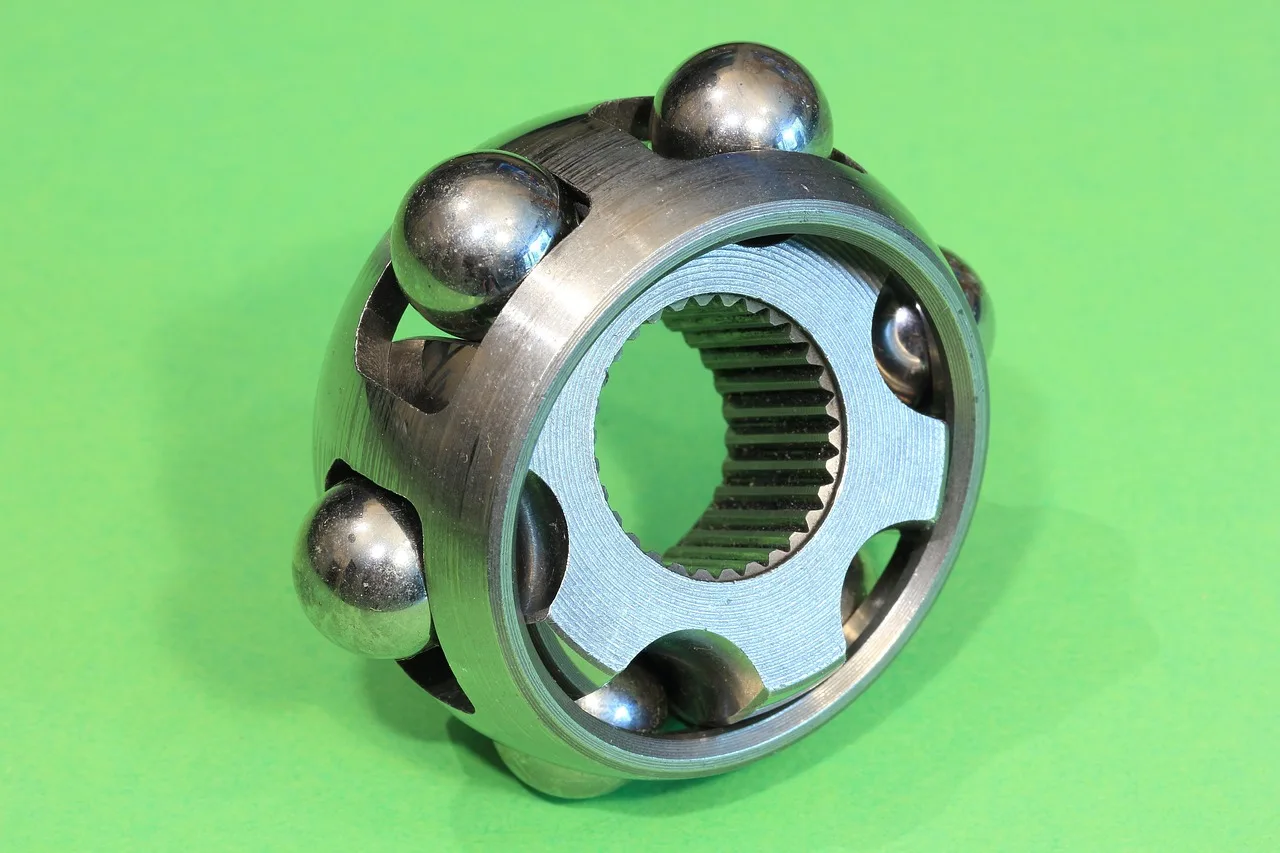
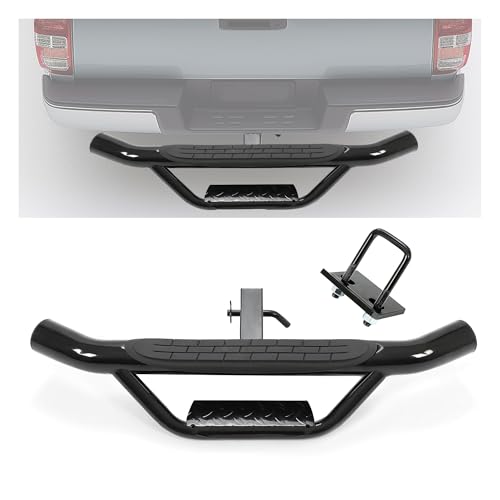

Rear-wheel drive is usually the best baseline for towing because the rear axle carries more load as the trailer pushes down on the hitch. That helps launch grip and stability, especially on body-on-frame trucks. Tow rating still depends on the whole vehicle package, engine, transmission, axle ratio, cooling, hitch, trim, and body style, not drivetrain alone.
How drivetrain affects traction, balance, and launch control
Drivetrain affects how the vehicle puts power to the ground. RWD tends to feel steadier under trailer load because steering and drive duties are split between axles. FWD puts both jobs on the front tires, which is why it is usually the weakest choice for heavier towing.
Why tow rating depends on more than drivetrain
Tow rating is the manufacturer maximum towing capacity for a specific engine, transmission, axle ratio, cooling package, hitch, and trim. A drivetrain can help launch traction, but it does not fix weak cooling, a short-geared axle, or a payload limit that is already close to full with passengers and tongue weight.
When rear-wheel drive is the default towing answer
RWD is common on trucks built for towing, and it often comes with body-on-frame packaging, stronger rear-axle loading, and tow-focused axle ratios. It is the simplest answer when the trailer is heavy, the route is long, and the road surface is dry enough that extra drive wheels are not needed.
Rear-wheel drive vs all-wheel drive for towing
RWD usually wins for straightforward towing on dry pavement because it is lighter, simpler, and often tied to higher tow-focused configurations. AWD can improve launch grip on wet roads or boat ramps, but it does not automatically raise max tow rating, and it often adds weight and complexity.
That extra weight matters. If the vehicle’s payload is already tight, AWD can leave less room for people, cargo, hitch hardware, and tongue weight. A trailer may feel easier to start moving, yet the published tow limit can stay the same or even fall compared with a rear-drive version.
According to Best Cars for Towing in 2025, Tested – Car and Driver — Car and Driver lists the 2026 Ford Super Duty with a starting price of $48,770. (source)
Is four-wheel drive better for towing a trailer?

4WD can be a better choice when traction is the main issue, such as launching a boat on a slick ramp, pulling away on a gravel grade, or starting on snow and mud. It is not a universal towing upgrade. The best answer depends on road surface, launch angle, and how much payload the vehicle can spare.
Best use cases for 4WD: ramps, gravel, snow, and steep starts
4WD earns its keep on low-grip surfaces and steep takeoffs. A trailer can push hard at launch, and a boat trailer on a wet ramp can expose weak traction fast. In those cases, the extra drive wheels give more control than RWD or AWD alone may provide.
Tradeoffs: weight, fuel use, and possible payload loss
4WD systems add parts and mass. That can trim payload and sometimes reduce tow rating, depending on the vehicle. Fuel use can also rise. A buyer who never leaves dry pavement may pay for capability that never gets used, while still carrying the weight of the system every mile.
When 4WD is worth the extra cost
4WD makes the most sense for boat owners, rural drivers, and anyone towing in winter or on loose surfaces. It is also useful when a trailer must be moved in a yard, campground, or jobsite where traction is uncertain. For highway-only campers, the payoff is smaller.
Can a front-wheel-drive car tow safely?
A front-wheel-drive car can tow safely if the trailer is light, the vehicle is rated for the load, and tongue weight stays within limits. FWD is usually the least desirable setup for heavier towing because the front axle already handles steering, engine weight, and drive force.
What makes FWD the weakest choice for heavier loads
With a trailer attached, a FWD vehicle can lose some of its front-axle traction as the rear settles under tongue weight. That makes launch control less predictable, especially on hills or wet pavement. Heat and load are also concentrated where steering and driving happen at the same axle.
The light-trailer situations where FWD can still fit
FWD can be fine for small utility trailers, compact campers, or lightweight cargo trailers when the published rating allows it. The route should be flat, the trailer stable, and the hitch load modest. The key is to treat the number in the owner’s manual as the limit, not a suggestion.
The limits set by front-axle load and published ratings
Front-axle load matters because towing shifts weight forward and rearward in ways that can overload the vehicle before the tow rating is reached. The safest approach is to check gross trailer weight, tongue weight, payload, and axle ratings together. If any one limit is close, the margin is gone.
How tow packages change the answer
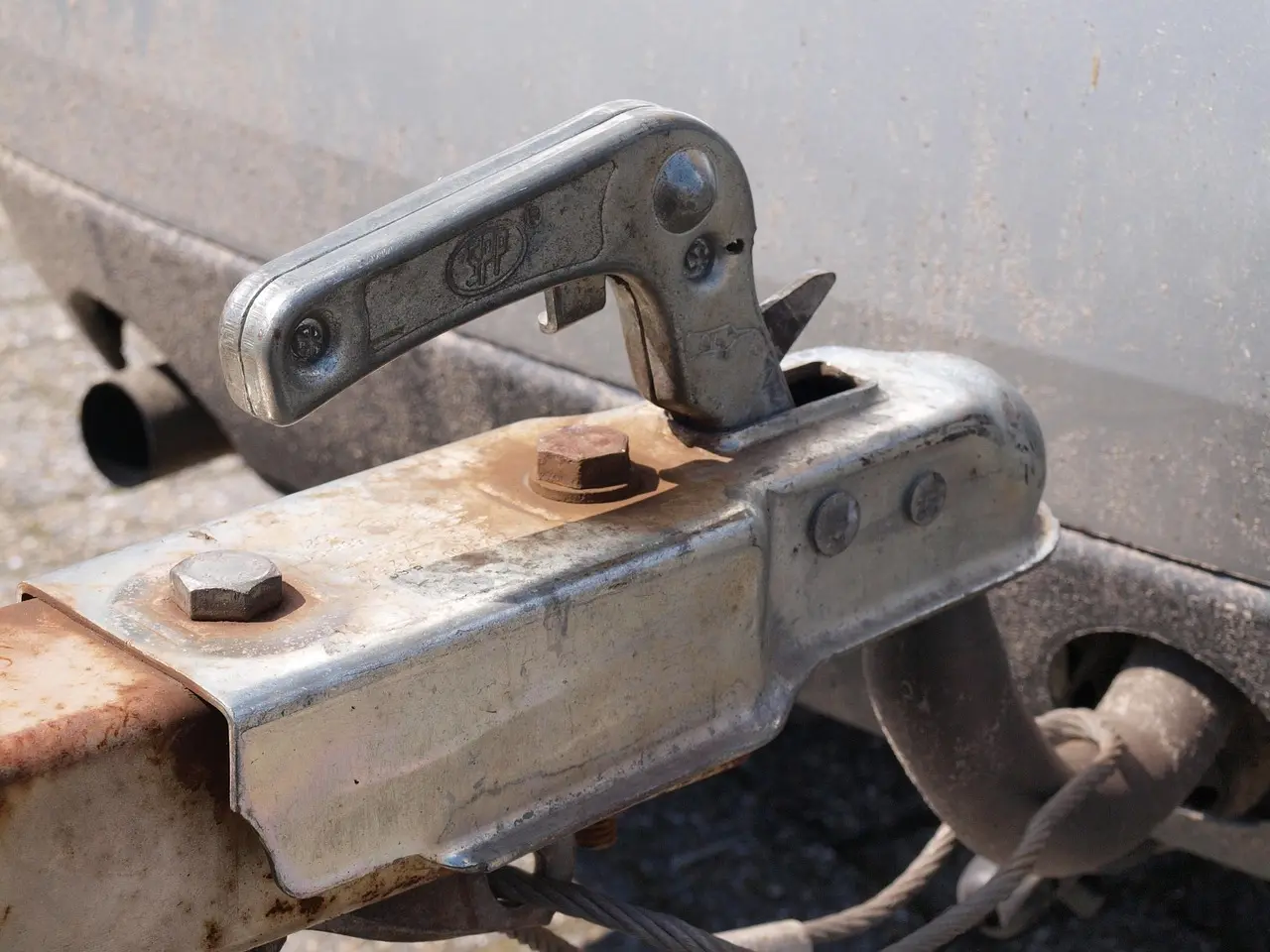
A tow package can change the result more than drivetrain alone. It often adds the hardware that makes towing stable and durable: a better hitch setup, trailer brake control, extra cooling, and axle gearing that suits low-speed pulling. Without those pieces, drivetrain choice only solves part of the job.
Integrated trailer brake controller
An integrated trailer brake controller is useful for heavier trailers and is often required in practice long before the maximum tow number is reached. It helps the tow vehicle and trailer brake together, which reduces jerk and improves control on descents, in traffic, and during emergency stops.
Transmission cooling
Transmission cooling matters because towing raises heat for long periods, especially in hot weather, on grades, or at highway speed. A tow package often includes upgraded cooling that helps protect durability and keeps performance more consistent. Hot-running is one of the fastest ways to turn a rated tow vehicle into a struggling one.
Axle ratio and hitch changes
A lower axle ratio can be a tow-oriented choice because it helps multiply torque more effectively at low speed. That can help launches and hill starts. Tow packages may also include a calibrated Class IV receiver hitch, wiring, and calibration changes that make the published tow figure possible.
The Ram 1500 shows how much configuration matters. Its max towing figure is achieved with the standard-output 3.0-liter Hurricane twin-turbo inline-six, the Quad Cab body style with the 6-foot-4-inch bed, and the Max Tow Package. That package includes a calibrated Class IV receiver hitch, an integrated trailer brake controller, and a 3.92 axle ratio. The truck uses an 8-speed automatic transmission and is available in both 4×2 and 4×4 drivetrains; the base trim drivetrain is rear-wheel drive.
What drivetrain matters most besides the engine when towing?
Beyond the engine, axle ratio and transmission usually matter most because they shape low-end pulling force and heat control. Tow packages can also be decisive. A strong engine with the wrong gearing or weak cooling may tow less confidently than a milder engine with the right hardware.
How to compare towing claims the right way
- Check the published tow rating for the exact engine, drivetrain, cab, bed, and trim.
- Subtract passenger weight, cargo, hitch hardware, and tongue weight from payload.
- Look for cooling upgrades, brake controller fitment, and axle ratio in the tow package.
- Match the trailer’s gross weight to the vehicle’s real configuration, not the brochure headline.
- Choose extra traction only when road surface or launch conditions justify it.
Why payload and tongue weight can stop a tow plan early
Payload is the hidden limit that catches many shoppers. A trailer may be under the tow rating but still push the vehicle over its payload once tongue weight and passengers are added. That is why the best drivetrain for towing is not always the one with the highest advertised number.
Choose the right drivetrain by trailer type
Trailer type changes the answer. A boat trailer often needs launch traction more than highway stability. A camper spends more time at speed and may care more about cooling and payload. Horse and utility trailers can carry heavy tongue weight, which makes axle load and brake control especially important.
Boat trailers and slippery launch ramps
Boat trailers are the clearest case for 4WD, with AWD as a secondary choice when ramp grip is poor. A rear-drive truck can still work well on dry or shallow ramps, but wet concrete, algae, or steep grades can make extra traction a real advantage instead of a convenience.
Camper trailers and highway towing
For campers, RWD usually makes the most sense when the vehicle is a truck or tow-focused SUV with the right package. Long highway runs reward cooling, stable gearing, and payload margin more than extra drive wheels. AWD can help in rain or mountain weather, but it is not the main fix.
Horse and utility trailers with heavy tongue weight
Horse and utility trailers can place meaningful load on the hitch. That puts a premium on payload, rear suspension control, axle ratio, and brake coordination. RWD is often the best baseline, while 4WD becomes worth considering if the trailer must move on grass, gravel, mud, or slopes.
Towing drivetrain decision table
| Trailer type | Road and launch conditions | Best drivetrain choice | When to step up to 4WD |
|---|---|---|---|
| Small utility trailer | Dry pavement, flat routes | FWD or RWD if within published rating | Rarely needed |
| Boat trailer | Wet ramp, gravel lot, hill launch | 4WD first, AWD second, RWD if ramp is mild | When wheelspin is likely at launch |
| Travel camper | Highway towing, mixed weather | RWD with tow package | When winter travel or steep access roads are common |
| Horse trailer | Heavy tongue weight, uneven ground | RWD or 4WD in trucks/SUVs | When surfaces are soft, slick, or steep |
| Compact car trailer | Short trips, light load | FWD only if rated and lightly loaded | Usually not worth it |
Frequently asked questions
What drivetrain is best for towing: FWD, RWD, AWD, or 4WD?
RWD is usually the best baseline because it balances towing well and is common on trucks built for the job. AWD and 4WD help when traction is the problem. FWD can tow light loads safely if the vehicle is rated for it and the trailer stays small.
Is AWD or 4WD better for towing a trailer?
4WD is usually better when launch traction matters, such as on boat ramps, gravel, snow, or steep starts. AWD is useful on wet roads and in mixed weather, but it is not a blanket tow upgrade and may not raise the tow rating at all.
Does rear-wheel drive tow better than all-wheel drive?
Often, yes. RWD usually has less weight and less drivetrain complexity, and it is common on vehicles tuned for towing. AWD can help traction on poor surfaces, but that does not mean it will tow more or hold a higher rating than the RWD version.
How much towing capacity do I need for my trailer?
Start with the trailer’s gross weight, then add tongue weight, cargo, passengers, and hitch gear. The vehicle must stay within its published tow rating and payload rating at the same time. A safe margin is smarter than chasing the highest number on a badge.
Do I need a trailer brake controller for towing?
For heavier trailers, yes, it is often the right choice and sometimes essential for control. An integrated trailer brake controller helps coordinate stopping so the trailer does not push the tow vehicle around. Many tow packages include it for that reason.
What axle ratio is best for towing?
A tow-oriented axle ratio such as 3.92 is often a strong choice because it increases low-speed pull and helps with starts on grades. The tradeoff is usually some fuel economy. The best ratio is the one matched to the trailer and the vehicle’s published tow package.
Does towing change with 2WD versus 4WD?
Yes, mainly in traction and launch control. 4WD can help on slippery ramps, snow, gravel, and steep starts. On dry pavement, 2WD often has less weight and sometimes a better tow setup, so the better choice depends on where the trailer is used.
Products related to this article
Sponsored / affiliate links. As an Amazon Associate I earn from qualifying purchases. I may earn additional commission from eligible campaigns.