Best Car Window Shades for Baby Travel (2026): Research Shows
The best car window shade for baby travel is the one matched to your rear side window type and the baby seat’s sun-facing side: choose a static-cling or exact-fit shade that covers the glass without blocking the driver’s view. Poor fit leaves glare and heat gaps, which can make rides hotter and fussier for the baby. This guide compares shades by window fit, visibility, and install reliability, then explains which style works best for sedans, SUVs, and minivans.
Quick comparison
| Product | Badge | Best for | Price | ||
|---|---|---|---|---|---|
 |
Munchkin® Brica® Magnetic Stretch to Fit™ Car Window ShadeMunchkin | Our pick | 2 pack · magnetic · stretch-to-fit | $33.82
Price as of 1 Nov 2026
|
View |
 |
Enovoe Car Window Shades for Baby 2-Pack – 21" x 14" InchesEnovoe | Budget pick | 2 pack · static cling · mesh | $12.99
Price as of 1 Nov 2026
|
View |
 |
Pakoo Car Window Shade for Baby, 2 Pack UV ProtectionPakoo | Also great | 2 pack · suction cup · mesh | $9.99
Price as of 1 Nov 2026
|
View |
 |
Sfee Car Window Shade for Side Windows, 2 Pack Sun ShadeSfee | Upgrade pick | 2 pack · retractable · roller | $15.89
Price as of 1 Nov 2026
|
View |
Use this first pass to rule out shades that suit the wrong window shape. The right choice changes with body style, window curvature, and whether the baby rides rear-facing or forward-facing on the sun side.
How we chose
This guide uses manufacturer specs, listing details, and published buyer feedback only. The focus is fit, install reliability, driver visibility, and any stated UV or mesh claims, with products skipped if their window-fit details are too vague.
That matters because a shade that looks broad on paper can still fail on curved rear door glass or a small sedan quarter window. The useful question is not only how much shade a product promises, but whether it stays put, clears the mirror line, and fits the window shape you actually have.
Fit and use checklist
| Vehicle type | Window position | Shade type | Likely fit risk | Driver visibility impact | Best-use case for rear-facing and forward-facing baby seats |
|---|---|---|---|---|---|
| Small sedan | Rear door window | Static cling or exact-fit mesh | Curved glass can leave edge gaps or peeling | Usually low if the shade stays below the mirror line | Rear-facing on the sun side; also useful for forward-facing seats on bright afternoon drives |
| Small sedan | Rear quarter window | Static cling | Smaller glass may need trimming or a smaller panel | Low, but watch side mirror sight lines | Best when the baby seat sits near that side and the quarter glass gets direct sun |
| SUV | Rear quarter window | Static cling or roller | Deep curvature and larger panes can create lifting at the edges | Can be moderate if the shade runs tall or thick | Good for rear-facing seats placed on the sunny side; also useful for older kids in forward-facing seats |
| SUV | Rear door window | Suction cup or static cling | Texture, tint, or curvature can reduce cling or cup grip | Usually manageable if the shade stops short of the driver’s main view | Useful when the baby rides rear-facing behind the driver or passenger and the sun comes in low |
| Van or minivan | Sliding-door window | Roller or suction cup | Large glass and frequent door use can stress attachment points | Can be higher if the shade is tall and close to the driver’s sight line | Best for repeated trips where the door opens often and the child seat stays on one side |
| Universal fit buyer | Any rear side window | Universal mesh or suction cup | Most likely to miss oddly shaped glass or curved frames | Varies by panel size and mesh density | Works best when you need a quick, low-cost fix and can accept some compromise |
Best car window shade for baby travel
The best car window shade for baby travel is often a static-cling or exact-fit mesh shade that matches the rear side window shape and sits on the sun-facing side of the baby seat. That combination usually gives the best balance of coverage, easy removal, and lower glare without adding bulky hardware near the driver’s view.
For most families, that points to a shade with adhesive-free removal and enough coverage to reach the main sun angle at the baby’s head and torso. Static cling is the best default when the window is curved, because it tends to fit glass more cleanly than suction cups on many rear doors and quarter windows.
A common first-timer mistake is buying a universal shade for a rear-facing seat on the wrong side of the car. Suppose the baby rides behind the passenger seat in an SUV and the afternoon sun comes in through the rear quarter window; a shade that leaves the top corner open can still let in enough glare to bother the child.
Which shade type fits your car best?
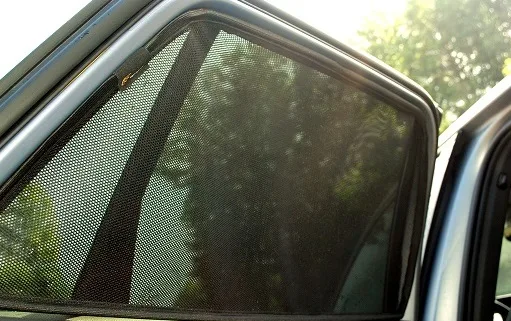
Static cling shades fit curved glass and are usually the easiest to remove cleanly. Suction cup shades can work better on larger, flatter windows, while roller or pull-down shades suit repeat use when you want fast coverage and can accept more hardware on the glass.
Static cling shades for curved glass and easy removal
Static cling is the best starting point for many rear side windows because it avoids cups and clips, and it often folds flat for storage. It is usually the least fussy option for a sedan rear door window or a small SUV quarter window, especially when the trim line is uneven.
The main drawback is fit sensitivity. If the glass is textured, heavily tinted, or sharply curved, the edges can lift. When that happens, coverage drops and the shade can look secure while still leaving open gaps at the top or side.
Suction cup shades for larger flat-ish windows
Suction cup shades can be a decent fit for larger windows when you want a wider panel and do not need a perfect edge-to-edge cling. They can also be useful on van sliding-door glass, where the window is broad and the shade may need a more physical hold.
The drawback is reliability in heat and on dirty glass. Cups can peel, shift, or lose grip after repeated door use, and a loose cup is more likely to sag into the driver’s sight line or leave the upper edge hanging away from the glass.
Roller or pull-down shades for repeat use and shade coverage
Roller or pull-down shades make sense when you want quick coverage on the same window every day. They are appealing for minivans and family vehicles with repeated school-run use, especially when the sun angle stays predictable and you want one-touch deployment.
The tradeoff is hardware and fit discipline. A pull-down design can be more visible from the cabin, may not suit every trim shape, and needs manual compatibility checks before you trust it around a child seat or a door that opens and closes often.
When adhesive-free removal matters most
If you move the shade between vehicles, rent cars, or fold seats often, adhesive-free removal should carry real weight. Static cling and some magnetic designs are easier to move and less likely to leave residue than adhesive-backed options, which matters when you need the glass clear again in seconds.
Munchkin’s Brica Magnetic Stretch to Fit shade is the clearest example in this group, because the listing points to magnetic attachment for compatible metal frames and a design that lets windows roll down with the shade installed. Its drawback is straightforward: the magnetic setup depends on compatible frames, so not every vehicle can use it.
Which one should you buy?
Choose by the baby’s seat position first, then by the window shape. A rear-facing seat on the sunny side usually needs the most consistent coverage at the rear door or quarter window, while a forward-facing seat may need a shade that preserves more outward view for the driver.
If your car has a small sedan rear window or a sharply curved SUV quarter window, start with a static-cling option. If the window is broader and flatter, a suction cup panel can be worth considering. If you want the fastest daily setup and do not mind a more visible mechanism, a roller shade is the more direct fit.
Picture a minivan with a sliding door on the passenger side and a rear-facing seat behind it. A pull-down shade may make sense there because the same door gets used every day, but only if the driver still has a clear side view and the manual allows the accessory near that window.
What is the best car window shade for baby travel?
The best car window shade for baby travel is the one that matches the window shape, the baby seat position, and the driver’s visibility needs. For most rear side windows, a static-cling or exact-fit mesh shade gives the best mix of coverage, clean removal, and predictable fit without adding bulky hardware.
That answer changes if your car has unusually shaped glass or a window that needs frequent opening. Then magnetic or roller styles can make more sense, but only if they stay outside the driver’s sight line and work with your vehicle’s frame and trim.
Do car window shades actually protect babies from the sun?
They can reduce glare and help cut direct sun exposure, but the real result depends on the shade material, window angle, and how much glass remains uncovered. A shade with a UV-blocking claim or UPF rating is more useful than a plain mesh panel with no stated sun protection detail.
Even then, side-window shades have limits. Low-angle sun can slip around the edges, and dark mesh that blocks glare may still leave heat buildup in the cabin if the glass area is large or the shade only covers part of the window.
What UV-blocking or UPF claims can mean
UV-blocking claims usually mean the maker says the material reduces ultraviolet exposure, while UPF is a fabric rating used to describe how much UV radiation a textile can block. Those claims are helpful, but they are not the same as full-window coverage, and they do not tell you how the shade fits your exact car.
For this reason, a stated rating should be treated as one factor, not the whole buying decision. Coverage area, edge fit, and whether the shade stays flat matter just as much for a baby seat on the sun side.
Why mesh density and sun angle matter
Tighter mesh can reduce glare better than a loose weave, but it can also make the cabin feel darker. Sun angle matters because a shade that looks adequate at noon may leave a bright strip across the baby’s seat in late afternoon when the sun is lower and more direct.
That is why rear-facing seat placement matters so much. If the child’s head is near the bright side window, even a decent mesh panel may leave a hot or bright patch unless it covers the full height and width of the glass.
Why side-window shades have coverage limits
Side-window shades only work on the glass they cover. They do not block the windshield, the roof glass, or sunlight bouncing off bright pavement and nearby cars, so they are best seen as part of a broader sun-management setup rather than a complete answer.
They also cannot fix a poor fit. A shade that floats away from the glass, peels at one edge, or stops short of the top corner will leave the baby exposed to light and the driver dealing with a moving distraction.
How do I choose the right size window shade for my car?
Measure the glass area first, then compare that to the shade’s stated coverage and shape. The best size is the one that matches the visible glass, not just the outer frame, because trim, curvature, and window depth can shrink the usable area faster than many buyers expect.
Small sedan rear windows often need narrower or shorter panels than an SUV quarter window. Minivan sliding-door windows can be larger, but their size also increases the chance of sagging or a visible edge if the shade is too small.
Small sedan rear window fit
Small sedan rear windows are often more curved and more compact, so a universal panel may leave corner gaps or overlap the trim awkwardly. Static-cling shades usually make the most sense here because they are easier to shape to the glass and easier to remove without extra hardware.
SUV rear quarter window fit
SUV rear quarter windows are a frequent trouble spot because the glass shape is often unusual. A shade that looks large enough on paper may still miss the top curve or stick out in a way that changes how the driver sees the side mirror area.
Van sliding-door window fit
Van sliding-door windows are broader and often friendlier to suction cup or roller styles. They can handle larger coverage, but the shade should still leave the driver a clear line to the mirror and not interfere with the door’s movement or latch area.
Universal versus vehicle-specific sizing
Universal sizes are convenient, but they are the most likely to miss a curved or oddly trimmed window. Vehicle-specific sizing is usually the safer bet when your priority is clean coverage and less fuss during install and removal, especially for a baby seat that stays in one place.
Say your SUV has a rear quarter window that tapers sharply toward the roof. A universal mesh shade may cover the center well but still leave the upper corner exposed, which is exactly where low sun can slip in during a late drive home.
Which shade works best for rear side windows?
Rear side windows are the main target area because they send the most direct sun toward the baby seat. For that use, a static-cling mesh shade is usually the best all-around pick, while suction cups and roller shades are better only when the glass shape or daily routine favors them.
If the window is heavily curved, static cling usually has the edge. If the glass is flatter and broad, suction cups can be acceptable. If you need repeat use on the same window and can accept visible hardware, a roller shade can be practical.
Rear-facing seat placement
For a rear-facing seat, the sun-facing side window matters most because the child’s head and upper body sit closer to the glass. That means you want the shade to cover the full exposed area rather than only the middle section, especially on the side where the afternoon sun hits hardest.
Forward-facing seat placement
For a forward-facing seat, the child sits a bit farther from the glass, so glare may be less direct but still bothersome. In that setup, a shade that leaves more outward visibility can be worth choosing if the vehicle has a narrow rear window or if the driver needs a cleaner side view.
Left or right rear seat placement
Left or right placement changes which window takes the sun. In many markets, the passenger side may get the most direct curbside sun on some routes, while the driver side can matter more on others; the real answer depends on your commute, parking, and the direction you travel.
That is why one shade on one side is often enough for a short daily commute, while two shades make sense for longer trips or for families who rotate seats between sides.
Will a car window shade block UV rays and heat?
A shade can reduce UV exposure and cut some glare, but it will not make every side window equal to a sealed blackout panel. Heat control depends on material density, how much glass the shade covers, and whether the sun hits the window straight on or at an angle.
Mesh shades usually strike the best balance between light control and visibility, while blackout-style panels give more shade but can reduce the driver’s side view more sharply. On hot days, the biggest difference often comes from coverage and fit rather than from a broad marketing claim.
Why driver visibility matters
Any shade that blocks too much of the side window can make lane changes, parking, and mirror checks harder. That matters even more at dusk or in rain, when the driver depends on a clean side view and the car’s mirror line already handles less light.
Local rules can also limit what you cover, especially if the shade reaches into the driver’s main sight line. Check the vehicle manual and local laws before using a tall pull-down shade or any panel that extends too far forward.
Can you roll down the window with a shade installed?
Sometimes yes, but only if the product and your window frame allow it. The Munchkin Brica Magnetic Stretch to Fit listing says the window can roll down with the shade installed, while many static-cling and suction cup options are better treated as closed-window accessories unless the maker says otherwise.
That is one of the clearest reasons to read the listing closely. A shade that stays on during window movement can be convenient, but it still has to remain stable, avoid the glass track, and not interfere with the door seal or the child’s seating area.
Are pull down window shades for car baby safe to use?
They can be safe only when they are allowed by the vehicle and car-seat manuals and when they do not block the driver’s view. A pull-down shade is more about fit and visibility than about the word “baby” on the package, so you need to confirm the mounting point and daily use behavior.
If the mechanism sits high on the glass or makes the window area look cluttered, another style is usually the better choice. Safety here is about placement, visibility, and compatibility, not about a built-in child label.
How many shades do I need for a car with kids?
Most families start with two shades for the rear side windows, then add more only if the vehicle has extra glass that sends direct sun toward the kids. One shaded side can help, but rear-facing seats often need protection on the side where the sun actually lands during the drive.
If both children sit in back and use opposite sides, two shades may be enough. If the car has large quarter glass or sliding-door windows, you may need a third panel, but only if it still preserves mirror visibility and follows the manual.
Which baby car window shade is easiest to install and remove?
Static-cling shades are usually the easiest to remove and reset, especially when they fold flat for storage. Among the products here, the Enovoe static-cling shade is the simplest fit for that use case based on the listing details, while magnetic designs can also be quick if your vehicle has compatible metal frames.
Suction cup and roller designs can be easy in the moment but more annoying over time if the cups weaken or the mechanism sits awkwardly on curved glass. If you want the fastest no-fuss changeover, choose the shade that needs the least hardware and the fewest fixed attachment points.
Best car window shade for baby travel: product-by-product
Munchkin Brica Magnetic Stretch to Fit: best for compatible metal-frame windows

This is the best fit when you want a magnetic attachment and your vehicle has compatible metal frames. The listing also says the windows can roll down with the shade installed, and the hoops-to-hooks design should help on smaller windows where a broad panel would otherwise look loose.
The honest drawback is fit dependence. If your car does not have the right frame material, the magnetic feature loses its main advantage, so check the manufacturer’s listing for your model before you buy.
Enovoe Car Window Shades: best for simple static-cling use
This is the clearest choice for parents who want a static-cling shade that folds flat and avoids suction cups. The listing says it is designed for smooth side and rear windows, and that makes it a practical starting point for many sedan rear doors and SUV windows.
The drawback is the same one many cling shades have: it depends on a smooth enough surface and a compatible window shape. On heavily curved or textured glass, the edges may not sit as cleanly as they do on paper.
Pakoo Car Window Shade: best for low-cost suction-cup coverage
This option fits buyers who want a budget-friendly shade with suction cups and mesh coverage. The listing calls out eight suction cups and a breathable mesh design with UV protection, which makes it a workable pick for many vehicle windows when you want a straightforward hold.
The drawback is attachment reliability in heat and on windows that do not give cups a great surface. Suction cup shades can be the first to slip if the glass is dirty, curved, or opened and closed frequently.
Sfee retractable side-window shade: best for quick daily adjustment
This is the right style for parents who want a self-retracting shade with quick adjustment. The listing says it is designed to block heat and UV rays, and the quick retract button should make it easier to fine-tune shade coverage when the sun shifts during the drive.
The drawback is the extra hardware. Roller shades can be more visible from the cabin and may be less forgiving on odd-shaped glass, so check the manufacturer’s listing for your model before counting on a clean fit.
Frequently asked questions
Are suction cup or static cling shades better for baby car windows?
Static cling is usually better for curved glass and easier removal. Suction cups can work well on flatter, larger windows, but they are more likely to slip if the glass is dirty, hot, or frequently opened and closed.
Can I roll down the window with a baby car window shade installed?
Only if the manufacturer says you can and the window frame allows it. Some magnetic shades are built for that use, but many static-cling or suction cup panels are best treated as closed-window accessories unless the listing clearly says otherwise.
Products related to this article
Sponsored / affiliate links. As an Amazon Associate I earn from qualifying purchases. I may earn additional commission from eligible campaigns.