How Much Does Leather Car Seat Cleaning Cost?
Leather car seat cleaning is often about $75 to $150 for a basic detail, about $150 to $300 for heavy soil or stain treatment, and about $300 to $800+ if restoration or repair is needed. Leave worn leather alone, or clean it badly, and a simple job can turn into cracked trim, permanent staining, or a much higher repair bill. This guide breaks down what quotes include, how price changes by seat condition, and when DIY, detailing, repair, or replacement makes the most sense.
What drives leather seat cleaning prices up


For leather-only seat work, a basic shampoo clean is usually the cheapest service, with full extraction priced higher because it takes more labor and targets deeper soil and odor. Once the job moves from routine cleaning to stain treatment, odor work, repair, or replacement, the quote can jump fast.
The cleanest way to compare quotes is by condition. Light dust and routine body oils fit the lower band. Food stains, sunscreen, dye transfer, and pet odor move the job upward. Cracks, burns, tears, and faded panels usually leave the cleaning lane entirely.
Price bands for basic cleaning, deep cleaning, and treatment add-ons
Basic leather seat cleaning is often listed at about $100–$200. Full extraction cleaning is listed at $290–$550 and is more intensive than basic cleaning, usually for deeper soil and odor. The pricing chart also uses a 5 percent shop overhead fee, and cleaning variance is shown at ±20%.
What changes the quote before you book
Contamination level matters first. A lightly dusty driver seat needs less work than a seat with spilled coffee, sunscreen buildup, pet hair, and body oils packed into stitching.
Seat count and vehicle type matter next. A two-seat coupe, a five-seat sedan, and a three-row SUV do not take the same amount of labor. A mobile crew charging for travel, a downtown shop with higher rent, and a suburban shop with lower overhead can all land on different numbers, and so can local labor rates. Sales tax and any disposal or removal charges that a shop adds separately also move the final bill.
Leather seat cost table
This table separates maintenance cleaning from deeper soil removal, then shows where stain treatment stops being “cleaning” and starts looking like repair work.
| Service level | Typical U.S. price range | What is included | When it is worth paying for | Warning signs it is really repair |
|---|---|---|---|---|
| Maintenance clean | $100–$200 | Basic shampoo, vacuuming, surface cleaning, light agitation, residue removal | Routine upkeep, light soil, normal daily-driver wear, seats that still feel smooth and intact | Cracking, torn seams, deep dye loss, burns, or a smell that points to soaked padding |
| Deep clean / extraction | $290–$550 | More intensive cleaning, extraction, stronger soil removal, odor-focused work | Embedded grime, heavy body oils, food residue, pet odor, and seats that need more than a surface clean | Faded color, peeling finish, brittle leather, or contamination that has damaged the surface layer |
| Clean plus stain treatment | $150–$300+ | Cleaning plus targeted stain removal, sometimes odor treatment or spot work | Visible spills, sunscreen marks, dye transfer, or isolated stains that have not fully set | Permanent discoloration, burn marks, torn grain, or stains that remain after the surface has been cleaned |
| When a quote is really repair | Spot repair $80–$550 per spot; cigarette burn repair $80–$700 per burn | Patch, fill, recolor, re-dye touchup, or panel-level repair | When the leather is intact but damaged and the goal is to restore appearance and function | If the panel is split, badly worn through, or multiple panels need replacement |
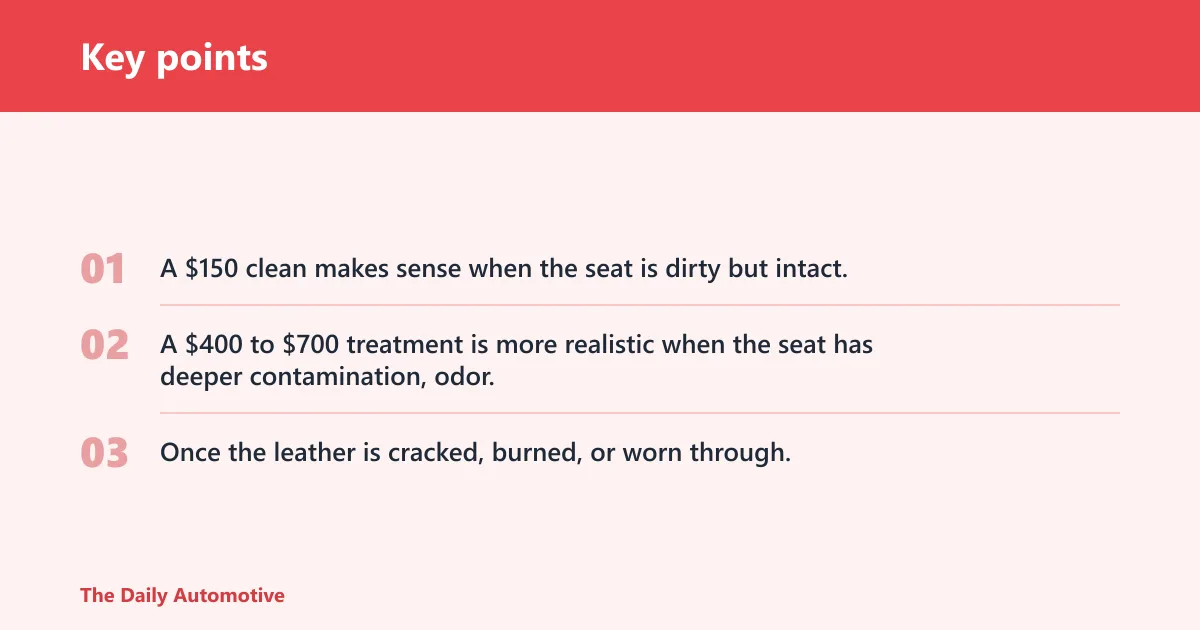
That table is the key spending check. A $150 clean makes sense when the seat is dirty but intact. A $400 to $700 treatment is more realistic when the seat has deeper contamination, odor, or stains that need extraction and spot treatment. Once the leather is cracked, burned, or worn through, the quote should be treated as repair or replacement, not cleaning.
What’s included in a leather seat cleaning service?
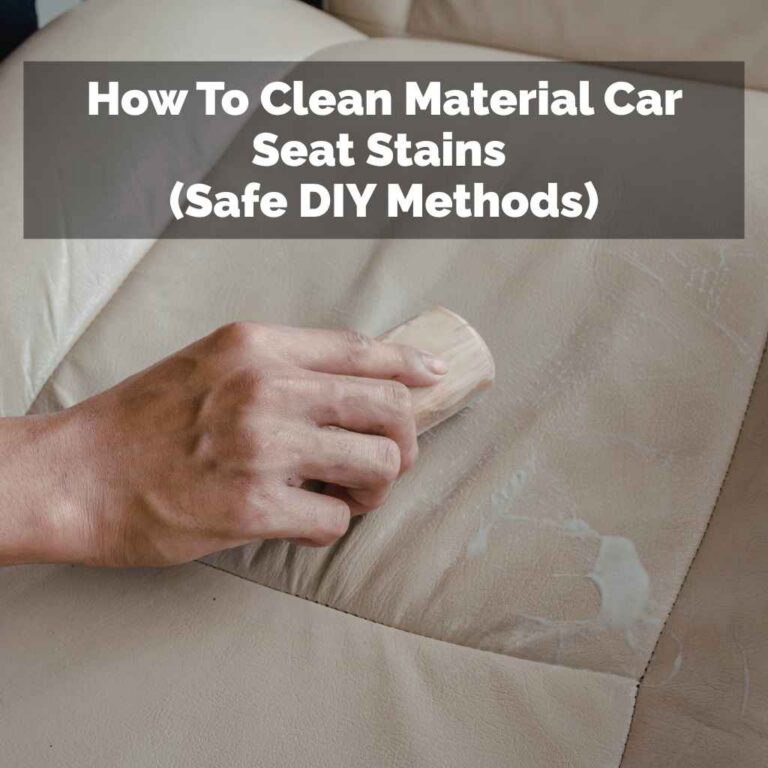
A professional leather seat cleaning service usually includes vacuuming, surface cleaning, agitation, and residue removal. Conditioner or protection may be offered, but it is often an extra line item rather than part of the base price. Odor treatment is also separate unless the quote says otherwise.
Basic steps in a professional cleaning
- Vacuum loose dirt and debris from the seat and seams.
- Apply a leather-safe cleaner for the visible soil level.
- Agitate the surface and stitching to lift grime.
- Remove residue so the leather does not feel sticky or hazy.
- Dry and inspect for stains, wear, or spots that need extra work.
Conditioner, protection, and odor treatment as add-ons
Conditioning is separate from cleaning. Cleaning removes soil. Conditioning supports the leather after cleaning, and protection adds a barrier against future grime. Odor treatment is different again, because it targets smell in the leather surface, stitching, or padding rather than visible dirt.
What detailers may charge extra
Stain treatment, extraction, ozone or odor service, light re-dye touchups, burn repair, and panel repair are common extras. If the quote bundles all of that into one vague number, ask what is actually included. The price should tell you whether you are buying maintenance or restoration.
How much does leather seat cleaning cost by damage level?
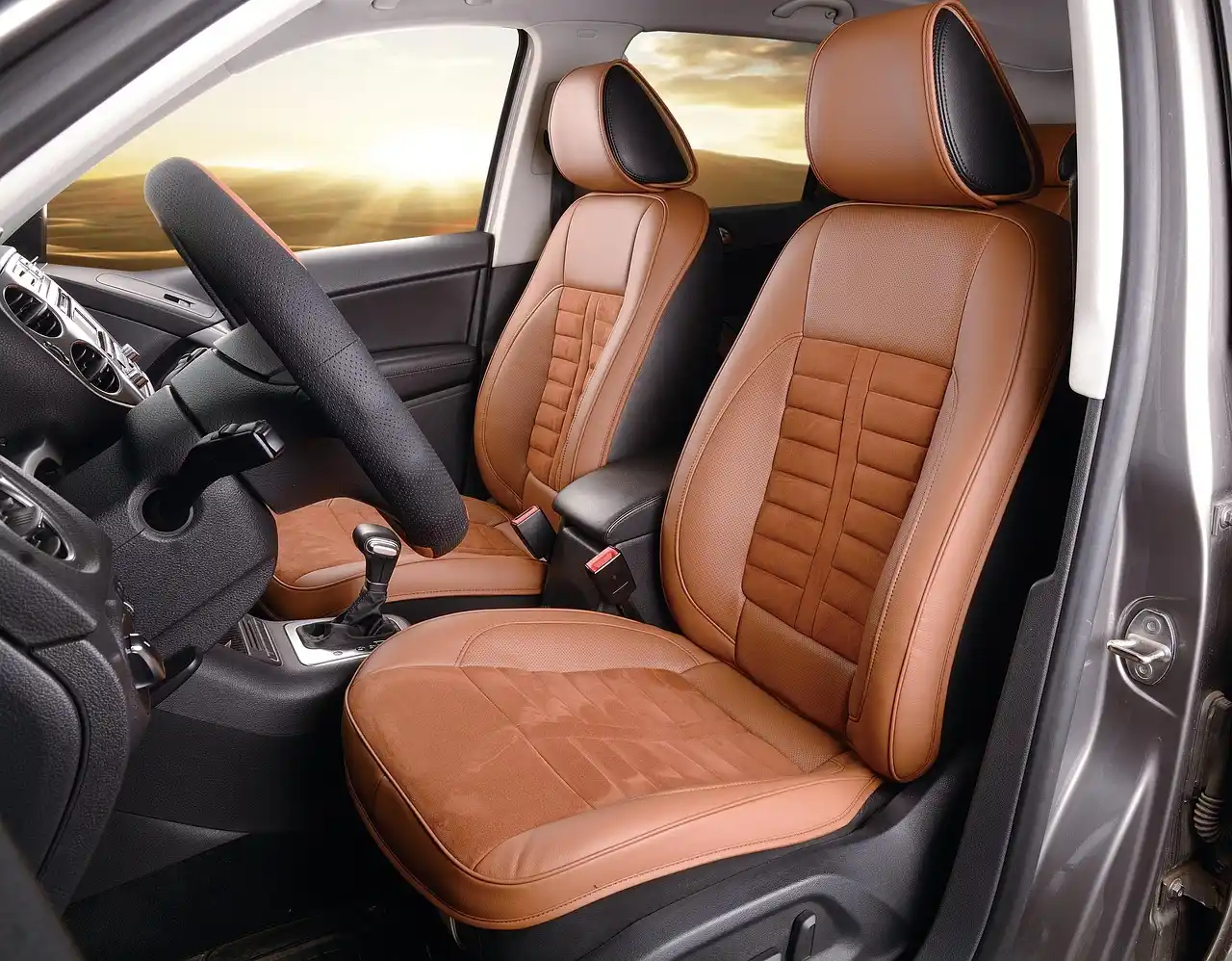
Light soil usually stays in the lower band, while stains, odor, and embedded grime push the job upward. If the leather only looks dull or dusty, cleaning may be enough. If the contamination has soaked into the grain, stitching, or cushion, extraction or repair becomes more realistic.
Light soil and routine maintenance
For a sedan or small SUV with ordinary use, light dirt and body oils often fit the $100–$200 basic cleaning range. The goal is to keep the seats from building up residue that later needs stronger chemical work or more time in the shop.
Say your commuter car has two front seats with light gray transfer from jeans and sunscreen, but no staining or odor. A maintenance clean is usually the right spend, because the seats are dirty rather than damaged.
Food stains, body oils, and sunscreen buildup
Once spills, sunscreen, and heavy skin oils settle into the surface, a simple shampoo may not be enough. This is where a $150 to $300 quote starts to make sense, especially if the detailer needs extra dwell time, agitation, or localized stain treatment.
Odor, dye transfer, and embedded grime
Odor and dye transfer often need deeper work because the problem is not only visible on the surface. Full extraction cleaning at $290–$550 is the more realistic lane when contamination has moved into seams, perforations, or padding. That is also where the quote may start to feel like a restoration job.
Suppose a minivan seat has kids’ snack residue, pet odor, and dark transfer from denim. If the leather is still intact, extraction can be cheaper than jumping straight to repair or replacement. If the surface is cracked and the odor keeps returning, the problem is no longer just cleaning.
When does cleaning become repair or replacement?
Cleaning stops making financial sense when the leather is no longer just dirty. Cracks, tears, burns, deep fading, and stretched panels are damage, not contamination. At that point, the shop is quoting labor to rebuild or replace material, not simply remove soil.
Wear that cleaning cannot fix
Look for split seams, exposed foam, hard brittle leather, and spots where the color coat has worn through. Those signs mean the quote should move out of cleaning and into repair. A cleaner can improve appearance, but it cannot restore missing leather.
Spot repair and burn repair pricing
Spot repair is listed at $80–$550, and cigarette burn repair is listed at $80–$700 per burn. Repair pricing can vary by about ±25%. These jobs can add 4 to 10 years of useful life in the right case, but only when the base leather is still structurally sound.
Full refit versus whole-interior refresh
A whole interior refresh is a broader interior service, typically about $2,500–$12,000, and it can extend the interior’s useful life for many years. A full leather refit is replacement territory, often around $5,000–$10,000 for a whole interior, with premium or custom work potentially higher. That cost is tied to leather grade selection, not cleaning.
The leather itself matters too. Top-grain leather is listed at $90–$160 per square yard, full-grain leather at $130–$220, and Nappa leather at $160–$300. Genuine leather grades are usually associated with 12–25 years of life depending on grade and use. Vinyl or leatherette is different from leather entirely, at $20–$45 per square yard and 6–12 years of life, and it is often chosen for easy-clean cabins, kids, and pets.
What affects leather car seat cleaning prices?
Price depends on seat count, contamination severity, local labor, and whether the job is mobile or shop-based. Sales tax, disposal fees, and removal-and-reinstall fees may also appear on the final bill, and these vary by state and shop. Basic cleaning is usually service-based rather than product-based, so labor is a major part of the quote.
Vehicle size and seat count
A compact car with two leather front seats costs less to clean than a three-row SUV with captain’s chairs and a third row. More seating means more time, more product, and more detail work around seams, bolsters, and high-touch areas.
Local labor rates and mobile service fees
Mobile detailers may charge for travel, convenience, or setup time. A brick-and-mortar shop may price lower on the service itself but add other charges. The same cleaning can land in different ranges depending on your city and the level of competition in the local market.
Sales tax, disposal, and removal charges
Some invoices add sales tax to labor, while others separate it by shop policy and state rules. If seats need removal for a cleaner or repairer to access them, removal-and-reinstall fees can change the total quickly. Ask for those items before you approve the work.
How often should leather car seats be cleaned?
Most cars benefit from a maintenance clean every 1 to 2 years, with deeper cleaning less often unless the cabin sees heavy use. Cars with kids, pets, sweat, sunscreen, or food spills may need attention sooner. More frequent care usually lowers annual spend because it prevents stain buildup and odor problems.
Daily drivers and family vehicles
Daily drivers often need faster intervals because body oils, food crumbs, and sunscreen build up without much warning. Family vehicles may need a maintenance clean once a year, plus a targeted stain treatment if spills happen between services.
Garage-kept cars versus high-use interiors
Garage-kept cars usually age more slowly than commuter vehicles that sit in the sun or haul passengers every day. A car that spends long hours in heat can dry the leather faster, which makes routine cleaning and conditioning more important for long-term cost control.
How service intervals affect annual cost
Cleaning sooner can be cheaper than waiting until the seat needs extraction or repair.
Frequently asked questions
How much does leather car seat cleaning cost?
If the seat needs stain treatment, odor work, or repair, the price can move well beyond that range. The condition of the leather matters more than the vehicle badge.
Is leather seat cleaning different from leather conditioning?
Yes. Cleaning removes dirt, oils, and residue from the leather surface. Conditioning is a separate step meant to support the material after cleaning. A detailer may bundle them, but they should not be treated as the same service or priced the same way.
How much does it cost to have a car seat cleaned?
If the seat is stained or damaged, the work can shift into $150–$300+ for treatment or into repair pricing. Always ask whether the quote is leather-only or whole-interior service.
How much to replace leather car seats?
Whole-interior leather replacement is usually $5,000–$10,000, and premium or custom work can reach $10,000–$35,000. If only one panel is damaged, repair may be a cheaper path. Once the leather is torn, badly burned, or worn through, replacement is often the more honest quote.
Products related to this article
Sponsored / affiliate links. As an Amazon Associate I earn from qualifying purchases. I may earn additional commission from eligible campaigns.