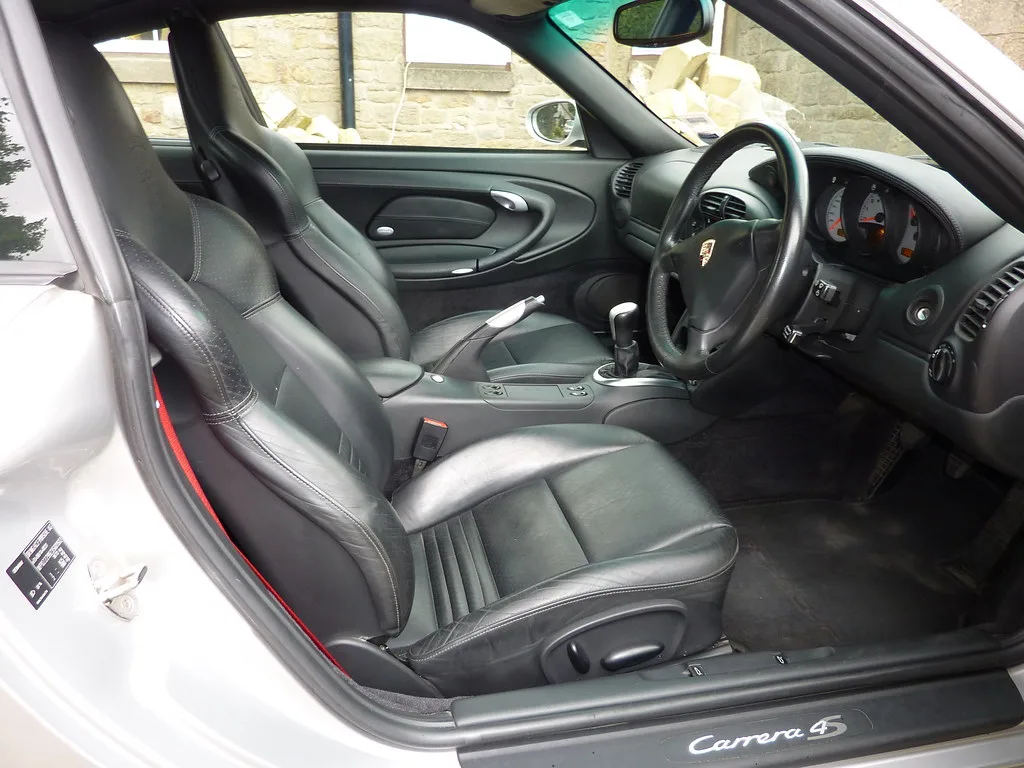
Leather Wipes vs Spray Cleaner: Which Fits Seats Best?
Use leather wipes for quick touch-ups and light grime; use spray cleaner for deeper cleaning, heavy soil, or when you need tighter control over product amount. Pick the wrong format and you can leave streaks, over-wet perforated seats, or grind dirt into the leather. This guide explains when each format fits, how seat finish changes the choice, and how to avoid common mistakes.
This guide is part of our Leather car seat care and repair guide series.
Leather wipes vs spray cleaner: the real trade-off



The trade-off is plain: wipes save time, while spray cleaner gives control and coverage. Wipes come pre-moistened and fit in a glovebox, but they have limited dwell time and can miss seams or packed-on grime. Spray cleaner needs a towel, and sometimes a brush, but it reaches full seat panels and dirtier areas better.
| Decision factor | Leather Wipes | Spray Cleaner | Winner |
|---|---|---|---|
| Quick dusting | Fast, grab-and-go, good for light film | Works, but takes more setup | Leather Wipes |
| Coffee spill | Can help with fresh residue, but may run out of cleaning strength | Better for lifting residue with controlled wiping | Spray Cleaner |
| Sunscreen transfer | Good for light transfer marks on smooth leather | Better when the film is thicker or widespread | Spray Cleaner |
| Perforated seats | Lower pooling risk because product is already on the cloth | Can work, but only with careful application | Leather Wipes |
| High-mileage bolsters | Useful for touch-ups, not full recovery | Better at cleaning embedded soil on wear points | Spray Cleaner |
| Light sunscreen film | Often enough if the layer is thin | Better if the film is sticky or spread across the seat | Spray Cleaner |
| Weekly maintenance | Best for quick upkeep between deeper cleans | Better when weekly cleaning includes full-seat wipe-downs | Leather Wipes |
| Post-road-trip grime | Can struggle once dirt is packed into texture | Better coverage and more complete soil removal | Spray Cleaner |
| Stitched seams | Works, but may not reach into the seam well | Better with a microfiber towel and soft brush | Spray Cleaner |
| Glovebox storage constraints | Easy to store in a small space | Less convenient because it needs separate towels | Leather Wipes |
Quick dusting
Wipes win here because they are already loaded and ready to use. For a dusty seat that only needs a pass to remove a light film, that simple format is usually enough and saves time.
Coffee spills and sunscreen transfer
Spray cleaner wins once the mess has body to it. A liquid cleaner used with a microfiber towel can break up residue more evenly than a wipe that dries out halfway through the job.
Perforated seats and seam-heavy trim
Perforated leather needs restraint. A wipe usually lowers the chance of product pooling, while spray cleaner can still work if it is applied to the towel first and not directly into the holes.
High-mileage bolsters and road-trip grime
Spray cleaner is the better match for worn side bolsters and travel dirt because it gives more working time and broader coverage. A wipe may clean the surface, but it often stops short of lifting grime from grain and texture.
According to Leather – Wikipedia — Leather making has been practiced for more than 7,000 years.
Do leather wipes clean as well as leather spray cleaner?
Not usually. Leather wipes handle light soil, dust, and fresh transfer marks well, but spray cleaner usually does a better job once dirt is embedded, the panel is larger, or the seat has seams and texture. Wipes are for convenience; spray is for cleaning power.
Where wipes fall short
The main limits are dwell time and load. A wipe has only so much cleaning solution, so it can streak once the cloth gets dirty or dry out before a stubborn patch is fully lifted.
Where spray cleaner pulls ahead
Spray cleaner lets you control how much product reaches the leather and where it goes. That matters when you want a controlled soak on the cloth, light brushing along the grain, or a second pass on neglected trim.
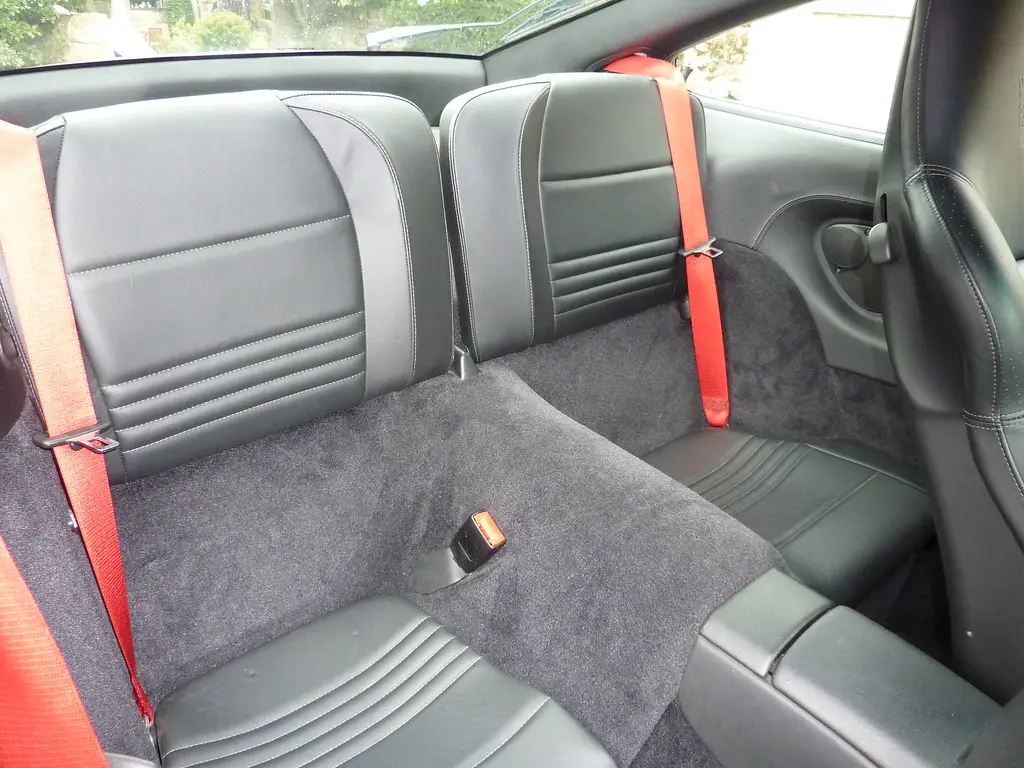
When should I use leather wipes instead of a spray?
Use leather wipes when the job is fast, light, and local: dust, fingerprints, sunscreen haze, or a minor transfer mark before school pickup or a client ride. They also fit better when storage space is tight and you want a single-item solution in the glovebox or center console.
Fast touch-ups between full cleans
Wipes are the better upkeep tool when the seat already looks decent. They keep small marks from becoming larger problems and reduce the temptation to over-clean a seat that only needs a light pass.
Daily-driver convenience
For many commuters and family cars, convenience matters. A pre-moistened wipe is easier to use correctly than a bottle-and-towel setup, so it is more likely to get used before dirt has time to build up.
When is leather spray cleaner the better choice?
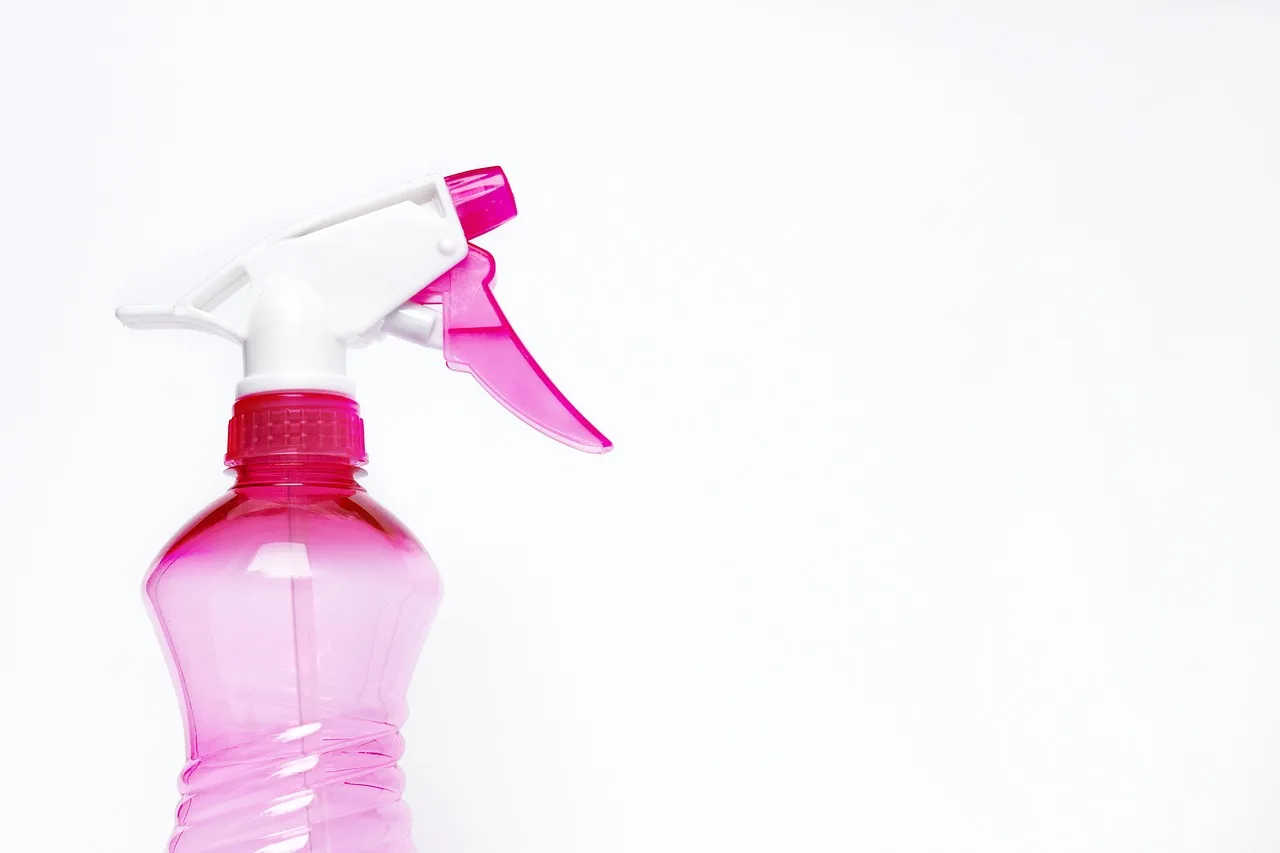
Spray cleaner is often the better choice for larger panels, heavier soil, dirty bolsters, and seats that need a more controlled clean. It also works better when you want to pair cleaning with a microfiber towel or a soft brush for seams and grain.
Larger seat panels and even coverage
Spray gives you a wider, more even application across the seat back and cushion. That cuts down on patchy cleaning, which is a common problem when a wipe is dragged across a broad area and runs out of solution mid-job.
Neglected or high-mileage leather
Stained or neglected leather often needs more than a quick pass. Spray cleaner gives you room to work a section, wipe residue, and return for a second pass if the first one loosens dirt but does not fully clear it.
Controlled cleaning with a microfiber towel or brush
A microfiber towel helps remove residue and cut down on streaking with either method. A soft leather brush can help lift soil from seams, grain, and texture, but it should be used gently; too much agitation can be a problem on more delicate finishes.
Do different leather finishes need different cleaning methods?
Aniline and semi-aniline leather are generally more sensitive than pigmented or coated leather, so they usually call for gentler cleaning and less liquid. Nubuck and suede are different from standard automotive leather seats and should not be treated the same way.
Aniline and semi-aniline leather
These finishes absorb product more readily, so heavy spraying is a bad idea. A wipe can be safer for a light touch-up, but the product still needs to be leather-safe and used with restraint.
Pigmented or coated leather
Pigmented leather is common in cars and usually tolerates spray cleaning better than absorbent leather types. Even so, gentle chemistry matters, and a soft microfiber towel should still finish the job to remove residue cleanly.
Nubuck and suede exceptions
These surfaces are not treated like typical finished leather seats. Liquid cleaners, wipes, and brushes can leave marks or change the nap, so they need their own care method rather than a standard wipe-or-spray approach.
Can I use leather cleaner on perforated seats?
Yes, but controlled application matters more on perforated seats than on smooth panels. A key risk is product pooling in the holes, which can leave residue inside the perforations and lead to a damp, uneven finish after wiping.
How to avoid pooling
Put cleaner on the microfiber towel first, then wipe the seat surface lightly. If a brush is needed, use it sparingly and keep the liquid away from the hole pattern.
When to avoid direct spray
Direct spraying near perforations is a poor choice when the seat is already damp, heavily soiled, or made from a more absorbent finish. In those cases, a towel-dampened method gives better control and less risk of liquid sitting in the holes.
- Vacuum loose grit from seams and perforations first.
- Apply leather cleaner to a microfiber towel, not straight onto the seat if holes are present.
- Wipe a small section and inspect for streaks or residue.
- Use a soft brush only where texture or stitching holds dirt.
- Buff with a clean microfiber towel until the surface feels dry and even.
Choose leather wipes if… / Choose spray cleaner if…
Choose leather wipes if you need speed, light upkeep, and easy storage. Choose spray cleaner if you need control, more coverage, or better cleaning on dirtier seats. For many daily drivers, the right answer is both: wipes for quick upkeep and spray for scheduled deeper cleaning.
Choose leather wipes if…
Pick wipes when the seat has light dust, a sunscreen film, or a small transfer mark. They also make sense when you need something portable in the glovebox and do not want to carry separate towels or a brush.
Choose spray cleaner if…
Pick spray cleaner when the leather is dirty, neglected, or packed with grime in seams, bolsters, and texture. It is also the better tool for pigmented leather that can handle a more controlled wet clean, provided you keep the application measured.
How do I avoid damaging leather when cleaning car seats?
Use the mildest method that matches the soil. Test in an inconspicuous area, avoid harsh chemicals and all-purpose cleaners, work with a soft microfiber towel, and keep liquid away from perforations and more absorbent finishes. The biggest mistakes are over-wetting, scrubbing too hard, and assuming every leather seat should be cleaned the same way.
Start with the seat condition
A seat that only needs dust removal should not get the same treatment as a neglected bolster. Light soil calls for a lighter hand, while deeper grime may need spray cleaner, a towel, and a second pass.
Respect the finish
Chromed-tanned leather is the most common method in modern use, and leather making has been practiced for more than 7,000 years. That history does not make every seat equal; finish type still determines how much moisture and agitation a seat should see.
Watch for failure cases
Streaking often means too much product or not enough clean towel. Residue means the cleaner was not fully lifted. Over-wetting is often a bigger risk on perforated or more absorbent leather, so careful spraying matters most.
Frequently asked questions
Is leather wipes or spray cleaner better for car seats?
Spray cleaner is better for deeper cleaning, larger panels, and dirtier seats. Leather wipes are often better for fast touch-ups, light dust, and minor transfer marks. The right choice depends on how dirty the seat is, how much control you need, and whether the seat has perforations or delicate leather.
Do leather wipes clean as well as leather spray cleaner?
Usually no. Wipes are handy and work well for light upkeep, but spray cleaner generally has more cleaning power and better reach on seams, grain, and neglected areas. Wipes can be enough for upkeep, yet they often struggle once soil has settled into texture.
When should I use leather wipes instead of a spray?
Use wipes when you want a quick, portable solution for light grime, fingerprints, dust, or sunscreen haze. They are especially practical between deeper cleans or when storage space is limited. For daily use, a wipe is often the tool that actually gets used on time.
Can I use leather cleaner on perforated seats?
Yes, but careful application matters. The safest approach is to put cleaner on a microfiber towel first and avoid flooding the holes. Direct spray can pool in perforations, which raises the risk of residue, uneven drying, and a damp feel after cleaning.
Do different leather finishes need different cleaning methods?
Yes. Aniline and semi-aniline leather need gentler treatment because they are more absorbent. Pigmented or coated leather usually tolerates spray cleaner better, while nubuck and suede are exceptions that need a different care approach entirely. Finish type should always guide the method.
Will spray cleaner work better on dirty or neglected leather seats?
Yes. Dirty or neglected leather usually needs more dwell time, more control, and more complete soil removal than a wipe can provide. Spray cleaner paired with a microfiber towel, and sometimes a soft brush, is the better path when the seat has built-up grime or heavy transfer.
Products related to this article
Sponsored / affiliate links. As an Amazon Associate I earn from qualifying purchases. I may earn additional commission from eligible campaigns.