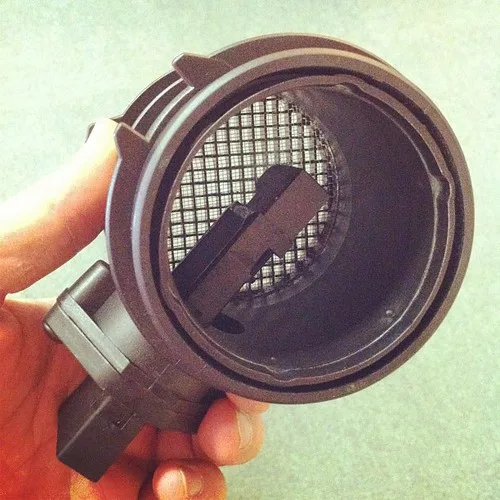
Denso MAF Sensor Review: What to Know Before Buying
A Denso MAF sensor makes sense after you check wiring, air leaks, and fuel trims. If the readings are wrong and the swap fixes the fault, the extra cost usually beats a bargain sensor. Skip that check and you can chase the wrong problem, burn fuel, and buy two sensors instead of one.
This guide is part of our Car sensors and parts guide series.
Verdict


That matters on a car with a code like P0101, because the mass air flow sensor is only one part of the load-calculation chain. On a high-mileage vehicle, the sensor can drift, but so can the air filter, intake ducting, and even the engine mount. Denso is the safer recommendation when the part number and calibration curve match the original equipment and the diagnosis is already fairly certain.
Pros and cons
- Pros: OEM-spec replacement behavior, better calibration match, lower comeback risk when the original sensor is truly failing.
- Pros: Application-specific fitment cuts plug-and-drive guesswork.
- Cons: Costs more than many compatibles; the 2015 Camry example was roughly $120.
- Cons: It will not fix intake leaks, filter problems, or a collapsed engine mount that only feels like a bad sensor.
📊 The writer says the original MAF sensor replacement cost was roughly $120. Source: Why I Trust Denso MAF Sensors: A P0101 Story That Started with an….
Specs at a glance
| Item | Denso MAF sensor take |
|---|---|
| Role | Measures incoming air for engine load calculation |
| Replacement type | OEM-spec replacement |
| Fitment | Application-specific part-number match required |
| Calibration | Curve should match original equipment |
| Common symptom coverage | Rough idle, hesitation, shudder, stalling, poor fuel economy, P0101 |
| Typical diagnosis inputs | Scan tool live data, freeze-frame data, fuel trims, intake inspection |
| Cleaning decision | Worth trying only when contamination is likely and live data is still believable |
Who it is for
This is for DIY owners who already have a P0101 path started and want a replacement with less comeback risk, especially on a high-mileage vehicle. It also fits drivers who need the car fixed once, not twice, after a rough idle, shudder, or hesitation complaint.
It is not for anyone hoping a part swap will cover up an air leak, a dirty or wrong air filter, or a separated mount. If the diagnosis is weak, even a good Denso part can be the wrong purchase.
How do you confirm the MAF sensor is the problem?
Confirm it with live data, freeze-frame data, and a quick check of the intake path before you buy anything. A bad MAF often shows odd grams-per-second readings at idle and under load, but those numbers mean more when the air filter, ducting, and engine mount have already been ruled out.
Use a scan tool before clearing codes
Read the freeze-frame first. In the Camry example, the code was P0101 and the freeze-frame idle reading was 2.2 g/s. That matters because the snapshot tells you what the engine was doing when the fault set. Clear the code too early and you erase the clue trail.
Watch live MAF data at idle and during a throttle sweep. At idle, a sensor that has drifted or is contaminated often reports a value that does not match the engine’s behavior, and the fuel trims usually react. If RPM rises cleanly but the data stays flat, the sensor or its signal path deserves more attention.
Check the air filter, intake tract, and mount first
Before replacing the sensor, inspect the air filter for restriction, collapse, or the wrong aftermarket shape. Then inspect the intake tube, clamps, and vacuum plumbing for leaks. On a rough-idle complaint, inspect the upper engine mount too; a separated rubber bushing can shake the car enough to feel like a fueling problem.
That distinction saves money. In the Camry case, the original sensor was failed by the time of diagnosis, but the car also had a completely separated upper engine mount. The engine could be shifted two inches by hand because of the mount issue, which shows how badly a chassis fault can mask the real complaint.
Diagnosis decision table: what mimics a bad MAF?
| Likely fault | Common symptoms | Live-data pattern | Codes you may see | Next step |
|---|---|---|---|---|
| MAF failure | Rough idle, hesitation, shudder, stalling, poor fuel economy | Idle g/s looks implausible or drifts; response lags with RPM changes | P0101, sometimes lean-related drivability complaints | Compare readings to freeze-frame, inspect wiring, then replace if data and symptoms line up |
| Dirty or collapsed air filter | Lazy throttle, low power, possible roughness at higher airflow demand | MAF may look low because intake is restricted, not because the sensor is bad | P0101 can appear, but not always | Inspect the filter element, housing, and correct fit; replace the filter first if restricted or deformed |
| Intake leak or vacuum leak | Surging idle, lean stumble, hesitation, occasional stalling | MAF value may look believable while fuel trims go lean | P0101, lean codes, idle complaints | Smoke-test or inspect duct joints, couplers, and vacuum lines before buying the sensor |
| Bad engine mount | Vibration, harsh idle feel, shake in the cabin, complaint that sounds like misfire or fueling trouble | MAF numbers can be normal; the problem is mechanical shake, not airflow metering | Often no MAF code at all | Inspect for separated rubber bushing, torn mount, or excessive engine movement at idle |
What works

Denso works when the original sensor is actually drifting and the replacement matches the vehicle’s calibration curve. That point matters more than connector shape. Two sensors can plug in cleanly and still report airflow differently enough to create another P0101 or lean complaint.
Why calibration match beats a generic plug shape
The MAF sensor is not just a connector with wires. It measures incoming air for fuel calculation, and the engine computer expects a specific response curve. If that curve is off, the car may idle, but fuel trims, throttle response, and cold behavior can still be wrong.
Application-specific part-number fitment matters for the same reason. A Denso unit built for the correct vehicle family is more likely to behave like the original than a no-name sensor chosen only because the connector looks right. That cuts the chance of a second diagnosis cycle.
When cleaning can buy time
Cleaning is worth trying when contamination is the likely cause and the sensor still appears electrically alive. Oil film, dust, and fine dirt can build up on the sensing element and skew readings. If the data is only slightly off and the sensor is otherwise correct for the vehicle, cleaning can restore enough accuracy to keep driving.
Cleaning is not a fix for wear drift. On a high-mileage vehicle, the sensor can age out even if it looks clean. If live data remains wrong after a proper cleaning and intake inspection, replacement is the better call.
Fitment quality and install behavior
Denso’s stronger point is usually fit and calibration, not magic. The sensor should seat correctly, the connector should feel right, and the engine should not need a relearn trick just to run normally. That matters when the car is down and the owner wants one repair, not a parts-roulette session.
Pros: closer OE behavior, better odds of a clean fix, less repeat labor.
Cons: higher price, no benefit if the root cause is elsewhere.
What does not
A Denso sensor still will not fix the car when the rest of the air path is wrong. A dirty air filter, a collapsed intake tube, a vacuum leak, or a bad mount can all leave the driver with the same rough idle complaint and the same temptation to blame the MAF.
Why misdiagnosis costs more than the sensor
The hidden cost is labor. Buy the wrong part, install it, clear the code, and the fault comes back. Then you pay again in time, gaskets, and frustration. On cheap sensors, the savings disappear quickly if the part creates a comeback or only partly cures the problem.
Shop records cited 47 Denso MAF installations in 18 months with zero comebacks, while 11 returns occurred out of 42 knockoffs. That works out to a 26% failure rate for the cheaper parts, and it is exactly the kind of repeat labor that turns a bargain into a loss.
High-mileage comeback risk
High-mileage vehicles are hard on nearby parts too. A sensor may be fine, but a brittle intake boot, aging mount, or tired filter housing can make the driveability complaint return. Cheap replacements are especially risky here because they can stack part-quality uncertainty on top of an already marginal system.
Pros: Denso cuts guesswork when the diagnosis is solid.
Cons: It can be an expensive mistake if the real fault is a mount or intake leak.
Alternatives
These are cheaper options that may fit specific vehicles, but fitment alone is not the whole story. On a diagnosis-first repair, the question is whether the calibration and signal behavior will match the original equipment closely enough to avoid another round of symptoms.

Yukrotor for Honda and Acura applications is the budget play. Based on the listed compatibility and the wider part-number coverage, it may make sense when the vehicle match is exact and the owner accepts more risk than with OE-spec Denso. The drawback is obvious: low price often means less confidence if the vehicle is picky about airflow calibration.

Yukrotor for Ford and Lincoln models follows the same logic. It can be a sensible stopgap if the budget is tight and the application is confirmed, but the lower purchase price does not remove the need for a good diagnosis. If the issue is an intake leak or mount shake, the sensor swap will not pay off.
Should you buy it
Buy Denso when the scan tool, freeze-frame data, and basic inspection all point to the sensor. That is the point where the extra money usually buys fewer comebacks and less repeat labor. It is also the right choice on a high-mileage vehicle where a cheap part would be the fourth thing you try.
Do not buy it first. Check the air filter, inspect the intake tract, and look at the engine mount condition before ordering anything. If the sensor is dirty and the readings are only slightly off, cleaning may buy time. If the data is wrong, the code returns, and the vehicle match is exact, Denso is the safer replacement.
Frequently asked questions
how can you tell if the maf sensor is bad
A bad MAF usually shows rough idle, hesitation, shudder, stalling, or poor fuel economy along with odd live data. The key is to compare scan-tool readings at idle and under load, then check whether the air filter, intake tract, and engine mount can explain the symptom first.
why clean maf sensor
Cleaning is worth trying when dirt or oil film is skewing airflow readings but the sensor is not worn out. It can recover a sensor that is contaminated rather than failed. If the signal is still wrong after a proper cleaning, replacement is the better answer.
why do mass air flow sensors fail
Mass air flow sensors fail from contamination, aging drift, heat, and wiring issues. Dust, oil, and grime can coat the sensing element, while high mileage can shift the output curve enough to confuse the engine computer. Vibration and poor airflow conditions can add to the problem.
what causes dirty maf sensor
A dirty MAF is usually caused by an over-oiled filter, an intake system that lets dust past the filter edge, or long-term contamination in the air stream. Oil mist and fine dirt build up on the sensing element and change the signal the computer receives.
Is a Denso MAF sensor better than a cheap aftermarket sensor?
When the diagnosis is solid, Denso is usually the safer buy because the calibration match and fitment are closer to original equipment. Cheap sensors can work, but they carry more comeback risk if the curve is off or the vehicle is sensitive to airflow signal quality.
What codes point to a bad MAF sensor?
P0101 is the main code discussed for a MAF range/performance problem, but a code alone does not prove the sensor is bad. Freeze-frame data and live readings matter because intake leaks, bad filters, and mount vibration can all create a similar complaint.
How much does a Denso MAF sensor cost?
The 2015 Camry example in this article puts the original replacement cost at roughly $120. That is enough to matter, but not enough to justify skipping diagnosis. The real savings come from avoiding a second repair when the first guess was wrong.
Will a bad engine mount or air filter mimic a bad MAF sensor?
Yes. A dirty or collapsed air filter can alter airflow enough to look like a sensor issue, and a bad engine mount can shake the car at idle so badly that it feels like rough fueling. Both should be inspected before condemning the MAF.
How do I confirm the MAF sensor is the problem before buying one?
Start with freeze-frame data, then watch live MAF readings at idle and under load. Inspect the filter, intake tract, and mount condition next. If the code, the data, and the mechanical inspection all point to the sensor, replacement is justified.
Products related to this article
Sponsored / affiliate links. As an Amazon Associate I earn from qualifying purchases. I may earn additional commission from eligible campaigns.