Why Is My Car Leaking Antifreeze? Causes & Solutions
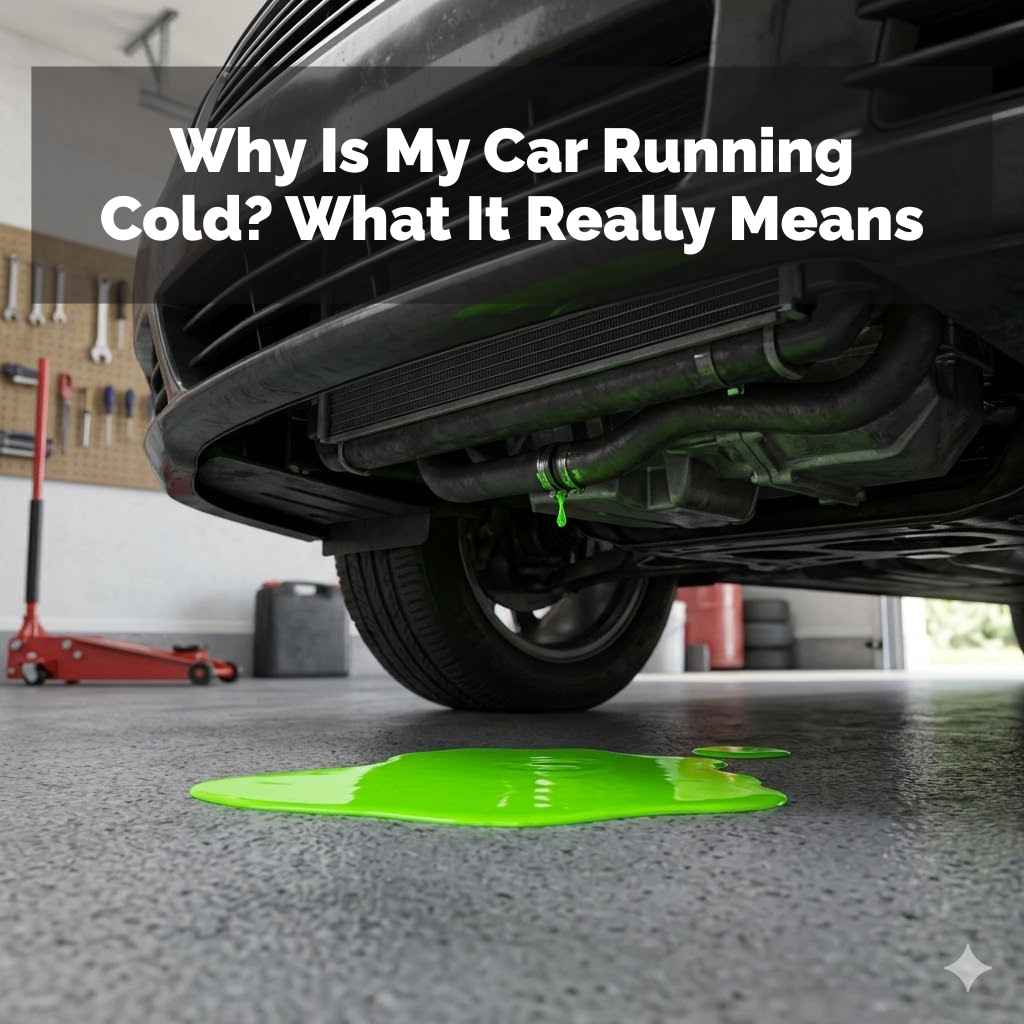
Finding a colorful puddle under your car is never a good sign. That bright green, pink, or orange liquid? That’s usually your antifreeze.
It’s a vital fluid for keeping your engine from overheating. So, when it starts leaking, it’s a cause for concern. Let’s dive into why this happens and what you can do.
Antifreeze leaks happen when the cooling system has a breach. Common causes include damaged hoses, radiator problems, a bad water pump, or issues with the thermostat or heater core. Identifying the leak’s color and location helps pinpoint the problem.
Regular checks of your coolant level and system are key to prevention.
What Is Antifreeze and Why Does It Leak?
Antifreeze, also called coolant, is a mix of chemicals. It has two main jobs. First, it stops your engine from getting too hot.
Second, it stops your engine from freezing up in cold weather. It circulates through your engine and radiator. This system is sealed.
A leak means that seal is broken somewhere.
The cooling system uses pressure to work. This pressure helps raise the boiling point of the coolant. When a part in this system gets old or damaged, it can fail.
This failure creates a way for the coolant to escape. It’s like a balloon with a tiny hole. Eventually, air or liquid will come out.
Most leaks are visible. You’ll see puddles under your car. The color can give you a hint.
Most modern antifreeze is brightly colored. This makes it easy to spot. It also helps people see leaks.
Even a small drip can become a big problem if ignored. It can lead to a very hot engine.
The Common Culprits Behind Antifreeze Leaks
Many parts work together to keep your engine cool. If any one of them fails, you might see a leak. Understanding these parts helps you know what to look for.
Radiator Woes
Your radiator is like the big heat exchanger for your engine. It’s usually at the front of your car. It has many thin fins and tubes.
Coolant flows through these tubes. Air passes over the fins to cool the coolant. Over time, radiators can rust from the inside.
They can also get hit by road debris.
A damaged radiator can develop cracks. These cracks allow antifreeze to escape. You might see leaks from the top, bottom, or sides of the radiator.
Sometimes, the plastic end tanks on the radiator can crack. This is a common failure point, especially on older vehicles. A leaking radiator needs repair or replacement.
Hose Hassles
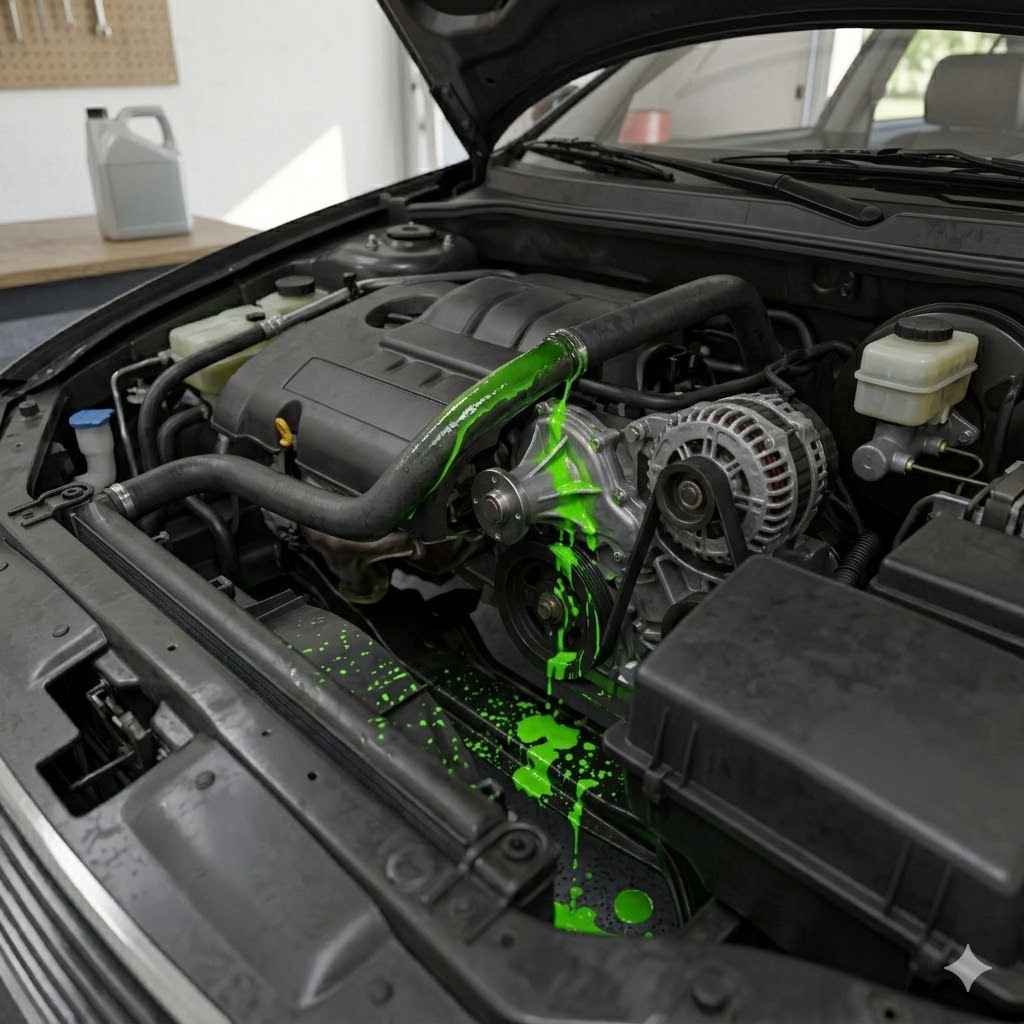
Rubber hoses carry coolant from the engine to the radiator and back. These hoses are under pressure. They also get hot.
Over years, the rubber can get brittle. It can crack, split, or swell. Clamps that hold the hoses can also loosen.
This allows coolant to seep out.
Check all the hoses connected to your radiator and engine. Look for any signs of wear. Feel them to see if they are hard or mushy.
A burst hose can cause a sudden, large leak. This is dangerous. It can leave you stranded.
Replacing worn hoses is a simple preventive step. It’s much cheaper than engine damage.
Water Pump Weaknesses
The water pump is like the heart of your cooling system. It pushes the coolant through the engine and radiator. Water pumps have a shaft and seals.
Over time, these seals can wear out. When they do, coolant can leak from the pump. Often, you’ll see a drip from a small hole on the pump body.
This leak usually drips onto the ground. Sometimes, it can run down the side of the engine. A failing water pump needs to be
Thermostat Troubles
The thermostat controls the flow of coolant. It stays closed when the engine is cold. This lets the engine warm up faster.
Once it reaches a certain temperature, it opens. This lets coolant flow to the radiator. The thermostat is usually in a housing connected to the engine.
This housing can develop leaks.
The gasket around the thermostat housing can fail. This lets coolant escape. Sometimes, the thermostat itself can fail to close properly.
This might not cause a leak but affects engine temperature. A leaking thermostat housing is usually an easy fix. Replacing the gasket seals it up.
Heater Core Horrors
Your car’s heater uses hot coolant. This coolant flows through a small radiator inside your dashboard. This is called the heater core.
If the heater core leaks, coolant can enter your car’s cabin. You might smell a sweet odor inside the car. You might also see wet spots on the passenger floorboard.
Heater core leaks can be tricky to fix. They are often located behind the dashboard. This means a lot of labor to get to them.
Sometimes, a mechanic can use a sealant. But replacement is often the best long-term solution. A steaming windshield from the inside is a sure sign of a heater core leak.
Spotting a Leak: What to Look For
Color Matters: Antifreeze comes in various bright colors like green, pink, orange, or blue. The puddle under your car will match this color.
Sweet Smell: Antifreeze has a distinct, sweet odor. You might smell this even before you see the leak.
Location Clues: The puddle’s location can hint at the source. Front leaks might be radiator or hose related. Under the engine could be the water pump or thermostat.
Inside the car suggests a heater core issue.
Visual Checks: Regularly look under your car. Check hoses and the radiator for wet spots or signs of drying fluid.
My Own Antifreeze Leak Nightmare
I remember one sweltering summer day. I was heading to a client meeting. The sun was beating down.
My car’s air conditioning was working overtime. Suddenly, a warning light flashed on my dashboard. My temperature gauge was climbing fast.
Panic started to set in. I pulled over to the side of the road.
I got out of the car. A cloud of steam billowed from under the hood. And there it was.
A big, bright green puddle spreading on the hot asphalt. It smelled overwhelmingly sweet. My first thought was, “Oh no, this is going to be expensive.” I was already late.
Now I had a breakdown too.
I popped the hood. I could see a hose near the top of the engine was split wide open. Coolant was gushing out.
It looked like a small fountain. I knew I couldn’t drive it like this. I called for a tow truck.
The mechanic later told me it was a common hose failure. The rubber had just given up. It was a good reminder to check those hoses regularly.
That day cost me time and money I didn’t have to spare.
Understanding Your Cooling System
To really grasp why leaks happen, it helps to know how the system works. Think of it as a closed loop. It’s designed to keep your engine at its best operating temperature.
This is crucial for performance and longevity. Too hot is bad. Too cold can also be bad.
The Cycle of Cooling
The engine creates a lot of heat when it runs. This heat needs to go somewhere. The coolant absorbs this heat.
It then flows from the engine block to the radiator. The radiator has a large surface area. Air flows through it.
This cools the hot coolant down. The cooled coolant then flows back to the engine.
A thermostat controls this flow. It acts like a valve. It stays closed until the engine is warm enough.
Then it opens. This allows coolant to circulate. A fan, either electric or belt-driven, helps pull air through the radiator.
This is especially important when the car is moving slowly or stopped.
Pressure and Temperature
The cooling system operates under pressure. This pressure raises the boiling point of the coolant. A radiator cap is key here.
It’s not just a lid. It’s a pressure relief valve. It keeps the system at a specific pressure.
If pressure gets too high, it opens. It lets some coolant or steam escape into a reserve tank. This prevents hoses from bursting.
When the engine cools down, the coolant contracts. This creates a vacuum. The radiator cap then lets coolant flow back from the reserve tank.
This keeps the system full. If the cap is faulty, it can’t hold pressure. This can lead to boiling over.
It can also cause leaks.
Cooling System Components Checklist
- Radiator: Cools the engine coolant.
- Hoses: Carry coolant to and from the engine.
- Water Pump: Circulates the coolant.
- Thermostat: Regulates coolant flow based on temperature.
- Radiator Cap: Maintains system pressure.
- Cooling Fan: Pulls air through the radiator.
- Heater Core: Warms the car’s interior.
- Expansion Tank/Reservoir: Stores excess coolant.
Real-World Scenarios: When and Where Leaks Appear
Leaks don’t always happen at the most convenient times. They often show up when a part is stressed. This could be during extreme heat, cold, or after many years of use.
The Summer Heat Wave
Hot weather puts a lot of strain on your cooling system. The engine works harder to stay cool. The coolant is hotter.
This makes any weak spots more likely to fail. A small crack in a hose might start to seep. A stressed radiator might start to leak at its seams.
The higher pressure from the heat is a key factor.
You might notice leaks more after driving. When you turn off the engine, the heat is still there. The coolant can expand.
This can push it out through a weak point. It’s a good time to check under your car after a long drive on a hot day.
The Winter Freeze
While leaks are common in summer, winter can also cause issues. If your coolant level is low, the system isn’t protected from freezing. Water expands when it freezes.
This expansion can crack engine blocks or radiators. This is a catastrophic failure. Always ensure your coolant has the correct antifreeze-to-water ratio for your climate.
Even if the coolant is properly mixed, extreme cold can make rubber parts brittle. Hoses can crack. Seals can become less flexible.
This can lead to leaks when the system starts to warm up. The expansion and contraction of metal parts can also stress connections.
Age and Wear
Most car parts have a lifespan. Rubber hoses degrade over time. Metal components like radiators can corrode.
Water pumps wear out. It’s just the nature of mechanical systems. A car that’s 10 years old will have more potential leak points than a new one.
Regular maintenance is key. Following your car’s maintenance schedule helps catch problems early. This includes flushing and replacing the coolant periodically.
This removes rust and debris that can damage the system. It also replenishes the anti-corrosive properties of the coolant.
Common Leak Indicators by Location
Front of Car Leak
Likely radiator or front hoses.
Under Engine Leak
Could be water pump, thermostat housing, or lower hoses.
Driver or Passenger Side
Might be a side tank on the radiator or a side hose.
Inside the Car
Strongly suggests a leaking heater core.
What This Antifreeze Leak Means for You
Seeing that puddle is the first sign. But what are the real consequences if you ignore it? It’s more than just a messy spot on your driveway.
When It’s Not a Big Deal (Yet)
Sometimes, a very slow drip might appear after you’ve had work done. For instance, if a hose was replaced, a clamp might not have been tightened perfectly. A tiny bit of coolant might escape over time.
If you notice a very small amount, and the level in your reservoir stays constant, it might be worth watching.
Another scenario is condensation. On very humid days, your AC system produces condensation. This drips under the car.
This is plain water and has no color or smell. It’s normal. If you’re unsure, touch the liquid.
If it’s clear, odorless water, it’s likely just AC condensation.
When You Should Worry Immediately
Any visible leak of colored fluid is a cause for concern. If the puddle is large, or if it’s dripping fast, stop driving the car. Continuing to drive with low coolant can cause serious engine damage.
This includes warped cylinder heads or a blown head gasket. These are very expensive repairs. Sometimes, they can total the car.
The temperature gauge is your best friend. If it starts to climb into the red zone, pull over safely. Turn off the engine immediately.
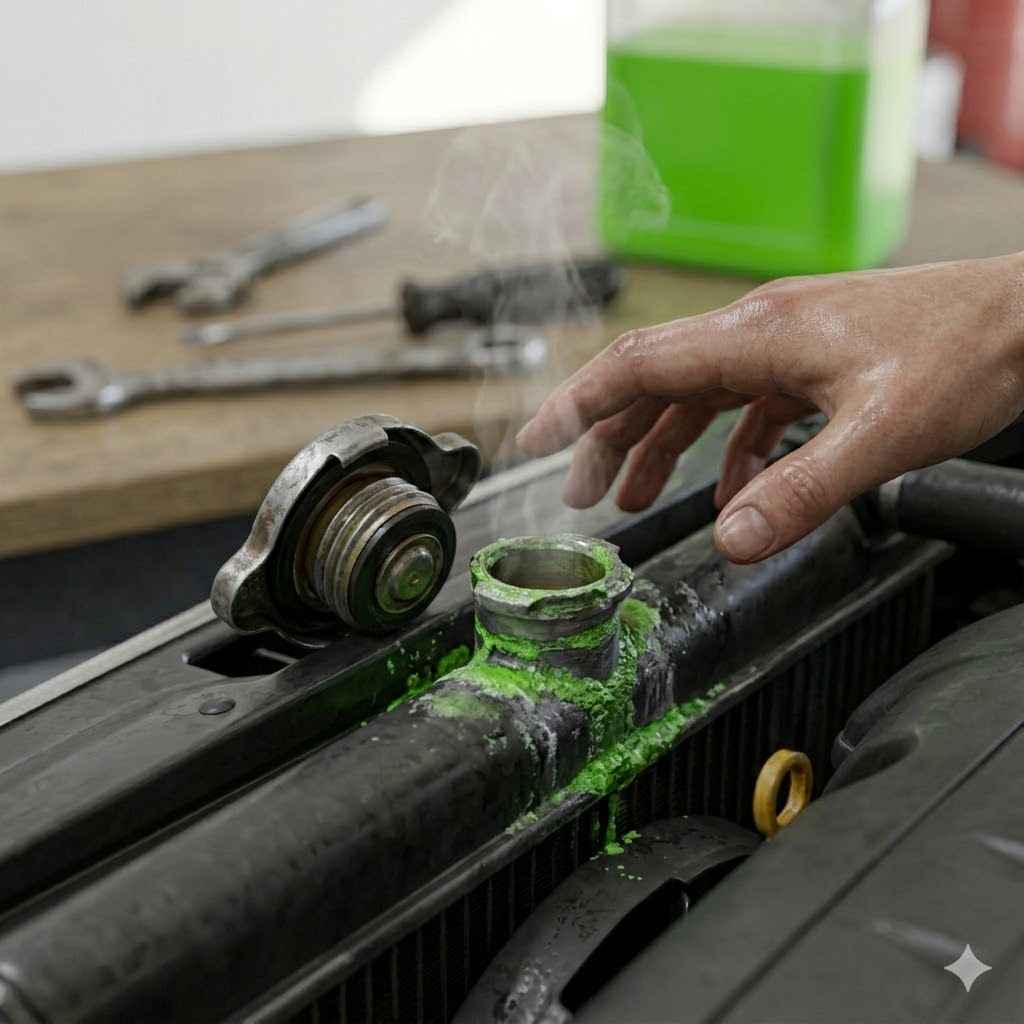
Do NOT open the radiator cap when the engine is hot. The system is under high pressure. You could be severely burned by hot steam and coolant.
Simple Checks You Can Do
Checking your coolant level is easy. Most cars have a translucent reservoir near the radiator. It has “Min” and “Max” lines.
If the level is below the “Min” line, you have a leak. You can also visually inspect hoses and the radiator for wet spots. Look for any signs of crusty, dried coolant around fittings.
Safety first: Always check your coolant when the engine is cold. Never open a hot radiator cap. If you suspect a leak, it’s best to have a qualified mechanic inspect it.
They have the tools to pressure test the system. This helps find even small, hidden leaks.
Quick Leak Check Guide
- Engine Cold: Ensure the engine is completely cool.
- Locate Reservoir: Find the coolant overflow tank.
- Check Level: Is the coolant between the MIN and MAX lines?
- Inspect Hoses: Look for cracks, bulges, or wet spots on all rubber hoses.
- Examine Radiator: Check for leaks around the core and end tanks.
- Look for Puddles: Any colored liquid under the car needs attention.
Quick Fixes and Prevention Tips
While major leaks require professional help, some minor issues or preventive steps are within reach.
Temporary Fixes (Use with Caution)
In a pinch, you might find “stop-leak” products at an auto parts store. These are additives you pour into the coolant. They contain small particles that can clog tiny leaks.
These are usually a temporary fix. They are not a substitute for repairing the actual problem. They can sometimes clog parts of the cooling system itself.
For a very minor hose leak, you might be able to temporarily wrap it tightly with specialized repair tape. This is for emergencies only. It will likely fail again.
It’s best to get the hose replaced as soon as possible.
Preventive Maintenance Is Key
The best way to avoid major antifreeze leaks is through regular maintenance. Follow your car manufacturer’s recommendations. This includes:
- Coolant Flushes: Have the coolant flushed and replaced at recommended intervals. This removes old, degraded coolant and any buildup.
- Hose and Belt Checks: Have your mechanic inspect hoses and belts at every service. Look for cracks, swelling, or fraying.
- Radiator Inspection: Check the radiator for damage, corrosion, or leaks. Keep the radiator fins clean from debris.
- Water Pump Service: Consider replacing the water pump when you do your timing belt. It’s often preventative maintenance.
- Cap Check: Ensure your radiator cap seals properly. A faulty cap can cause pressure issues.
Choosing the Right Coolant
Know Your Type: Not all antifreeze is the same. Different car manufacturers use different types. Look for the correct type in your owner’s manual.
Using the wrong type can cause corrosion or clog your system.
Mix Correctly: Antifreeze is usually sold concentrated. You must mix it with distilled water. A 50/50 mix is common.
This provides the best protection against freezing and boiling. Check the product label for instructions.
Top Off Wisely: If you need to add coolant between services, use the correct type mixed with distilled water. Never use plain water alone unless it’s an extreme emergency and you can flush it soon.
Frequent Questions About Antifreeze Leaks
What does the color of the antifreeze leak mean?
The color usually indicates the type of antifreeze used. Green was common for older cars. Pink, orange, red, or yellow are often for newer vehicles and may have longer lifespans.
However, the color itself doesn’t tell you the cause of the leak, just the type of fluid.
Can I drive my car with a small antifreeze leak?
It’s risky. Even a small leak can quickly become a big one. Low coolant can cause your engine to overheat.
This can lead to severe, expensive damage. If you see any leak, it’s best to get it checked by a mechanic as soon as possible.
How much does it cost to fix an antifreeze leak?
The cost varies greatly. A simple fix like replacing a hose or thermostat gasket might cost $100-$300. Replacing a radiator can be $300-$700.
A water pump can range from $400-$800. Heater core replacement is often the most expensive, sometimes $700-$1500 or more due to labor.
What happens if my car runs out of antifreeze?
If your car runs out of antifreeze, the engine will overheat very quickly. This can cause major damage. Metal parts can warp.
The head gasket can blow. The engine can seize up. It’s a serious situation that can lead to very costly repairs or even engine replacement.
Is it safe to add water to my antifreeze if I have a leak?
In an emergency, adding plain water can help you get to a safe place or a mechanic. However, this dilutes the antifreeze. It reduces its boiling and freezing protection.
You must have the system flushed and refilled with the correct coolant mix as soon as possible afterward. Driving with just water can lead to freezing in cold weather or boiling in hot weather.
How often should I check my coolant level?
You should check your coolant level at least once a month. It’s also a good idea to check it before long trips. Always check when the engine is cold.
If you notice the level dropping consistently, you have a leak that needs attention.
Final Thoughts on Antifreeze Leaks
Finding antifreeze under your car is a clear sign something is wrong. The cooling system is vital. Addressing leaks promptly saves you from bigger, more expensive problems.
Stay calm, identify the signs, and seek professional help when needed. Regular checks are your best defense against a hot engine.
Products related to this article
Sponsored / affiliate links. As an Amazon Associate I earn from qualifying purchases. I may earn additional commission from eligible campaigns.