Can Low Oil Cause Car to Jerk: Signs, Causes & Solutions
Have you ever felt your car suddenly jerk while driving and wondered what’s causing it? One common question is whether low oil levels could be to blame.
Your car’s smooth performance depends on many factors, and oil plays a key role. If you’re curious about how low oil might affect your vehicle and cause that unsettling jerking motion, this article will clear things up for you. Keep reading to find out what really happens when your car’s oil is running low and how you can prevent those sudden jerks from ruining your drive.
Oil’s Role In Engine Performance
Engine oil plays a vital role in keeping a car’s engine running smoothly. It helps reduce friction between moving parts and prevents overheating. Without enough oil, the engine can struggle, leading to poor performance and even damage.
How Oil Lubricates Engine Parts
Engine oil forms a thin layer between metal parts inside the engine. This layer stops the parts from rubbing directly against each other. The oil reduces friction, which helps parts move easily and quietly. It also carries away heat, preventing the engine from overheating. Good lubrication extends the engine’s life and keeps it working well.
Impact Of Low Oil On Engine Function
Low oil levels can cause the engine to jerk or run unevenly. Without enough oil, friction increases, making parts wear out faster. The engine can overheat because oil cannot cool it properly. Lack of lubrication may cause parts to stick or seize, leading to jerking motions. Low oil often triggers warning lights, signaling a serious problem. Regular oil checks help avoid these issues and keep the engine steady.
Signs Of Low Oil In Your Car
Low oil in your car can cause serious problems. Recognizing signs of low oil helps you protect your engine. Watch for these key signals to keep your car running smoothly.
Dashboard Warning Lights
The oil warning light is the first sign of low oil. It usually looks like an oil can. When this light turns on, check your oil level immediately. Ignoring it can cause engine damage.
Unusual Engine Noises
Low oil causes the engine parts to rub more. This creates strange noises like knocking or ticking. These sounds mean your engine lacks proper lubrication. Don’t ignore these warning noises.
Visible Oil Leaks
Oil spots under your car indicate leaks. Leaks reduce oil levels quickly. Check for dark, wet patches under your parked car. Leaks need fast attention to avoid low oil problems.
Engine Overheating
Oil helps cool the engine. Low oil causes the engine to overheat. You may see the temperature gauge rise or steam from under the hood. Overheating harms the engine badly.
Why Low Oil Can Cause Jerking
Low oil levels can cause your car to jerk while driving. Oil keeps the engine parts moving smoothly. Without enough oil, the engine struggles. This struggle can make your car shake or jerk unexpectedly. Understanding why low oil causes jerking helps you protect your car and avoid costly repairs.
Increased Friction And Wear
Oil reduces friction between engine parts. Low oil means less lubrication. Metal parts rub directly against each other. This causes extra friction and wear. The engine struggles to run smoothly. Jerking happens as parts catch and release unevenly. Over time, this damage worsens, increasing jerking and noise.
Oil Pump And Pressure Issues
The oil pump moves oil through the engine. Low oil can cause the pump to fail. Without enough oil pressure, the engine does not get proper lubrication. Parts inside the engine may seize or move irregularly. This irregular movement causes the car to jerk. Low oil pressure triggers warning lights on the dashboard too.
Effects On Fuel Injection And Ignition
Low oil affects engine sensors and timing. Sensors need proper lubrication to work well. Poor sensor signals cause fuel injection problems. Fuel may inject unevenly or at the wrong time. Ignition timing can also become unstable. Both problems lead to jerking as the engine misfires or stumbles.
Other Common Causes Of Car Jerking
Car jerking can stem from several issues beyond low oil levels. Identifying the exact cause helps fix the problem quickly. Some common reasons involve fuel, ignition, or transmission systems. Each plays a key role in your car’s smooth drive.
Fuel System Problems
Dirty or clogged fuel injectors often cause jerking. They disrupt fuel flow to the engine. A bad fuel pump can lower fuel pressure. This leads to uneven engine performance. Using poor quality fuel also affects smooth driving. Regular fuel system cleaning improves performance and stops jerks.
Ignition System Faults
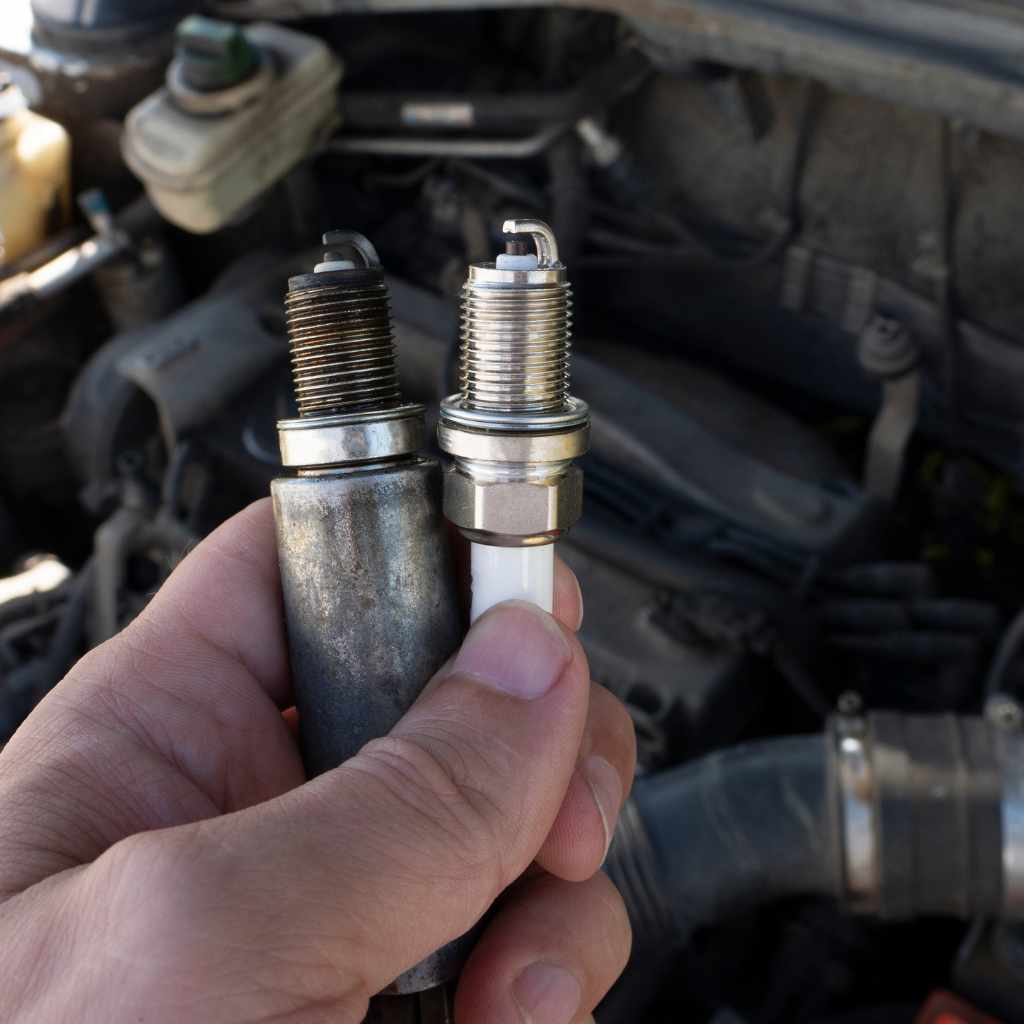
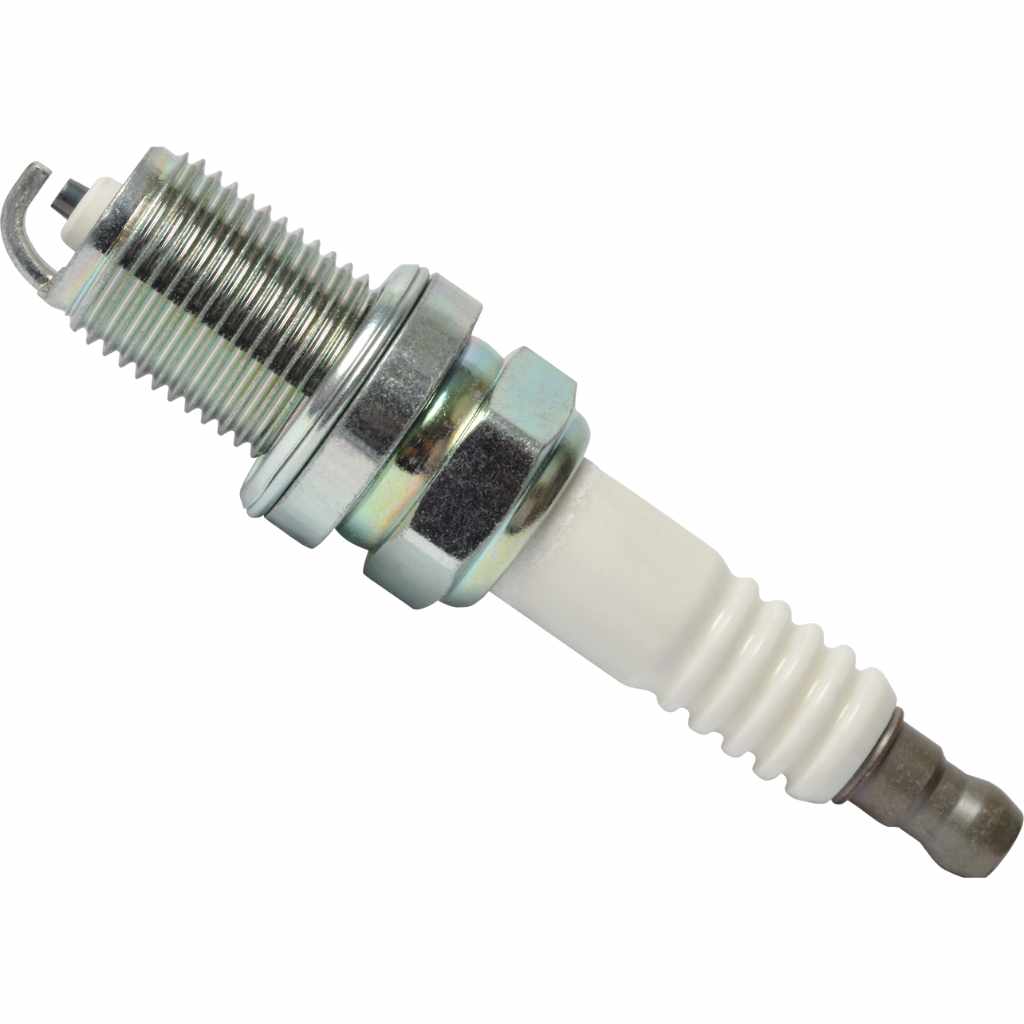
Faulty spark plugs cause weak engine sparks. This leads to misfires and jerking during acceleration. Worn ignition coils can create similar issues. Ignition timing problems also affect smooth running. Replacing spark plugs and coils fixes these faults fast. Proper ignition timing keeps the engine steady.
Transmission Issues
Transmission troubles often cause jerks while shifting gears. Low transmission fluid makes gear changes rough. Worn clutch plates in manual cars lead to jerking. Automatic transmission problems, like faulty solenoids, cause delays. Regular transmission checks prevent sudden jerks. Fixing these issues restores smooth gear shifts.
Fixes For Low Oil Related Jerking
Low oil levels can cause your car to jerk while driving. Fixing this issue starts with addressing the oil problem. Proper oil maintenance helps keep the engine running smoothly. The following steps will guide you through simple fixes to stop jerking caused by low oil.
Checking And Refilling Oil
Start by checking the oil level using the dipstick. Pull it out, wipe clean, then reinsert fully. Pull it out again and see where the oil level sits. If it is below the minimum mark, add the right type of oil slowly. Avoid overfilling, as this can cause other engine problems. Regular checks help you catch low oil before jerking begins.
Oil Change Recommendations
Change your oil at the intervals suggested by your car’s manual. Old, dirty oil loses its ability to lubricate. This can cause engine parts to stick and make the car jerk. Using the correct oil grade improves engine performance. Fresh oil helps the engine parts move smoothly and reduces jerking.
Inspecting For Leaks And Repairs
Look under your car for oil spots or puddles. Leaks cause oil to drop below safe levels quickly. Check around the oil pan, gaskets, and hoses for damage. Fix leaks promptly by replacing faulty parts or seals. Keeping oil inside prevents jerking and protects the engine from damage.
Preventing Jerking With Proper Maintenance
Proper maintenance keeps your car running smooth and stops jerking. Low oil levels cause parts to rub and wear out. This leads to engine jerks and rough rides. Small checks and regular care prevent big problems.
Regular Oil Checks
Check your oil level often. Use the dipstick to see if oil is low. Top up oil before it gets too low. Clean oil helps engine parts move without friction. This reduces jerking and keeps the engine cool.
Scheduled Oil Changes
Change your oil at the right time. Old oil loses its power to protect the engine. Follow your car’s manual for oil change intervals. Fresh oil improves engine performance and stops jerking. It also helps your car last longer.
Routine Engine Inspections
Inspect your engine regularly for signs of trouble. Look for leaks, strange noises, or smoke. Early fixes prevent engine damage and jerking. A healthy engine means a smooth ride every time.
Frequently Asked Questions
Can Low Oil Levels Cause A Car To Jerk?
Yes, low oil can cause jerking. Insufficient oil affects engine parts, causing friction and poor performance, leading to jerks.
How Does Low Oil Affect Car Engine Performance?
Low oil reduces lubrication, increases engine heat, and causes wear. This leads to rough idling, jerking, and possible engine damage.
What Are Signs Of Low Oil Causing Car Jerks?
Signs include jerking during acceleration, engine noise, overheating, and warning lights. Check oil level to prevent damage and maintain smooth driving.
Can Low Oil Lead To Transmission Jerking?
Yes, low oil affects transmission fluid levels, causing gear slipping and jerking. Regular oil checks ensure smooth transmission operation.
Conclusion
Low oil levels can cause your car to jerk during driving. Oil keeps engine parts moving smoothly and cool. Without enough oil, parts rub and create problems. This leads to poor engine performance and jerking. Checking oil regularly helps avoid these issues.
Fill oil on time to keep your car running well. Don’t ignore warning signs like jerking or strange noises. Taking care of oil keeps your engine healthy and safe. Simple steps protect your car and save money on repairs.