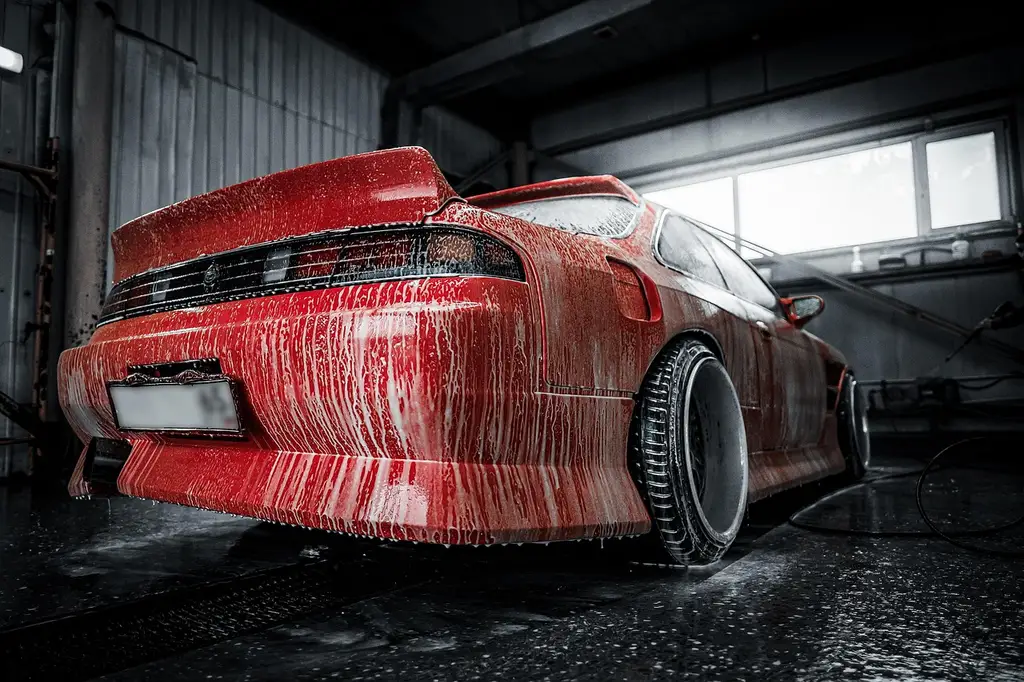
Car Wash vs Hand Wash: Which Is Better for Your Paint?
If the paint already has swirl marks, soft clear coat, or a dark finish, I would hand wash it with clean tools. If it is a daily driver and the finish is already beat up, a brushless automatic wash is the quicker call. Pick the wrong method and you can end up paying for machine-polish correction, faded trim, and scratches that show in direct sun. This guide compares wash types by paint condition, finish type, and how much risk you can live with.
This guide is part of our Car ownership essentials series.
Car wash vs hand wash: the real trade-off
The real choice is speed now or less correction later. Wash method changes how much dirt gets dragged across clear coat, trim, badges, and film edges, and I have seen that difference show up fast on black cars and soft paint. Manual washing uses buckets, quality sponges and wipes, water and soap, while automatic systems can clean vehicles in minutes.
A hand wash gives more control over pressure, towel choice, and rinse order. An automatic wash is faster, usually cheaper, and the better fit when time matters more than preserving the finish. Touchless systems sit in the middle, with less physical contact, but often stronger chemistry and less mechanical cleaning on stubborn grime.
| Decision factor | Car Wash | Hand Wash | Winner |
|---|---|---|---|
| Paint safety | Higher risk in brush or cloth systems; can create swirl marks and micro scratches | Safer when done with clean microfiber wash mitts, rinse water, and pH-balanced soap | Hand Wash |
| Speed and effort | Fast turnaround; drive-through washing is faster than hand washing | Time-intensive and more labor-heavy | Car Wash |
| Spotting and drying control | Can leave watermarks if vehicles do not air-dry well | Better drying control with towels and final wipe-down | Hand Wash |
| Finish-specific fit | Acceptable for older daily drivers and rougher finishes; brushless is safer than brushed | Best for coated cars, soft paint, PPF, and dark colors | Hand Wash |
| Repeat correction risk | Higher chance of hidden long-term correction cost from repeated contact and grime traps | Lower risk if technique stays clean and gentle | Hand Wash |
Paint safety and scratch risk
Hand washing wins on paint safety because you control the wash medium from start to finish. A microfiber wash mitt matters because it helps trap dirt away from the paint instead of dragging it back across the panel.
Automatic systems are not all the same. Brushes, cloth strips, and even some touchless setups can still leave marks if the vehicle is dusty, gritty, or not rinsed well first. Swirl marks often start as micro-scratches and become easier to see when sunlight hits the hood or doors.
Speed, effort, and repeat cost
Automatic car wash systems win the speed contest every time. That is why they fit drivers who need a fast reset after road salt, rain, or a week of commuting.
Hand washing costs more time, but the hidden cost can be lower if the paint stays cleaner longer. Repeated machine wash contact may save time today but lead to paint correction later, especially on dark cars or softer clear coats.
Water use, drying, and spotting
Water spotting is one of the easy-to-ignore failures of automated washing. If a car does not dry well, mineral residue can be left behind and may mark glass, trim, and horizontal panels.
Manual drying gives more control over that last step. A clean towel and a careful final wipe cut spotting risk, while rushed drying or dirty towels can wipe out the gain.
Best-fit use case for each method
In many cases, brushless or touchless automatic washing is a practical choice when the vehicle already shows wear, convenience matters, and the main goal is to remove grime quickly. Brushless or touchless is the safer pick inside the automatic category.
Hand wash fits better when finish condition matters, the car has ceramic coating or PPF, or the owner wants to protect resale value. The more visible the paint, the more that extra care pays off.
Is hand wash better for paint?
For paint preservation, yes, hand wash is usually better when it is done with clean tools, controlled pressure, and proper drying. The gain comes from cutting down uncontrolled contact, especially on dark paint, soft clear coat, and cars that already show light swirls.
Where microfiber wash mitts help
Microfiber wash mitts hold debris away from the paint surface better than rough sponges or dirty towels. That matters because dirt is the part that cuts clear coat, not water itself.
Quality mitts still fail if they are dropped, reused dirty, or rinsed in contaminated water. Tool hygiene matters as much as the mitt material.
Why pH-balanced soap matters
pH-balanced car wash soap is gentler chemistry for routine cleaning and is commonly used in professional hand washing. It helps preserve waxes, sealants, and the slick feel that coatings need to shed dirt.
Strong cleaners are not always wrong, but they are easier to overuse. On a coated or freshly polished car, the wrong soap choice can shorten the period where the paint stays easy to clean.
Common hand-wash mistakes that still cause marks
- Using one bucket and reloading grit onto the mitt.
- Washing from bottom panels up, then dragging grit onto cleaner areas.
- Skipping a full rinse before contact wash.
- Using old towels that trap sharp debris.
- Letting the car air-dry after a hot-day wash.
A careful hand wash is safer, but it is not magic. Dirty mitts and bad drying habits can still leave marks, especially on black paint and soft finishes.
Does an automatic car wash damage paint?
It can, especially brush and cloth systems that hold trapped grit against the surface. The usual damage pattern is gradual: first swirl marks, then duller gloss, then correction work that gets more expensive the longer it is ignored.
Brushes, cloth strips, and trapped grit
Automatic systems are built for specific steps, and some are better than others. Even so, spinning brushes or cloth strips can carry contamination from a previous vehicle and rub it into your paint.
That is why older or heavily used machines are the risky ones. If the wash media is not cleaned often, every car in line shares the same debris.
Why edges, badges, and trim fail first
Edges, badges, mirrors, and textured trim collect dirt and get hit by repeated contact. Those spots are also where wear shows up early, because the wash material catches on sharp transitions instead of sliding across a flat panel.
Some automatic washes may miss parts of the vehicle less often than hand washing, but that does not mean those areas are safer. It often means the machine does not scrub them as well, which leaves grime behind on crevices and around emblems.
Water spots and swirl marks over time
Automated washes may leave watermarks if vehicles do not air-dry well. On top of that, repeated contact can build micro-scratches that become swirl marks in direct light.
That does not make every automatic wash a disaster. It does mean the paint cost is cumulative, not one-time.
How ceramic coating and PPF change the answer
Ceramic coating and paint protection film change the wash choice because both finishes reward low-contact cleaning. A coated car still needs careful washing, and a film-covered car is sensitive around edges where lift or abrasion can start.
Why coated cars still need careful washing
Ceramic coating can be degraded by harsh automatic wash chemicals, especially in systems that rely on stronger detergents. Gentle washing keeps the hydrophobic behavior working longer and helps the coating stay slick.
That is why a hand wash often fits coated vehicles best. It lowers the chance of stripping the surface feel that made the coating worth paying for.
When touchless is a compromise and when it is not
Touchless car wash uses high-pressure water and detergents without spinning brushes, so it cuts physical contact risk. That makes it a reasonable middle ground for drivers who need speed but want less rubbing on paint.
The trade-off is chemical strength and cleaning depth. On heavy grime, touchless often depends on stronger chemistry and may not remove bonded dirt as well as a careful hand wash.
Why low-contact washing matters for film edges
Paint protection film often does better with low-contact washing because edges, seams, and top layers can be disturbed by aggressive brushing. If the film is already aging, a machine wash can catch weak edges sooner.
For PPF cars, the safest routine is usually a gentle hand wash or a true touchless wash when time is tight.
Decision matrix: which wash method fits your car?
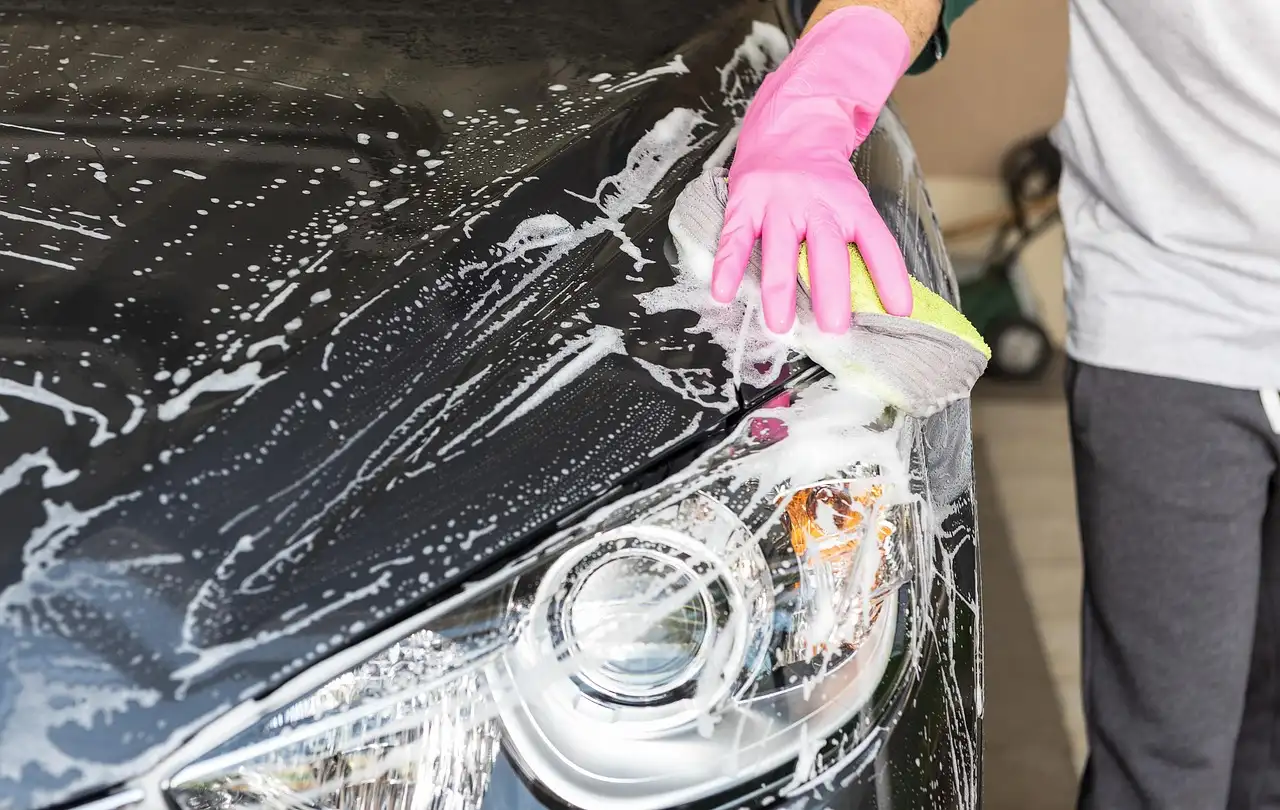
This is where the answer stops being generic. Vehicle type, finish condition, coating status, climate, and time budget all change the risk profile, and the right choice for a lease return is not the right choice for a black weekend car.
| Vehicle / condition | Paint or coating status | Climate / use pattern | Best wash method |
|---|---|---|---|
| Dark-colored garage-kept car | Clean paint, visible gloss matters | Dry climate, weekend use | Hand wash |
| Daily driver with existing swirls | Already marred, resale still matters | Mixed weather, limited time | Touchless car wash |
| Ceramic-coated car | Coating present, hydrophobic finish wanted | Any climate, regular maintenance | Hand wash |
| PPF-covered front end | Film edges and glossy finish need care | Road debris, frequent highway use | Hand wash |
| Work truck or winter beater | Higher wear tolerance | Salt, mud, repeated cleaning needs | Automatic car wash, preferably brushless |
| Lease return or resale prep | Paint condition affects resale value | Short runway before sale | Hand wash |
Vehicle type and usage pattern
Daily drivers often end up in automatic washes because time is tight and the car gets dirty again quickly. That is fine for a workhorse, but a specialty car may be better suited to hand washing because the finish matters more than the minutes saved.
Paint condition and existing swirl marks
If swirls are already present, the goal changes from perfect prevention to stopping the damage from getting worse. A brushless or touchless wash can limit further contact, but a hand wash remains the better choice if the owner wants to preserve or correct the finish later.
Coating status, climate, and time budget
Ceramic coating and PPF both push the decision toward low-contact care. Cold, salty weather pushes some drivers toward automatic convenience, yet the correction bill later can be larger if the wash method keeps grinding contamination into the surface.
Choose Car Wash if… / Choose Hand Wash if…
Choose Car Wash if the car is a high-mileage daily driver, the paint already has visible wear, the budget for appearance is limited, or the main goal is quick removal of road grime. Brushless or touchless is the better pick within that camp.
Choose Hand Wash if the car has ceramic coating, PPF, dark paint, fresh correction work, or resale value you want to protect. It is also the better choice when you can spend the time to clean tools, rinse properly, and dry without dragging grit across the finish.
Safe hand-wash checklist
- Rinse loose dirt off before any contact.
- Use separate wash and rinse buckets when possible.
- Use a clean microfiber wash mitt, not a worn sponge.
- Start at the roof and upper panels, then move lower.
- Rinse the mitt often so grit does not build up.
- Give extra care to badges, trim, fuel doors, and panel edges.
- Dry with clean microfiber towels instead of air-drying in the sun.
Frequently asked questions
is hand wash better than car wash
For paint safety, hand washing is usually better because it gives more control over contact pressure, towel cleanliness, and drying. Automatic washes are faster and easier, but repeated machine contact can build swirl marks and micro-scratches, especially on dark paint and soft clear coats.
touchless car wash vs hand wash
Touchless car wash is the better compromise when speed matters and you want to avoid brushes, but it still leans on stronger detergents and may miss stubborn grime. Hand wash is safer for finish preservation, especially on ceramic-coated cars, PPF, and vehicles that already show swirl marks.
automatic car wash vs hand wash reddit
Forum debates usually split between convenience and paint caution for a reason. Automatic washes win on speed and low effort, but hand washing wins when the owner cares about long-term gloss, fewer marks, and lower correction costs later.
what is safer for paint: hand wash or automatic wash
Hand wash is safer for paint when it is done correctly with microfiber mitts, pH-balanced soap, and clean drying towels. Automatic washes can be acceptable for rougher daily drivers, but brush and cloth systems are more likely to create swirl marks and trim wear over time.
is a hand wash worth it for ceramic coated cars
Yes, because ceramic coating still needs gentle maintenance to keep its water-beading and slick feel. Harsh automatic wash chemicals and repeated contact can shorten that effect, while a careful hand wash helps the coating last longer and keeps the finish easier to clean.
how often should I wash my car by hand
Wash it by hand whenever dirt, salt, or road film starts to sit on the surface long enough to dry hard or stain. The right interval depends on weather and use, but the goal is to avoid letting contamination bake on and to reduce the need for stronger cleaning later.
Products related to this article
Sponsored / affiliate links. As an Amazon Associate I earn from qualifying purchases. I may earn additional commission from eligible campaigns.