Changing Odometer Miles Is Illegal- What You Should Know
If you’re new to cars or maybe thinking about buying one, you might wonder about the rules around how many miles are on a vehicle. The topic of Changing Odometer Miles Is Illegal — What to Know can seem confusing, and it’s easy to get lost in the details. Don’t worry, though! It’s actually pretty straightforward. This post will break it down into simple steps, so you can easily grasp what’s allowed and what’s not. We’ll explore the whole process step-by-step.
What Does It Mean to Tamper with an Odometer?
Tampering with an odometer means changing the number of miles it shows. This can be done in a bunch of ways, like rolling back the numbers, replacing the whole odometer with one that shows fewer miles, or using special tools to alter the numbers electronically. People might try to do this to make a car seem like it’s been driven less than it really has. This makes the car look more valuable since cars with lower miles usually cost more.
The goal of odometer tampering is to trick buyers. It’s considered fraud because it misleads people about the car’s true condition and value. For example, a car that looks like it has only 50,000 miles might actually have 150,000. That’s a huge difference when it comes to how worn out the engine and other parts are. The practice has serious legal and financial consequences.
How Odometer Tampering Works
There are several methods used to alter the mileage a car shows. These methods can be as simple as changing the numbers on a mechanical odometer or more complex, involving digital manipulation. These are some ways it can be done:
-
Mechanical Odometer Manipulation: Older cars have odometers that work using gears and cables. Dishonest individuals can disconnect the cable to stop the mileage from increasing, or they can use tools to manually roll back the numbers. This is one of the more straightforward ways to cheat.
Think about an old bicycle speedometer. If you turn the wheel backward, the numbers on the speedometer also go down. Mechanical odometers are similar; manipulating the rotating parts can change the reading.
-
Digital Odometer Manipulation: Newer cars have digital odometers, and these are controlled by computer systems. Tampering with these involves changing the data stored in the car’s computer. It requires specialized equipment and knowledge, often including reprogramming the car’s electronic control unit (ECU).
Imagine a digital clock. To change the time, you need to access the settings. Digital odometers are similar: changing the mileage requires accessing and altering the data in the car’s computer system.
-
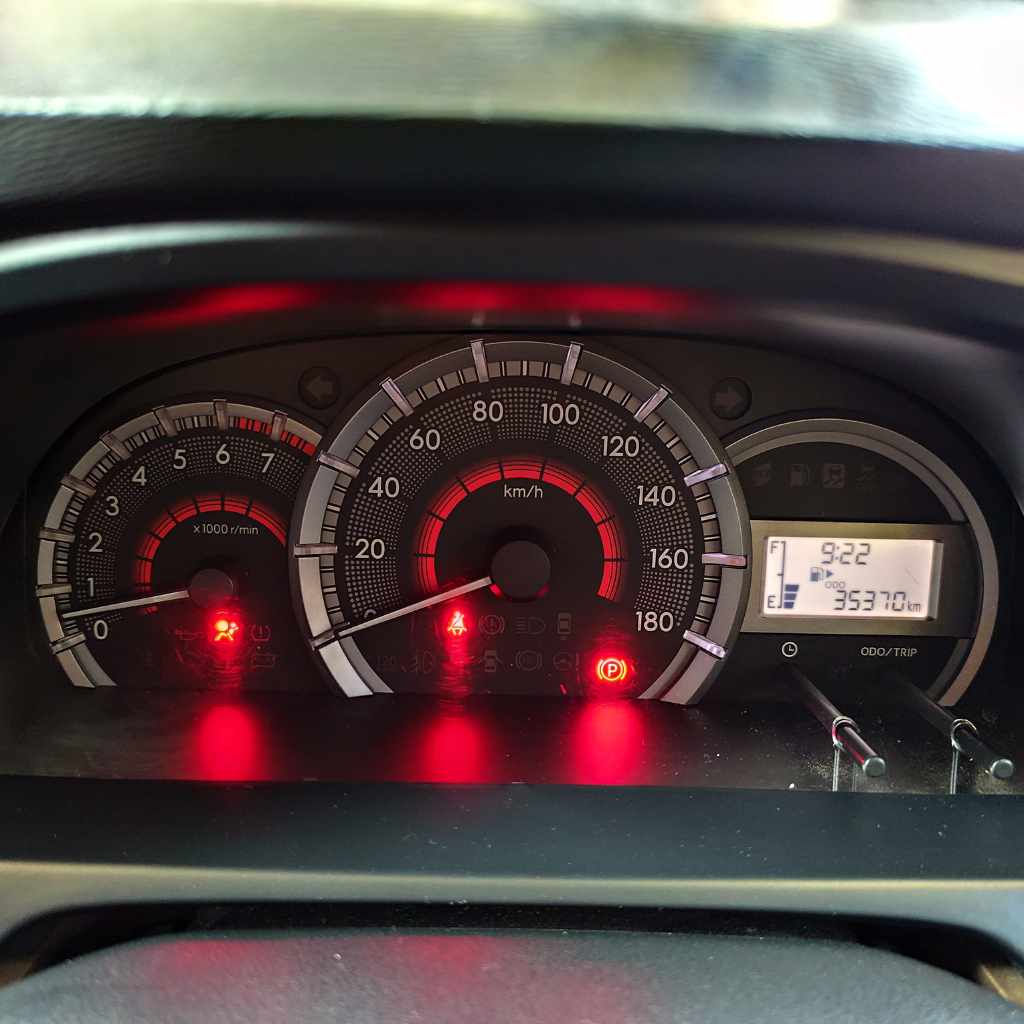
Odometer
It’s like switching the clock on your wall with one that shows an earlier time to make it seem like less time has passed. This is a clear attempt to deceive and gain an unfair advantage.
-
Dashboard Software Modifications: With advanced technology, some people attempt to modify the software in the car’s dashboard. This might involve hacking into the car’s computer system or using tools to change the mileage displayed. This is a very complex method requiring specialist skills.
This is akin to changing the code of a video game to cheat. Those attempting it need a deep understanding of software and car computer systems to alter the mileage without leaving traces.
Why It’s Against the Law
Changing a car’s odometer reading is illegal because it deceives buyers. When someone buys a car, the number of miles is a huge clue about how well the car has been maintained and how much life it has left. If the odometer has been altered, the buyer doesn’t get accurate information and might pay too much.
The government and consumer protection agencies want to make sure car buyers are treated fairly. They create and enforce laws to stop odometer fraud. These laws help protect people from being tricked into buying a car that is not what it seems. These laws help keep the car market honest and safe.
The Legal Problems with Tampering
Altering a car’s odometer isn’t just a simple mistake; it’s a serious violation. There are several legal problems that can come from doing this, ranging from fines to criminal charges. The penalties depend on the specific laws in the location where the act happened, but they are consistently tough.
Understanding the legal trouble associated with odometer fraud is important for anyone considering buying, selling, or working on cars. It’s all about doing what’s right and protecting people from being cheated.
Federal and State Laws
The laws about odometers are found at both the federal and state levels. Federal laws set a base level of protection, and state laws often add more detail or stricter rules. The federal government, through agencies like the National Highway Traffic Safety Administration (NHTSA), sets standards and regulations. States then enact their own versions, which might include specific penalties and enforcement methods.
-
Federal Regulations: The federal government has laws to stop odometer fraud. These laws require accurate odometer readings and prevent tampering. They make it a crime to disconnect, reset, or change an odometer with the intention of deceiving someone.
The goal of these federal regulations is to create a unified standard across the country. They make sure car buyers across the United States are protected from odometer fraud, no matter where they live.
-
State Laws: Each state has its own specific laws about odometers, which might include particular penalties, like fines or jail time. Many states have consumer protection laws that make odometer tampering a form of fraud. They also set up methods for investigating odometer fraud, such as through the state’s department of motor vehicles (DMV).
State laws can address local problems and offer additional protection to residents. State laws can also provide methods for reporting fraud and helping victims recover damages.
-
Legal Consequences: The legal trouble associated with odometer fraud can include both civil and criminal penalties. Civil cases might involve lawsuits to get back financial losses, such as the difference in value between the car’s real mileage and the altered reading. Criminal charges can lead to fines, imprisonment, or both.
Penalties can vary greatly depending on the seriousness of the fraud and the specific laws in the jurisdiction. It’s a legal issue that can have serious implications for anyone involved.
Reporting and Penalties
If you suspect odometer fraud, it is essential to know how to report it and what possible penalties there are. Reporting fraud is important to protect others and to help bring the offender to justice. Penalties are set to punish those who break the law and deter others from committing fraud.
-
How to Report Odometer Fraud: If you think someone has altered a car’s mileage, you should report it to the proper authorities. This usually means contacting your local police department or the state’s DMV. You can also report it to the NHTSA. Be ready to provide evidence, like the car’s paperwork, repair records, or any other details you have.
Providing as much information as possible will help authorities investigate the claim thoroughly. The more evidence you have, the better chance they have of finding the truth.
-
Penalties for Violators: The penalties for odometer fraud can vary widely. They often include significant fines, depending on the severity of the violation and the jurisdiction. Jail time is also a possibility, especially for serious cases or repeated offenses. In addition to criminal penalties, the offender might have to pay civil penalties, like compensating the victim for financial losses.
The consequences for odometer fraud are meant to be harsh enough to discourage the practice. Criminal charges can leave a mark on a person’s record, while fines can put a serious strain on finances.
-
Victim Compensation: If you’re a victim of odometer fraud, you can seek compensation for your losses. This could include the difference in the car’s value due to the altered mileage, repair costs, and legal fees. You might be able to file a lawsuit against the person who tampered with the odometer.
The goal is to help victims recover financially from odometer fraud. The law is designed to give victims a way to make themselves whole.
Common Scenarios and Examples
Understanding how odometer tampering happens in the real world is key to protecting yourself. Here are some situations you may see where odometer fraud occurs, including practical examples of what can happen.
By understanding these common scenarios, you can better recognize the warning signs of odometer tampering and protect yourself from being a victim. It is important to know how to spot the red flags and take steps to verify the car’s mileage.
Example Scenario 1: The Used Car Flip
A car dealer buys a used car at auction. The car has high mileage, but the dealer wants to make more money on the sale. The dealer adjusts the odometer to show fewer miles and sells the car at a higher price.
In this situation, the car buyer might pay extra because they think they’re buying a car with less wear and tear. If the buyer later discovers the odometer has been changed, they can sue the dealer for fraud. This can lead to financial loss for the dealer and a tarnished reputation.
Example Scenario 2: The Private Seller’s Deceit
A private seller wants to sell their car. The car has been driven a lot, and the seller knows it won’t sell for much. They change the odometer to show fewer miles to attract more buyers and get a higher price.
If the buyer doesn’t check the car’s history carefully, they might be tricked into overpaying. When the buyer finds out about the fraud, they might file a police report, seek legal action, and damage the seller’s reputation and financial standing.
-
Example 1: The “Too Good to Be True” Deal: Imagine you find a used car online. It’s a late-model vehicle, in excellent condition, with a surprisingly low number of miles and a low price. However, when you inspect the car more closely, you notice the tires are worn, and the interior seems to have more use than the odometer reading suggests. This could mean the odometer has been tampered with.
A clear example is discovering that the car’s actual usage is much greater than what the odometer shows. The discrepancy should set off alarms. Always verify information to protect yourself from fraud. Don’t be afraid to ask for a vehicle history report or have the car inspected by a professional mechanic to confirm the mileage.
-
Example 2: The Carfax Report Mismatch: You’re buying a used car and see the odometer reading is, for example, 40,000 miles. You get a Carfax report, and it lists maintenance records with higher mileage, which don’t match the current reading.
In this case, the Carfax report could show discrepancies. This mismatch indicates possible tampering, which can involve a rollback, replacement, or other manipulation. Always look for these inconsistencies to avoid fraud. The report can protect you by providing a history of the car. If there are inconsistencies, further investigation is needed.
-
Example 3: The Dealer’s “Special Offer”: You go to a used car dealership and see a car with very low mileage that seems like a great deal. The sales representative is eager to make a sale, and the price is very attractive. You see some wear that doesn’t align with the odometer reading.
In this situation, the dealer wants to make a deal and might offer incentives to convince you to buy. But, when inspecting the car, the appearance is inconsistent with the mileage. This should be a red flag. Always question a low price with low mileage when something doesn’t look correct. Do research before committing to a purchase. Investigate the car’s history before taking the plunge.
How to Spot and Prevent Odometer Fraud
Knowing how to spot odometer fraud is an important skill. Protecting yourself from tampering takes a little care and attention to detail. This includes some quick steps you can take to make sure you’re not tricked.
Being alert and careful can prevent major problems down the road. It helps you make smart buying decisions and protects your wallet.
Warning Signs
There are red flags you can look for to see if a car’s mileage has been changed. Knowing these can help you decide whether to buy a car or if you should look for one somewhere else. Pay attention to:
-
Inconsistent Appearance: If the car’s condition doesn’t match the mileage. For instance, the seats, steering wheel, or pedals may show excessive wear and tear for the odometer reading.
For example, if a car shows 30,000 miles but the seats are ripped, the steering wheel is worn smooth, or the tires are bald, there’s a good chance the odometer has been tampered with.
-
Vehicle History Report Discrepancies: Examine a vehicle history report, such as Carfax or AutoCheck. These reports often show mileage readings. If the odometer reading has changed significantly in the report, it could be a sign of fraud.
You may also discover records of mileage that don’t match the current reading. This could happen if there are reports of service records, or inspections. These reports can provide a complete picture of the vehicle’s past.
-
Odd Odometer Readings: Check the odometer itself. Make sure the numbers align correctly. Digital odometers are not always easy to assess but check for any unusual visual aspects. If you see any signs that numbers have been altered, such as misaligned digits, that is a red flag.
A mechanical odometer with misaligned numbers could be a sign of tampering. Digital odometers can have unusual characters or errors, so also look for those. These are signs that the car’s mileage may not be accurate.
-
Suspicious Seller Behavior: If the seller seems eager to make a quick sale or avoids answering questions about the car’s history, it could mean that they have something to hide. Trust your instincts. If something feels off, that could be a red flag.
Look out for evasive responses or a hesitation to provide information. It’s smart to step back and investigate further if the seller seems unwilling to fully cooperate.
Steps to Take
To avoid being fooled by odometer fraud, there are steps you can take. These steps help you protect yourself and make sure you’re buying a car with accurate mileage. Doing your homework is the key.
-
Get a Vehicle History Report: Always get a vehicle history report before buying a used car. Services like Carfax and AutoCheck provide records of the car’s past, including mileage readings, service records, and accident information.
A vehicle history report can identify red flags. These reports can help you spot inconsistencies and verify whether the mileage matches the car’s service history. These reports give you a better overview of a vehicle.
-
Inspect the Car’s Condition: Look closely at the car’s condition. Check the interior and exterior for signs of wear and tear that don’t match the mileage. Check the tires, pedals, and seats.
Check the wear and tear to confirm it matches the odometer reading. This should give you a general idea of how the car was treated. Take your time to get a realistic picture of the vehicle’s real condition.
-
Get an Independent Inspection: Before you buy, have a mechanic inspect the car. A skilled mechanic can identify mechanical issues and check for signs of tampering. They can also tell you about the engine and other parts that could be problematic.
A professional inspection can give you a better idea of what you are getting. It can help you find hidden issues, or verify the condition of the vehicle. This step can protect you from getting a bad car.
-
Check the Title: Carefully review the car’s title. Make sure the odometer reading on the title matches the reading on the car. Check the dates of the readings on the title to see if the mileage increases logically over time.
This is a fundamental step to confirm that the odometer is legitimate. The title gives you the history of the car. This can offer a clear understanding of the vehicle’s past. A clean title is essential.
Frequently Asked Questions
Question: What should I do if I suspect odometer fraud?
Answer: If you believe there has been odometer fraud, contact your local police department or the state’s DMV. Gather any evidence, such as the car’s records, photos, or anything else you have.
Question: What are the penalties for changing an odometer?
Answer: Penalties can vary but often include hefty fines, and in serious cases, jail time. You may also face civil penalties like compensating the victim.
Question: Is it legal to replace an odometer?
Answer: Yes, but only if the replacement odometer shows the actual mileage. You must document the change and provide the original and the new readings, plus the date of the change.
Question: Can I roll back my odometer?
Answer: No, it is illegal to turn back an odometer to show lower mileage.
Question: Where can I get a vehicle history report?
Answer: You can get a vehicle history report from services like Carfax and AutoCheck. These reports give a history of the car, including mileage and service records.
Final Thoughts
Changing Odometer Miles Is Illegal — What to Know is not a complex topic, but it’s an important one. We’ve explored the core problem, the methods people use, and the serious legal troubles that follow. We’ve covered the basics of how odometer tampering works, the laws, how to spot it, and the simple ways to stay safe. Remember, this is all about making sure car buyers get a fair deal. Knowing the rules and paying attention can keep you from being cheated.
Now that you’re in the know, you are better equipped to protect yourself when buying or selling a car. Always get a vehicle history report, carefully inspect the car, and trust your gut. If something seems off, it probably is! By being careful and informed, you can make sure your car-buying experience is a good one, saving you money and stress.