Best Car Cleaning Brushes for Interior, Exterior and Wheels
The best car cleaning brush depends on where you’re cleaning: soft nylon or boar’s hair brushes protect interior plastic, vents, and emblems, while a stiffer long-handle wash brush with a wheel head handles exterior grime and brake dust without scratching paint.
A single all-purpose brush can’t safely do both jobs. The bristle stiffness that scrubs brake dust off a wheel would leave fine swirl marks on a dashboard, and a brush soft enough for leather seats won’t touch caked-on road grime. Below are three real, in-stock picks that cover the interior detailing, budget multi-brush, and full exterior wash jobs, followed by a buying guide that explains what actually matters when you’re comparing bristle types.
Our Top Picks for a Car Cleaning Brush
Each pick below targets a different part of the car. Prices and stock status were verified against Amazon at the time of publishing.
1. Best for Interior Detailing
BEST FOR INTERIOR DETAILING
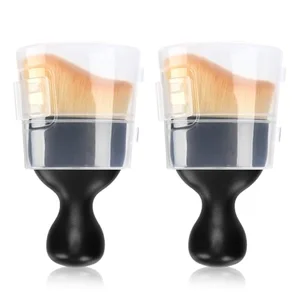 |
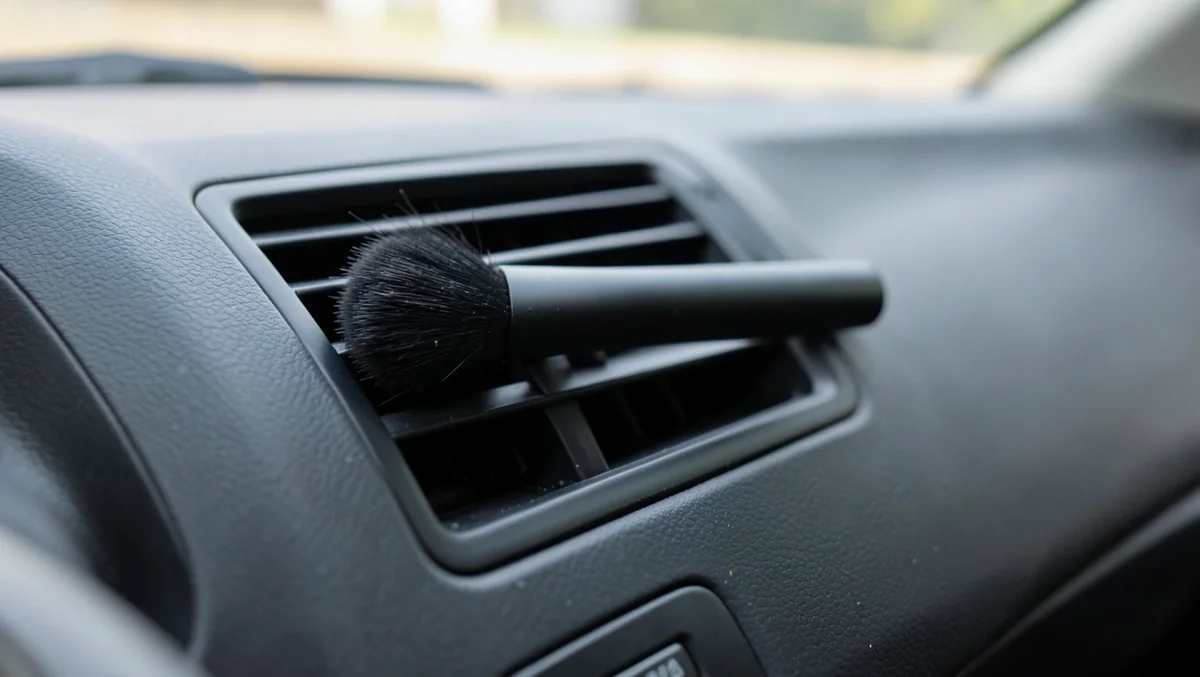
Car Interior Detailing Brush 2-Pack (Curved Dust Collector Brushes) – $4.49 Soft synthetic bristles in a curved head that follows the shape of vents, dash seams, and cupholders without scratching plastic or trim.
|
2. Best Value: 4-Piece Multi-Brush Set
BEST VALUE – 4-PIECE SET
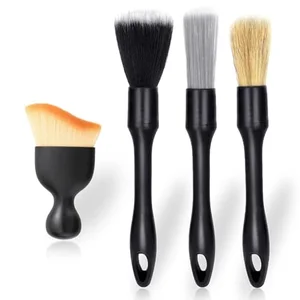 |
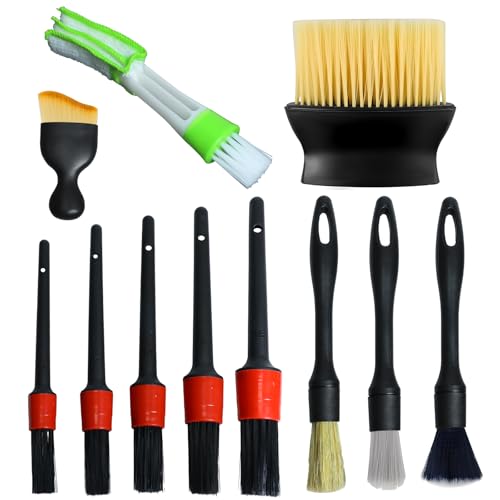
Pinnyfeir 4-Piece Boar’s Hair Detailing Brush Set – $7.99 Four differently sized boar’s-hair brushes so you have the right head width for emblems, air vents, wheel spokes, and leather upholstery in one set.
|
3. Best for Exterior Washing
BEST FOR EXTERIOR WASHING
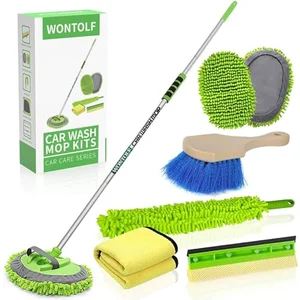 |
Wontolf 62-Inch Long-Handle Car Wash Brush Kit – $23.99 A telescoping wash brush with a chenille microfiber mop head, plus a separate wheel and tire brush, squeegee, and drying towels in one kit.
|
How to Choose the Right Car Cleaning Brush
Match the bristle material to the surface
Bristle stiffness is the single biggest factor in whether a brush helps or harms your car. Wheels need firmer bristles to break up baked-on brake dust, while painted panels, dashboards, and leather need something soft enough that it can’t bite into the surface. Detailing forums and manufacturers consistently point to boar’s hair as a middle-ground option: it’s stiff enough to work textured interior plastic loose from grime, but soft and dense enough to rinse clean without scratching painted or polished surfaces. Full synthetic bristles are the better choice specifically for scrubbing heavy grease or brake dust off wheels, since they don’t stain or hold onto residue the way natural hair can over repeated use.
Size and shape for the job
A large flat brush or mop head covers a hood or roof quickly. A narrow, curved detailing brush is what actually gets into vent slats, badge lettering, and seat seams. Buying one brush for the whole car usually means it’s the wrong size for at least half the jobs you use it for – that’s the reason multi-brush sets and kits with a separate wheel head consistently outperform a single all-purpose brush.
Handle comfort and reach
For small detailing brushes, an ergonomic handle that doesn’t slip when wet matters more than it sounds – you’ll be gripping it for several minutes at a stretch on interior work. For exterior wash brushes, a telescoping or extra-long handle lets you reach the roof of an SUV or truck without a step stool, and keeps you from leaning your body weight (and belt buckle or watch) against the paint.
Durability and storage
Cheap synthetic bristles flatten and shed after repeated washes, while boar’s hair and quality nylon hold their shape for longer. A brush that comes with a protective cover or a hook for hanging stays cleaner between uses and lasts longer than one tossed loose in a trunk or bucket.
How to Use a Cleaning Brush Without Scratching Your Car
- Rinse the surface first so loose grit doesn’t get dragged across the paint or plastic by the bristles.
- Use a separate brush for wheels than the one you use on paint or interior trim – brake dust is abrasive and will contaminate a soft brush.
- Let the brush and a lubricating soap do the work; heavy pressure grinds trapped dirt into the surface instead of lifting it off.
- Rinse the brush frequently in clean water while you work, and rinse it thoroughly again after you’re done.
- Let bristles air-dry fully, ideally with the cover on or hung up, so they don’t stay damp and start to mildew or lose their shape.
Frequently Asked Questions
What Is the Best Brush for Cleaning a Car?
It depends on the surface. A soft synthetic or boar’s hair brush is best for interior plastic, dashboards, and leather, since it cleans without scratching. For wheels and heavy exterior grime, a stiffer dedicated wheel brush handles brake dust better without contaminating the brush you use on paint.
How Often Should You Clean a Car With a Brush?
Most owners get good results washing the exterior weekly and brushing out interior vents, cupholders, and crevices every one to two weeks. How often you should wash your car also depends on your climate and how much road salt, pollen, or dust you’re driving through.
Can a Cleaning Brush Damage My Car’s Paint?
Yes, if the bristles are too stiff or picking up grit. A brush with hard synthetic bristles, or one that’s been used on wheels and then on paint without rinsing, can leave fine scratches and swirl marks. Stick to a soft boar’s hair or dedicated wash brush for painted surfaces and keep your wheel brush separate.
Are Boar’s Hair Brushes Better Than Synthetic for Car Detailing?
Boar’s hair generally wins for painted or polished surfaces because it’s stiff enough to loosen dust and grime but soft and dense enough to rinse clean without scratching. Synthetic bristles are usually the better pick for scrubbing heavier grease or brake dust off wheels, since they resist staining and don’t hold onto residue the way natural hair can with repeated use.
How Do You Clean the Brush After Using It on a Car?
Rinse it thoroughly in clean water to flush out dirt trapped at the base of the bristles, shake out excess water, and let it air-dry completely before storing it – ideally with its cover on or hung up so the bristles keep their shape.
The Bottom Line
One brush rarely does every job well. A soft interior detailing brush protects your dashboard and vents, a boar’s hair set covers most everyday detailing at a low price, and a dedicated long-handle wash brush with a separate wheel head keeps brake dust off the tool you use on paint. Match the bristle to the surface, rinse often, and a good brush will last for years instead of scratching your car’s finish.
Products related to this article
Sponsored / affiliate links. As an Amazon Associate I earn from qualifying purchases. I may earn additional commission from eligible campaigns.