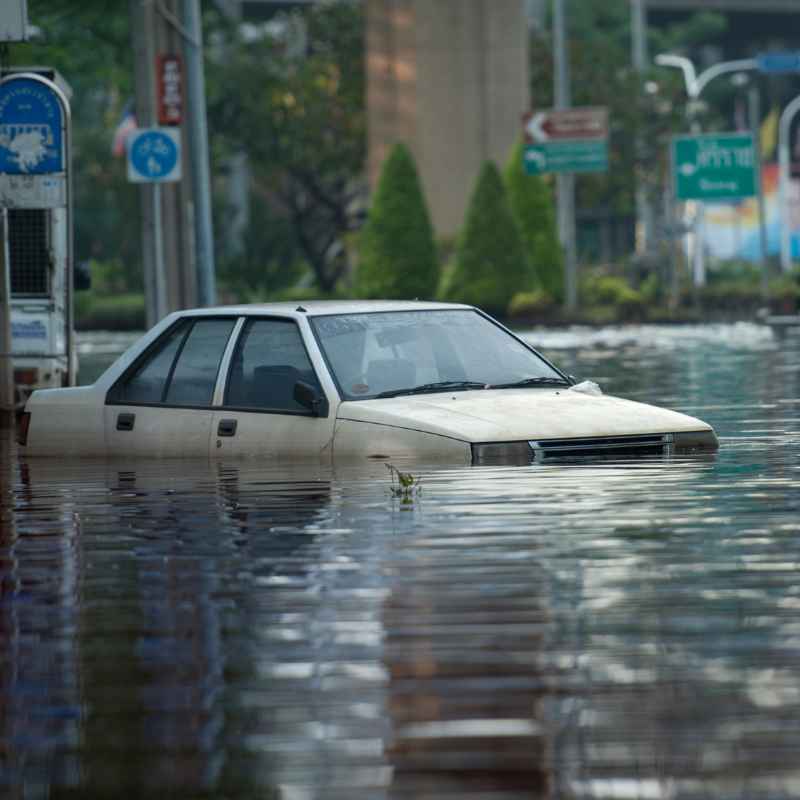
Electric Cars in Floods: What Happens & How to Protect Them
Electric cars in floods pose unique challenges due to their battery systems, but understanding their resilience and how to protect them can alleviate concerns. While initial fears might suggest complete vulnerability, modern EVs are designed with significant water resistance, though extreme conditions still present risks. This post will explore what happens to electric cars when submerged, how their components perform, and crucial steps you can take to safeguard your EV before, during, and after a flood event.
While electric cars are generally built with robust waterproofing for their battery systems and critical components, they are not immune to severe flooding. Understanding the risks and protective measures is key to ensuring safety and minimizing damage. Modern EVs can often withstand submersion up to a certain level, but catastrophic damage is possible in deep or prolonged flooding events.
Key Takeaways
- Electric cars in floods are designed with significant waterproofing for batteries and critical systems, often exceeding the capabilities of internal combustion engine vehicles in moderate water.
- The high-voltage battery is typically sealed and located low in the chassis, providing a degree of protection, but deep submersion can still lead to irreparable damage and safety hazards.
- Recharging an EV that has been in floodwater is extremely dangerous and should never be attempted until the vehicle has been thoroughly inspected and deemed safe by a qualified technician.
- Protecting your EV involves preventative measures like avoiding flood-prone areas, parking on higher ground, and understanding your vehicle’s specific water-fording capabilities.
- Post-flood procedures are critical, including immediate professional inspection to assess damage to the battery, electronics, and structural integrity, even if the car appears to be working.
What is an Electric Car’s Water Resistance Rating?
Electric vehicles, like many modern cars, are tested for their ability to withstand water ingress. This is often referred to as their “water fording depth.” While manufacturers don’t always publish a single, universal rating, most EVs are designed to handle driving through puddles and moderate submersion, typically up to the vehicle’s floor pan or even slightly higher. This capability is crucial for everyday driving, where unexpected heavy rain can create temporary flooded conditions.
The primary concern with water and any vehicle is the potential for electrical shorts and damage to sensitive electronic components. For EVs, this extends to the high-voltage battery system, electric motors, and the complex array of sensors and control units. The industry has invested heavily in sealing these components to prevent water intrusion, a testament to the inherent risks of their operation.
However, it’s important to distinguish between driving through shallow water and being fully submerged. Manufacturers’ recommendations and testing typically focus on temporary exposure or driving through water of a certain depth, not prolonged immersion or being completely underwater. Exceeding these limits can overwhelm even the most robust sealing mechanisms.
- IP Ratings (Ingress Protection): While not always directly advertised for vehicle chassis, individual components like battery packs and motors often have IP ratings (e.g., IP67, IP6K9K) indicating their resistance to dust and water.
- Battery Pack Sealing: High-voltage battery packs are generally engineered to be watertight, with robust casings and seals designed to prevent water from reaching the delicate battery cells.
- Motor Enclosures: Electric motors are also typically sealed units, designed to operate reliably even when exposed to moisture during normal driving conditions.
- Underbody Protection: The undercarriage of an EV is often reinforced and sealed to protect vital components from road debris and water splashes.
- Software Safeguards: Many EVs have sophisticated software that can detect water ingress or system malfunctions and automatically shut down high-voltage systems to prevent damage or electrocution.
How Do Electric Car Components Handle Floodwater?
The critical components of an electric car—the battery, electric motors, and onboard charger—are designed with substantial protection against water. The high-voltage battery pack, usually a large, flat module situated beneath the floor, is typically enclosed in a robust, sealed metal casing. This design not only protects the cells from impact but also acts as a formidable barrier against water ingress.
If the water level stays below the top of the battery pack and its seals remain intact, the battery itself can often remain functional.
Similarly, the electric motors, whether integrated into the axles or a separate unit, are also sealed. They are engineered to withstand the kinds of water exposure encountered during normal driving, such as driving through rain or shallow puddles. The onboard charger and power electronics are also typically housed in sealed enclosures, though their placement higher up in the vehicle might offer them greater protection than components mounted very low.
However, there are limits. If floodwaters rise above the seals or compromise the integrity of the enclosures, water can penetrate. This is where significant risks arise.
Water, especially saltwater, can cause corrosion, short circuits, and damage to the sensitive electronics that manage the battery, motor, and charging systems. The presence of high voltage means that even minor water intrusion can be extremely dangerous, posing a risk of electric shock.
| Component | Typical Protection Level | Risk in Deep Floods |
|---|---|---|
| High-Voltage Battery Pack | Sealed metal casing, robust seals. Often IP67 rated. | Corrosion, short circuits, thermal runaway, complete failure if seals compromised. |
| Electric Motors (Front/Rear) | Sealed enclosures, designed for moisture resistance. | Water ingress can damage bearings, windings, and insulation, leading to motor failure. |
| Onboard Charger/Power Electronics | Usually sealed enclosures, positioned higher up. | Water can corrode circuit boards, cause short circuits, and disable charging. |
| Low-Voltage Systems (12V battery, ECUs) | Less sealed than HV systems, but common to all vehicles. | Susceptible to corrosion and shorts, similar to traditional cars, affecting infotainment and basic functions. |
This table highlights that while core EV components have good protection, deep or prolonged submersion presents significant risks that can be permanent.
What Happens When an Electric Car is Submerged?
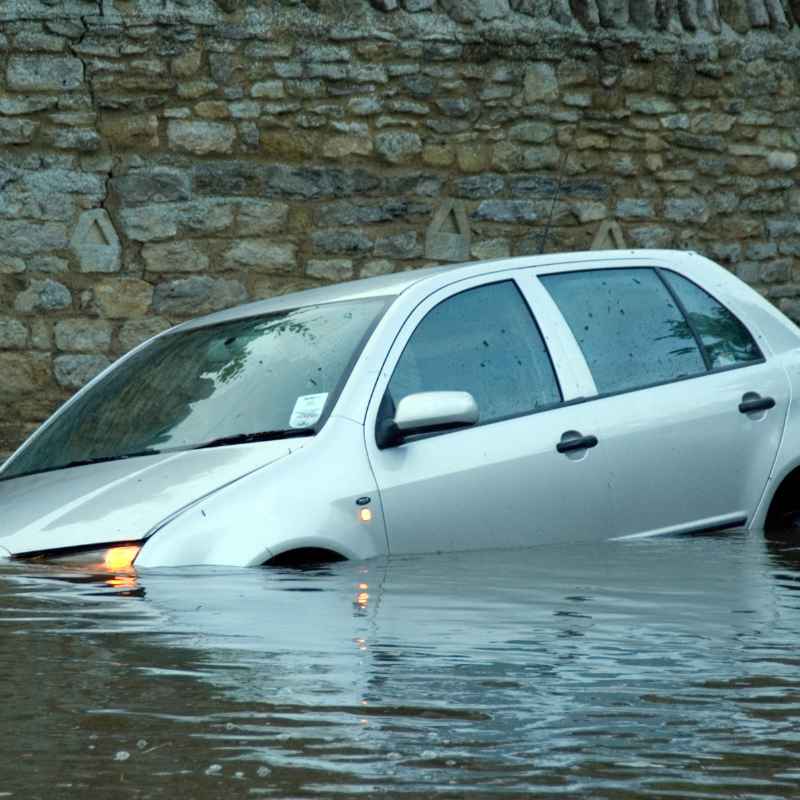
When an electric car is submerged in floodwater, several things can happen, largely dependent on the depth and duration of submersion, as well as the specific vehicle’s design. For moderate submersion, where the water level does not exceed the critical seals of the battery pack or the vehicle’s electronic control units (ECUs), the car might remain operational or suffer only minor issues. The high-voltage battery, being so well-sealed, is often the most resilient component.
However, if the water level rises significantly, especially above the vehicle’s floor, it can begin to compromise the seals. This is a critical point. Water ingress into the battery pack can lead to corrosion of terminals, short circuits between battery cells, and potential thermal events.
Even if the car appears to function after being submerged, internal damage can be ongoing and lead to future failures or safety risks.
Beyond the battery, other electrical components are also at risk. The vehicle’s computers, sensors, wiring harnesses, and even the 12V auxiliary battery are vulnerable. Saltwater is particularly corrosive and can accelerate the degradation of electrical contacts and components, making the damage more severe and harder to repair than with freshwater.
Furthermore, if a battery management system (BMS) detects a critical fault due to water, it will likely shut down the high-voltage system entirely for safety.
- Initial Water Contact: Moderate water levels may not breach seals, and the car can operate, though water may enter through door seals or vents into the cabin.
- Rising Water Levels: As water reaches the floor pan, it can start to seep into less protected areas, affecting lower-mounted electronics and the 12V system.
- Submersion of Critical Components: When water reaches the battery pack or motor enclosures, the risk of breaches and shorts increases significantly. The vehicle may shut down for safety.
- Complete Submersion: If the vehicle is fully underwater, extreme pressure and prolonged exposure will almost certainly lead to catastrophic failure of seals and widespread electrical damage.
- Post-Submersion: Even if the car appears functional, residual moisture and corrosion can cause delayed failures and safety hazards, especially with high-voltage systems.
This step-by-step progression illustrates the increasing severity of risk with rising water levels.
Can You Drive an Electric Car Through Flood Water?
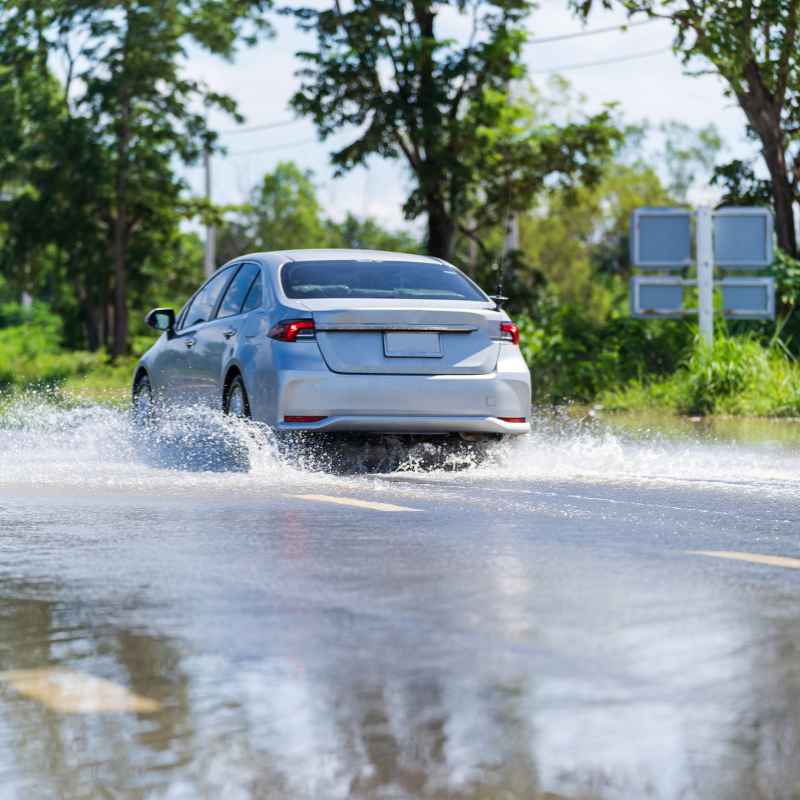
Driving an electric car through floodwater is generally not recommended, even with their enhanced water resistance. While many EVs can handle shallow water or moderate puddles better than some conventional cars due to their sealed components, they are not amphibious vehicles. The decision to drive through water should be made with extreme caution and only if absolutely necessary.
The general rule of thumb is that if the water is deeper than the bottom of your car’s doors or hubcaps, it’s too deep to navigate safely. Even if the EV’s battery and motors are sealed, water can still enter the cabin, potentially damaging interior electronics, seats, and the airbag system. Furthermore, the vehicle’s traction control and braking systems can be compromised by submerged roads, leading to loss of control.
Moreover, the type of water matters. Saltwater is far more damaging to electrical components and vehicle undercarriages than freshwater. If you must drive through water, do so slowly and steadily.
Avoid sudden stops or accelerations, which can create waves that overwhelm the vehicle’s seals. After driving through any water, it is advisable to have the vehicle inspected, especially if it was more than a superficial puddle.
Important: Always check your EV’s owner’s manual for specific guidance on water fording depth and driving in flooded conditions. Manufacturers often provide this information, which can vary significantly between models.
Key considerations when deciding whether to drive through floodwater include:
- Water Depth: If the water is higher than the vehicle’s sills or halfway up the wheels, avoid it.
- Water Type: Avoid saltwater at all costs; it is extremely corrosive to all vehicle components.
- Vehicle Specifics: Consult your owner’s manual for your EV’s maximum water fording depth.
- Road Conditions: Submerged roads can hide potholes or debris that could damage your vehicle or cause a loss of control.
- Safety First: If in doubt, do not drive through floodwater. Turn back or find an alternate route. The cost of repairs can far outweigh the inconvenience of a detour.
What to Do If Your Electric Car Has Been in Floodwater
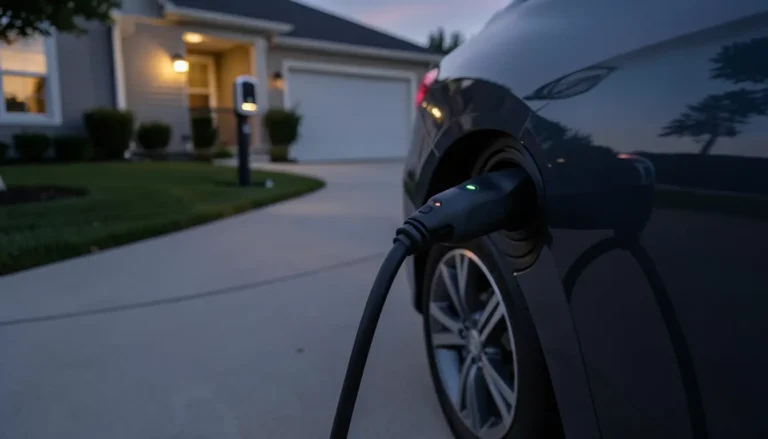
If your electric car has been exposed to floodwater, the most critical first step is to ensure your safety and the safety of others. Do NOT attempt to start the car or, crucially, plug it in to charge. This could lead to electrocution or severe damage to the vehicle.
If the car is still partially submerged, do not approach it until the water has receded and it is safe to do so.
Once it is safe to interact with the vehicle, your priority should be to contact a qualified technician or roadside assistance specializing in electric vehicles. They will know how to safely inspect the car. The vehicle will likely need to be towed to a specialized repair facility for a thorough inspection of its high-voltage battery, power electronics, charging system, and all other electrical components.
Even if the car seems to be working fine, internal corrosion and short circuits can develop over time, leading to more severe issues or safety hazards.
Do not rely on the car appearing functional as an indicator of its safety or integrity. Water damage to electrical systems, especially high-voltage ones, is insidious. A professional assessment is essential to determine the extent of the damage, whether repairs are feasible, and to ensure the vehicle is safe to operate.
This process is vital for preventing future failures and potential safety risks associated with compromised electrical systems.
- Prioritize Safety: Do not touch or attempt to operate the vehicle if it is still in water or shows any signs of electrical malfunction.
- Do Not Charge: Absolutely do not plug the car into a charging station or wall outlet.
- Contact Professionals: Immediately call your dealership, roadside assistance, or a certified EV repair shop.
- Arrange Towing: Have the vehicle towed to a specialized EV repair facility. Do not attempt to drive it.
- Professional Inspection: Allow technicians to conduct a comprehensive check of the battery, motors, electronics, and all systems for water damage and corrosion.
- Assess and Repair: Based on the inspection, determine the extent of damage and necessary repairs. This may include drying, cleaning, component replacement, or declaring the car a total loss.
- Documentation: Keep detailed records of all inspections, repairs, and communications with insurance companies or repair shops.
Following these steps diligently is crucial for handling flood-damaged EVs.
Can Electric Car Batteries Be Repaired After Flood Damage?
Repairing an electric car battery after flood damage is a complex and often expensive process, and in many cases, it’s not feasible or economically viable. The high-voltage battery pack is a highly integrated system, and if water has compromised its seals and caused internal corrosion or short circuits, the entire pack may need to be replaced. This is due to the safety-critical nature of battery components and the difficulty in ensuring complete restoration of integrity after submersion.
While some minor water ingress might be addressed through meticulous drying, cleaning, and component replacement by specialized technicians, severe submersion often leads to irreparable damage. Corrosion can affect electrical contacts and internal battery management sensors, leading to persistent errors or complete failure. Moreover, the risk of future thermal events or malfunctions is significantly elevated, making a full replacement the safer option for manufacturers and repairers.
The cost of replacing an EV battery pack is substantial, often ranging from $5,000 to $15,000 or more, depending on the vehicle model and battery size. For this reason, many insurance companies will declare a flood-damaged EV a total loss if the battery pack is compromised, as the repair cost would exceed the vehicle’s market value. Therefore, while minor damage might be repairable, major flood damage to the battery is typically a terminal condition for the pack.
| Type of Water Damage | Likelihood of Repair | Considerations |
|---|---|---|
| Minor surface moisture/splashing | High | Usually recoverable with thorough drying and checks. |
| Submersion below battery pack level (freshwater) | Moderate to High | May require component replacement and intensive drying; requires expert evaluation. |
| Submersion above battery pack level (freshwater) | Low to Moderate | Significant risk of internal battery damage; full pack replacement often needed. |
| Any submersion in saltwater | Very Low | Saltwater is highly corrosive; damage is extensive and often unrepairable. Total loss is common. |
| Visible damage to battery casing or seals | Very Low | Compromised seals mean water has entered, leading to extensive internal damage. |
This comparative table emphasizes the critical impact of water type and submersion depth on repairability.
What About Other EV Components Besides the Battery?
While the high-voltage battery is the most prominent concern, other electrical and mechanical components in an electric car are also susceptible to flood damage. The electric motors themselves, though sealed, can suffer if water breaches their enclosures. This can lead to corrosion in bearings, damage to the stator windings, or degradation of insulation, ultimately causing motor failure.
The power electronics that control the flow of energy between the battery, motors, and charger are also vulnerable.
The vehicle’s onboard charging system, including the charging port and its associated electronics, can be damaged. This would prevent the car from being charged. Furthermore, the complex network of sensors, ECUs (Electronic Control Units), wiring harnesses, and connectors throughout the vehicle are all at risk.
Water can cause corrosion, short circuits, and failure of these systems, leading to a wide range of malfunctions, from warning lights to complete loss of functionality.
The lower-voltage 12V battery, which powers essential systems like lights, infotainment, and basic computer functions, is also vulnerable, just as it is in a conventional car. However, in an EV, the failure of these systems can indirectly impact the higher-voltage systems or diagnostic capabilities. The vehicle’s interior is also subject to damage from water, including mold growth, fabric damage, and corrosion of electronic modules mounted within the cabin.
- Electric Motors: Risk of bearing corrosion, winding damage, and insulation failure.
- Power Electronics: Susceptible to corrosion and short circuits on circuit boards.
- Onboard Charger: Potential for damage to charging circuitry, rendering the car unchargeable.
- Sensors and ECUs: Water can cause these critical computer modules and sensors to fail, affecting numerous vehicle functions.
- Wiring Harnesses and Connectors: Corrosion and short circuits can occur at any junction, disrupting electrical flow.
- 12V Battery System: Vulnerable to corrosion and damage, affecting auxiliary functions.
- Cabin Electronics: Infotainment systems, control panels, and safety module damage.
- Mechanical Components: Brakes, suspension, and steering systems can be affected by prolonged submersion and debris.
These are just some of the many components that require inspection after flood exposure.
How to Protect Your Electric Car from Flood Damage
Preventative measures are the most effective way to protect your electric car from flood damage. The first and most crucial step is to be aware of weather forecasts and heed flood warnings. If you live in an area prone to flooding, take proactive steps to safeguard your vehicle, such as sandbagging it or fitting a sealed flood cover.
When flood threats are imminent, avoid parking your EV in low-lying areas, underground garages that are known to flood, or near drainage channels. Instead, move your car to higher ground. Many EVs offer features like real-time traffic and weather updates that can help you identify potential flood zones.
If you are driving and encounter unexpected flooding, do not attempt to drive through it. It’s always safer to turn back or find an alternative route.
For long-term protection, consider where you park your car regularly. If your usual parking spot is in a flood-prone area, explore options for higher parking, such as multi-story car parks or elevated driveways. Some owners in extremely flood-prone regions might even consider investing in a portable flood barrier for their driveway, although this is a more extreme measure.
Understanding your vehicle’s specific water fording capabilities, as outlined in its owner’s manual, is also a key part of protection.
- Monitor Weather Alerts: Stay informed about severe weather forecasts and flood warnings.
- Avoid Low-Lying Areas: Never park in basements, flood-prone streets, or near water bodies during heavy rain.
- Seek Higher Ground: When flood warnings are issued, move your EV to elevated locations.
- Heed Driving Warnings: If driving, do not attempt to cross flooded roads. Turn around if water is deep.
- Regular Maintenance Checks: Ensure seals and underbody protection are in good condition, as advised by your manufacturer.
- Understand Your Vehicle: Familiarize yourself with your EV’s water fording capabilities and limitations from the owner’s manual.
- Parking Strategy: For daily parking, prioritize higher, safer locations.
- Insurance Review: Ensure your insurance policy adequately covers flood damage for your EV.
Implementing these strategies significantly reduces the risk of your electric car encountering flood damage.
Frequently Asked Questions
What is the typical water fording depth for an electric car?
While specific ratings vary by manufacturer and model, most modern EVs are designed to handle driving through water up to the vehicle’s floor pan or slightly higher. However, this is for temporary passage, not prolonged submersion, and always consult your owner’s manual for your specific vehicle’s limitations.
Is it safe to charge an electric car that has been in floodwater?
Absolutely not. Never attempt to charge an electric car that has been exposed to floodwater until it has been thoroughly inspected by a qualified EV technician and deemed safe. Water ingress can create dangerous electrical hazards, including the risk of electrocution.
What is the biggest risk to an electric car in a flood?
The biggest risk is damage to the high-voltage battery system and other critical electronic components. Water ingress can cause corrosion, short circuits, and potentially lead to irreversible damage or safety hazards like thermal runaway, even if the car appears to be working initially.
How much does it cost to repair an electric car damaged by a flood?
Repair costs can be extremely high, often exceeding the vehicle’s value. Replacing a high-voltage battery pack alone can cost thousands, and damage to multiple electronic systems adds significantly. Many flood-damaged EVs are declared a total loss by insurance companies.
Are electric cars more or less susceptible to flood damage than gasoline cars?
Electric cars often have better protection for their core powertrain components (battery, motors) than gasoline cars do for their engines and fuel systems. However, both types are vulnerable to widespread electronic damage. EVs present a unique electrocution risk if their high-voltage systems are compromised by water.
Final Thoughts
Understanding electric cars in floods reveals a nuanced while built with robust waterproofing, they are not impervious to extreme water events. Proactive measures such as monitoring weather, parking strategically, and avoiding flooded roads are your best defense. If your EV does encounter floodwater, prioritize safety, cease all operation and charging attempts, and seek immediate, specialized professional inspection to mitigate risks and assess damage.
Products related to this article
Sponsored / affiliate links. As an Amazon Associate I earn from qualifying purchases. I may earn additional commission from eligible campaigns.