Best Cool Bag for Car: 2 Picks Compared
The best cool bag for car use is a compact 6–12L soft cooler for commuting and lunch runs. Pick the size for the load you carry, then check trunk space, closure style, and liner finish. A poor fit means melted food, spilled drinks, and wasted grocery money. This guide compares the two best cool-bag types for car use by capacity, shape, and packing needs.
Choose compact or roomy based on your load


The real choice is not soft versus hard alone. It is compact versus roomy, and one-person carry versus family load. A lunch-run bag should slide into a footwell or behind a seat and stay stable with about one ice pack. A grocery-run bag should sit flat in a boot and handle a heavier, wider stack of cold items.
| Car use case | Best cool-bag type | Interior capacity target | Practical fit | Cold hold target | Common failure mode |
|---|---|---|---|---|---|
| Lunch commute, pharmacy pickup, one-person errand | Compact soft-sided lunch cooler | 6–12L | Passenger footwell, behind a front seat, or upright in a hatchback boot corner | Cold for a half-day with one flat ice pack; cool for longer if opened rarely | Top zipper leak and crushed shape after repeated loading |
| Supermarket run, family picnic, school pickup with groceries | Insulated tote or boxy soft cooler | 15–25L | Boot floor of a hatchback or SUV cargo area; awkward in a tight footwell | Cold for a few hours with two ice packs; best when pre-chilled and kept closed | Condensation soak-through and lid or wall collapse under mixed loads |
For car use, a cool bag matters more than a hard cool box when you need lighter weight, easier storage, and a shape that fits around shopping bags. A hard box holds structure better, but it takes more room, weighs more, and is less forgiving in a small car cabin. Soft-sided insulated construction is the better default for most drivers.
What a car cool bag can actually do
A car cool bag keeps chilled food colder than a normal tote, but it will not make a hot cabin into a refrigerator. In a parked car, insulation slows warming and helps ice packs do the work; it does not stop heat transfer. The bag works best when you load already-cold items, keep it out of direct sun, and open it only when needed.
Soft-sided insulation versus a hard cool box
Soft-sided bags usually use a foam or insulated layer between the outer shell and the liner. That layer gives enough cold retention for errands, lunch, and short trips. Hard cool boxes insulate better in a static sense, but they are bulkier and less convenient in a car with limited cargo space.
The key car-friendly point is the roomier rectangular shape, which stacks more cleanly in a boot than a rounded sack.
Cold hold in a parked car
Do cooler bags work in a hot car? Yes, but only to a point. They slow warming, manage condensation better than an open tote, and keep contents cold longer when paired with ice packs. In a hot cabin, the difference between “cold” and “merely cool” shows up first in soft drinks, dairy, and anything packed near the lid or zipper.
Say your commute is 25 minutes each way and you leave the bag in a shaded boot between stops. A 6–12L lunch cooler with one flat ice pack can keep a single meal cold through the workday if it is opened once or twice. A fully loaded grocery tote in the same car will hold cold less well if it is repeatedly unpacked during school pickup or errands.
Where the bag works best in the cabin
The best placement is the coolest, most stable spot available. A passenger footwell suits a small lunch bag. A hatchback boot works for either size if the bag can sit flat. An SUV cargo area usually fits the larger tote more comfortably, especially when you need space beside it for other shopping.
How do you choose a cooler bag for your car?
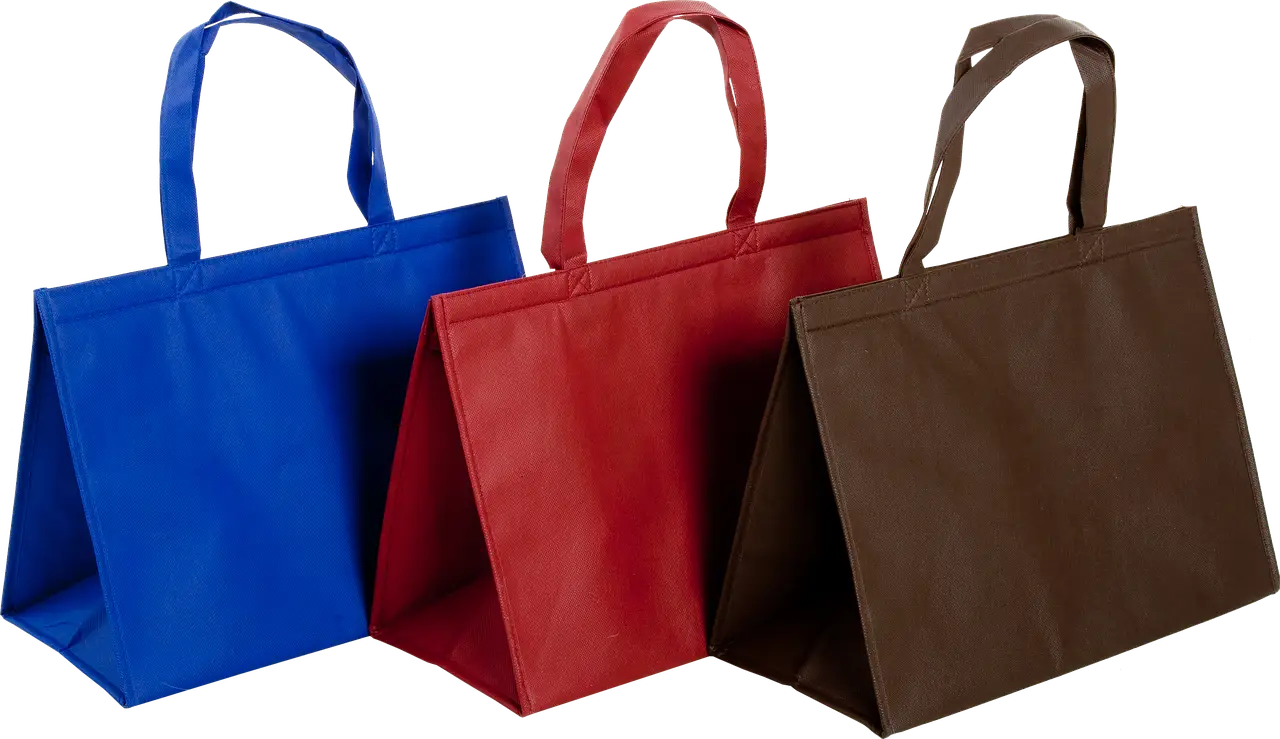
Choose by load size first, then by fit, closure, and liner. A lunch bag should be narrow enough for one-handed carry and quick reach. A grocery bag should be wide enough for cartons, produce, and stacked cold items without forcing the zipper closed under pressure.
Capacity by use case
For one person, 6–12L usually covers lunch, a drink, and one or two small chilled items. For family shopping, 15–25L is the more practical range because it handles milk, yogurt, ready meals, or a few grocery bags without overstuffing. Capacity matters more than shape when you want the bag to close cleanly.
- Match the volume to the number of meals or grocery bags, not the badge on the front.
- Choose a shape that matches the cargo space: tall for footwells, low and wide for boot floors.
- Check whether the bag closes without bulging, because a strained zipper is a weak zipper.
- Use ice packs sized to the bag, not loose cubes that add meltwater and cleanup.
External dimensions and storage fit
What size cool bag fits in a car boot or footwell? A compact lunch cooler usually fits where a larger tote will not: behind a front seat, under a parcel shelf, or in a passenger footwell. A family grocery bag needs a flatter base and more width, which makes it easier to load in a hatchback boot or SUV cargo area but harder to stow under a seat.
Collapsed storage matters too. Soft coolers that fold nearly flat are easier to keep in the boot when not in use. That matters if you buy groceries once a week but use the same bag for occasional lunch runs.
Closure, liner, and carry hardware
Look for a food-safe liner that wipes clean with a damp cloth, not a fuzzy interior that traps spills and odors. A leak-resistant liner will not make the bag waterproof, but it does reduce soak-through and makes cleanup faster. Zipper quality matters because the zipper is the most common leak point; roll-top and flap designs can seal better when the bag is not overfilled.
Handles are better for short carries from boot to house. A shoulder strap helps when the load is awkward or when you need both hands for keys and shopping. For lunch use, one-hand carry is worth more than a heavy-duty strap you never use.
Car fit and cold-retention decision table
Use this table to match the bag to the car and the trip. The goal is not maximum insulation at any cost. The goal is the right size, the right shape, and the fewest failures for the way you actually shop and drive.
| Recommended cool-bag type | Typical interior dimensions | Estimated fit | Typical load | Ice-pack count | Cleanup time | Most common failure mode |
|---|---|---|---|---|---|---|
| Compact lunch-run soft cooler | About 24–30 cm long, 15–20 cm wide, 15–22 cm high | Fits a footwell, behind a seat, or a narrow hatchback boot gap | One lunch box, one drink, fruit, snack, or pharmacy cold item | 1 flat ice pack | 2–5 minutes to wipe the liner; longer if a spill reaches the zipper track | Zipper seepage or lid collapse when overfilled |
| Family grocery-run insulated tote | About 32–45 cm long, 22–30 cm wide, 22–30 cm high | Fits a boot floor or SUV cargo area; awkward in a tight footwell | 2–4 meals, dairy, produce, frozen items, or a partial weekly shop | 2 flat ice packs | 5–10 minutes to wipe and dry fully after a spill | Condensation soak-through at the base or side wall compression under mixed groceries |
Which bag keeps food cold longer?
The bag with better insulation, a tighter closure, and less empty air keeps food cold longer. In practice, that usually means a boxier soft cooler with a thicker insulation layer and a zipper or flap that closes cleanly. A larger bag can hold more, but extra empty space can work against cold retention unless it is packed tightly.
Insulation layer and zipper quality
A thicker insulation layer slows heat gain, but it does not fix a weak closure. The lid or zipper is where warm air gets in fastest. For car use, that means a compact lunch bag with a clean seal can outperform a bigger but sloppier tote if both sit in the same hot cabin.
Hot-weather performance
Do cooler bags work in a hot car? They do, but the result depends on exposure time and opening frequency. If the car is parked in full sun, the bag should keep contents cold for the trip, not all afternoon. Pre-chilled groceries, ice packs, and a shaded boot improve the result more than a fancy outer shell.
Suppose you place yogurt, chicken, and milk in a 20L insulated tote after a supermarket stop. If the tote stays closed and the car boot is shaded, the items stay in the safer range longer than they would in an open shopping bag. If the zipper stays half-open during repeated stops, cold retention drops fast.
Sweat and condensation control
Condensation is a real ownership cost. A liner that wipes clean saves time, and a base panel that resists moisture helps keep the bag from soaking through to a boot liner or car seat. The most common complaint is not failure to stay cold; it is meltwater, damp seams, and a wet floor after a rushed grocery run.
What size fits a boot or footwell?
Compact cool bags fit best in a passenger footwell or behind a front seat. Medium insulated totes suit hatchback boots and SUV cargo areas. If your car has a shallow boot opening, the key measurement is not only volume but also the opening height. A bag that looks small on paper can still snag on trim if it is too tall.
Hatchback boot fit
A hatchback usually favors a low, rectangular bag. That shape slides under the parcel shelf and leaves room for shopping bags beside it. Tall lunch bags can fit too, but only if they stand upright without pushing against the hatch opening.
SUV cargo-area fit
An SUV has more headroom, so a 15–25L tote is easier to live with. The extra height helps, but a squishy bag can still tip if it is packed unevenly. A firmer base and a wider footprint make loading simpler and reduce shifting in transit.
Behind-seat and footwell fit
Behind-seat storage favors narrower bags with a low profile. A footwell favors a compact footprint more than a huge capacity. If the bag is for a lunch commute, choose the shape that sits without blocking feet, seat rails, or door pockets.
Choose the lunch-run bag if… / Choose the grocery-run bag if…
Choose the lunch-run bag if your car use is mostly one-person and time-sensitive. Choose the grocery-run bag if the bag must handle family shopping, a picnic, or multiple cold items at once. The better bag is the one that closes fully in your car, fits where you store it, and matches the amount of food you actually carry.
Choose the lunch-run bag if…
- You carry one meal, one drink, and one or two cold extras.
- You need the bag to fit in a footwell or behind a seat.
- You want one-hand carry and minimal cleanup.
- You usually return to the car within a few hours.
Choose the grocery-run bag if…
- You shop for a family or combine several cold items in one stop.
- You want a bag that sits flat in a boot or cargo area.
- You need more volume for milk, yogurt, produce, or frozen food.
- You are willing to trade a little portability for more usable capacity.
A common first-timer mistake is buying the biggest insulated tote in the aisle. The result is a bag that folds badly, leaves too much empty space, and is annoying to load. A smaller, better-fitting bag often keeps food colder because it closes more securely and rattles around less in the car.
Frequently asked questions
Do cooler bags work in a hot car?
Yes, but they slow heat gain rather than stop it. A good bag with ice packs can keep food cold through a commute or shopping trip, especially if it stays shaded and closed. In a parked hot car, cold hold drops faster once you keep opening the bag.
What is the difference between a cool box and a cool bag?
A cool box is usually hard-sided and better at holding shape. A cool bag is softer, lighter, and easier to fit in small car spaces. For most drivers, the bag is simpler to store and carry; the box is better when structure matters more than packability.
What size cool bag fits in a car boot or footwell?
A small lunch cooler usually fits in a footwell or behind a seat. A 15–25L bag is better for a boot or SUV cargo area. The key is not only liters but also the bag’s shape: low and wide for boots, narrow and tall for footwells.
Are soft cooler bags better than hard cool boxes for cars?
For most car owners, yes. Soft cooler bags are easier to store, lighter to carry, and easier to place in cramped spaces. Hard cool boxes can hold shape better, but they take up more room and are less convenient when you are loading groceries or lunch items quickly.
How long will a car cool bag keep food cold?
That depends on insulation, fit, ambient heat, and how often you open it. A compact bag with one ice pack can handle a workday lunch run. A larger grocery bag with two ice packs is better for a few hours of shopping and driving, especially if the items start cold.
Which features matter most in a cool bag for shopping and travel?
Focus on insulation, closure quality, liner material, and shape. A wipe-clean liner saves time after spills. A secure zipper or flap reduces leaks. Handles and a shoulder strap matter for carrying, but the wrong size will still make the bag awkward in your car.
What is the best small cooler bag for the car?
Products related to this article
Sponsored / affiliate links. As an Amazon Associate I earn from qualifying purchases. I may earn additional commission from eligible campaigns.