What Is a Decarbonizer? Engine Carbon Cleaning Cost & Guide
A decarbonizer removes built-up carbon deposits from inside your engine — typically from the intake valves, pistons, and combustion chamber — using either a chemical treatment or a professional hydrogen (HHO) carbon-cleaning machine. Most professional decarbonizing services cost $100-$300 and take 30-60 minutes with no engine disassembly required, while DIY chemical decarbonizer sprays cost $10-$30.
Quick Answer: A decarbonizer is a product or machine that removes carbon deposits from an engine’s intake valves, pistons, and combustion chamber. Professional hydrogen (HHO) decarbonizing services typically cost $100-$300 and take under an hour. DIY chemical decarbonizer sprays cost $10-$30 and are added through the intake or fuel system.
What Is a Decarbonizer?
A decarbonizer is either a chemical product or a piece of shop equipment used to strip carbon deposits out of an engine’s intake tract, combustion chamber, and pistons. Carbon buildup happens naturally over time from incomplete fuel combustion, engine oil residue, and (especially on direct-injection engines) fuel that never washes over the intake valves the way it does in port-injected engines. Left alone, it causes rough idling, reduced power, knocking or pinging noises, and worse fuel economy.
There are two main types of decarbonizer:
- Chemical decarbonizers — sprays or fuel-system additives you or a mechanic apply through the intake, throttle body, or fuel tank to dissolve carbon deposits over one or more driving cycles.
- Hydrogen (HHO) decarbonizing machines — shop equipment that uses electrolysis to split water into hydrogen and oxygen gas (HHO), then feeds that gas into the running engine’s intake. The extra-hot, clean-burning HHO gas oxidizes and burns off carbon deposits without any disassembly.
How Hydrogen (HHO) Decarbonizing Machines Work
A hydrogen decarbonizing machine is the most common tool professional shops use. It runs an electrolysis process on water to produce oxyhydrogen (HHO) gas, then feeds that gas into the engine’s air intake while it idles. The HHO gas burns at a much higher temperature than gasoline alone, which oxidizes carbon deposits on valves, pistons, and in the exhaust system and converts them into gas that exits through the tailpipe. A typical session takes 30-60 minutes, works on both gas and diesel engines, and requires no engine disassembly — which is why it costs far less than a manual intake or top-end cleaning.

Signs Your Engine Needs Decarbonizing
Decreased performance and fuel efficiency are common signs of carbon buildup. You may notice a drop in power during acceleration, or higher fuel consumption than usual. Unusual noises like knocking or pinging can also point to carbon deposits interfering with combustion. High-mileage vehicles and direct-injection engines are especially prone to this buildup, since DI fuel injectors spray fuel directly into the cylinder rather than over the intake valves, so there’s no fuel wash to keep the valves clean.
Methods for Decarbonizing Your Engine
Chemical decarbonizer treatments dissolve carbon deposits gradually and can be applied by a home mechanic. Manual cleaning — physically removing the intake manifold to scrub valves with a brush or media-blast them — is more thorough but far more labor-intensive and typically reserved for severe buildup. Professional hydrogen decarbonizing machines split the difference: they’re faster and less invasive than manual cleaning, and generally more effective than a chemical treatment alone for heavy buildup.
DIY Chemical Decarbonizing: What You’ll Need
For a DIY chemical decarbonizer treatment, you’ll need an intake valve/combustion chamber cleaner spray (applied through the throttle body per the product’s instructions), gloves and safety goggles, and a shop towel for cleanup. Most products call for the engine to be run at idle while the cleaner is slowly introduced, so make sure you’re working in a well-ventilated space. Always follow the specific product’s instructions, since application methods vary between sprays.
Top Engine Decarbonizer Products
Chemical decarbonizers are the easiest way to tackle carbon buildup yourself between professional services.
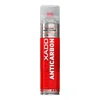
- Best for: drivers noticing rough idle or reduced power from carbon buildup
- Why we picked it: purpose-built decarbonizer formula, restores performance without disassembly
- Main drawback: works best on mild-to-moderate buildup, not a substitute for severe cases
 CRC GDI IVD Cleaner Formulated specifically for direct-injection engines Check on Amazon |
 Berryman 2611 Cleaner Includes shop towel, works on GDI/PFI/TBI engines Check on Amazon |
 Liqui Moly Valve Clean Trusted European brand, concentrated formula Check on Amazon |
Preventing Carbon Buildup in the Future
Regular maintenance is key to preventing carbon buildup. Use top-tier detergent gasoline, since it contains higher levels of deposit-fighting additives than budget fuel. Watch for signs of a failing PCV system, since a leaking or clogged PCV valve pushes extra oil vapor into the intake, accelerating carbon buildup. Keeping the throttle body clean also helps maintain smooth airflow and combustion. Following your manufacturer’s maintenance schedule and scheduling a decarbonizing service every 30,000-50,000 miles (sooner for direct-injection engines) helps keep deposits from building up to the point where they hurt performance.
The Bigger Picture: Automotive Decarbonization
Separately from engine carbon cleaning, “decarbonization” is also used as an industry term for reducing the transportation sector’s overall carbon emissions — through electric and hydrogen-powered vehicles, cleaner fuels, and stricter emissions regulations. That’s a different, much larger-scale topic than cleaning carbon deposits out of your own engine, but the two terms often get searched together since they share the same root word.
Frequently Asked Questions
What is a decarbonizer?
A decarbonizer is a chemical product or piece of shop equipment (typically a hydrogen/HHO machine) used to remove carbon deposits from an engine’s intake valves, pistons, and combustion chamber.
Does engine carbon cleaning really work?
Yes, for mild-to-moderate carbon buildup. Chemical decarbonizers and hydrogen (HHO) machines can restore lost power and fuel efficiency, though results vary by vehicle and severity of buildup. Regular maintenance helps prevent excessive buildup from occurring in the first place.
How often should you decarbonize your engine?
Every 30,000 to 50,000 miles is a common recommendation, though direct-injection engines may benefit from more frequent decarbonizing since they’re more prone to carbon buildup. Always check your vehicle’s manual for specific guidance.
How much does it cost to decarbonize an engine?
A professional hydrogen (HHO) decarbonizing service typically costs $100-$300 and takes 30-60 minutes. DIY chemical decarbonizer sprays cost $10-$30. More invasive manual intake cleaning, which involves partial disassembly, can cost more depending on the shop and vehicle.
A decarbonizer — whether it’s a chemical spray or a shop’s hydrogen carbon-cleaning machine — removes performance-robbing carbon deposits from your engine’s intake and combustion chamber. Most drivers can expect a professional session to cost well under $300 and take about an hour, far less than the thousands sometimes quoted for the phrase online.
Products related to this article
Sponsored / affiliate links. As an Amazon Associate I earn from qualifying purchases. I may earn additional commission from eligible campaigns.