Can You Buy Wire Tires For Modern Cars? What To Know
It’s a fair question. We see all sorts of customization options out there. But when it comes to something as critical as tires and wheels, safety and practicality are key. Let’s dive into what these classic wheels are, how they differ from what’s on your car now, and the real answer to whether they’re a viable option for today’s vehicles.
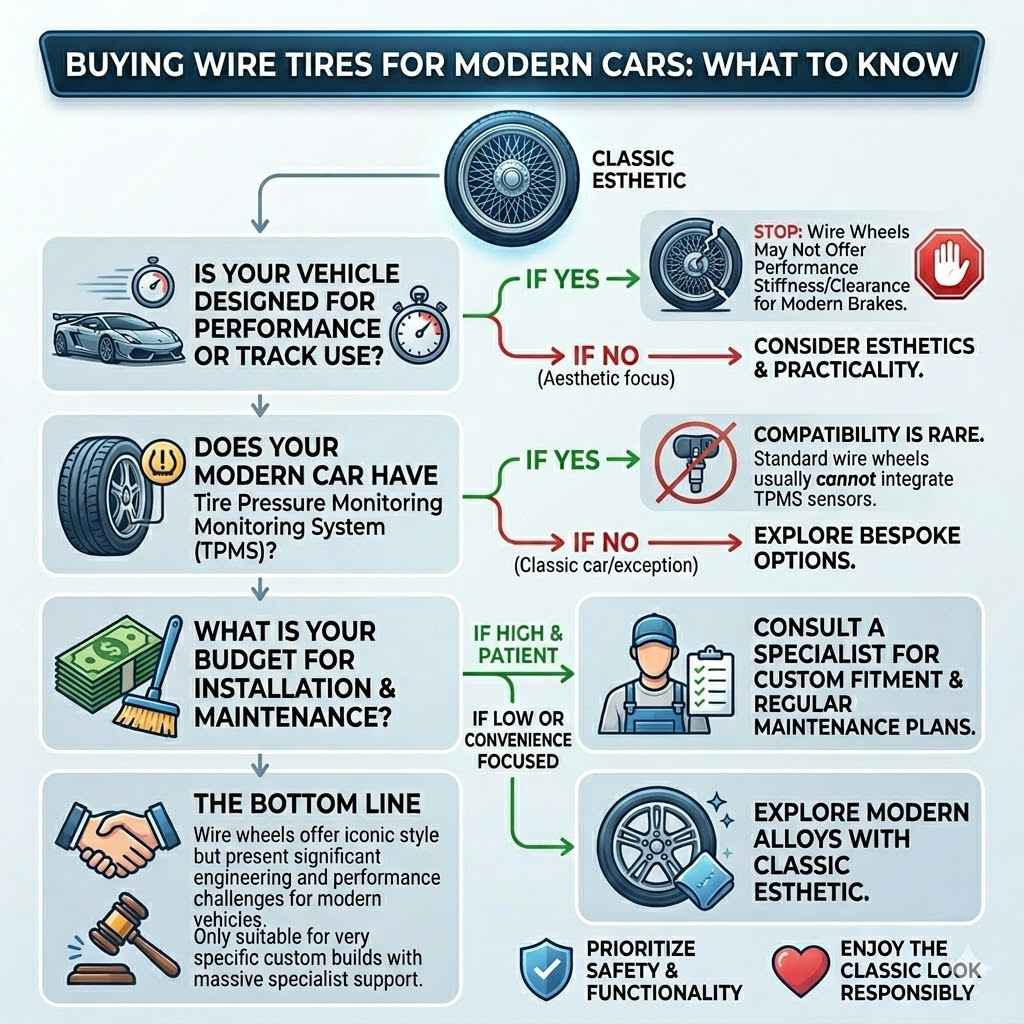
Wire tires, also known as spoked wheels or custom wire wheels, are generally not suitable or safe for modern passenger vehicles. They are primarily decorative or designed for specialized classic cars, lacking the structural integrity, load-bearing capacity, and safety features required for contemporary automotive engineering and road conditions.
What Are Wire Tires and Wheels, Really?
When people talk about “wire tires,” they often mean the wheels themselves, not the rubber part you drive on. These are known as wire wheels. They are made up of a rim, spokes, and a hub. The spokes are usually made of steel or sometimes aluminum. They connect the hub to the rim. Think of a bicycle wheel, but much bigger and stronger.
These wheels were very popular a long time ago. Cars from the 1920s through the 1970s often featured them as standard or optional equipment. They gave cars a distinctive, elegant, or sometimes sporty look. They were a mark of luxury or performance back then. Builders of custom cars and hot rods also loved them for their unique style.
The term “wire tire” might also come up because the spokes are thin and look like wires. But it’s important to remember that the actual tire is the rubber component. You’d still put a regular tire, like a Michelin or Goodyear, on a wire wheel if it were designed to accept one. The “wire” part refers to the wheel’s construction, not the tire.
Why They Were Popular Then
The popularity of wire wheels had a few reasons. First, they were a way to make cars look special. In an era where cars were becoming more common, unique features helped owners show off. Wire wheels definitely stood out.
Second, there was a practical side, though it might seem odd now. Before strong, single-piece metal wheels were common, wire wheels could be lighter than solid metal wheels. This could help with performance. They also allowed for better airflow to the brakes. This helped cool them down, which was important for cars with less advanced braking systems.
Lastly, they were associated with racing and high-performance vehicles. Think of classic Jaguars, MGs, and certain American muscle cars. Seeing wire wheels on a car meant it was fast or luxurious. This image carried over to everyday drivers who wanted that same flair.
The Shift: Modern Wheels vs. Wire Wheels
Today’s cars use very different wheels. Most cars come with what are called alloy wheels or steel wheels. Alloy wheels are usually made from aluminum or a mix of metals. Steel wheels are made from steel. These wheels are cast or forged into a single, solid piece.
This modern construction offers several big advantages. Solid wheels are incredibly strong. They can handle the weight and stresses of modern driving much better. They are also designed to be very precise. This is important for balance and for how the suspension works.
Modern Wheel Construction
Solid Design: Made from a single piece of metal (alloy or steel).
High Strength: Built to withstand high impacts and heavy loads.
Precision Engineering: Ensures perfect balance and integration with vehicle systems.
Safety Features: Designed with crumple zones and specific failure points to enhance safety in accidents.
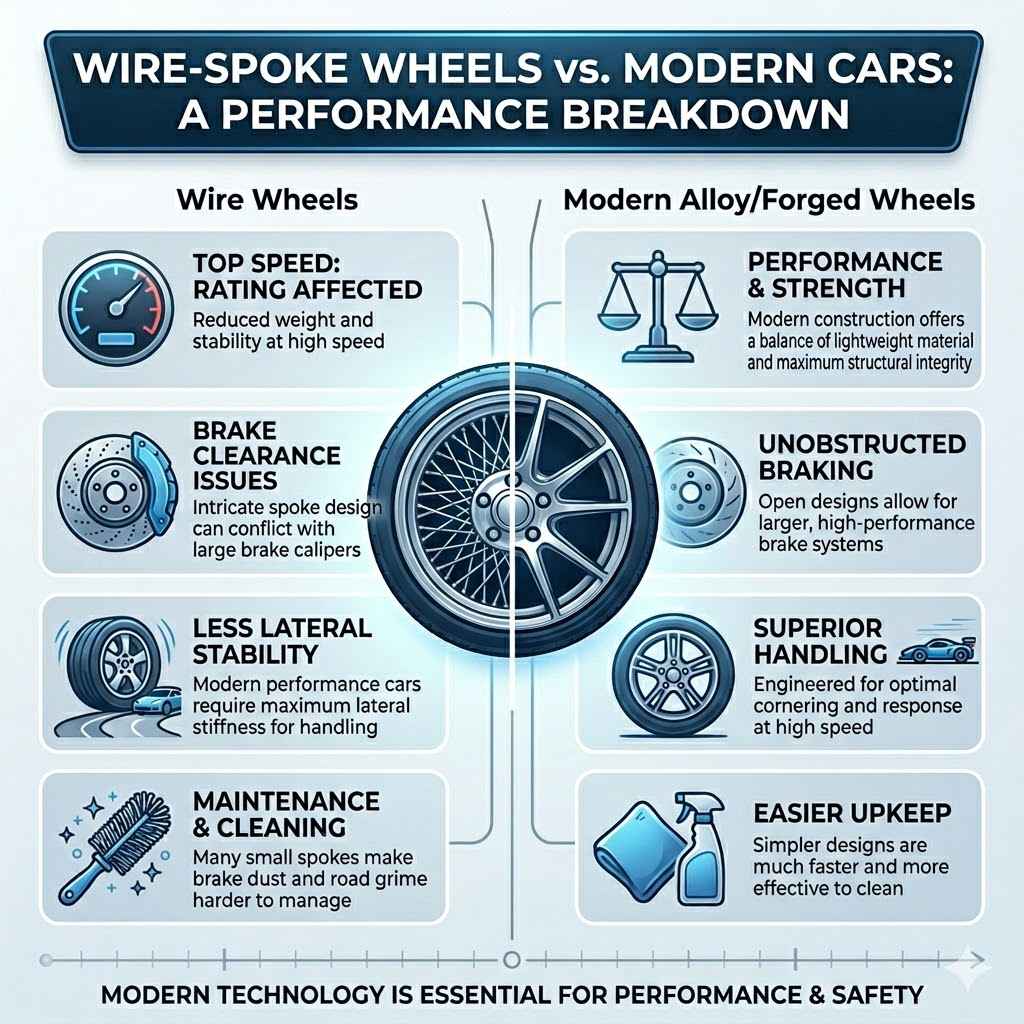
Wire wheels, on the other hand, are made of many small parts. They have hundreds of spokes. Each spoke is under tension. This tension holds the wheel together. While this system can be strong, it’s also more complex. It’s also more prone to issues if not maintained perfectly.
Modern car engineering relies on wheels that are predictable and uniform. They need to handle things like anti-lock braking systems (ABS), traction control, and electronic stability control (ESC). These systems depend on precise feedback from the wheels. The structure of a wire wheel might interfere with these sensors.
Can You Buy Wire Tires for Modern Cars? The Direct Answer
So, can you actually go to a tire shop and buy wire wheels for your new sedan or SUV? The short answer is no, not really, and definitely not for everyday use. It’s not a standard option you’ll find for modern vehicles.
The manufacturers of modern cars don’t engineer their vehicles to use wire wheels. The suspension, braking systems, and electronic safety features are all designed around solid alloy or steel wheels. Trying to fit wire wheels onto a modern car would involve significant, likely unsafe, modifications.
You might find some specialized shops that sell custom wire wheels. These are often made to look like the vintage ones. They are usually designed for show cars or highly customized vehicles. They are not built to meet the safety standards required for daily driving on public roads.
Why Modern Cars Aren’t Designed for Wire Wheels
There are several critical reasons why modern automotive design steers clear of wire wheels for mass-produced vehicles. It all comes down to safety, performance, and the demands of today’s driving conditions.
Modern cars are heavier. They travel at higher speeds. They also have advanced braking and suspension systems that require a very specific kind of wheel. Wire wheels, by their very nature, are less rigid than modern solid wheels. This flexibility can negatively impact how these systems function.
Think about braking. When you slam on the brakes, immense force goes through the wheels. Wire wheels might flex under this pressure. This can make braking feel mushy or less effective. It could even lead to uneven wear on the spokes or other damage.
Suspension is another big factor. Your car’s suspension is tuned to work with wheels that have a certain stiffness. If the wheels flex too much, the suspension can’t do its job correctly. This affects ride comfort and handling. It can also put extra stress on other suspension parts.
Key Differences: Modern vs. Wire Wheels
Modern Wheels:
- Solid construction (alloy or steel).
- High rigidity and strength.
- Designed for precise handling and braking.
- Integrate with advanced electronic systems (ABS, ESC).
- Safer under impact and stress.
Wire Wheels:
- Spoke and hub construction.
- Can be less rigid, prone to flexing.
- May not be compatible with modern electronic systems.
- Require specialized maintenance.
- Primarily decorative for classic cars.
The materials and manufacturing processes for modern wheels are far advanced. They are engineered for durability and safety above all else. Wire wheels, while beautiful, simply don’t meet these current engineering standards for a standard passenger car.
Safety Concerns with Wire Wheels on Modern Cars
Safety is the absolute top priority when it comes to vehicle components. This is where the idea of putting wire wheels on a modern car really falls apart. The risks are significant and can’t be ignored.
One major concern is structural integrity. Wire wheels, especially older ones or those not perfectly maintained, can develop loose spokes. A spoke could break. This could lead to catastrophic failure of the wheel while driving. Imagine the wheel collapsing at highway speeds; it’s a terrifying thought.
Then there’s the issue of load capacity. Modern cars carry a lot of weight. They have families, groceries, and luggage. Wire wheels are not generally rated to handle the high load requirements of today’s SUVs, minivans, or even most sedans. Exceeding the load capacity can cause the wheel to bend or break.
Another point is the effect on electronic systems. Modern cars have sensors that monitor wheel speed for ABS, traction control, and stability control. The way a wire wheel is constructed, or the way it spins, might not give these sensors the consistent, accurate readings they need. This could lead to these safety systems not working correctly, or not working at all.
Wire Wheel Safety Risks for Modern Cars
Structural Weakness: Spokes can loosen or break, leading to wheel failure.
Inadequate Load Capacity: May not support the weight of modern vehicles and their contents.
Compromised Electronic Systems: Can interfere with ABS, traction control, and ESC sensors.
Increased Maintenance Needs: Require constant checking and tightening of spokes.
Poor Performance in Accidents: Less predictable behavior and energy absorption compared to solid wheels.
I remember helping a friend who was adamant about putting chrome wire wheels on his daily driver pickup truck. He loved the look. We explained all the risks. He was told by a custom shop that it would be “fine.” He ended up having a close call when a spoke visibly bent after hitting a pothole. He learned his lesson quickly and swapped them out for proper alloy wheels. It was a scary moment that showed how dangerous it can be to ignore engineering standards.
What About Custom Wire Wheels for Show Cars?
Okay, so we’ve established that wire wheels aren’t for your average car. But what about those amazing custom cars you see at shows? Many of them have stunning wire wheels. How does that work?
These are typically very specialized. They are built by companies that focus on high-end, custom automotive parts. These wheels are often built to order. They are designed to fit a specific car. They might be made with stronger materials or a beefier spoke design than vintage wheels.
Even for show cars, there are often considerations. These vehicles might not be driven daily. They might be trailered to shows. Or they might be driven only on perfect roads for short distances. The owner understands the limitations and accepts the trade-offs for the look.
There are also modern interpretations of wire wheels. Some companies make wheels that look like wire wheels but are actually constructed using modern casting or forging techniques. These wheels have the aesthetic of wire wheels but are built with the strength and precision of modern wheels. These can be a safer, though often very expensive, option for achieving a similar style on a newer vehicle.
Custom Wire Wheels: Important Notes
Specialized Builds: Often custom-made for specific vehicles.
Limited Use: Best suited for show cars or vehicles not driven daily.
Higher Cost: Can be significantly more expensive than standard wheels.
Maintenance is Key: Still require regular checks and maintenance.
Aesthetic vs. Performance: Prioritize look over the full spectrum of modern performance needs.
When you see a car with these wheels, it’s important to understand that it’s likely a carefully considered choice. It’s not a simple bolt-on upgrade for any car. The owner has likely consulted with experts and understood the implications.
The Maintenance Burden of Wire Wheels
Even if someone were to install wire wheels on a modern car, there’s a huge commitment to maintenance. This is another reason they aren’t standard. Wire wheels require a lot more attention than alloy or steel wheels.
Each spoke has to be tensioned correctly. Over time, these tensions can change. Driving over bumps or even just regular use can cause spokes to loosen. This is why old movies sometimes showed characters quickly tightening spokes.
If spokes become too loose, the wheel can lose its shape. It can become unbalanced. This is bad for the car’s ride and can be dangerous. Regular checks are needed. This means making sure each spoke is tight. Some people even use special tools to check spoke tension.
Cleaning is also more involved. With all those spokes and nipples, cleaning them takes time. If they aren’t kept clean, they can rust or corrode, especially the steel ones. This further weakens them and makes them look bad.
Wire Wheel Maintenance Checklist
- Regular Spoke Tension Checks: Ensure all spokes are tight and evenly tensioned.
- Visual Inspection: Look for any bent or damaged spokes.
- Cleaning: Keep spokes and rims clean to prevent corrosion.
- Lubrication: Some parts may need occasional lubrication.
- Professional Tuning: Periodic professional adjustments might be necessary.
This level of constant upkeep is not practical for most drivers today. We want cars that are reliable and require minimal fuss. The maintenance needs of wire wheels are a huge barrier for their use on modern vehicles.
The “Wire Tire” Misconception
It’s worth touching on the term “wire tire” again. This phrase itself can be a bit misleading. As we’ve discussed, the “wire” refers to the wheel’s construction, not the rubber tire.
So, when someone asks if they can buy “wire tires,” they’re usually thinking about the entire wheel assembly. They want that classic spoked look. They aren’t looking for a rubber tire made of wire, which wouldn’t function at all.
If you’re browsing online, you might see listings for “wire wheels.” It’s crucial to understand that these are wheels. You would then need to find a tire that fits the rim diameter and width of that specific wire wheel. The tire itself would be a standard rubber tire.
So, to be crystal clear: there are no “wire tires” in the sense of a rubber tire made of wire. There are “wire wheels,” which are a type of wheel construction. And these wire wheels are generally not suitable for modern cars.
What About Modern Equivalents or Styling Cues?
If you love the look of wire wheels but need something safe and practical for your modern car, you’re not totally out of luck. There are ways to achieve a similar aesthetic without compromising safety.
As mentioned earlier, many wheel manufacturers now produce wheels designed to mimic the appearance of wire wheels. These are often called “}^-spoke” or “cross-lace” wheels. They use modern casting techniques to create intricate spoke patterns that resemble classic wire wheels.
These wheels are made from strong alloy materials. They are engineered to meet all the safety and performance standards of modern vehicles. They will integrate perfectly with your car’s ABS and other electronic systems.
Achieving the Wire Wheel Look Safely
Modern Spoke Wheels: Wheels designed with many thin spokes to imitate wire wheels.
Forged or Cast Alloy: Made with strong, durable materials.
Engineered for Safety: Meet all automotive safety standards.
Full Compatibility: Work seamlessly with ABS, ESC, and other vehicle systems.
Wide Variety of Styles: Available in chrome, polished, or painted finishes.
When looking for these, you’ll want to search for terms like “custom alloy wheels with mesh design” or “multi-spoke wheels.” You can find them in various finishes, including chrome, which often echoes the shine of traditional wire wheels. This is the best of both worlds: the style you love with the safety and reliability you need.
When Might You Still See Real Wire Wheels?
So, where do you still see these traditional wire wheels being used? They are almost exclusively found on:
- Classic Cars: Vehicles manufactured before the widespread adoption of modern wheel technology. Think 1950s Cadillacs, classic Jaguars, or older Rolls-Royces.
- Specialty Custom Vehicles: High-end show cars, restomods, or vehicles built with a specific retro aesthetic in mind, often driven very sparingly.
- Certain Vintage Motorcycles: While the construction differs, some motorcycles still use spoked wheels, though they are designed specifically for bikes.
If you own a classic car that originally came with wire wheels, maintaining them is part of its authenticity. However, even then, owners often face the decision of whether to restore original wire wheels or opt for modern reproductions that offer better reliability. For modern cars, however, the choice is quite clear.
What This Means for Your Modern Car
For the vast majority of car owners today, the message is simple: wire wheels are not a practical or safe option for your everyday vehicle. The engineering of modern cars relies on the strength, precision, and predictability of solid alloy or steel wheels.
Trying to fit them would not only be a significant challenge but would also compromise the safety features your car is equipped with. It could also lead to poor driving dynamics, increased wear and tear on your vehicle, and potential safety hazards.
If you’re looking for a style upgrade, focus on wheels designed for your specific car make and model. There are countless beautiful alloy wheel designs available that will enhance your car’s appearance and maintain its safety and performance standards.
Final Thoughts: Stick to What Works
The allure of vintage style is strong. Wire wheels have a timeless charm. But when it comes to the components that keep you safe on the road, it’s best to trust modern engineering. Your car’s wheels are critical safety features.
So, to answer the question directly: No, you cannot safely or practically buy and install traditional wire wheels for regular use on modern cars. Stick to the wheels your vehicle was designed for, or explore modern wheel designs that mimic the look if you crave that style.
Frequently Asked Questions About Wire Tires and Wheels
Are wire wheels legal for road use on modern cars?
In most regions, traditional wire wheels are not recommended or legal for regular road use on modern vehicles due to safety concerns and their inability to meet current automotive standards. They are typically considered show car or classic car components.
Can I put regular tires on wire wheels?
Yes, you can put regular rubber tires on wire wheels, provided the wire wheel is designed to accept the specific tire size and type. The “wire” refers to the wheel construction, not the tire itself. However, this doesn’t make wire wheels suitable for modern cars.
How do I know if my car’s wheels are safe?
Your car’s wheels are generally safe if they are the original equipment or a reputable aftermarket brand designed for your vehicle. Look for cracks, bends, or signs of damage. If you have any doubts, have them inspected by a professional mechanic.
What is the difference between alloy wheels and wire wheels?
Alloy wheels are typically made from a single piece of cast or forged metal like aluminum. Wire wheels are constructed with many spokes connecting a hub to the rim. Alloy wheels are stronger and more precise for modern cars, while wire wheels are more decorative for classic vehicles.
Are there any benefits to wire wheels on modern cars?
For modern cars, there are no practical benefits to using traditional wire wheels. They offer no performance advantages and introduce significant safety risks and maintenance burdens. Their appeal is purely aesthetic and suited only for specific vintage applications.
What are some safe alternatives to wire wheels for a vintage look?
Safe alternatives include modern alloy wheels designed to replicate the appearance of wire wheels (often called mesh or multi-spoke designs), or wheels specifically manufactured to meet modern safety standards while resembling classic styles.
Products related to this article
Sponsored / affiliate links. As an Amazon Associate I earn from qualifying purchases. I may earn additional commission from eligible campaigns.