Do All Cars Have Timing Belts? Essential Facts Revealed!
Have you ever wondered what keeps your car’s engine running smoothly? One key part you might have heard about is the timing belt.
But do all cars actually have one? Understanding whether your car has a timing belt or not can save you from unexpected repairs and costly breakdowns. You’ll discover the truth about timing belts, how they work, and why knowing this can protect your vehicle and your wallet.
Keep reading to find out what your car really needs to stay on the road.
Timing Belts Vs Timing Chains
Timing belts and timing chains both control the engine’s timing. They keep the engine valves and pistons moving in sync. Yet, not all cars use the same system. Some use belts, others use chains. Each has its own set of features and care needs.
Key Differences
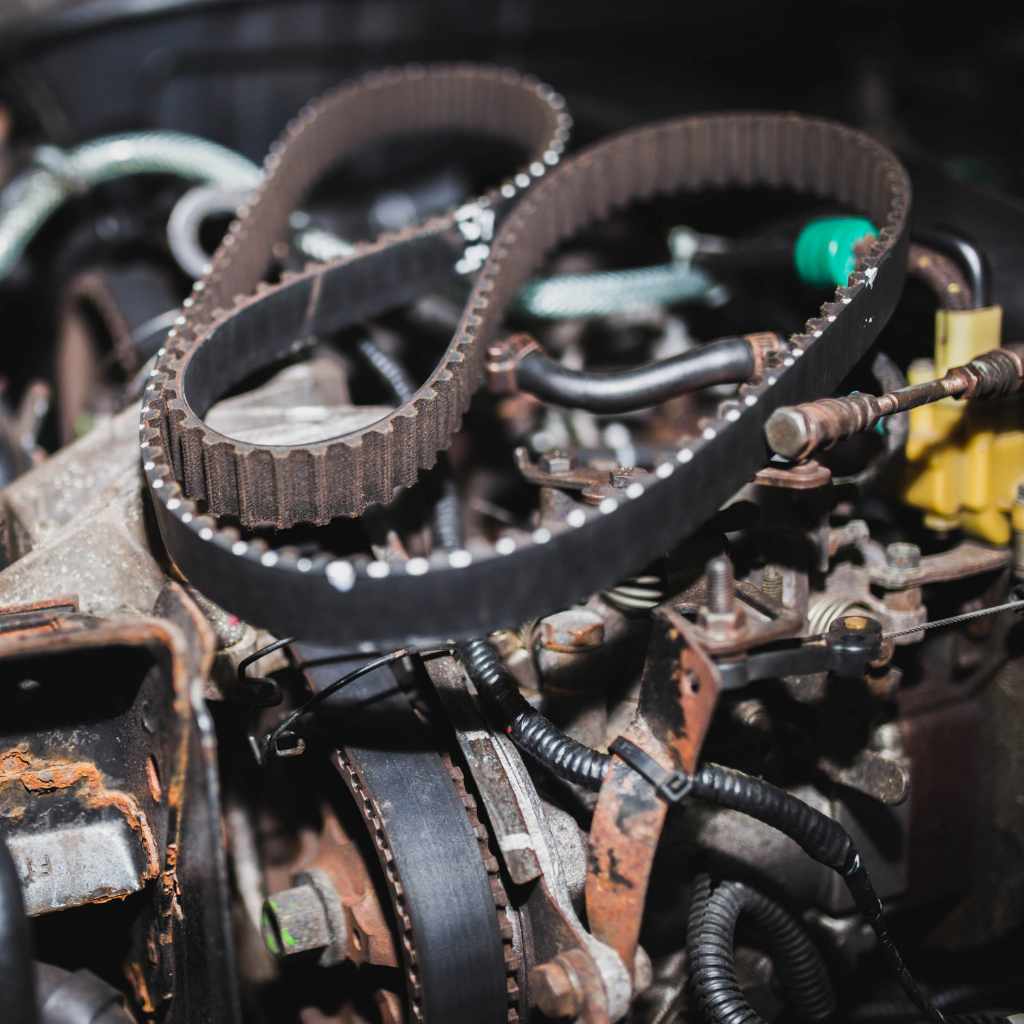
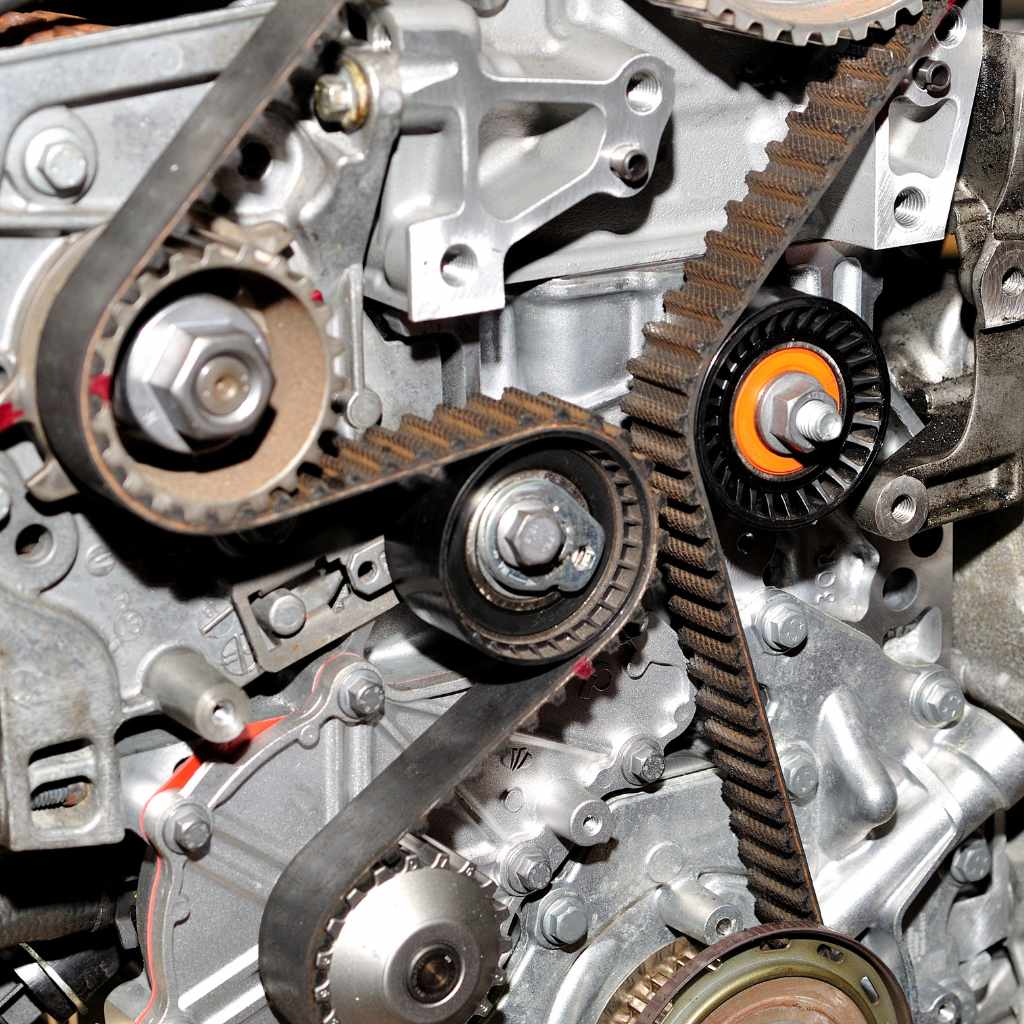
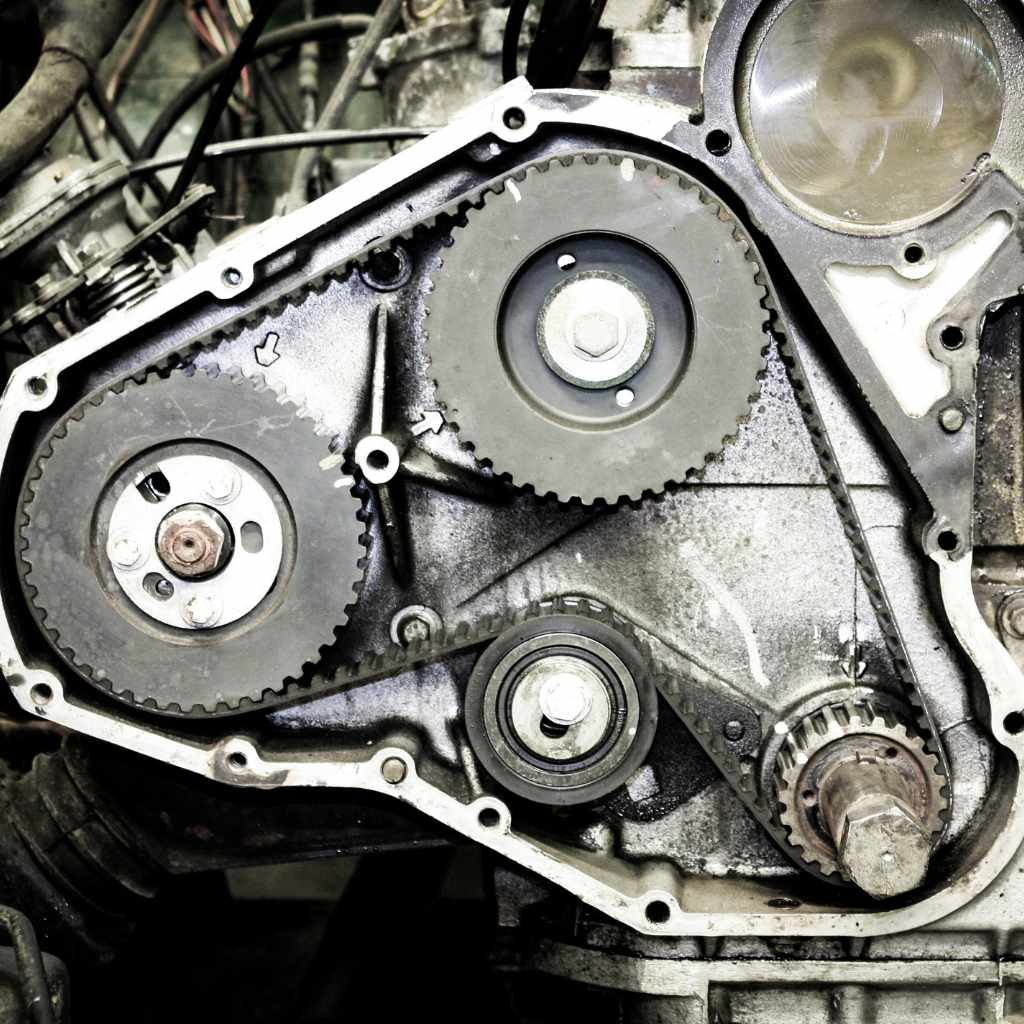
Timing belts are made of rubber with teeth. They are light and quiet. Timing chains are metal and look like bike chains. They are strong and last longer. Belts usually need replacement every 60,000 to 100,000 miles. Chains can last much longer, often the car’s life.
Advantages And Disadvantages
Belts are quieter and cheaper to make. They help the engine run smoothly. But they wear out and can break if not replaced. A broken belt can cause serious engine damage.
Chains are durable and need less frequent replacement. They handle heat and stress better. Chains are noisier and heavier. Repairs can be more expensive because they are inside the engine.
Which Cars Use Timing Belts?
Not all cars use timing belts. Some use timing chains or gears instead. Timing belts are common in many vehicles but not universal. Knowing which cars have timing belts helps with maintenance and repairs.
Common Brands And Models
Many Japanese and European cars use timing belts. Brands like Honda, Toyota, Subaru, and Volkswagen often have timing belts. Popular models such as the Honda Accord, Toyota Camry, and Subaru Outback use them. Some older Ford and Chevrolet models also have timing belts. Newer models may switch to timing chains.
Engine Types With Timing Belts
Timing belts are mostly in four-cylinder and smaller engines. Inline-four and flat-four engines commonly use timing belts. V6 engines sometimes use belts, but many use chains now. Timing belts help keep engine parts synchronized for smooth running. High-performance or heavy-duty engines often prefer timing chains for durability.
Cars Without Timing Belts
Not all cars have timing belts. Some vehicles use a different part called a timing chain. This part controls the engine’s valves, just like a timing belt does. The main difference is in the material and how they work. Timing chains are made of metal and last longer than belts.
Cars without timing belts usually have timing chains. These chains need less frequent replacement. Many modern cars now use timing chains for better durability and performance. Let’s explore what timing chains are and why they are preferred by some car makers.
Timing Chains Explained
A timing chain is a metal link chain that connects the crankshaft to the camshaft. It keeps the engine’s valves opening and closing at the right time. This chain runs inside the engine and is lubricated by engine oil. Unlike belts, chains do not crack or wear out easily.
Timing chains are stronger and can handle more stress. They are quieter in some engines but can make noise if worn out. Chains usually last the lifetime of the engine if maintained well.
Benefits Of Timing Chains
Timing chains last longer than belts. They need less frequent replacement, saving money on repairs. Chains are more durable and resistant to heat and oil. This makes them ideal for high-performance engines.
Cars with timing chains often need less maintenance. Chains do not stretch as much as belts. This helps keep the engine running smoothly for longer. Timing chains add to the reliability of the engine over time.
When To Replace A Timing Belt
Knowing when to replace a timing belt is very important for car care. The timing belt controls the engine’s timing. It keeps the engine parts moving together smoothly. If the belt breaks, the engine can stop working or get damaged. It does not last forever. Replacing it at the right time avoids costly repairs.
Typical Replacement Intervals
Most car makers suggest changing the timing belt every 60,000 to 100,000 miles. Some newer cars may have longer intervals. Check your car’s manual for the exact number. The time frame can also depend on the car’s age and use. It is safer to replace the belt before it wears out completely.
Signs Of Wear And Damage
Look for cracks or fraying on the belt surface. A worn belt may feel loose or have shiny spots. Strange engine noises, like ticking sounds, can signal belt problems. The engine might run rough or stall. These signs mean the belt needs inspection and likely replacement soon.
Cost Of Timing Belt Maintenance
Timing belt maintenance is a key part of car care. It helps avoid sudden engine problems and keeps your vehicle running smoothly. Knowing the costs of timing belt maintenance can help you plan your budget better.
Replacement Expenses
Replacing a timing belt costs between $300 and $900 on average. The price depends on the car model and labor fees. Parts like the water pump might also be replaced at the same time. This can add to the total cost. Regular replacement saves money in the long run.
Potential Risks Of Neglect
Ignoring timing belt maintenance can cause the belt to break. This may lead to serious engine damage. Repairing such damage can cost thousands of dollars. It might even require a full engine replacement. Regular checks reduce these risks and keep repair costs low.
How To Check Your Car’s Timing System
Checking your car’s timing system helps avoid engine problems. The timing system controls how the engine’s parts work together. It uses either a timing belt or a timing chain. Knowing how to check this system keeps your car running smoothly.
Regular checks catch wear or damage early. This saves money on repairs and keeps your engine safe. Start by identifying your engine setup. Then, consult the owner’s manual for specific details.
Identifying Your Engine Setup
Look under the hood for visible parts. A timing belt is usually covered by a plastic or metal shield. A timing chain is inside the engine and harder to see. Some engines use gears instead of belts or chains.
Check the engine type, such as inline or V-shaped. This helps find the timing system’s location. A mechanic can help identify the setup if unsure. Knowing the system type guides the right check and maintenance.
Consulting The Owner’s Manual
The owner’s manual has key information on your car’s timing system. Find the section about engine maintenance or timing components. It tells if your car uses a belt or chain.
The manual shows the recommended service intervals. It also gives tips on how to spot timing system issues. Follow the manual to keep the system in good shape. This prevents sudden engine failures and costly repairs.
Frequently Asked Questions
Do All Cars Use Timing Belts?
No, not all cars use timing belts. Some use timing chains or gears instead. Timing belts are common in many gasoline engines but not universal.
How Often Should A Timing Belt Be Replaced?
Timing belts typically need replacement every 60,000 to 100,000 miles. Always check your car’s manual for specific intervals.
What Happens If A Timing Belt Breaks?
If a timing belt breaks, the engine may stop running immediately. This can cause severe engine damage in interference engines.
Are Timing Chains Better Than Timing Belts?
Timing chains usually last longer than belts and need less maintenance. However, chains can be noisier and more expensive to repair.
Conclusion
Not all cars have timing belts. Some use timing chains instead. Timing belts need regular checks and changes. Chains usually last longer but still need care. Knowing your car’s system helps avoid engine problems. Check your car manual or ask a mechanic.
Keeping the timing system in good shape saves money. It also keeps your engine running smooth and safe. Simple steps can prevent costly repairs later. Stay informed and care for your car well.