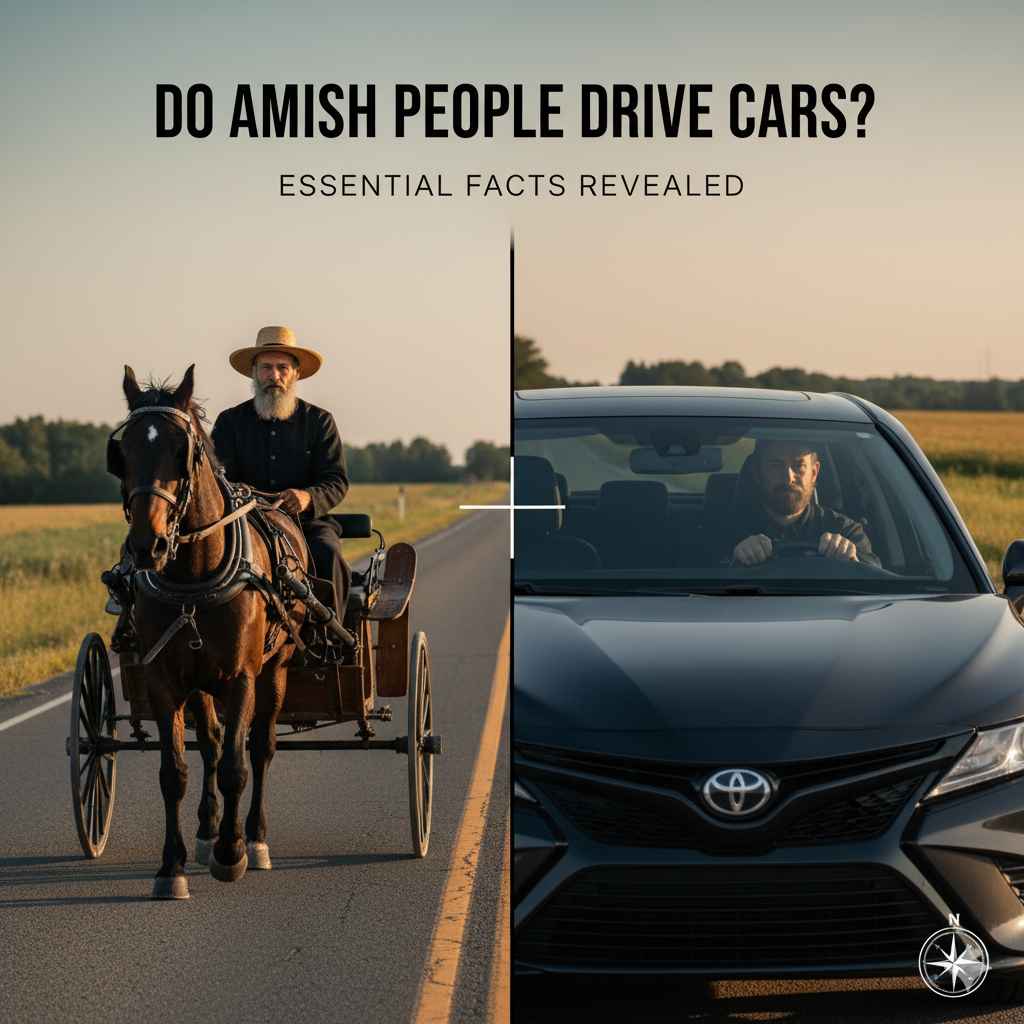
Do Amish People Drive Cars? Essential Facts Revealed
Do Amish people drive cars? In short, most Amish communities do not drive cars themselves, preferring horse-drawn buggies for daily transportation. However, they will often ride in cars driven by others for essential purposes like medical appointments or to reach distant relatives.
Have you ever wondered about the daily lives of the Amish and how they get around? It’s easy to imagine them exclusively using horse-drawn buggies, but the reality is a bit more nuanced. Many people wonder if the Amish ever use cars. Are they completely forbidden? Do they ever make exceptions? If you’re curious about their transportation choices and the reasons behind them, you’ve come to the right place. Understanding their customs is fascinating, and we’ll break it down in a way that’s easy to grasp. Let’s uncover the essential facts about whether Amish people drive cars and how they travel.
The Core of Amish Transportation: Horse and Buggy
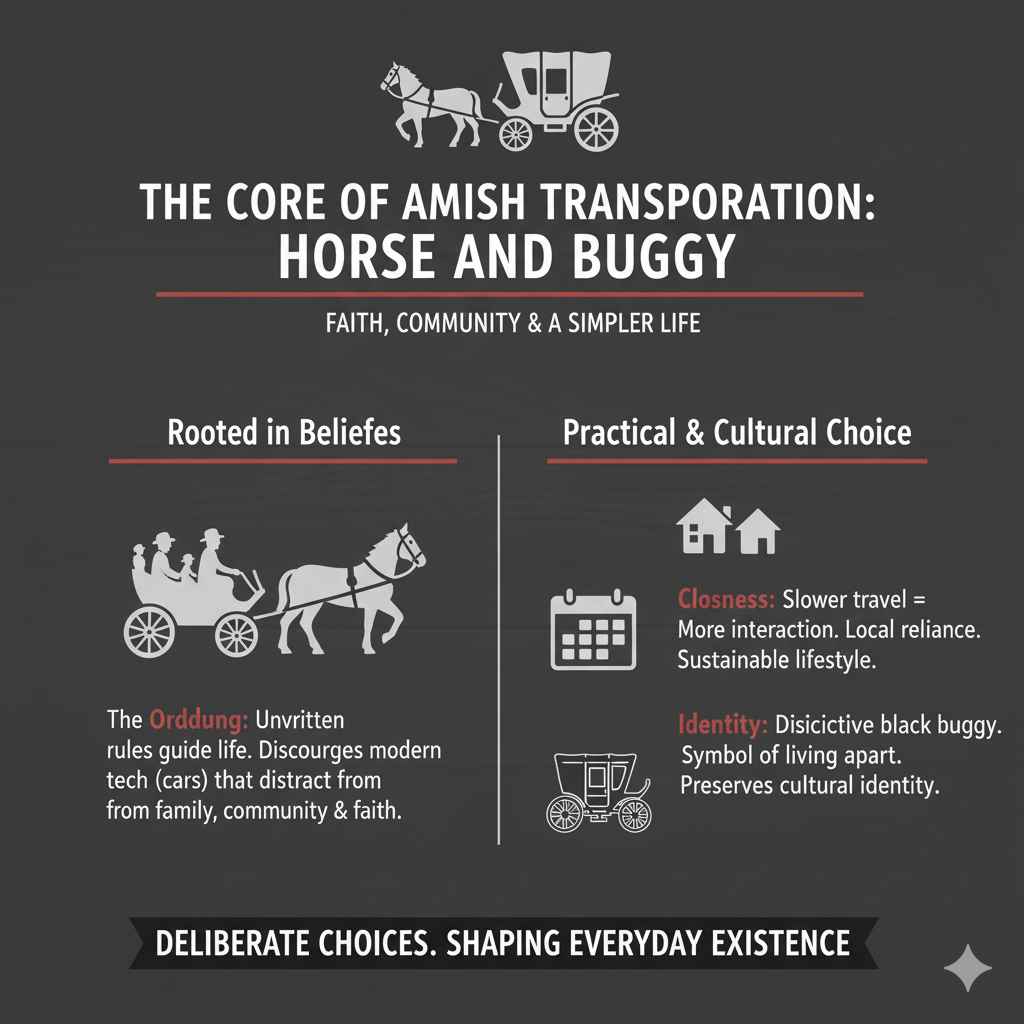
For the vast majority of Amish communities, the horse-drawn buggy is the heart of their transportation system. This isn’t just a romantic ideal; it’s a practical choice deeply rooted in their religious beliefs and commitment to a simpler way of life. The Ordnung, the unwritten rules that guide Amish life, generally discourages the use of modern technology that could distract from family, community, and faith. Cars represent a level of mobility and worldly connection that can disrupt these core values.
Using horses and buggies keeps communities close-knit. Travel is slower, which means more time for interaction with neighbors and family. It also encourages a reliance on local resources and a more sustainable lifestyle. The distinctive black buggy is a recognizable symbol of this commitment, a statement of their desire to live apart from some of the complexities of the modern world. It’s about deliberate choices that shape their everyday existence and preserve their cultural identity for future generations.
Why No Cars? Understanding the Amish Perspective
The Amish reluctance to drive cars stems from several interconnected reasons, primarily related to their faith and community values:
- Maintaining Community Boundaries: Cars allow for easy travel over long distances. The Amish value close-knit communities where neighbors rely on each other. Unrestricted travel could lead to more interactions with the outside world, potentially weakening community ties and shared values.
- Limiting Worldliness: The Amish strive to separate themselves from what they perceive as the corrupting influences of modern society. Driving cars is seen by many as embracing a worldliness that can distract from religious devotion and simple living.
- Promoting Humility and Simplicity: A horse and buggy is a simpler, less ostentatious mode of transport. Owning and driving cars can be associated with status, speed, and a focus on material possessions, which are contrary to Amish principles of humility and plainness.
- Encouraging Mutual Aid: When transportation is limited to buggies, neighbors often help each other. If someone needs to travel further or needs to transport goods, they might ask a neighbor for a ride or assistance, fostering a spirit of interdependence.
- Preserving Traditional Skills: Caring for horses and maintaining buggies are traditional skills that are passed down through generations. This contributes to self-sufficiency and a connection to the past.
While these are general principles, it’s important to remember that the Amish are not a monolithic group. Different Amish affiliations (or “Orders”) have varying interpretations of the Ordnung, leading to differences in their adoption of technology. Some more conservative groups are very strict, while others might be slightly more lenient on certain aspects, though the direct ownership and driving of cars remain rare across almost all affiliations.
Do Amish People Ride in Cars? The Exceptions to the Rule
This is where the story gets interesting. While most Amish do not drive cars, they absolutely do ride in them. This is a crucial distinction. For essential needs that cannot be met within their own community or via horse and buggy, riding as a passenger in a car is often a practical necessity. Think of it this way: they are not embracing the technology of the car itself, but rather utilizing a service offered by the outside world.
Common reasons for Amish individuals to ride in cars include:
- Medical Appointments: Accessing doctors, dentists, and hospitals, especially for serious or specialized care, often requires traveling by car to towns or cities that may be far from their homes.
- Visiting Distant Family: While they prioritize local connections, visiting relatives who live further away is still important.
- Business and Trade: Purchasing necessary supplies that are not available locally, or transporting goods to markets outside their immediate area, might necessitate a car ride.
- Legal Requirements: Attending court hearings or fulfilling other legal obligations may require travel by car.
- Emergency Situations: In urgent emergencies, a car is often the quickest and most effective way to get help.
Typically, when an Amish person needs a ride, they rely on non-Amish neighbors, friends, or hired drivers. Some communities may have designated individuals within their own community who are permitted to drive for specific purposes, but this is less common than relying on outsiders. Car ownership and driving are generally not permitted for personal, everyday use within the community.
The “Amish Taxi” Phenomenon
The necessity for Amish individuals to ride in cars has led to what some observers call the “Amish taxi” phenomenon. In areas with significant Amish populations, there are often non-Amish individuals or services that specialize in providing transportation for them. These drivers understand the unique needs and expectations of their Amish passengers, respecting their customs and needs for privacy.
This symbiotic relationship highlights how the Amish, while committed to their traditional way of life, are also pragmatic. They find ways to navigate the modern world when necessary, without compromising their core values. It’s a testament to their adaptability and their ability to seek practical solutions while maintaining their distinct identity.
Are There Any Amish Who Do Drive Cars?
Generally, the answer is no, not in the way most people understand it. Driving a car for personal, daily use is one of the most consistently regulated aspects of modern technology across almost all Amish affiliations. The act of operating an automobile signifies a level of independence, speed, and potential engagement with the outside world that is generally prohibited by the Ordnung.
However, there are very rare exceptions or situations that might blur the lines:
- “English” (Non-Amish) Drivers: As mentioned, they will ride with non-Amish drivers. This is extremely common.
- Learning to Drive (in limited contexts): In some very rare instances, younger Amish individuals might be allowed to learn how to operate a vehicle under strict supervision, not for personal use, but perhaps to assist elderly relatives who might have special exemptions, or in preparation for driving a horse and buggy in traffic conditions where understanding car behavior is helpful. This is highly uncommon and not widespread.
- “Pragmatic” Groups or Individuals (Extremely rare): While not recognized as mainstream, there might be isolated individuals or very small, fringe groups who adopt more modern practices. However, these would likely be considered “deviant” by the larger Amish church and would not represent the typical Amish lifestyle.
- Limited Commercial Use: Very rarely, an Amish business might contract with a non-Amish person to deliver products that require longer distances or faster transport, but the Amish person themselves would not be driving.
For all intents and purposes as a beginner seeking to understand, assume that Amish individuals do not own or drive cars for their personal use. Their reliance on horse and buggy is the defining characteristic of their daily transportation.
The Role of Technology in Amish Life
The Amish approach to technology is fascinating and often misunderstood. It’s not about a blanket rejection of all modern inventions, but rather a careful, community-based evaluation of how each technology impacts their way of life, faith, and community cohesion. For example, many Amish households use propane refrigerators, gas stoves, and even generators for certain needs, but they draw the line at personal, privately-owned cars.
Cars represent a significant step towards assimilation into mainstream society. They enable quick, independent travel, which can lead to greater interaction with the “English” world, distractions from family and church responsibilities, and an emphasis on individualism over community needs. The horse and buggy, conversely, inherently promotes a slower pace of life, encourages reliance on neighbors, and keeps the community geographically and socially focused.
The decision-making process for adopting or rejecting technology is often guided by committees and bishops within each Amish church district. This ensures that decisions are made collectively and align with the shared values of the community. What might be acceptable in one district could be forbidden in another.
A helpful resource for understanding Amish practices regarding technology can be found through academic institutions that study them. For instance, research often delves into how different Amish groups adapt to varying levels of technological integration. You can often find extensive research papers through university libraries or scholarly databases, providing a deeper academic perspective on these choices.
Comparison of Transportation Methods
To further illustrate the differences, let’s compare the primary transportation methods:
| Feature | Horse and Buggy | Personal Car |
|---|---|---|
| Speed | Slow (average 5-10 mph) | Fast (highway speeds possible) |
| Range | Limited to local area | Extensive, national/international |
| Cost of Ownership | Lower initial cost (horse, buggy), ongoing costs for feed, shoeing | High initial cost, ongoing costs for fuel, insurance, maintenance, repairs |
| Environmental Impact | Low (natural power, manure as fertilizer) | High (emissions, fossil fuel dependent) |
| Community Impact | Fosters local interaction, reliance on neighbors | Enables independence, less reliance on immediate community for travel |
| Technological Integration | Minimal (basic mechanical components) | High (complex electronics, engines) |
| Amish Acceptance | Primary mode of transport | Generally prohibited for personal use |
This table highlights why the horse and buggy remains the preferred method for the Amish. Its values align with simplicity, community, and a slower pace, whereas personal cars facilitate speed, independence, and integration with the broader world, which they actively seek to limit.
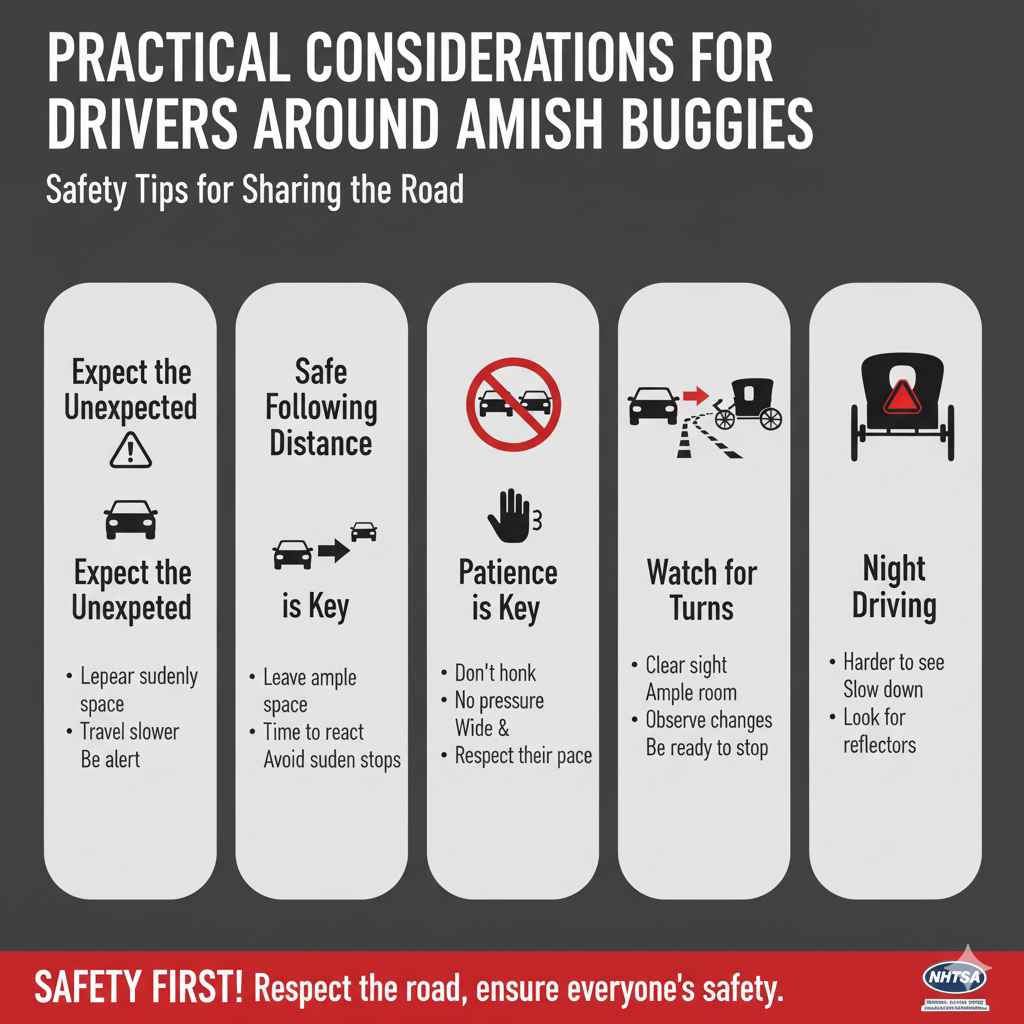
Practical Considerations for Drivers Around Amish Buggies
If you frequently drive in areas where Amish communities are present, it’s essential to be aware and drive with extra caution. Here are some tips:
- Expect the Unexpected: Buggies can appear on roads at any time, often without much warning. They may travel slower than surrounding traffic.
- Maintain Safe Following Distance: Always leave plenty of space between your vehicle and a buggy. This gives you time to react if the buggy stops suddenly or swerves slightly.
- Be Patient: Do not honk your horn aggressively at a buggy or try to pressure them to move faster. They are traveling at their usual pace.
- Pass Safely: Only pass a buggy when it is safe to do so and there is ample room. Ensure you have a clear line of sight and are not approaching a hill or curve. Pass slowly and with a wide berth.
- Watch for Turns: Buggies may signal turns by hand, but be observant for any change in direction.
- Night Driving: Buggies may have reflective triangles on the back, but they can be harder to see at night. Drive particularly slowly and cautiously in low-light conditions.
- Road Conditions: Buggies may be more affected by poor road conditions, potholes, or mud than cars.
Understanding and respecting these simple rules of the road ensures the safety of both the buggy occupants and other drivers. Organizations like the National Highway Traffic Safety Administration (NHTSA) often provide general guidelines for sharing the road with slower-moving vehicles, which are applicable here.
Conclusion: A Life of Deliberate Choices
So, do Amish people drive cars? The answer, for the most part, is no. Their choice to primarily use horse-drawn buggies is a deeply ingrained part of their religious and cultural identity, aimed at preserving community bonds, fostering humility, and limiting worldly distractions. However, they are practical people, and they will ride in cars when necessary for essential services like healthcare or to connect with distant family. This distinction between driving and riding is key to understanding their relationship with modern transportation.
The Amish way of life is a powerful reminder that progress isn’t always about adopting the latest technology. It’s often about making deliberate choices that align with what is most important: faith, family, and community. When you see a horse and buggy on the road, remember it’s not just a slower mode of transport, but a symbol of a deeply held commitment to a different way of living. It’s a life lived with intention, and that’s something we can all appreciate, regardless of how we choose to get around.
Frequently Asked Questions (FAQ)
Do all Amish communities avoid cars completely?
While the vast majority of Amish communities do not permit members to own or drive cars for personal, everyday use, there can be slight variations in specific practices between different “Orders” or affiliations. However, the rejection of personal car ownership is a very strong and widespread tenet across nearly all Amish groups.
Can Amish people use telephones?
Yes, many Amish communities permit the use of telephones, but typically not for personal, in-home installation. Often, phones are shared communally in a shed or small building away from the house, or they might be allowed in a business setting. This limits their use and prevents them from becoming a constant distraction.
What kind of vehicles do the Amish use for business?
For businesses that require transportation of goods or services beyond what a buggy can handle, Amish businesses often hire non-Amish drivers or contract with external companies. They do not typically own or drive vehicles for business purposes themselves.
Is it true that Amish people sometimes use modern medicine?
Yes, Amish people often utilize modern medicine and healthcare services. While they value natural remedies and community support, they understand the necessity of doctors, hospitals, and medical treatments for serious illnesses and injuries. This is one of the primary reasons they will ride in cars – to access healthcare.
How far can an Amish person travel in a buggy?
The practical range of a buggy is usually limited to a few miles, depending on the terrain and the horse’s endurance. This limitation naturally keeps Amish life centered within their local community, fostering strong neighborly bonds.
Do Amish children go to school?
Yes, Amish children typically attend their own one-room Amish schools up through the eighth grade. The curriculum focuses on basic academic skills, religious instruction, and practical life skills relevant to their community. They do not usually pursue higher education in the traditional sense.
Are Amish people against all technology?
No, the Amish are not against all technology. They carefully evaluate each new technology based on its potential impact on their faith, family, and community. They may permit technologies like propane refrigerators, gas stoves, or generators if they are deemed beneficial and do not foster a sense of individualism or worldliness. The key is community consensus and adherence to the Ordnung.