Do Car Windows Offer UV Protection? Essential Guide
Yes, most car windows offer some UV protection, but the level varies significantly. Factory-installed options often block a good portion of harmful UV rays, while aftermarket options like tinting can provide enhanced protection. Understanding what to look for ensures you and your passengers stay safer from sun damage.
You hop into your car on a sunny day, ready for your commute or a road trip. But have you ever wondered if the sun’s rays are reaching you inside? It’s a common question that pops up when you’re concerned about sun exposure. Many people assume all glass is created equal and blocks the sun’s harmful ultraviolet (UV) rays. However, the reality is a bit more nuanced. The good news is you don’t need to be a car expert to understand this! We’re going to break it down simply, so you can know exactly how much protection your car windows are giving you. Let’s explore how your car windows handle UV rays and what you can do to maximize your safety from the sun, even while you drive.
Understanding UV Rays and Your Skin
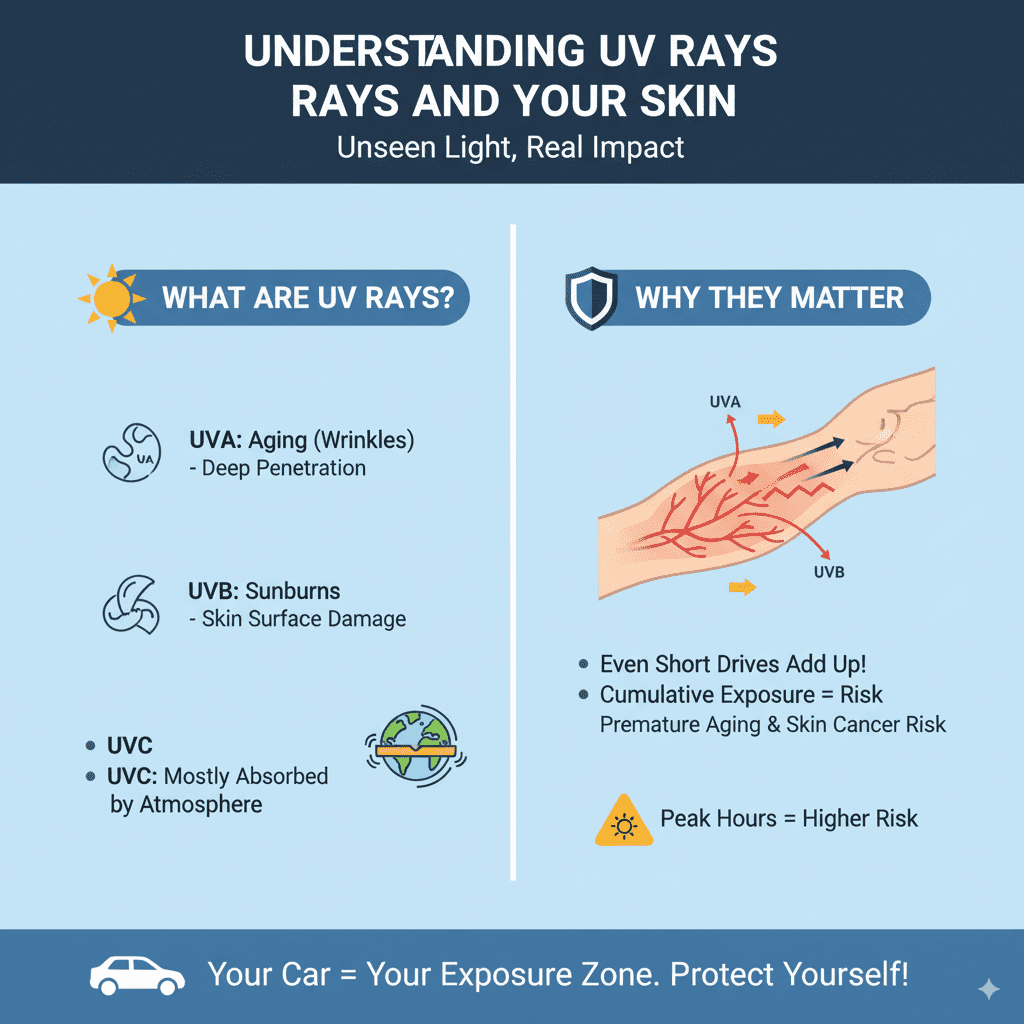
Before we dive into car windows, let’s quickly chat about what UV rays are and why they matter. UV stands for Ultraviolet, and it’s a type of light from the sun that we can’t see. There are three main types: UVA, UVB, and UVC. UVC is mostly absorbed by the Earth’s atmosphere, so we don’t need to worry too much about it. However, UVA and UVB rays can reach us. UVB rays are the ones that cause sunburns. UVA rays penetrate deeper into your skin and contribute to premature aging, like wrinkles, and can also increase your risk of skin cancer. Even a short drive can expose you to significant amounts of these rays over time, especially if you regularly drive during peak daylight hours.
Do Car Windows Block UV Rays? The Basics
This is the big question, and the answer is… it depends! Here’s a simple breakdown:
- Windshields (Front Windows): Most car windshields are made with laminated glass. This involves two layers of glass with a plastic (PVB) layer in between. This construction alone provides good protection against UVA and UVB rays. Car manufacturers typically treat this glass to block a significant portion, often around 96-99% of UV radiation. This is a built-in safety feature designed to protect occupants.
- Side and Rear Windows: These windows are usually made of tempered glass. While they offer some protection, they generally block fewer UV rays than a treated windshield. The exact percentage can vary by manufacturer and the specific type of glass used, but it’s typically less than what you get from the windshield.
It’s important to remember that even if windows block a good amount of UV, prolonged exposure is still a concern, especially for drivers who spend many hours behind the wheel. Think of it like sunscreen: some is good, but reapplying or using stronger protection is better for extended periods in the sun.
The Science Behind Car Window UV Protection
Why do some windows block more UV than others? It all comes down to the materials and any treatments applied during manufacturing. The PVB (polyvinyl butyral) interlayer in laminated windshields is a key player. It acts as a natural barrier against UV light. For side and rear windows, which are made of tempered glass, manufacturers might add special coatings that reflect or absorb UV rays before they can pass through the glass. These coatings are incredibly thin, so you wouldn’t even notice them, but they make a real difference in the amount of UV light blocked.
The National Highway Traffic Safety Administration (NHTSA) sets standards for automotive glass, including aspects related to safety and light transmission, which indirectly relates to UV blocking effectiveness. As noted by the National Highway Traffic Safety Administration, automotive glass plays a crucial role in vehicle safety.
What Are UV Ray Transmission Rates?
UV ray transmission refers to how much UV light can pass through a material. For car windows, this is often measured as a percentage. The lower the transmission rate, the more UV rays are blocked.
Here’s a general idea of what you might find:
- Windshield (Factory Treated): Typically blocks 96-99% of UVA and UVB rays. This means only 1-4% of UV rays get through.
- Side/Rear Window (Untreated Tempered Glass): Can block around 70-80% of UVA and UVB rays, meaning 20-30% can still pass through.
- Tinted Windows: Aftermarket tinting can significantly increase UV protection, often blocking 99% or more of UV rays, depending on the film used.
Factors Affecting UV Protection
Several things can influence how much UV protection your car windows offer:
- Glass Type: As mentioned, laminated vs. tempered glass makes a difference.
- Manufacturing Treatments: Special UV-blocking coatings are applied by manufacturers.
- Window Tint: Applying aftermarket tint film can add a substantial layer of protection.
- Age of the Glass: While less common, very old or damaged glass might degrade in its protective qualities over many years, though this is usually a minor factor compared to the initial manufacturing.
- Window Clarity and Color: While most car windows are clear, some slight variations in manufacturing can alter how light passes through.
Understanding Window Tinting and UV Protection
Window tinting is a popular aftermarket addition for many reasons: it can improve aesthetics, reduce interior heat, and provide enhanced privacy. But a major, and often overlooked, benefit is its ability to significantly boost UV protection.
Types of Window Tint Film
Window tint films are made from various materials and technologies. Understanding these can help you choose the right one:
- Dyed Films: These are the most affordable. They have a layer of dye that absorbs UV rays. However, the dye can fade over time, and they may not offer the highest level of UV protection compared to other types.
- Metalized Films: These films contain tiny metal particles that reflect solar heat and UV rays. They are durable and offer good UV protection as well as heat rejection.
- Carbon Films: These use carbon particles, which don’t interfere with electronic signals (like radio or GPS) in your car. They offer excellent UV protection and heat rejection and are known for their long-lasting color.
- Ceramic Films: These are the most advanced and typically the most expensive. They use ceramic particles to reject heat and block UV rays without any metallic components, ensuring no electronic interference and excellent durability.
Benefits of Tinted Windows for UV Protection
When you choose a quality window tint, you’re adding a significant layer of defense against harmful UV rays. Many high-quality tint films are specifically designed to block:
- 99%+ of UVA rays
- 99%+ of UVB rays
This makes a big difference for anyone who spends a lot of time in their car, especially drivers. It helps protect your skin from premature aging and reduces the risk of developing skin cancer. It also protects your car’s interior from fading and cracking due to sun exposure.
Choosing the Right Tint: Look for UV Ratings
When shopping for window tint, don’t just look at the darkness (visible light transmission or VLT). Always ask about the film’s UV rejection rating. Reputable brands will clearly state how much UV light their films block. Many films advertise “99% UV rejection.” You can often find this information on the manufacturer’s specifications sheet.
Legal Tinting Regulations
It’s crucial to be aware of your local laws regarding window tint. Each state or region has regulations on the darkness (VLT percentage) allowed for different windows. For example, front windshields often have specific rules, and side windows might have a minimum VLT requirement. Always check your local regulations before getting your windows tinted to avoid tickets and ensure compliance. Many professional tint installers will be knowledgeable about these laws.
How to Check Your Car’s UV Protection
You don’t need to be a detective to get a sense of your car’s UV protection. Here are some easy ways:
- Read Your Car’s Manual: Your vehicle’s owner’s manual is a goldmine of information. Look for sections on glass or safety features. It might even specify the UV protection levels of the factory-installed glass.
- Visual Inspection: Notice if your car has a dark band at the top of the windshield. This is often a UV-blocking tint applied during manufacturing.
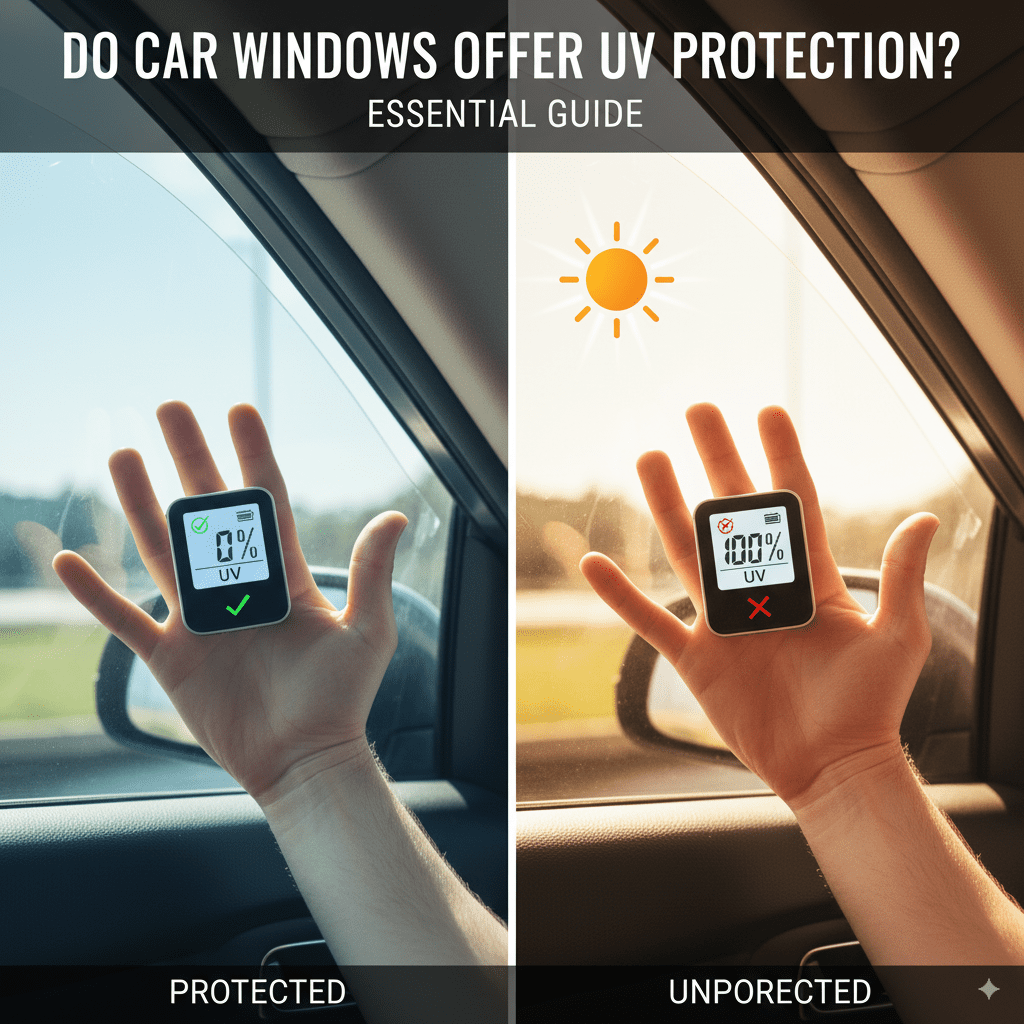
- UV Light Test: This is a fun DIY test! You can buy a “UV flashlight” and “UV-sensitive stickers” online. Stick one of the UV stickers onto a piece of paper and hold it next to an open car window, shining the UV flashlight on it. Then, hold the same sticker inside the car, near the window, and shine the UV flashlight. If the sticker appears significantly less bright or doesn’t change color as much when the UV light is shone through the window, it indicates UV rays are being blocked. You can then repeat this test for different windows to compare.
- Consult a Professional: If you’re unsure, a reputable auto glass shop or tint installer can test your windows and provide information on their UV-blocking capabilities.
UV Protection Levels Table
To make it even clearer, here’s a table summarizing typical UV protection levels:
| Window Type | Typical UV Protection (Blocking UVA/UVB) | Notes |
|---|---|---|
| Factory Windshield (Laminated & Treated) | 96% – 99%+ | Designed for maximum UV blockage. |
| Factory Side/Rear Windows (Tempered) | 70% – 80% | Offers some protection, but less than the windshield. |
| Aftermarket Light Tint (e.g., 70% VLT) | Up to 99% | Significantly enhances UV protection. |
| Aftermarket Medium Tint (e.g., 35% VLT) | Up to 99%+ | Good balance of protection and visibility. |
| Aftermarket Dark Tint (e.g., 20% VLT) | Up to 99%+ | Highest UV blockage, check local laws for VLT limits. |
| Specialty UV-Blocking Films (Ceramic, etc.) | 99%+ | Excellent UV protection without affecting visibility or electronics. |
Protecting Yourself and Your Passengers
Even with good factory UV protection, it’s wise to take extra precautions, especially for long drives or especially sunny days. Think of your car as an extension of your outdoor time.
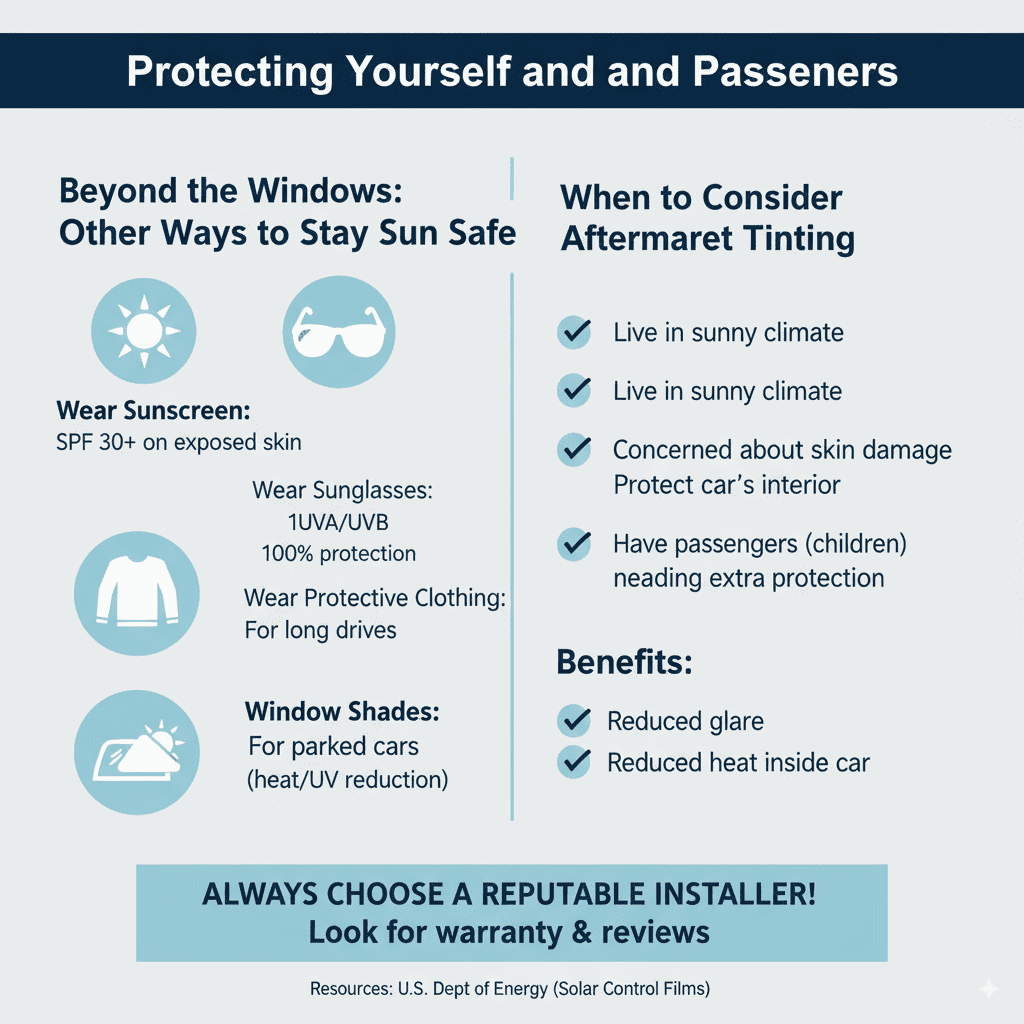
Beyond the Windows: Other Ways to Stay Sun Safe
- Wear Sunscreen: Apply sunscreen with an SPF of 30 or higher to any exposed skin, including your arms and face, even when driving. Remember to reapply!
- Wear Sunglasses: Protect your eyes with sunglasses that offer 100% UVA and UVB protection. This is crucial for drivers to prevent glare and protect delicate eye tissues.
- Wear Protective Clothing: Consider long-sleeved shirts or sun-protective clothing if you’re frequently exposed to strong sunlight while driving long distances.
- Window Shades: For parked cars, especially with children or pets inside, consider using sunshades for the windows. While they don’t protect while you’re driving, they can significantly reduce heat and UV exposure when the car is stationary.
- Window Films for Kids: If you often have children in the back seat, ensure those windows are adequately protected. Aftermarket UV-blocking films are fantastic for this.
When to Consider Aftermarket Tinting
You might want to consider getting your windows tinted if:
- You live in a sunny climate and spend a lot of time in your car.
- You are concerned about skin damage or premature aging from driving.
- You want to protect your car’s interior from sun damage and fading.
- You have passengers, especially children, who need extra protection.
- You also want the benefits of reduced glare and heat inside the car.
When choosing an installer, look for a reputable business with good reviews. Ask about the warranty on the tint film and the installation itself. A professional installation ensures a clean, bubble-free finish and proper application of the film, maximizing its effectiveness and longevity. For more on the benefits of solar control films, you can explore resources from organizations like the U.S. Department of Energy, which discusses how window films can impact energy efficiency and comfort.
Frequently Asked Questions (FAQs)
Q1: Do all car windows block UV rays?
No, but most do to some extent. Factory windshields are typically treated and offer high UV protection (96-99%). Side and rear windows offer less inherent UV protection unless they have special coatings or aftermarket tinting.
Q2: Is tinted car window glass better for UV protection?
Yes, aftermarket window tinting, especially with quality films like carbon or ceramic, significantly enhances UV protection, often blocking 99% or more of harmful UVA and UVB rays.
Q3: Can I check the UV protection of my car windows myself?
Yes, you can use a UV flashlight and UV-sensitive stickers for a DIY test. Shine the light through the window with the sticker on the other side. A significant reduction in the sticker’s reaction indicates good UV blocking.
Q4: Will my car’s factory tint block UV rays?
Many modern cars have factory-tinted windows that do provide UV protection. However, this protection is often less than what advanced aftermarket films offer. The windshield typically has the best factory UV protection.
Q5: Are there legal limits to how dark I can tint my windows?
Yes, absolutely. Every state and country has laws regarding the maximum darkness (visible light transmission percentage or VLT) allowed for car windows. Always check your local laws before tinting.
Q6: Does window tinting interfere with my car’s electronics?
Some older types of metalized window tint can interfere with radio or GPS signals. However, modern carbon and ceramic films are designed to avoid these issues.
Q7: How long does window tinting last?
High-quality window tint films, especially ceramic and carbon types, can last 10-20 years or even longer with proper care. Cheaper dyed films may fade or bubble much sooner.
Conclusion
Navigating the world of car window UV protection might seem complex, but as we’ve explored, it’s quite manageable. Your car’s windshield likely offers significant protection right from the factory, but your side and rear windows might not be as effective. Fortunately, options like high-quality window tinting can dramatically boost your defense against harmful UV rays for all your car’s windows. By understanding the different types of glass, the benefits of tinting, and how to check what your car offers, you can make informed decisions. Remember, protecting yourself and your passengers from the sun’s damaging effects is an ongoing effort, and ensuring your car windows are up to the task is a smart step. Stay safe and enjoy your sunny drives with confidence!