Do Electric Cars Have Spare Tires? Here’S The Truth
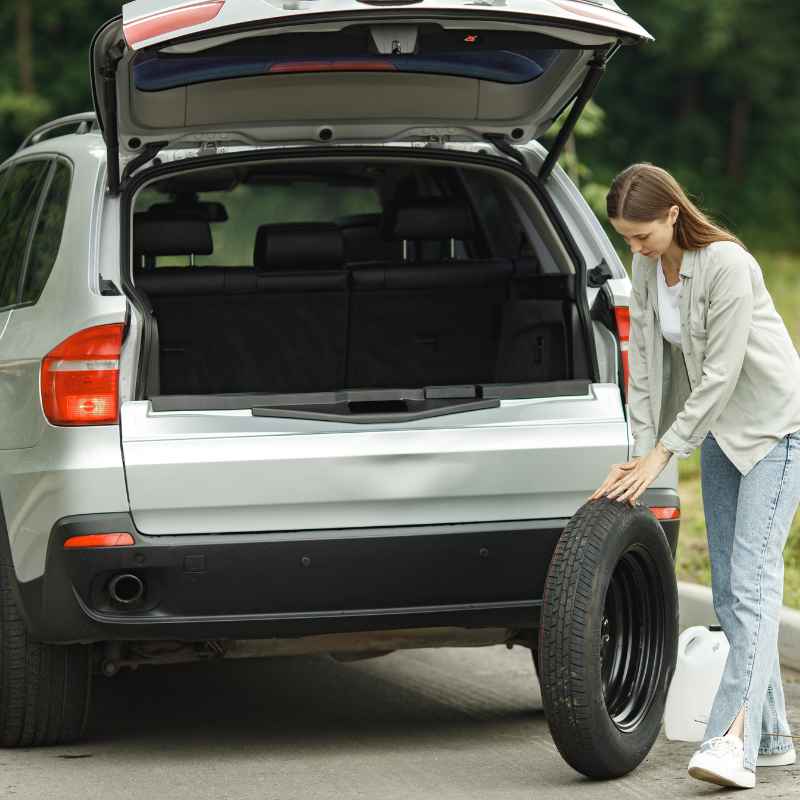
The vast majority of electric cars do not come equipped with a spare tire. This is a significant shift from traditional gasoline-powered vehicles. Instead, many EVs rely on other solutions to handle tire issues. Understanding these alternatives is key for any EV owner.
The Evolution of the Spare Tire
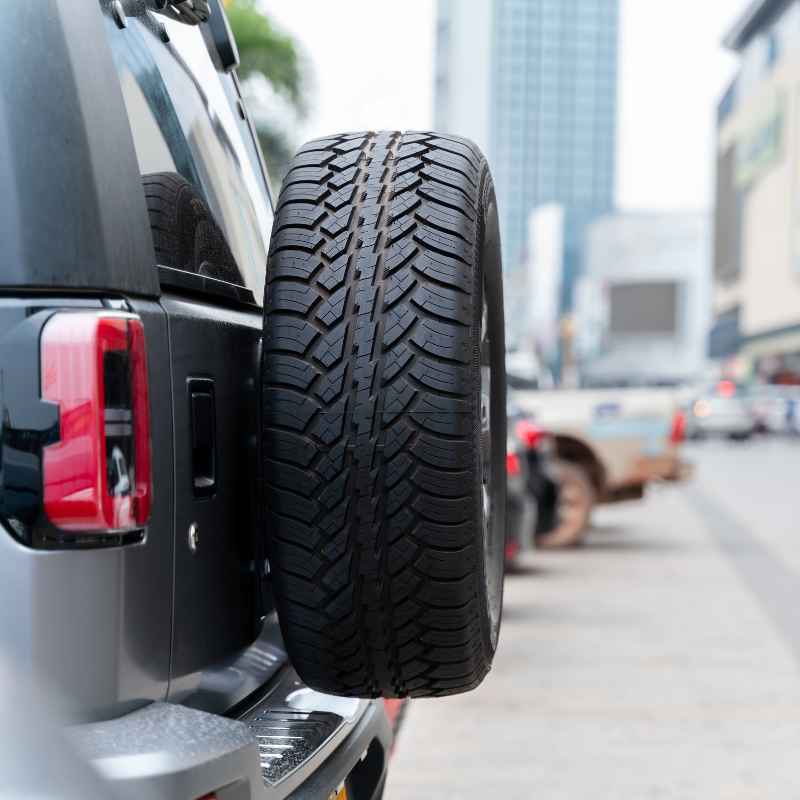
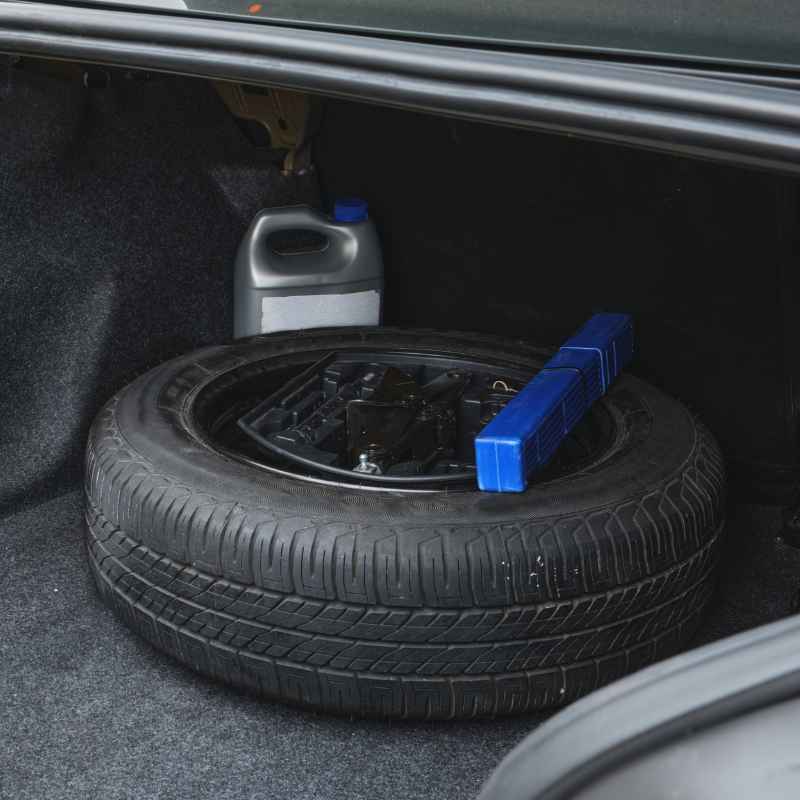
For decades, a spare tire was a standard feature in most cars. It sat in the trunk, under the cargo floor, or sometimes mounted on the back of an SUV. This was a comforting backup for flat tires.
It meant most drivers could get themselves to a repair shop safely. But things have changed a lot in the car world.
Car manufacturers started to look for ways to make cars lighter. Lighter cars use less fuel. Even a small weight saving can add up.
The spare tire and its associated tools can weigh quite a bit. So, some car makers began to remove them. This trend started even before electric cars became popular.
They
Why Electric Cars Often Skip the Spare
Electric cars face a unique set of design and engineering challenges. These challenges directly influence the decision to include or exclude a spare tire. It’s not just about saving weight; it’s about optimizing the entire vehicle package.
One major factor is space. Electric cars have large battery packs. These batteries are usually located under the floor of the car.
This placement lowers the center of gravity. It also takes up valuable space where a spare tire might normally go. The battery is the heart of the EV.
It needs its dedicated space and protection.
Then there’s the weight issue again. Electric cars are already heavier than comparable gasoline cars. This is due to the battery pack.
Adding a spare tire and its heavy mounting hardware would further increase the vehicle’s weight. More weight means less driving range. Car makers work very hard to maximize the range of their EVs.
Every pound counts.
Another reason is the type of tires EVs often use. Many electric cars come with special tires. These tires are designed for lower rolling resistance.
This helps improve efficiency and range. They are also often designed to handle the instant torque and heavier loads that EVs can produce. These tires are sometimes more robust.
They may be less prone to minor punctures that a spare would traditionally handle.
Finally, the technology in modern cars has improved. Tire pressure monitoring systems (TPMS) are standard. These systems alert drivers to low tire pressure or a puncture early.
This gives drivers more time to react before a tire is completely flat.
Alternative Solutions for EV Tire Issues
Since most electric cars don’t have a spare tire, manufacturers have adopted different strategies. These aim to address flat tires without the need for a traditional spare.
Tire Sealant and Inflator Kits:
This is the most common alternative. These kits typically include:
- A can of tire sealant.
- An electric air compressor that plugs into the car’s power outlet.
The sealant is injected into the tire through the valve stem. It’s designed to fill small holes. Then, the compressor is used to reinflate the tire.
This solution is intended for small punctures. It’s not effective for large gashes or sidewall damage. You need to follow the kit’s instructions carefully.
Run-Flat Tires:
Some electric cars are equipped with run-flat tires. These tires have reinforced sidewalls. They are designed to support the weight of the vehicle even with zero air pressure.
This allows you to drive a limited distance (usually around 50 miles) at a reduced speed (typically 50 mph) to a safe place. This gives you time to get a repair or replacement. Run-flat tires can be more expensive and may offer a firmer ride.
Roadside Assistance Programs:
Most EV manufacturers include roadside assistance as part of their vehicle package. This service can be invaluable if you experience a tire issue. They can dispatch a tow truck to take your car to a service center or tire shop.
For EVs, they might also have specialized equipment to handle towing.
My Own Run-In with a Flat EV Tire
I remember it vividly. I was driving my neighbor’s nearly-new electric SUV one crisp autumn evening. The sun had just set, painting the sky in streaks of orange and purple.
We were heading home from a friend’s place, about fifteen minutes from my house. Suddenly, I heard it. That unmistakable thump-thump-thump sound.
My heart sank. I immediately checked the dashboard. No warning lights.
The car still felt okay to drive. But the sound was persistent. I pulled over to the side of a quiet country road.
The air was cool and smelled of fallen leaves. I opened the trunk, expecting to find the familiar spare tire.
Nothing. Just a neatly organized cargo area and, nestled in a compartment, a small kit with a bottle and a mini-compressor. My neighbor, sensing my confusion, said, “Oh yeah, they don’t come with spares anymore.” My initial thought was pure annoyance, followed quickly by a wave of anxiety.
What if this was a serious problem? Could this little kit really help?
We decided to try the kit. It was surprisingly straightforward. I carefully followed the instructions, connecting the compressor and adding the sealant.
The compressor hummed to life. It took a few minutes, but the tire pressure slowly climbed. We were able to drive slowly and carefully the rest of the way home.
It was a relief, but the experience highlighted how different EVs are. It also made me realize how much we rely on those old conveniences. I learned that day that being prepared means understanding the new tools available.
Understanding Your EV’s Tire Repair Options
Knowing what options your electric car offers for tire emergencies is crucial. It’s not just about what the manufacturer provides, but also about what you can do yourself.
Tire Sealant Kits Explained:
These kits are a compromise. They are designed for minor punctures, usually from nails or screws. The sealant is a liquid or foam that coats the inside of the tire.
When the tire is deflated, the sealant flows into the hole. As the tire rotates, centrifugal force helps spread the sealant. It then dries or cures to create a seal.
The electric pump reinflates the tire.
Important Notes:
- These kits are temporary fixes.
- They may not seal larger holes.
- They can sometimes make a permanent repair more difficult or impossible.
- Sidewall damage cannot be fixed with these kits.
- Always check the tire’s condition once you reach a repair shop.
EV Tire Emergency Quick Guide
What to do if you get a flat:
1. Assess the situation. Is it safe to stop? Can you see the damage?
2. Check your car’s manual. It will explain your specific tire repair system.
3. Use the sealant kit (if applicable). Follow instructions carefully for small punctures.
4. Call roadside assistance. For larger damage or if the kit fails.
5. Know your limits. Sealant kits are temporary. Drive slowly to a repair shop.
Run-Flat Tires: What to Expect:
If your EV has run-flat tires, the experience is different. You might not even realize you have a flat immediately. The car will likely signal a tire pressure issue.
The key is to drive cautiously and not push the tires beyond their recommended limits. You’ll need to find a tire shop that can service them, as they can be trickier to repair.
The Role of Tire Pressure Monitoring Systems (TPMS):
TPMS is a vital safety feature. It constantly monitors the air pressure in each tire. If pressure drops too low, a warning light illuminates on your dashboard.
This gives you advance notice. You can then stop in a safe location to check your tires. It allows you to use your sealant kit or call for help before the tire is completely ruined.
Real-World Scenarios: When Tire Issues Arise
Tire problems can happen anywhere, anytime. For EV owners, understanding these scenarios can help them prepare.
The Highway Blowout:
Imagine you’re on a long road trip, cruising at highway speeds. Suddenly, you hear a loud bang, and the car starts to pull sharply. This is often a blowout.
If you have a traditional spare, you’d pull over and change it. With an EV, this is where run-flat tires shine. They could get you to an exit.
If you don’t have run-flats, this is a roadside assistance situation. The sealant kit is unlikely to help with a blowout.
The Slow Leak from a Nail:
This is the most common scenario. You’re driving around town, and your TPMS light comes on. You find a nail or screw embedded in the tread.
This is exactly what tire sealant kits are designed for. You can often fix this yourself quickly and safely. Then, you can drive to a tire shop for a proper repair or replacement.
Hitting a Pothole:
A deep pothole can cause significant damage. It might lead to a bent rim, a damaged sidewall, or even a slow leak. If the sidewall is compromised, sealant kits won’t help.
You’ll likely need a tow. This reinforces why driving carefully on rough roads is important, even in an EV.
Normal vs. Concerning Tire Behavior
Normal Tire Behavior
Slow Pressure Loss: A few PSI drop over a month is typical.
Minor Punctures: Small nail holes in the tread are often fixable.
Temperature Changes: Tire pressure fluctuates with ambient temperature.
Concerning Tire Behavior
Rapid Pressure Loss: Losing significant air quickly indicates a leak.
Sidewall Damage: Cuts or bulges on the side are serious.
Unusual Noises: Thumping or grinding sounds.
Car Pulling Sharply: A sign of a severely deflated or damaged tire.
What This Means for Your EV Ownership
The absence of a spare tire in electric cars might seem like a drawback, but it’s part of the overall design philosophy. It forces a shift in how drivers think about and handle tire issues.
When it’s Normal:
It’s normal for your EV not to have a spare tire. It’s also normal for the manufacturer to provide a sealant and inflator kit. Expect your car to have TPMS.
It’s also normal to rely on roadside assistance for more serious problems.
When to Worry:
You should worry if your TPMS light stays on constantly, or if it flashes. Worry if you hear loud noises or the car handles strangely. If you have a large gash, a blowout, or sidewall damage, that’s a serious concern.
Don’t try to drive far on a severely damaged tire.
Simple Checks You Can Do:
Regularly check your tire pressure. A quick visual inspection for any obvious damage is also wise. Make sure your sealant kit is present and hasn’t expired.
Know your roadside assistance contact number.
Your EV Tire Kit Checklist
- Tire Sealant: Check expiration date.
- Air Compressor: Ensure it powers on and works.
- Tire Gauge: To check pressure accurately.
- Owner’s Manual: Keep it handy for instructions.
- Roadside Assistance Info: Contact numbers and membership details.
Quick Tips for EV Tire Preparedness
Being prepared is key when your EV doesn’t have a spare tire. These tips can help you feel more confident.
Know Your Car:
Read your owner’s manual thoroughly. Understand how your specific tire repair kit works. Familiarize yourself with the TPMS alerts.
Practice Using the Kit:
If you’re feeling unsure, find a safe space to practice. Connect the compressor and see how it operates. Get a feel for the process before you’re in an emergency.
Consider a Portable Air Compressor:
While your car comes with one, having a small, high-quality portable compressor in your home or another vehicle can be useful. It offers redundancy.
Tire Choice Matters:
When it’s time to
Regular Maintenance:
Proper tire inflation and rotation extend tire life and reduce the risk of sudden issues. Treat your EV tires with care.
Understanding Tire Types for EVs
Standard Tires: Some EVs might use standard tires, but often with specific EV ratings for load and speed.
Low Rolling Resistance Tires: These are common on EVs to maximize range. They are designed to be efficient.
Run-Flat Tires: Offer a limited driving range after a puncture. They have reinforced sidewalls.
Frequently Asked Questions About EV Spare Tires
Do all electric cars lack a spare tire?
No, not all. While the vast majority of EVs do not come with a spare tire, some specific models or trims might offer it as an option or include it. It’s always best to check the specifications for your particular vehicle.
How far can I drive on a sealant and inflator kit?
Sealant and inflator kits are meant for temporary use to get you to a repair shop. The distance varies, but typically it’s advised to drive cautiously at moderate speeds. Most manufacturers suggest getting a permanent repair or
Can I put a spare tire in my electric car?
It’s generally not recommended to add a spare tire if your EV wasn’t designed for one. It can interfere with battery cooling systems, affect vehicle dynamics, and add significant weight, reducing your range. Consult your car manufacturer or a qualified mechanic before attempting this.
What if my EV’s tire is damaged on the sidewall?
Damage to the sidewall of a tire is usually serious. Sealant kits are not designed for sidewall punctures. In this case, you will need to call for roadside assistance to have your vehicle towed to a tire service center for inspection and potential replacement.
Are run-flat tires noisy or uncomfortable?
Run-flat tires can sometimes provide a firmer ride than standard tires. However, tire technology has advanced, and many modern run-flat tires offer a more comfortable experience. The main advantage is the ability to continue driving after a puncture.
How often should I check my EV’s tire pressure?
It’s a good practice to check your EV’s tire pressure at least once a month, and before any long road trips. Your car’s Tire Pressure Monitoring System (TPMS) will alert you to significant drops, but manual checks ensure optimal pressure for safety and efficiency.
The Future of EV Tire Solutions
The trend of omitting spare tires in electric cars is likely to continue. As battery technology advances and cars become more integrated, space and weight savings will remain priorities. We might see even more innovative solutions emerge.
Perhaps future EVs will have self-sealing tires that are standard. Or maybe more advanced onboard systems will detect and manage tire issues proactively. For now, understanding the current systems – the kits, the run-flats, and roadside assistance – is the best way to stay prepared.
Knowing do electric cars have spare tires is just the first step. The real power is in knowing how to handle tire trouble when it happens.
Products related to this article
Sponsored / affiliate links. As an Amazon Associate I earn from qualifying purchases. I may earn additional commission from eligible campaigns.