Does a Car AC Leak Water? Essential Guide
Yes, a car AC leaking water is completely normal and a sign your air conditioning system is working correctly! This water is simply condensation that forms as your AC cools the air inside your car. This essential guide will explain why it happens, what to look for, and when you might need to worry.
Finding a puddle of water under your car, especially on a warm day, can be alarming. Many car owners wonder, “Does a car AC leak water?” The straightforward answer is yes, and it’s usually a good thing! This water is a natural byproduct of your car’s air conditioning system doing its job: cooling the air inside your vehicle. I’m Md. Meraj, and I’m here to demystify this common occurrence so you can drive with peace of mind. We’ll explore exactly why this happens, what the water looks like, and how to tell if everything is functioning as it should, or if there’s a problem that needs attention. Let’s get your AC working perfectly!
Understanding Your Car’s AC: The Science Behind the Drip
Your car’s air conditioning system works much like a household refrigerator. It uses a refrigerant to absorb heat from the cabin air and release it outside. As this process happens, the evaporator core inside your car’s dashboard plays a crucial role. This is where the magic (and the water) really happens.
Think of the evaporator core like a cold can of soda on a humid day. When warm, moist air from your car’s interior passes over the cold surface of the evaporator core, the moisture in the air condenses into water droplets. This is the same principle that causes tiny water beads to form on the outside of your cold drink glass.
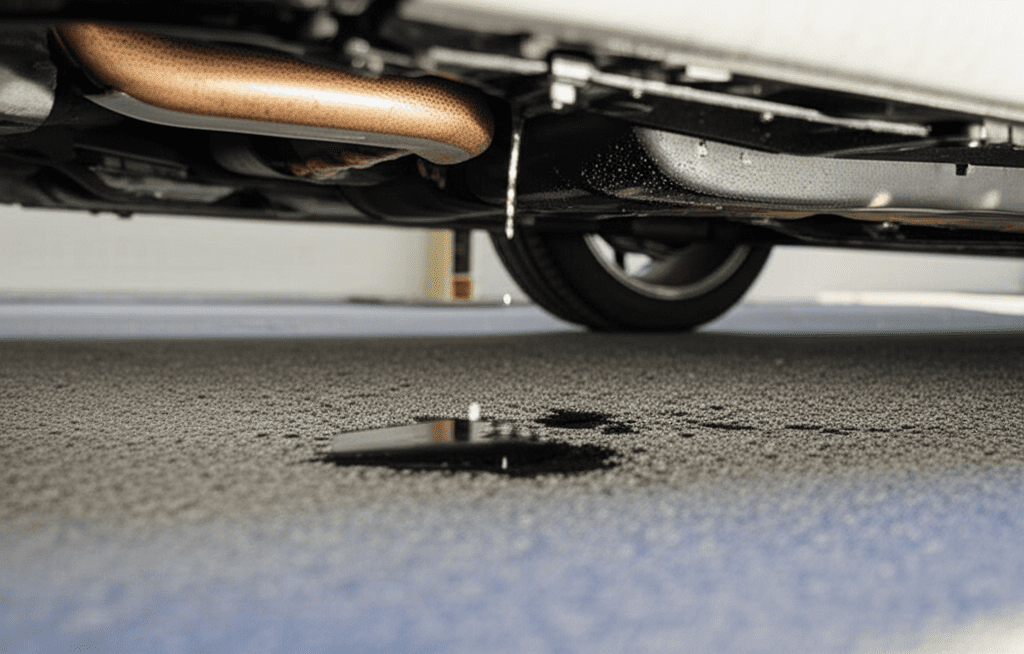
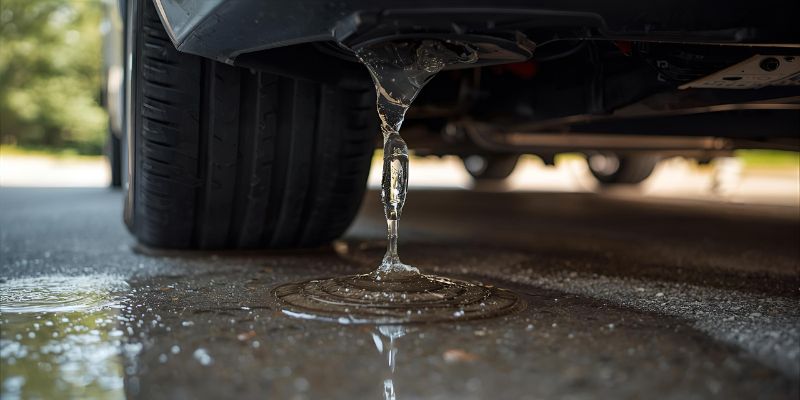
This condensation is then collected in a special pan beneath the evaporator core. From there, a small rubber or plastic tube, commonly called a “drain tube” or “AC drain line,” directs the water from this pan and allows it to drip onto the ground beneath your vehicle. This is why you’ll typically see water dripping from under your car when your AC is running.
The Key Components Involved:
- Evaporator Core: This is the part that gets cold and causes condensation to form.
- Condensation Pan: A tray that catches the water dripping from the evaporator core.
- AC Drain Tube: A small hose that carries the water from the pan to the outside of the car.
This continuous process is essential for preventing moisture buildup inside your car, which could lead to mold and mildew growth. So, that little drip is actually your AC system working efficiently to keep your car’s interior dry and comfortable.
When is a Water Leak from Your Car AC Normal?
As we’ve discussed, a gentle drip of water from under your car when the AC is on is perfectly normal. This is especially true when the humidity is high, as there’s more moisture in the air for the AC system to condense. You’ll usually notice it most after driving for a while, or when your car has been sitting with the AC running.
The water itself should be clear and relatively odorless. It’s essentially just distilled water, similar to what you might collect from a dehumidifier. The location of the drip is also a good indicator. It typically comes from the passenger side of the vehicle, near the middle or front of the car.
Signs of a Normal AC Water Leak:
- Clear Water: The liquid is clear, not colored or oily.
- No Strong Odor: It doesn’t have a foul smell.
- Under the Car: The drip originates from beneath the vehicle, commonly on the passenger side.
- AC is On: The dripping occurs only when the air conditioning system is actively cooling.
- Warm/Humid Weather: Dripping is more common during hot and humid conditions.
If you see these signs, you can relax! Your car’s AC is functioning as designed, keeping you cool and preventing excessive humidity inside your cabin. It’s a small but important aspect of your car’s comfort system.
When to Be Concerned: Signs of an AC Leak or Blockage
While a normal drip is a good sign, certain types of leaks or a lack of dripping can indicate a problem with your car’s AC system. It’s important to recognize these signs so you can address them before they potentially lead to more significant issues or costly repairs.
A key indicator of a problem is if you don’t see any water dripping under your car when the AC is running, especially on a hot and humid day. This could mean the AC drain tube is clogged, preventing the condensed water from escaping. If the water can’t drain, it can back up into the AC system, potentially causing water to leak into your car’s interior or freezing over the evaporator core, which will reduce cooling efficiency.
Likewise, if you notice water leaking inside your car, particularly on the passenger side floorboard, this is a clear sign of a drainage problem. This water is usually from inefficiently draining condensation.
Beyond just water, if you notice other fluids leaking, it’s definitely cause for concern. For example:
- Oily Residue: If the substance leaking has an oily feel or appearance, especially if it’s colored (green, pink, or yellow), it could indicate a refrigerant leak. Refrigerant contains oils and dyes to help detect leaks.
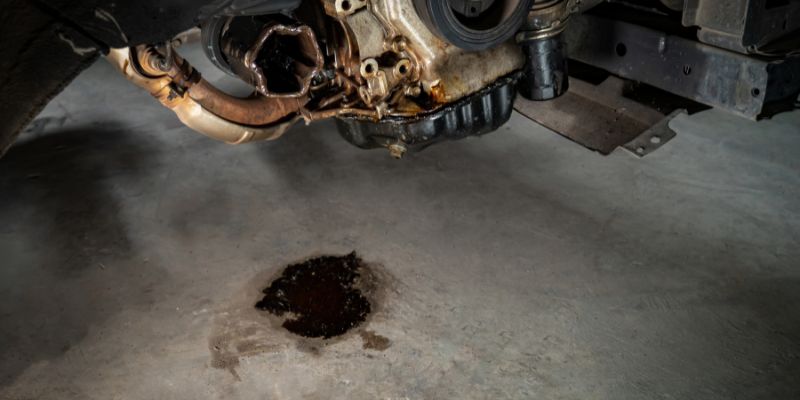
- Dark or Black Fluid: This could be engine oil or other automotive fluids, which are unrelated to your AC and require immediate attention.
- Sweet Smelling Fluid: A sweet smell, especially if the leak is coming from the front or center of the car, could indicate a coolant leak from the heater core, which is often located near the AC components.
The flow of air from your vents can also be affected. If your AC isn’t cooling as well as it used to, or if you notice a musty or mildew smell in the cabin, it might be related to moisture issues within the AC system, possibly due to a blocked drain.
Warning Signs to Watch For:
- No water dripping from the AC drain when the system is on.
- Water or moisture leaking inside the car, especially on the floorboards.
- Oily, colored, or foul-smelling fluids leaking from under the car.
- A significant decrease in cooling performance.
- Musty, moldy, or mildew-like odors from the vents.
If you notice any of these symptoms, it’s best to have your car inspected by a qualified mechanic. They can properly diagnose the issue and perform the necessary repairs. For more information on AC system maintenance, you can check out resources like the Federal Trade Commission’s guide on how car AC works, which can offer further insights into your vehicle’s cooling system.
Why Does the AC Drain Tube Get Clogged?
The AC drain tube is a vital component in your car’s air conditioning system. Its sole purpose is to allow the condensed water to exit the vehicle. However, like any part exposed to the elements and the operational environment of a car, it can become obstructed over time. Understanding why this happens can help you prevent issues.
The primary culprits for a clogged AC drain tube are usually debris and the formation of slime or mold. Here are the main reasons a clog might occur:
- Road Debris and Dirt: As you drive, the underside of your car is exposed to dirt, leaves, small twigs, and other road debris. Some of this can get into the AC drain tube or the collection area around it, slowly building up and creating a blockage.
- Mold and Algae Growth: The constant presence of moisture inside the condensation pan and drain tube, combined with organic matter (like dust and pollen) that enters the AC system, creates an ideal environment for mold, mildew, and algae to grow. This biological growth can thicken over time and constrict or completely block the drain line.
- Cabin Air Filter Issues: A dirty or old cabin air filter can allow more dust and debris into the AC system, which can then accumulate in the condensation pan and drain tube.
When the drain tube becomes blocked, water cannot escape. This can lead to several problems:
- Water Backflow: The condensation pan can fill up, causing water to back up into the evaporator case. From there, it might leak into the car’s interior, often appearing on the passenger side floor.
- Frozen Evaporator: In cold weather, if the excess water in the system freezes, it can turn into ice. This ice can block airflow through the evaporator core, severely reducing your AC’s cooling capacity or even preventing it from working altogether.
- Musty Odors: Stagnant water and mold growth create unpleasant smells that can permeate your car’s cabin.
Regular inspection and maintenance of your AC drain tube can help prevent these issues. It’s a relatively simple part to check, and clearing a clog is often a straightforward DIY task or a quick service at a mechanic.
How to Check and Clear a Clogged AC Drain Tube
If you suspect your AC drain tube is clogged, or if you simply want to perform preventative maintenance, checking and clearing it yourself is often quite manageable. Here’s a step-by-step guide:
Tools You Might Need:
- Safety glasses
- Gloves
- A flathead screwdriver or a pry tool
- A thin, flexible wire (like a coat hanger straightened out, or a plumber’s snake designed for small drains)
- A can of compressed air (optional)
- A shop vacuum (optional)
- A small funnel
- Mild bleach solution or vinegar (for cleaning, optional)
Steps to Check and Clear the Drain Tube:
- Locate the Drain Tube: The AC drain tube is usually a rubber hose that exits the vehicle’s firewall, typically on the passenger side, lower to the ground. You might need to get under your car to find it. It often has a slight upward bend at the end to prevent debris from entering.
- Inspect the Area: Look for the tell-tale puddle of water under your car on a warm day. If there’s no drip, or if you suspect a clog, proceed to find the exit of the tube.
-
Attempt to Clear with Air/Wire:
- If you can easily access the exit end of the tube, try to use compressed air to blow out any blockage. Make sure to wear safety glasses, as debris could fly out.
- Alternatively, gently insert a flexible wire or a small drain snake into the tube from the exit end. Push and twist to dislodge any obstruction. Be careful not to force it too hard, as you could damage the tube or push the clog further in.
- Flushing the System (Optional): If you suspect mold or significant grime, you can try flushing the system. With the engine off and AC system cool, slowly pour a small amount of a mild bleach solution (about 1 part bleach to 10 parts water) or plain white vinegar into the drain pan from inside the car if accessible, or by carefully inserting a tube into the drain line itself. This can help kill mold and algae. Let it sit for a few minutes, then flush with clean water. Some recommend blowing compressed air after flushing to ensure the tube is clear.
- Check from Inside (If Accessible): On some vehicles, you can access the drain pan or the beginning of the drain tube from inside the cabin. This often involves carefully removing a kick panel or trim piece on the passenger side footwell. Locating and gently pulling on the drain tube here can sometimes dislodge a clog. Be gentle!
- Test the Drainage: After attempting to clear the clog, start your car and turn on the AC. Wait for the system to cool the cabin and observe if water begins to drip from the drain tube. You can also pour a small amount of water into the drain pan from under the hood (if accessible) to see if it drains freely.
If you’re uncomfortable performing these steps or if the clog persists, it’s always best to consult with a mechanic. They have specialized tools and expertise to quickly diagnose and resolve AC drainage issues.
Comparing AC Drip vs The “Great Indoors” Leak
It’s important to distinguish between the normal water drip from your AC’s drain line and a more problematic leak that brings water into your car’s cabin. Understanding the difference can save you unnecessary worry and help you identify when professional help is needed.
Here’s a quick comparison:
| Feature | Normal AC Drip | Problematic AC Leak (Indicating Blockage or Other Issue) |
|---|---|---|
| Location of Water | Outside, under the vehicle (usually passenger side) | Inside the vehicle, typically on the passenger side floorboard |
| Appearance of Water | Clear, odorless | Clear, but may have a musty smell; could be accompanied by dirt or debris if draining from the cabin liner |
| When it Occurs | When the AC is on and the outside air is warm/humid. May stop after car is turned off. | Persists while AC is on, and may continue to be damp or wet even after the car is turned off due to retained water. |
| Effect on AC Performance | None; indicates normal operation. | Reduced cooling efficiency; can cause the evaporator to freeze up; potential for mold growth. |
| Action Needed | None, admire your working AC! | Check and clear the AC drain tube, or seek professional assistance. |
The key takeaway is that water under the car is generally a good sign, while water inside the car is a sign that something isn’t draining correctly. For more detailed troubleshooting, the HowStuffWorks article on air conditioners provides a broader overview of how car AC systems function.
Preventative Maintenance for Your Car’s AC
Just like any part of your car, your AC system benefits from regular attention. By performing a few simple preventative maintenance tasks, you can help ensure your AC runs smoothly, efficiently, and avoids costly problems like clogged drain tubes or refrigerant leaks.
Key Preventative Measures:
- Regular Cabin Air Filter Replacement: Your cabin air filter cleans the air entering your car. A clogged filter can strain your AC system and allow more debris into the condensation pan. Check your owner’s manual for the recommended replacement interval (typically every 12,000-15,000 miles or once a year).
- Periodic AC System Inspection: During routine oil changes or other services, ask your mechanic to briefly check your AC system. They can visually inspect for obvious leaks or damage to hoses and connections.
- Listen for Unusual Noises: If you start hearing grinding, hissing, or whining sounds coming from your AC system when it’s running, it could indicate a problem with the compressor or other components.
- Monitor Cooling Performance: Pay attention to how well your AC is cooling. A gradual decrease in performance can be an early sign of a refrigerant leak or a weakening compressor.
- Flush Drain Tube Annually (DIY or Pro): Consider flushing your AC drain tube once a year, perhaps during cooler months when the AC isn’t used as heavily, or as part of your spring maintenance. This can help prevent the buildup of mold and debris.
A well-maintained AC system not only keeps you comfortable but also contributes to better resale value and prevents more serious issues down the line. Simple steps like ensuring the cabin air filter is clean can have a significant positive impact.
Frequently Asked Questions (FAQ)
Q1: Is it normal for my car AC to only drip water at certain times?
A: Yes, absolutely. Your car AC’s condensation drip is directly related to humidity and temperature. When the outside air is warm and humid, the AC system will create more condensation and therefore more water to drip. On cooler, drier days, you might see little to no dripping, and that’s perfectly normal.
Q2: I don’t see any water dripping, but my AC is super cold and working fine. Should I worry?
A: Not necessarily right away. If your AC is cooling perfectly, there might be a very efficient drainage system, or the ambient conditions (low humidity) mean very little condensation is forming. However, it’s a good idea to keep an eye on it. If you suddenly stop seeing drips on a humid day, or if your cooling performance declines, then a blockage might be developing.
Q3: My car AC is blowing warm air, and I see a puddle. What does that mean?
A: If your AC is blowing warm air and you see a puddle, it’s unlikely related to normal AC operation. The puddle could be from another source (like a coolant leak), or it could mean the AC system itself has failed, and some lingering moisture may have leaked out. You’ll need to have your AC system diagnosed by a professional. A common cause for no cooling but a leak could be a severely blocked drain causing ice buildup, which is hindering airflow.
Q4: Can I use something other than water to flush my AC drain tube?
A: For occasional flushing, a mild bleach solution (1:10 bleach to water) or white vinegar can help kill mold and algae. However, avoid using harsh chemicals, degreasers, or anything abrasive, as these can damage the drain tube or other car components. Always use a small amount and follow up with a clean water flush. If in doubt, stick to water or consult a mechanic.
Q5: How often should I check my AC drain tube?
A: You don’t need to check it constantly, but it’s good practice to be aware of it. Listen for unusual sounds, check for interior water on wet days, and consider a simple check-up or flush once a year, perhaps when changing your cabin air filter or during your spring vehicle check-up.
Q6: Is it safe for water to drip onto my driveway?
A: Yes, the water dripping from your AC is essentially distilled water and is safe for your driveway. It won’t stain or damage most surfaces. It’s a much better alternative to having that moisture trapped inside your car, which can lead to mold and corrosion.
Conclusion
So, to answer the initial question, “Does a car AC leak water?” a resounding yes! This dripping is a normal and healthy sign that your car’s air conditioning system is performing its duty correctly, efficiently removing moisture from the air to keep your cabin comfortable and dry. By understanding what to look for – clear, odorless water dripping from beneath your vehicle – you can have peace of mind. Remember, while a normal drip is good, any leaks inside your car, oily substances, or a lack of dripping when you expect it could signal a problem like a clogged drain tube or a refrigerant leak. Regular checks, especially of your cabin air filter, and addressing any unusual symptoms promptly will help ensure your AC system provides reliable cooling for years to come. Keep an eye on that drip, and enjoy your cool journeys!