Does a Car Need to Run to Bleed Car Brakes?
If you’re new to car maintenance, the question, Does a Car Need to Be Running to Bleed Brakes?, can be a little confusing. It’s totally okay to feel unsure about this – we’ve all been there! Brake bleeding might seem tricky, but it’s really not that hard once you understand the basics. This guide breaks down the process step-by-step, making it easy to fix your brakes, so you can do it yourself. Let’s explore how it works and what you need to know.
What You Need to Know Before Bleeding Brakes
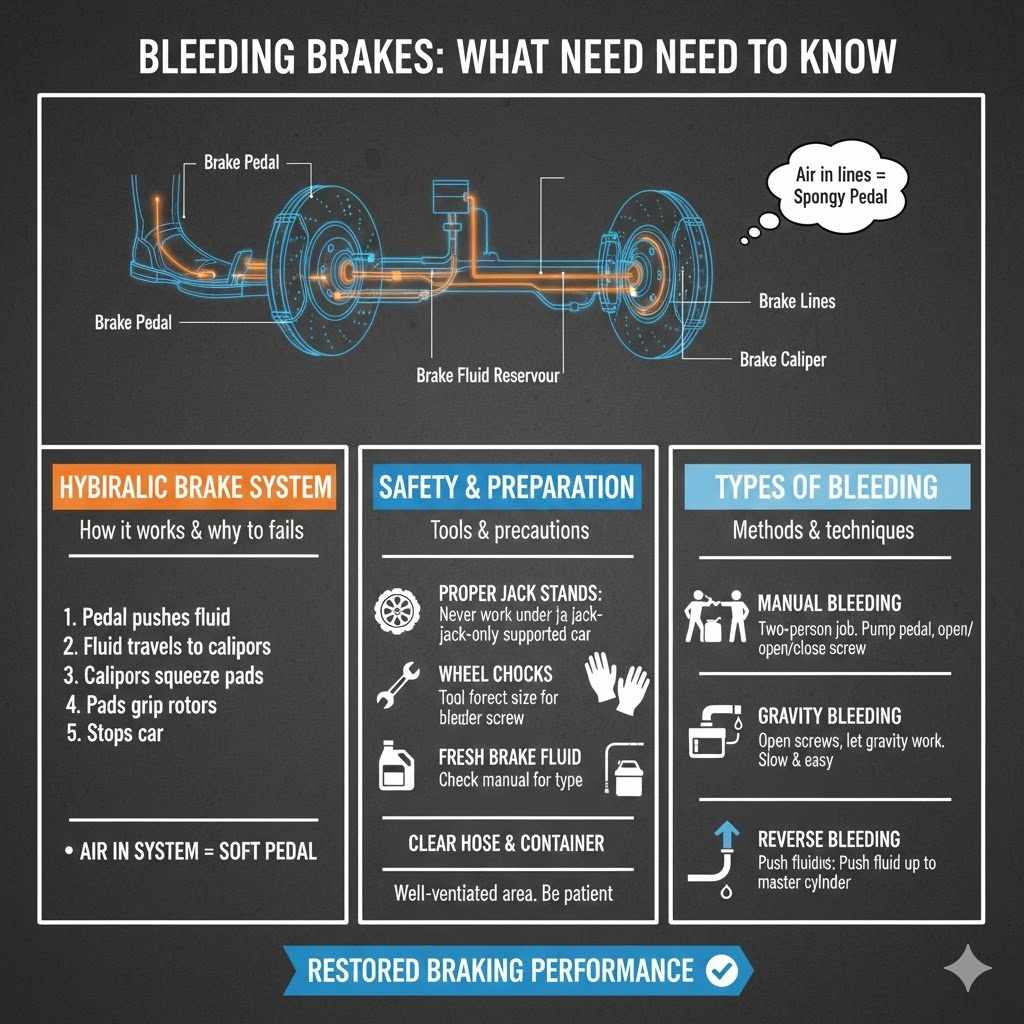
Before you even think about touching your car’s brakes, it’s key to have some background information. Brakes are a super important safety feature, so getting them right is crucial. Basically, brakes use hydraulic pressure. When you push the brake pedal, that action pushes brake fluid through the brake lines to the calipers at each wheel. Those calipers then squeeze the brake pads against the rotors, stopping the car.
One of the main issues that messes with this process is air getting into the brake lines. Air compresses, while brake fluid doesn’t. So, if air is in the system, you get a spongy brake pedal. Bleeding brakes is the process of getting rid of that air, restoring solid braking performance. If you are a car enthusiast, learning this skill is crucial because it saves money and helps you fix a vehicle safely.
Safety First: Preparation and Tools
Before you start, make sure you have everything ready and know what you’re doing. First, safety first: Park your car on a level surface and engage the parking brake. Then, get your tools together: a wrench for the bleeder screws (usually 7mm or 8mm), a clear hose that fits the bleeder screws, a container to catch the old brake fluid, and fresh brake fluid that matches your car’s requirements (check your owner’s manual). Also, you’ll need jack stands to safely lift the car. Never work under a car supported only by a jack!
- Proper Jack Stands: Always use jack stands whenever you are working on any vehicle. They are designed to keep the car from falling and causing injury.
- Wheel Chocks: Add wheel chocks to the back wheels if you are working on the front ones. This keeps the car stable during the entire bleeding procedure.
- Gloves and Eye Protection: Brake fluid can be irritating to the skin and eyes, so wearing gloves and safety glasses is a good idea.
- Appropriate Wrench: Make sure you have the correct size wrench that fits the bleeder screws on your car’s brake calipers.
Make sure you have a well-ventilated work area. Brake fluid can be harmful to your health if inhaled or ingested. So, take your time, be patient, and double-check everything. It’s always better to be safe than sorry when it comes to your vehicle.
Types of Brake Bleeding: Manual and Pressure
There are two main ways to bleed your brakes: manual bleeding and pressure bleeding. Manual bleeding is usually a two-person job, where one person pumps the brake pedal while the other opens and closes the bleeder screw. Pressure bleeding uses a special tool that forces brake fluid through the system under pressure. Each method has its own steps and equipment requirements.
- Manual Bleeding: This is the classic method. It is often a two-person job. One person pumps the brake pedal while the other person opens and closes the bleeder screw. This pushes air and old brake fluid out of the system.
- Pressure Bleeding: With this method, you use a pressure bleeder tool to force fresh brake fluid into the system under pressure. This forces the air out through the bleeder screws.
- Gravity Bleeding: A simple method where you open the bleeder screws and let gravity do the work. This method is often slow but easy.
- Reverse Bleeding: This less common technique involves pushing fluid up from the brake caliper to the master cylinder.
The choice between manual and pressure bleeding often depends on the tools you have available and your comfort level. Manual bleeding is simple, but pressure bleeding can be faster and might be better for systems with a lot of air. Whichever method you select, remember the basics: get rid of the air, and
The Running Engine Question: Do You Need the Car Running to Bleed Brakes?
The core of our discussion is the question, Does a Car Need to Be Running to Bleed Brakes? This is where a lot of people get confused. The answer is generally no, but there’s a reason for the confusion. The brake system operates on hydraulic pressure, which is applied when you press the brake pedal, not based on the engine running. Many people believe the engine is necessary because of the power brakes.
If your vehicle has power brakes (most modern cars do), it means the brake system uses the engine’s vacuum (or an electric pump) to assist with braking. This makes it easier to press the brake pedal. However, the power assist doesn’t affect the brake bleeding process itself. Therefore, you do not usually need the engine running to bleed the brakes. You’re working with the hydraulic system, which operates independently of the engine, which powers the vacuum assist.
The Exception: ABS Systems
One exception to the “no engine running” rule is if your vehicle has an anti-lock braking system (ABS). ABS systems have a module that can trap air, and in some cases, the module needs to be activated to completely bleed the system. This often requires turning the ignition to the “on” position (without starting the engine) or using a scan tool to cycle the ABS pump. If you have any doubt, look at the vehicle’s owner manual for guidance.
- ABS Module: The ABS module can trap air, so sometimes the ABS pump must be run during the process.
- Scan Tool: A scan tool can be used to activate the ABS pump, which can help force any air out of the system.
- Owner’s Manual: Always consult your owner’s manual for specific instructions for your vehicle’s brake system.
- Special Cases: Some more advanced systems may require special procedures to clear the air.
Many modern cars are equipped with ABS, so the process can differ slightly. In this scenario, the ABS system’s pump must sometimes cycle to completely remove any trapped air. This process often includes turning the ignition on or utilizing a special scan tool to activate the ABS pump to make sure all air is cleared from the lines. Always consult your car’s manual for specific instructions.
Why the Confusion? Power Brakes and Vacuum
One key reason for confusion is the presence of power brakes. Power brakes use the engine’s vacuum (or an electric pump) to assist with braking. This makes it easier for you to press the brake pedal and stop the car. Many people incorrectly assume that power brakes necessitate the engine being on for bleeding. However, the act of bleeding itself is about the hydraulic pressure, not the power assist.
The power assist system assists the driver. The vacuum or electric pump simply makes the braking easier for the driver. It doesn’t affect the brake bleeding process directly. Power brakes and brake bleeding are different systems that can work together. If you are still unsure if your car needs to be running while bleeding, check your car’s owner’s manual to find out specific instructions for your vehicle.
Step-by-Step Guide to Bleeding Brakes
Now, let’s explore how to bleed your brakes. This assumes you are using the manual two-person method, but the basics apply to other methods as well. This is a general guide, so always check your car’s owner’s manual for specific instructions.
Preparing the Vehicle: Safety and Setup
Before beginning, you will need a few items to get started. First, put the car on a flat surface and use wheel chocks to secure the back wheels. Second, use jack stands to lift the vehicle and place it safely. Make sure the vehicle is stable before beginning. Use the wrench to take off the wheel on the wheel you are working on, usually starting with the furthest wheel from the master cylinder.
- Secure the Car: Park on a level surface. Use wheel chocks to secure the wheels you are not working on.
- Jack Up the Car: Lift the car using a jack and secure it with jack stands.
- Remove the Wheel: Take off the wheel for easy access to the brake caliper.
- Locate the Bleeder Screw: Find the bleeder screw on the brake caliper. It’s usually on the back of the caliper.
Safety is key when working on your vehicle. Taking these steps is required to keep you and your vehicle safe. Once everything is ready, you can start the bleeding process.
The Bleeding Process: A Detailed Walkthrough
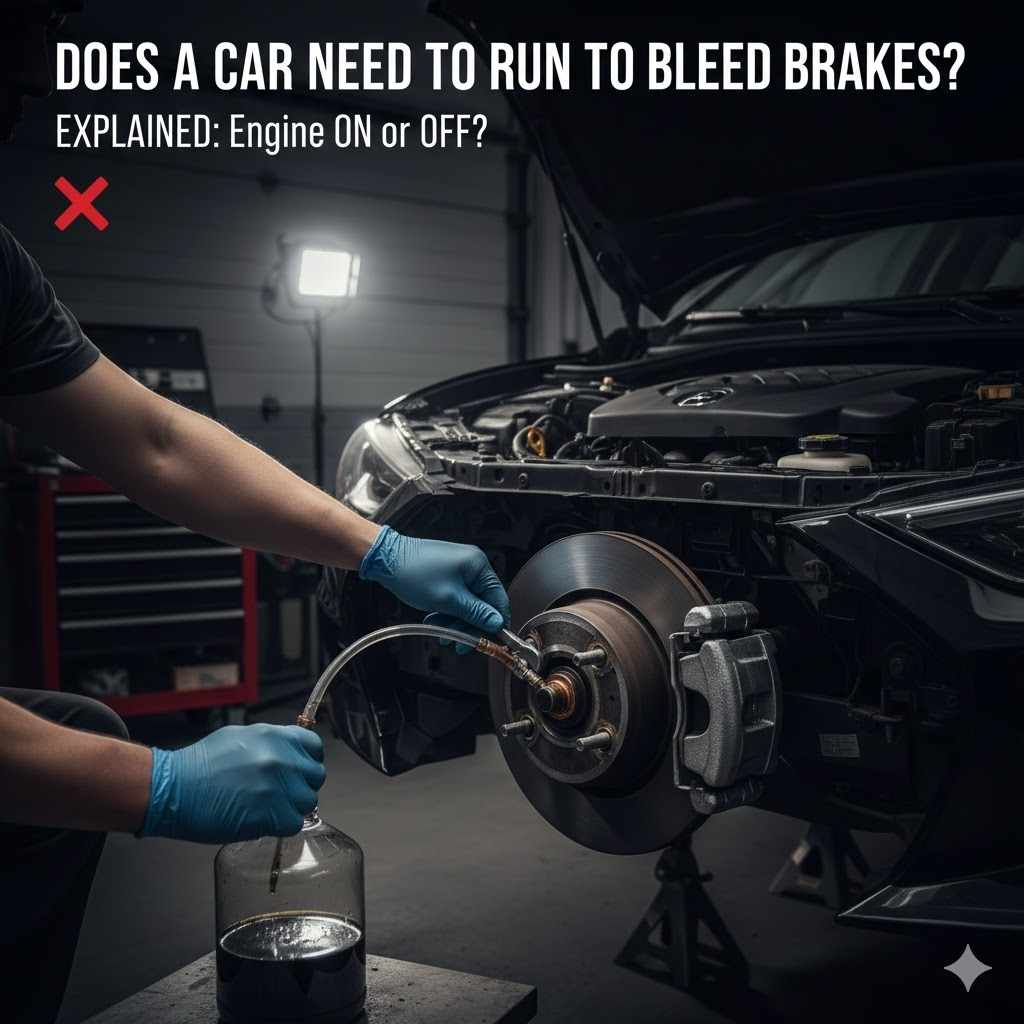
Now, it’s time to get to the actual bleeding. Have your partner sit in the driver’s seat. Attach a clear hose to the bleeder screw and put the other end into a container with some brake fluid. This allows you to see the air bubbles. Open the bleeder screw about a quarter of a turn. Have your partner slowly press the brake pedal all the way to the floor and hold it there. Close the bleeder screw while they hold the pedal down.
- Attach the Hose: Place the clear hose on the bleeder screw, with the other end in a container with brake fluid.
- Open the Bleeder Screw: Open the bleeder screw about a quarter turn.
- Press the Pedal: Have your partner press the brake pedal all the way down and hold it.
- Close the Screw: Close the bleeder screw while the pedal is held down.
- Release the Pedal: Have your partner slowly release the brake pedal.
- Repeat: Repeat steps 3-5 until no more air bubbles come out.
Repeat this process until you see no air bubbles coming out of the hose. You can tell the process is working by observing bubbles of air coming out of the hose. If there are no bubbles, close the bleeder screw and move on to the next wheel. Don’t let the master cylinder reservoir run dry during this process, or you’ll introduce more air into the system. Always have someone monitoring the brake fluid level.
Troubleshooting Common Issues
Sometimes, things don’t go smoothly, and you might run into problems. If the brake pedal feels spongy even after bleeding, there’s likely still air in the system. Make sure the bleeder screw is opening and closing properly. Check the hose for leaks and ensure all connections are tight. The most common problems involve either not opening the bleeder valve enough or introducing air into the lines at the master cylinder.
- Spongy Pedal: Keep bleeding until all air is removed, and the pedal feels firm.
- Bleeder Screw Issues: Ensure the bleeder screw is opening and closing fully. Check the hose.
- Leaks: Inspect the hose and all connections for leaks.
- Master Cylinder: Ensure the master cylinder is always full of brake fluid.
If you have any doubts, consult a professional. Take your time, double-check your work, and don’t rush the process. If you still have air in the system, you may need to start the whole process over. It is always better to be cautious than to risk your safety.
Does Running the Car Change the Outcome?
So, does running the car while bleeding change anything? In most cases, the answer is no. Bleeding the brakes is about forcing out air and replacing old brake fluid with new fluid. This process is not dependent on the engine running. Power brakes use the engine’s vacuum (or an electric pump) to make braking easier. They don’t affect how you bleed the brakes.
The key aspect of the bleeding process is the hydraulic system. You’re working directly with the fluid, the brake lines, and the calipers. The engine’s operating state, in most cases, is irrelevant. The power brake assist only makes it easier to press the brake pedal, not change the fundamentals of how brakes bleed.
When the Engine Might Matter
There are some special cases, however. If you have an anti-lock braking system (ABS), the ABS module might trap air. In these cases, you might need to turn on the ignition (without starting the engine) or use a scan tool to cycle the ABS pump. If you’re unsure, consult your car’s manual or a mechanic. The car’s computer might be needed to reset the system. This is a special consideration for some systems.
- ABS Systems: ABS systems may need to be activated to clear air.
- Scan Tools: A scan tool might be needed to cycle the ABS pump.
- Owner’s Manual: Check your owner’s manual for special instructions.
- Professional Help: When in doubt, it’s best to seek help from a professional.
For most regular brake bleeding, you don’t need the engine running. If you are dealing with ABS, read your manual. This will ensure you handle the job correctly and can clear any potential air from the system. If you’re not sure, get some help.
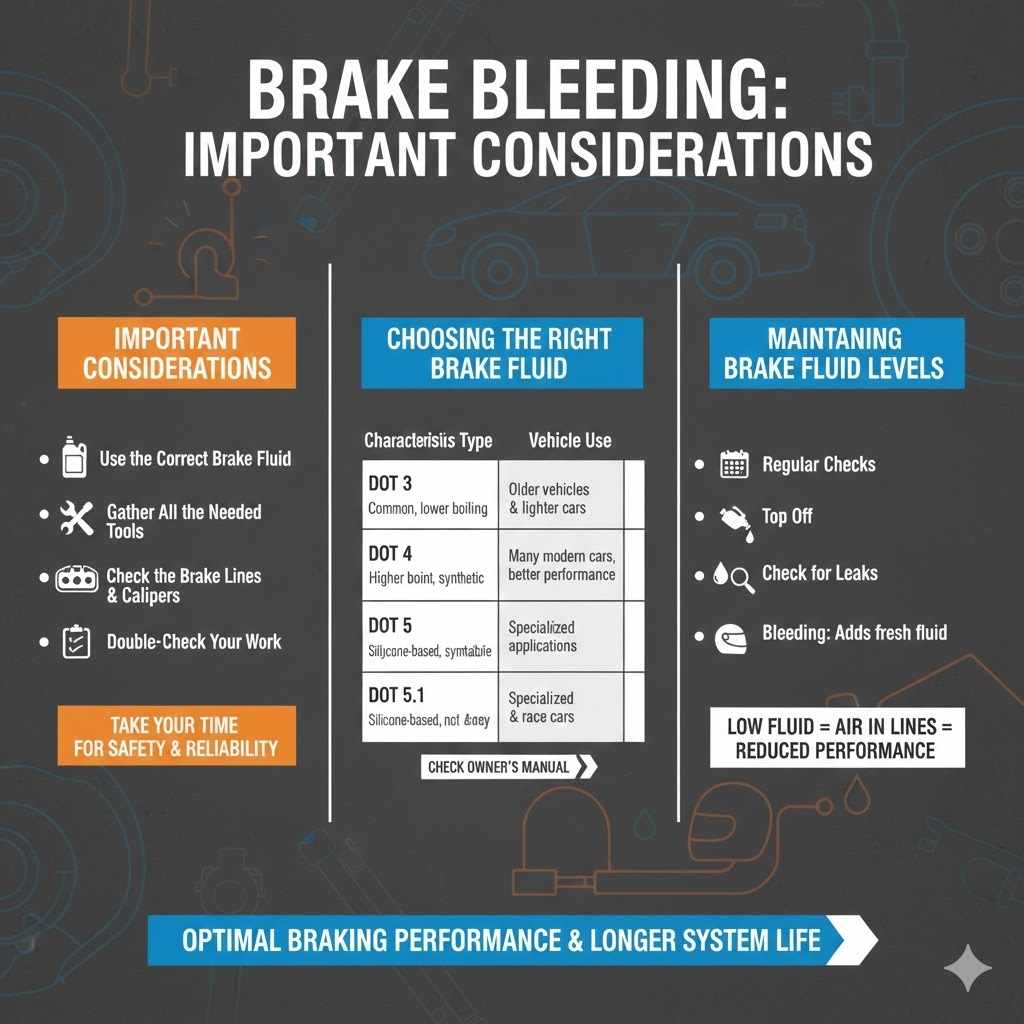
Brake Bleeding: Important Considerations
When bleeding brakes, a few extra things can make the process easier and safer. Using the right type of brake fluid is key. Different cars need different types, so check your owner’s manual. Making sure you have the right tools, like the right size wrench, can prevent problems. And, take your time! Rushing can lead to mistakes and potentially damage your car’s brakes.
- Use the Correct Brake Fluid: Always use the type of brake fluid recommended for your vehicle.
- Gather All the Needed Tools: Make sure you have the correct tools before you start.
- Check the Brake Lines and Calipers: Check all parts of the brake system for damage.
- Double-Check Your Work: Always double-check your work before driving the car.
Take your time and check your work to avoid any issues. Always make sure the vehicle is safe to drive. These steps can make the process smoother, and the outcome safer.
Choosing the Right Brake Fluid
Choosing the correct brake fluid for your car is important for your car’s brake system. Brake fluid is hygroscopic, meaning it absorbs moisture from the air. This absorbed water can decrease the fluid’s boiling point, leading to brake fade and reduced braking efficiency. Using the wrong fluid can also damage the brake system. It’s key to identify the proper type for your vehicle.
| Brake Fluid Type | Characteristics | Vehicle Use |
|---|---|---|
| DOT 3 | Common, lower boiling point. | Older vehicles and some lighter cars. |
| DOT 4 | Higher boiling point than DOT 3, often synthetic. | Many modern cars, provides better performance. |
| DOT 5 | Silicone-based, high boiling point, not compatible with DOT 3 or 4. | Specialized applications. |
| DOT 5.1 | Similar performance to DOT 4, but often has a slightly lower viscosity. | High-performance and race cars. |
Check your car’s owner’s manual or the brake fluid reservoir cap for the recommended type. If you are unsure, consult a professional mechanic.
Maintaining Brake Fluid Levels
Regularly checking and maintaining brake fluid levels is another important part of brake care. A low fluid level can indicate a leak in the brake system. Low fluid can also introduce air into the lines, which reduces braking performance. Keep an eye on the brake fluid level, and top it off when needed, always using the recommended type of fluid. When you bleed your brakes, you’re also adding fresh fluid, which can help.
- Regular Checks: Look at the brake fluid reservoir regularly (once a month).
- Top Off: Add brake fluid as needed, using the type recommended for your vehicle.
- Check for Leaks: Low fluid levels can mean there’s a leak in the brake system.
- Bleeding: Bleeding the brakes
Staying on top of your brake fluid levels ensures that your brakes function properly. Always add more fluid when it is low. If the level consistently goes down, have a mechanic check for leaks.
Frequently Asked Questions
Question: What happens if I don’t bleed my brakes?
Answer: If you don’t bleed your brakes, air can get trapped in the brake lines. This can make the brake pedal feel spongy and reduce your braking ability, making it less safe to drive.
Question: How often should I bleed my brakes?
Answer: You should bleed your brakes whenever you replace brake components (like calipers or lines) or notice a spongy brake pedal. It’s also a good idea to bleed them every two to three years to remove any accumulated moisture.
Question: What’s the best order to bleed brakes?
Answer: Generally, you start with the wheel furthest from the master cylinder, then move towards the closest. So, it’s usually the right rear, then the left rear, the right front, and finally, the left front.
Question: Can I bleed my brakes by myself?
Answer: Yes, you can bleed your brakes by yourself, but it’s often easier with a helper. You can use a pressure bleeder or gravity bleeding to do it alone, or the two-person manual method.
Question: What if I run out of brake fluid while bleeding?
Answer: If you run out of brake fluid, you’ll introduce air into the system. Always have extra brake fluid on hand. If you run out, refill the master cylinder and start the process again from the beginning.
Final Thoughts
So, Does a Car Need to Be Running to Bleed Brakes? Usually, no. You typically don’t need to start the engine to bleed your brakes. The hydraulic system works independently of the engine in most vehicles. While power brakes may make the pedal easier to press, they don’t change how you bleed the system. Just focus on the process of removing air from the brake lines.
If you’re dealing with an ABS system, or are unsure of the correct procedure, check your owner’s manual or seek professional advice. Remember, take your time, get the right tools, and always prioritize safety. Once you understand the process, bleeding your brakes becomes a manageable task, saving you money and helping you care for your car. With a little practice, you’ll be able to keep your brakes working smoothly and safely.