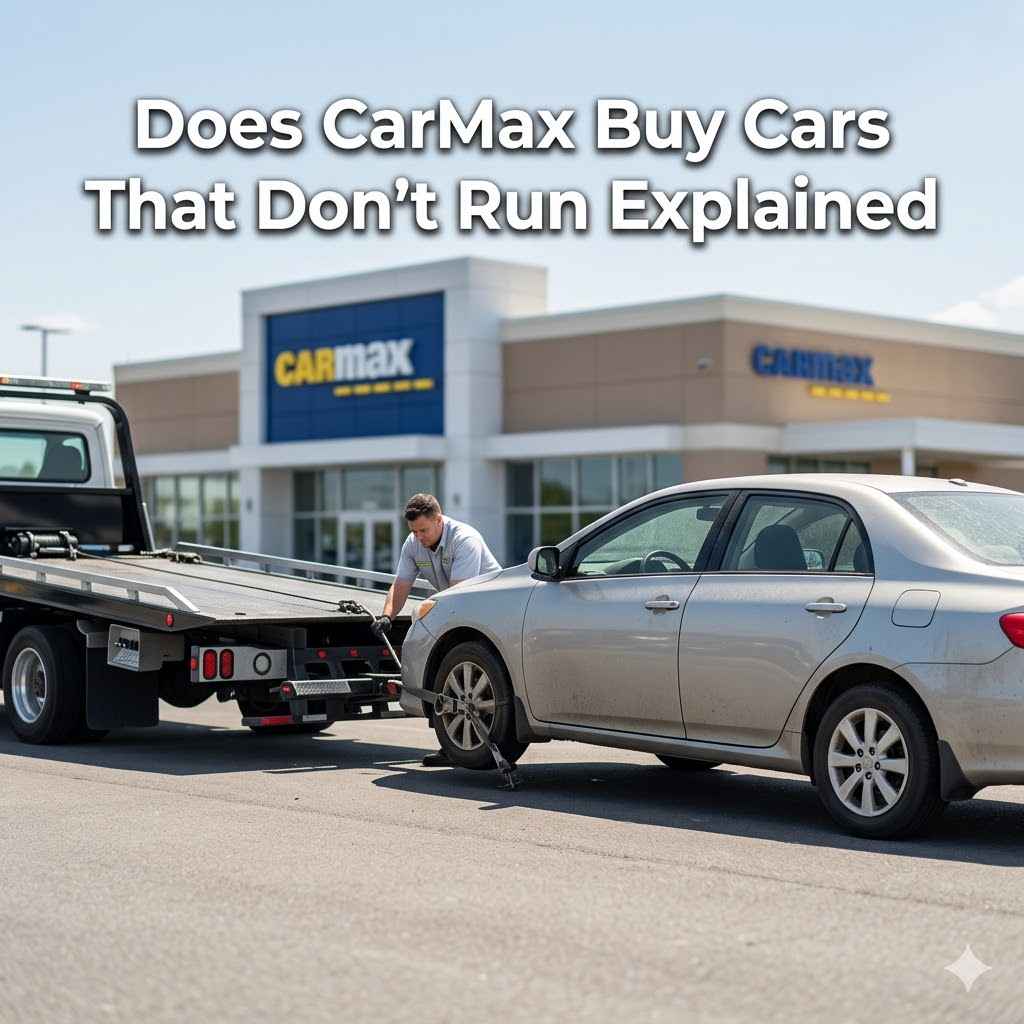
Does CarMax Buy Cars That Don’t Run Explained
It’s super common for people to wonder, “Does CarMax buy cars that don’t run?” This question often pops up when folks have an old car sitting around and want to get rid of it. It can seem a little tricky to figure out if a place that buys cars will take one that’s not working. But don’t worry!
We’re going to break it down super simply, step by step. We’ll explain exactly what you need to know so you can sell your car. Let’s get started!
CarMax’s Stance On Non-Running Vehicles
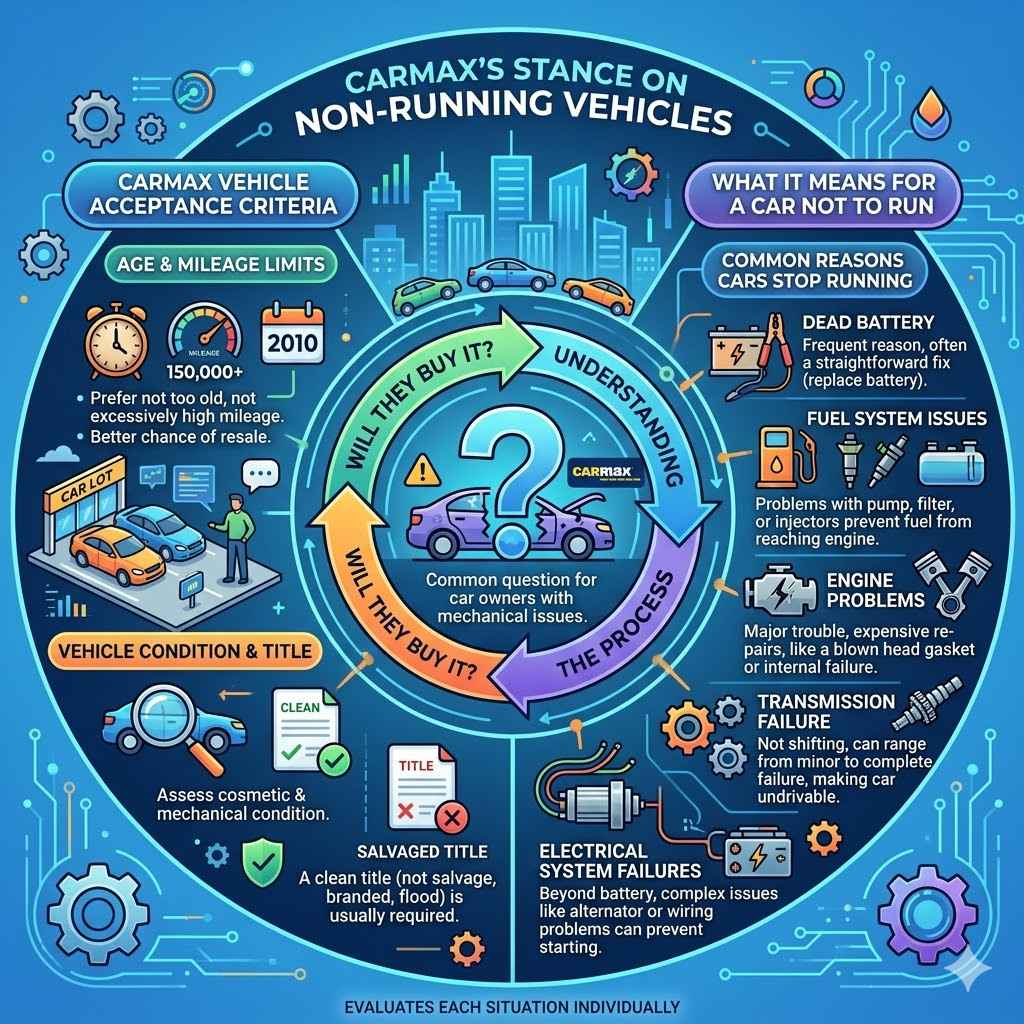
Many people wonder if CarMax, a well-known used car dealership, will purchase vehicles that are not in drivable condition. This is a very common question for car owners looking to sell a car that has mechanical issues or has stopped running altogether. CarMax has a specific process for evaluating and buying cars, and understanding this process is key.
We’ll explore their general policies and how they handle cars with different problems. This section sets the stage for understanding their buying habits for vehicles that don’t run.
CarMax Vehicle Acceptance Criteria
CarMax aims to buy a wide variety of vehicles to stock their lots. However, they do have certain standards that cars must meet to be considered for purchase. These standards are in place to ensure the cars they buy can be resold or properly dealt with.
Age and Mileage Limits
CarMax generally prefers cars that are not too old and do not have excessively high mileage. While there isn’t a strict cutoff for every model, vehicles that are over ten years old or have well over 150,000 miles might be less desirable. This is because older cars often come with more wear and tear, increasing the likelihood of major mechanical issues. CarMax wants to be able to resell most of the cars they buy, so they focus on vehicles with a better chance of finding a new owner quickly.
Condition of the Vehicle
The overall condition of a car is a major factor. This includes the exterior, interior, and mechanical components. While cosmetic issues like minor dents or scratches might be acceptable, significant damage or rust could lead to a rejection. For a car that doesn’t run, the mechanical condition is the primary concern. CarMax needs to assess if the issues are minor or severe.
Title Status
A clean title is usually required for CarMax to purchase a vehicle. This means the car should not have a salvaged, branded, or flood-damaged title. A clean title indicates that the car has not been declared a total loss by an insurance company. Having a problematic title can make it very difficult, if not impossible, for CarMax to buy the car.
What Does It Mean for a Car Not to Run
When we say a car “doesn’t run,” it can mean a few different things. It could be something as simple as a dead battery that prevents the engine from starting. On the other hand, it could involve major engine failure, transmission problems, or significant electrical issues that make the car completely immobile.
CarMax evaluates each situation based on the specific reason the car won’t start or move.
Common Reasons Cars Stop Running
Several issues can cause a car to stop running. Some are relatively easy to fix, while others are more serious. Understanding these common problems helps in assessing a car’s value or its potential for sale.
Dead Battery
A dead battery is one of the most frequent reasons a car won’t start. Batteries have a limited lifespan, typically 3-5 years. When they fail, the car gets no power to the ignition system, preventing the engine from cranking. This is usually a straightforward fix, involving a battery replacement.
Fuel System Issues
Problems with the fuel pump, fuel filter, or injectors can prevent fuel from reaching the engine. If the engine doesn’t get fuel, it can’t combust and therefore won’t run. Diagnosing fuel system issues might require specialized tools.
Engine Problems
Major engine trouble, such as a blown head gasket, a cracked engine block, or internal component failure, will definitely stop a car from running. These are often very expensive repairs.
Transmission Failure
If the transmission is not working correctly, the car might not be able to shift gears or move. This can range from minor issues to complete failure, rendering the vehicle undrivable.
Electrical System Failures
Beyond the battery, other electrical components like the alternator, starter, or complex wiring issues can prevent a car from starting or running properly. Modern cars have intricate electrical systems that can be challenging to troubleshoot.
CarMax’s Process For Buying Non-Running Cars
So, does CarMax actually buy cars that don’t run? The answer is often yes, but with important conditions. CarMax has a process to assess these vehicles.
They will still want to see the car to determine its condition and the nature of the problem. This section details how CarMax approaches buying cars that are not drivable and what you can expect.
Getting an Offer from CarMax
CarMax offers a few ways to get an offer on your car. You can start online or visit a store. For a non-running car, an in-person appraisal is usually the most effective.
Online Appraisal vs. In-Person Appraisal
An online appraisal gives you a preliminary estimate, but it’s based on the information you provide. For a car that doesn’t run, CarMax needs to physically inspect the vehicle. They will want to see the extent of the damage or the mechanical issue. An in-person appraisal allows their trained technicians to perform a thorough inspection.
The Inspection Process
When you bring a non-running car to CarMax, they will inspect it to understand the problem. They will look at the condition of the engine, transmission, and other critical components. They will also check the overall condition of the car, including its body, interior, and tires. The diagnosis of why it doesn’t run is a key part of their evaluation.
Factors Influencing CarMax’s Offer
Several factors determine the offer CarMax will make for a car that doesn’t run. The value is heavily dependent on the repair costs versus the potential resale value.
Severity of Mechanical Issues
The more severe and costly the repairs needed to get the car running, the lower the offer will be, or CarMax might decline to buy it. If the engine needs a complete rebuild, for instance, this is a significant expense. CarMax calculates the estimated repair cost.
Overall Condition and Demand
Even if a car doesn’t run, if it’s a desirable model or in excellent condition otherwise (e.g., very low mileage for its age, rare trim), CarMax might still be interested. They consider the market demand for that specific make and model. A car in otherwise good shape with a simple fix like a dead battery might still fetch a decent offer.
Potential for Repair and Resale
CarMax evaluates if the car is worth repairing and reselling. If the cost to fix the car exceeds its potential resale value after repairs, they may not be interested. They also consider if they have a market for cars with that specific type of repair history. They sometimes buy cars for parts or for auction.
Does CarMax Buy Cars That Don’t Run? Explained
The short answer to Does CarMax Buy Cars That Don’t Run? Explained is often yes, but it depends heavily on the specific situation. CarMax is a business, and their decision is based on whether buying the car makes financial sense for them.
They are interested in cars that have a potential for profit, whether that’s through resale after minor repairs or by selling parts.
A car that doesn’t run might be too costly to repair for CarMax to make a profit. However, if the car is relatively new, has low mileage, and the problem is minor (like a dead battery or a starter issue), they might still buy it. Their offer will reflect the cost of repairs needed.
Alternatives If CarMax Doesn’t Buy Your Non-Running Car
If CarMax decides not to buy your car because it doesn’t run or the offer is too low, there are other options. You don’t have to be stuck with a vehicle that’s taking up space.
Scrap Yards and Auto Recyclers
These businesses specialize in buying cars for their scrap metal value or for used parts. They will typically buy almost any car, regardless of its condition, and often offer towing services. This is a good option for cars that are truly beyond repair.
Private Buyers
Selling directly to a private buyer can sometimes yield a higher price, even for a non-running car. You’ll need to be upfront about the car’s condition and be prepared to handle potential buyers who want to do their own inspections. Advertising the car as-is for parts or repair projects can attract specific buyers.
Specialty Dealerships
Some dealerships focus on specific types of vehicles or those needing repair. They might be more willing to buy a non-running car if it fits their niche market or if they have in-house repair facilities.
Real-Life Examples And Scenarios
To truly understand how CarMax handles non-running cars, looking at real situations is helpful. These examples show the variety of outcomes and the factors that play a role.
Case Study 1 A Minor Issue
Sarah had a 2015 Honda Civic that wouldn’t start. She thought the battery might be dead, but she wasn’t sure. She took it to CarMax for an appraisal.
The technician confirmed it was just a dead battery, and the rest of the car was in good condition for its age. CarMax offered her a fair price for the car, which she accepted. This shows that simple problems can still lead to a sale.
Case Study 2 A Major Mechanical Failure
Mark had a 2010 Ford F-150 whose engine had seized. The estimated repair cost was over $5,000. He took it to CarMax, hoping for the best.
After their inspection, CarMax informed him that the repair costs were too high for them to purchase the truck. They explained that the potential resale value after such a significant repair wouldn’t be profitable for them. Mark then decided to sell it to a local scrap yard for its metal value.
Scenario 1 Selling A Car With An Unknown Problem
You have a 2012 Toyota Camry that has been sitting for a year. You don’t know why it won’t start, but you suspect it might be something serious. You decide to take it to CarMax.
You drive the car to the CarMax store. When you explain it doesn’t run, they will likely offer to tow it to their inspection bay, or you may need to arrange for it to be towed there if it’s not drivable to their lot.
CarMax technicians will perform a thorough inspection to diagnose the problem. They will check the engine, transmission, electrical system, and other key components.
After the inspection, they will determine if the car is something they can buy. If the repair cost is too high, they will let you know. If it is repairable and they see profit, they will make an offer.
You can then decide whether to accept their offer or explore other selling options.
Scenario 2 Selling A Car With A Simple Fix
Your 2018 Chevrolet Malibu won’t start, and you suspect it’s just the starter motor. You take it to CarMax for an appraisal.
Upon arrival, you tell the appraiser that the car won’t start and you believe it’s the starter.
CarMax will inspect the car. They will likely confirm the starter issue and check the overall condition of the vehicle, looking for any other significant problems.
Because the repair is likely manageable, and the car is relatively new with potentially good mileage, CarMax is likely to make an offer.
You can then compare their offer to others and decide if you want to sell.
Statistics And Market Trends
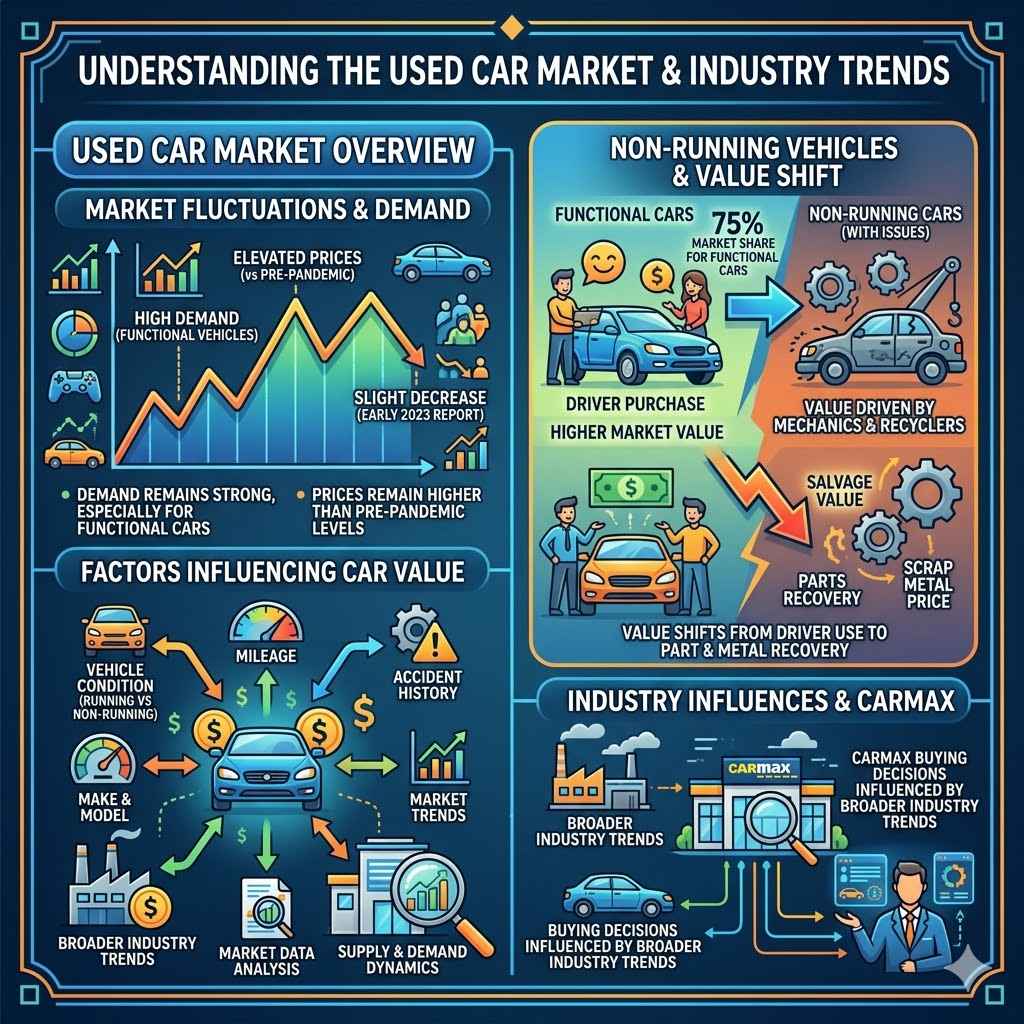
Understanding the market for used cars, especially those with issues, can provide valuable insight. CarMax’s buying decisions are influenced by broader industry trends.
The Used Car Market
The used car market has seen significant fluctuations. Generally, demand for used cars remains strong, but the specific value of a car depends on many factors. For non-running vehicles, their value shifts from what a driver would pay to what a mechanic or recycler can get from them.
According to a report from Cox Automotive in early 2023, used car prices saw a slight decrease but remained elevated compared to pre-pandemic levels. This suggests that while the market isn’t as hot as it was, there’s still a demand for vehicles. However, this demand is primarily for functional cars.
Average Repair Costs
The cost of car repairs can vary widely. For instance, replacing a car battery might cost between $100 to $250. However, a major engine repair can easily run into thousands of dollars, often exceeding $5,000.
Transmission repairs can be similar. These costs are critical for CarMax when deciding if a car is a good buy.
Data from RepairPal shows that the average annual repair cost for a vehicle is around $652. However, this includes routine maintenance and minor repairs. Major component failures push this average much higher.
For a non-running car, the initial diagnosis alone can cost hundreds of dollars.
CarMax’s Business Model
CarMax operates on a model where they buy, recondition, and sell cars. They aim to make a profit on each vehicle. This means they purchase cars at a price that allows for repairs, refurbishment, and still leaves room for profit.
For cars that don’t run, the potential profit margin is often tighter due to higher repair expenses.
Frequently Asked Questions
Question: Can I sell a car to CarMax that has a salvage title
Answer: Generally, CarMax does not buy cars with salvage titles. They prefer vehicles with clean titles to ensure they can be easily resold.
Question: How much less will CarMax offer for a car that doesn’t run
Answer: The reduction in offer depends on the estimated repair cost. CarMax will subtract the estimated cost of repairs and a buffer for their profit margin from the car’s market value.
Question: Does CarMax buy cars that are very old
Answer: While there’s no strict age limit, CarMax is less likely to buy very old cars, especially if they have high mileage or significant mechanical issues, as they may not be profitable to resell.
Question: Can I sell a car with minor cosmetic damage that doesn’t run
Answer: Yes, it’s possible if the cosmetic damage is minor and the mechanical issue is repairable at a cost that makes sense for CarMax. They will assess the overall condition and repair needs.
Question: What if my car has a major engine failure
Answer: If your car has a major engine failure, it is unlikely that CarMax will buy it, as the repair costs would likely be too high for them to make a profit.
Summary
CarMax does buy cars that don’t run, but it depends on the specific problem and repair costs. They inspect each vehicle thoroughly. If repairs are too expensive, they may decline the purchase.
Always get an appraisal to see your options.