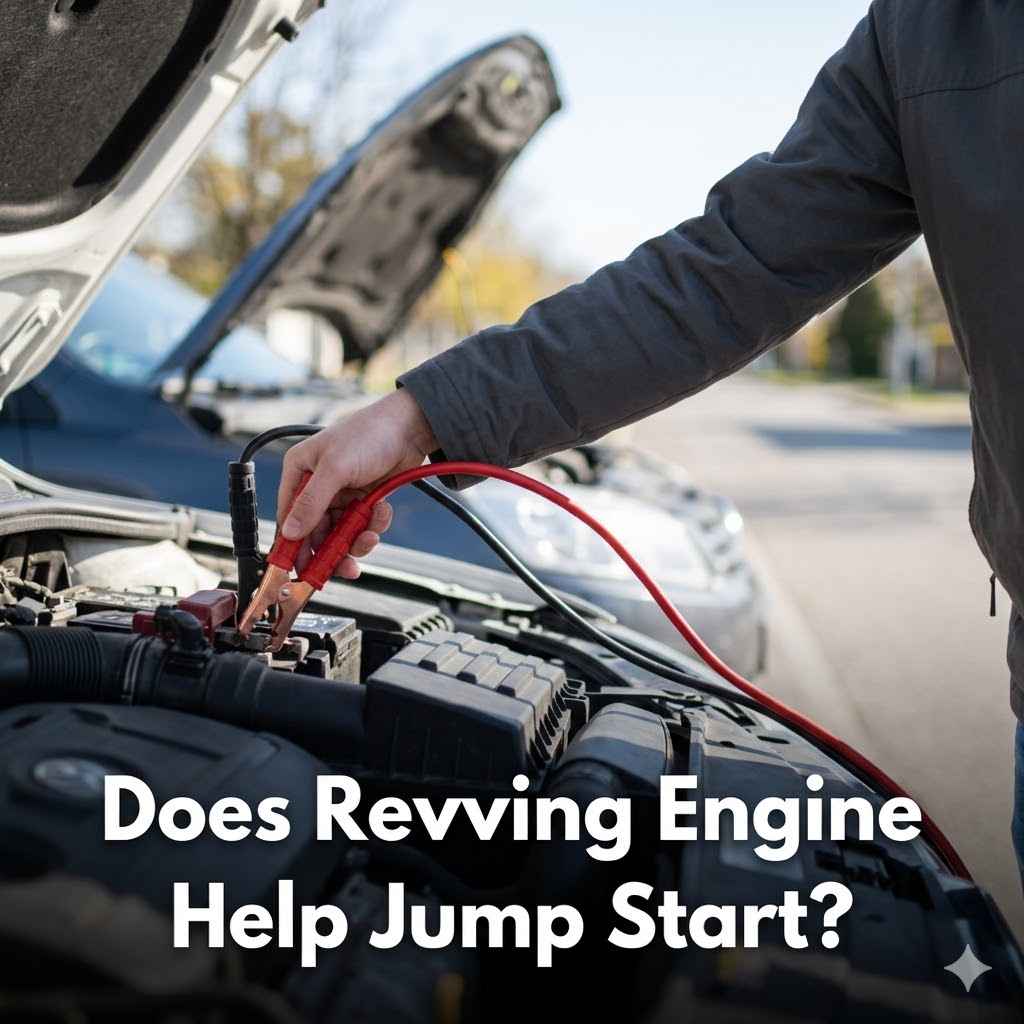
Does Revving Engine Help Jump Start?
Ever been stuck with a dead car battery and wondered if revving the engine helps when jump-starting? It’s a common question, especially when you’re new to this. Many people aren’t sure what to do, leading to a bit of confusion.
We’ll clear this up easily, showing you the best way to do it step-by-step. Get ready to learn how to jump-start your car safely and effectively, without any fuss.
Why People Ask Does Revving Engine Help Jump Start
Many drivers face the challenge of a car that won’t start, often due to a weak or dead battery. When this happens, jump-starting is a common solution. However, the exact process can be confusing.
People often hear conflicting advice about whether revving the engine of the car being jump-started or the helping car makes a difference. This uncertainty can lead to mistakes that could damage the vehicles or even cause injury. Understanding the correct steps ensures a safe and successful jump-start.
Understanding Jump-Starting Basics
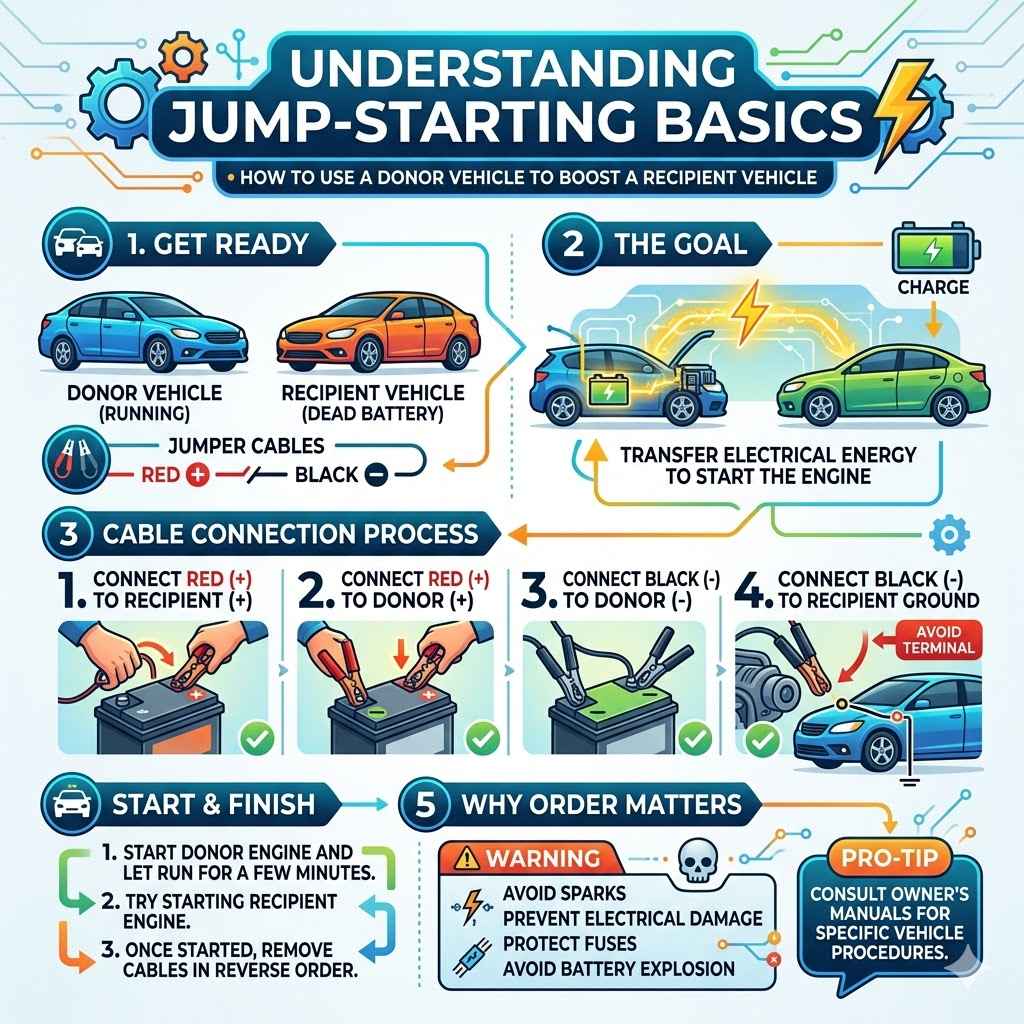
Jump-starting a car involves using a running vehicle to provide a temporary power boost to a car with a dead battery. This process requires jumper cables and two vehicles. One car, the “donor” vehicle, has a working battery.
The other car, the “recipient” vehicle, has the dead battery. The goal is to transfer electrical energy from the donor’s battery to the recipient’s battery to start the engine.
It’s important to connect the cables in the correct order to avoid sparks or electrical damage. Mistakes can lead to blown fuses, damaged electronics, or even a battery explosion. This is why clear, simple instructions are so valuable for anyone facing this situation.
The Role of the Battery
A car battery is a vital component that stores and supplies electrical energy. It powers the starter motor when you turn the ignition key, which in turn cranks the engine. It also provides electricity for lights, the radio, and other electronic systems when the engine isn’t running.
When a battery is weak or dead, it can no longer provide enough power to start the engine. This can happen due to age, extreme temperatures, leaving lights on, or a faulty charging system.
The Starter Motor Function
The starter motor is a powerful electric motor responsible for turning the engine’s flywheel. This initial rotation is what gets the engine combustion cycle started. It needs a significant amount of electrical current from the battery to operate.
If the battery voltage is too low, the starter motor won’t have enough power to crank the engine effectively, and the car won’t start.
Does Revving the Engine Help When Jump-Starting?
This is the big question many people have. The answer is a bit nuanced, and it depends on which car’s engine you’re talking about. Generally, revving the engine of the car with the dead battery is not recommended and can be harmful.
However, revving the engine of the car providing the jump can offer some benefits. Let’s break down why.
Revving the Dead Car’s Engine
When a car’s battery is too weak to start the engine, its electrical system is compromised. Revving the engine of this car while trying to jump-start it can actually make things worse. The starter motor requires a lot of power to turn the engine over.
If the battery can’t supply this, revving won’t magically create more power. In fact, it might put extra strain on the already weak battery and charging system, potentially causing damage. It’s best to let the donor car’s engine run and supply the power needed.
Revving the Donor Car’s Engine
On the other hand, letting the donor car’s engine run at a slightly higher RPM (revolutions per minute) than idle, say around 1500-2000 RPM, can be beneficial. This helps the donor car’s alternator produce more electrical current. The alternator is responsible for recharging the battery and powering the car’s electrical systems while the engine is running.
By revving the engine a bit, you ensure a more stable and robust supply of electricity is available to be transferred through the jumper cables to the struggling recipient car. This can make the jump-start process quicker and more successful.
How to Safely Jump-Start a Car Step-by-Step
Following a clear, step-by-step process is key to a safe and successful jump-start. Here’s what you need to do. Make sure you have a good pair of jumper cables.
Always read your car’s owner’s manual for specific instructions related to your vehicle.
Gather Your Supplies
You will need a set of jumper cables. They have red and black clamps on each end. You will also need a second vehicle with a working battery.
Ensure both vehicles are turned off and their parking brakes are engaged before you begin.
Position the Vehicles
Park the donor vehicle close enough to the recipient vehicle so that the jumper cables can reach both batteries comfortably. Make sure the vehicles are not touching each other. This is important to prevent accidental short circuits.
Connect the Jumper Cables Properly
This is the most critical step. Connect the cables in the correct order to avoid sparks and potential damage.
- Connect Red to Dead Positive: Attach one of the red clamps to the positive (+) terminal of the dead battery. The positive terminal is usually marked with a plus sign or a red cover.
- Connect Red to Live Positive: Attach the other red clamp to the positive (+) terminal of the working battery on the donor vehicle.
- Connect Black to Live Negative: Attach one of the black clamps to the negative (-) terminal of the working battery on the donor vehicle. This terminal is usually marked with a minus sign or a black cover.
- Connect Black to Ground on Dead Car: Attach the final black clamp to a clean, unpainted metal surface on the engine block or chassis of the car with the dead battery. This is called grounding. Do NOT connect it to the negative (-) terminal of the dead battery. This is a safety measure to prevent sparks from igniting any hydrogen gas that might be present around the battery.
The order of connection is very important. Connecting the black clamp to a metal ground point on the dead car, rather than directly to its negative terminal, is a crucial safety step. This prevents a spark from occurring right next to the battery, which can release flammable gases.
Start the Donor Vehicle
Once the cables are connected correctly, start the engine of the donor vehicle. Let it run for a few minutes. As mentioned earlier, you can slightly increase the RPM to about 1500-2000 RPM to help the alternator provide more power.
Attempt to Start the Recipient Vehicle
After the donor vehicle has been running for a few minutes, try to start the car with the dead battery. If it doesn’t start immediately, wait another minute or two and try again. Do not crank the engine for more than a few seconds at a time.
Disconnect the Jumper Cables
If the recipient vehicle starts, let both engines run for a few minutes. Then, carefully disconnect the jumper cables in the reverse order of connection. This is also a critical safety step.
- Disconnect Black from Ground on Dead Car: Remove the black clamp from the metal ground point on the recipient vehicle.
- Disconnect Black from Live Negative: Remove the black clamp from the negative (-) terminal of the donor vehicle.
- Disconnect Red from Live Positive: Remove the red clamp from the positive (+) terminal of the donor vehicle.
- Disconnect Red from Dead Positive: Remove the final red clamp from the positive (+) terminal of the recipient vehicle.
The reverse order of disconnection is just as important as the connection order. This minimizes the risk of sparks and short circuits as the cables are removed.
Keep the Recipient Car Running
Once the cables are disconnected, let the engine of the now-running recipient vehicle continue to run for at least 15-20 minutes. Driving it around is even better. This allows the alternator to recharge the battery sufficiently.
If the battery dies again shortly after, it might indicate a more serious problem.
Troubleshooting Common Jump-Starting Issues
Sometimes, even with careful adherence to the steps, jump-starting doesn’t go as planned. Here are some common issues and what to do about them. Don’t get discouraged if it doesn’t work the first time.
Car Still Won’t Start
If the recipient car still won’t start after a few attempts, there could be several reasons. The battery might be completely dead and beyond being jump-started, or it could be a faulty starter motor, alternator, or fuel delivery problem.
If the cables are connected correctly and the donor car is running, and the recipient car still shows no signs of life, it’s time to seek professional help. A mechanic can diagnose the underlying issue accurately.
Sparks During Connection or Disconnection
Small sparks can sometimes occur, especially during the final connection or disconnection. This is often normal if the connection is made to the negative terminal or a ground point. However, large, consistent sparks might indicate a poor connection or that you’ve connected something incorrectly.
If you see significant sparking, immediately check your connections. Ensure all clamps are making firm contact. Never allow the clamps to touch each other.
If the sparking is excessive and you’re unsure why, disconnect everything and re-read the instructions carefully.
Battery Leaking or Damaged
If you notice any signs of damage to the battery, such as cracks, swelling, or leaking fluid, do not attempt to jump-start the car. Battery acid is corrosive and can cause severe burns and damage.
In such cases, the battery needs to be replaced immediately by a professional. Trying to jump-start a damaged battery is extremely dangerous.
When to Call for Professional Help
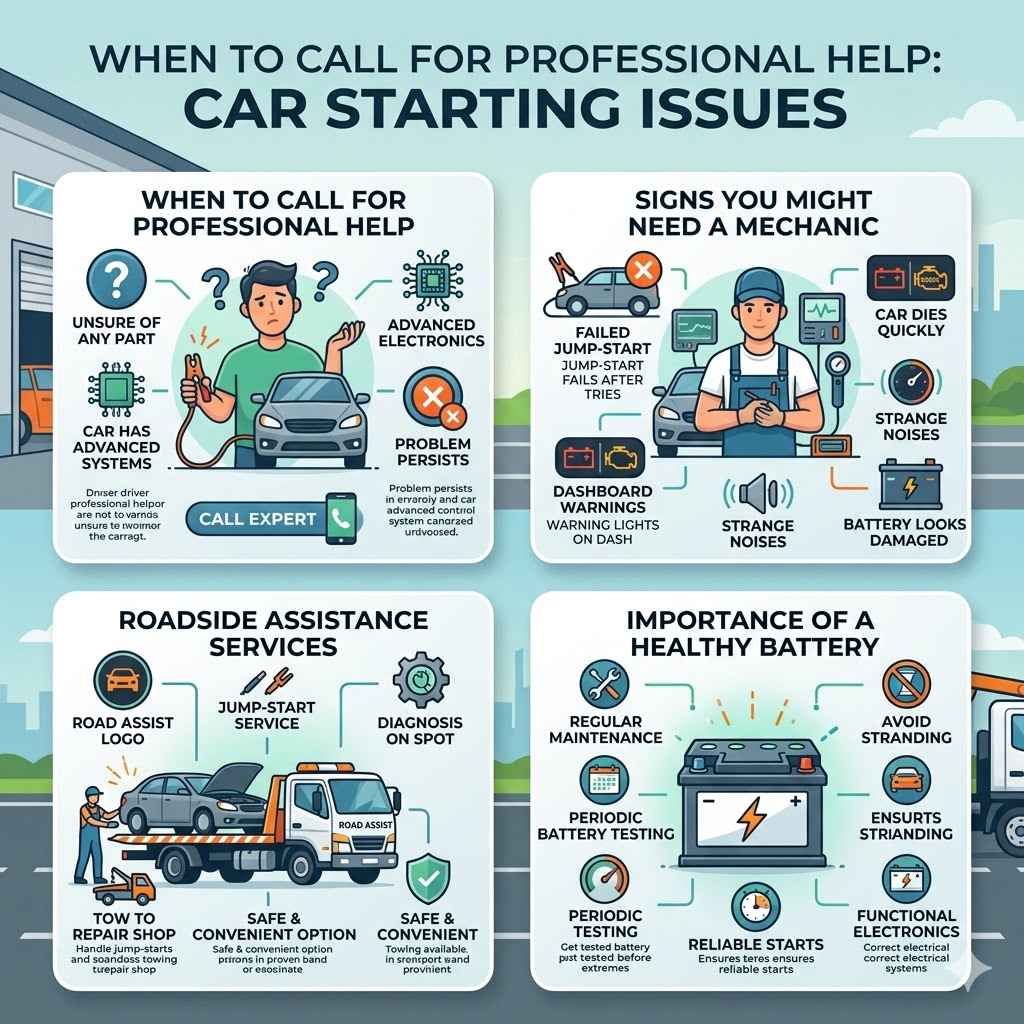
While jump-starting can be a lifesaver, there are times when it’s best to call in the experts. If you’re unsure about any part of the process, if your car has advanced electrical systems, or if the problem persists, professional assistance is recommended.
Signs You Might Need a Mechanic
If jump-starting doesn’t work after a few tries, or if the car starts but dies again quickly, it’s a strong indicator of a deeper issue. Other signs include warning lights on the dashboard (like the battery or check engine light), strange noises from the engine, or if the battery itself looks damaged.
Modern cars have complex electrical systems. Sometimes, a specific fuse or relay might be blown, or there could be an issue with the alternator’s ability to charge the battery. A mechanic has the specialized tools and knowledge to diagnose and fix these problems correctly.
Roadside Assistance Services
Many people have roadside assistance through their insurance or a membership service. These services are equipped to handle jump-starts and can often diagnose minor issues on the spot.
If you’re not comfortable performing a jump-start yourself, or if you suspect a more serious problem, calling for roadside assistance is a safe and convenient option. They can help you get your car running or tow it to a repair shop.
The Importance of a Healthy Battery
Regular battery maintenance is key to preventing these situations. Getting your battery tested periodically, especially before winter or summer extremes, can help you catch issues before they leave you stranded. A healthy battery ensures your car starts reliably and your electrical systems function correctly.
Frequently Asked Questions
Question: What if the car I’m jump-starting has a hybrid or electric system
Answer: Jump-starting hybrid or electric vehicles can be very different and often more complex due to their sophisticated battery and power management systems. It is generally not recommended to jump-start a hybrid or EV using standard jumper cables. Always consult your vehicle’s owner’s manual for specific instructions on how to handle a low battery situation.
In most cases, you will need to contact roadside assistance or a qualified technician.
Question: How long should I let the donor car run before trying to start the dead car
Answer: Let the donor car’s engine run for at least 3-5 minutes before attempting to start the car with the dead battery. Increasing the donor car’s engine RPM slightly to around 1500-2000 RPM during this time helps its alternator produce more power to charge the dead battery.
Question: Can I jump-start my car if the battery is frozen
Answer: No, you should never attempt to jump-start a frozen battery. A frozen battery can explode due to the internal chemical reactions and expansion. If you suspect your battery is frozen, do not try to start your car and allow it to thaw naturally in a warmer location.
Once thawed, have the battery inspected by a professional before attempting to jump-start.
Question: What are the risks of connecting the cables incorrectly
Answer: Connecting the jumper cables incorrectly can cause serious damage to the electrical systems of both vehicles, including the batteries, alternators, and onboard computers. It can also lead to dangerous sparks that could ignite battery gases and cause an explosion.
Question: How long does a jump-start last
Answer: A jump-start is a temporary solution to get your car moving so you can recharge the battery. It doesn’t fix the underlying problem. The car needs to run for at least 15-30 minutes, preferably by driving, to allow the alternator to sufficiently recharge the battery.
If the battery dies again soon after, it likely needs to be
Conclusion
So, does revving the engine help when jump-starting? Yes, for the donor car, a little extra RPM boosts power. For the dead car, it’s best not to rev.
Follow the steps carefully, connect cables correctly, and you’ll get going. If problems persist, call a pro.