Best Drill Brush for Car Seats: Top Picks and Buying Guide
A drill brush turns an ordinary cordless drill into a fast rotary scrubber, and it is one of the quickest ways to loosen ground-in dirt from car seat upholstery without wearing out your arm. The Holikme 5-Piece Set is our pick for most car seats because it is sold specifically for car and interior detailing and costs less than $7. Below we compare three well-reviewed drill brush kits, then walk through how to use one safely and what to look for before you buy.
| Product | Price | Pieces | Best For |
|---|---|---|---|
| Holikme 6-Piece Power Scrubber Set | $9.99 | 6 | Best overall value |
| Holikme 5-Piece Car & Bath Detailing Set | $6.99 | 5 | Best for car interiors |
| Holikme 22-Piece Detailing Kit | $19.99 | 22 | Most complete kit |
Our Top 3 Drill Brush Picks for Car Seats
Each of these kits attaches to a standard cordless drill or impact driver. Prices and stock status were checked at the time of writing and can change on Amazon.
1. Holikme 6-Piece Drill Brush Power Scrubber Set
BEST OVERALL VALUE
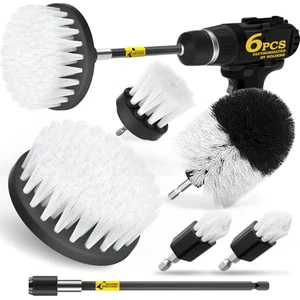 |
Holikme 6-Piece Power Scrubber Set – $9.99 A 6-piece set of soft white nylon brush heads in several shapes and sizes, plus an extension shaft, that fits any standard drill.
|
This kit’s white bristles are the softest color in Holikme’s lineup, which makes it a reasonable starting point for fabric seats. As with any drill brush, test it on a hidden area of the seat first.
2. Holikme 5-Piece Drill Brush Set for Car and Bath Detailing
BEST FOR CAR INTERIORS
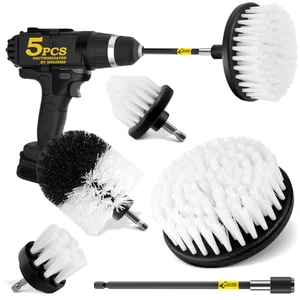 |
Holikme 5-Piece Car & Bath Detailing Set – $6.99 A smaller 5-piece kit that Holikme markets specifically for car and bathroom detailing, with an extension shaft for reaching seat backs and door pockets.
|
3. Holikme 22-Piece Drill Brush and Car Detailing Kit
MOST COMPLETE KIT
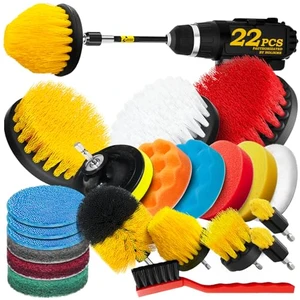 |
Holikme 22-Piece Detailing Kit – $19.99 A large 22-piece kit that adds scrub pads, sponges, buffing pads, and a wax applicator pad on top of the standard bristle brushes.
|
How to Use a Drill Brush on Car Seats Safely
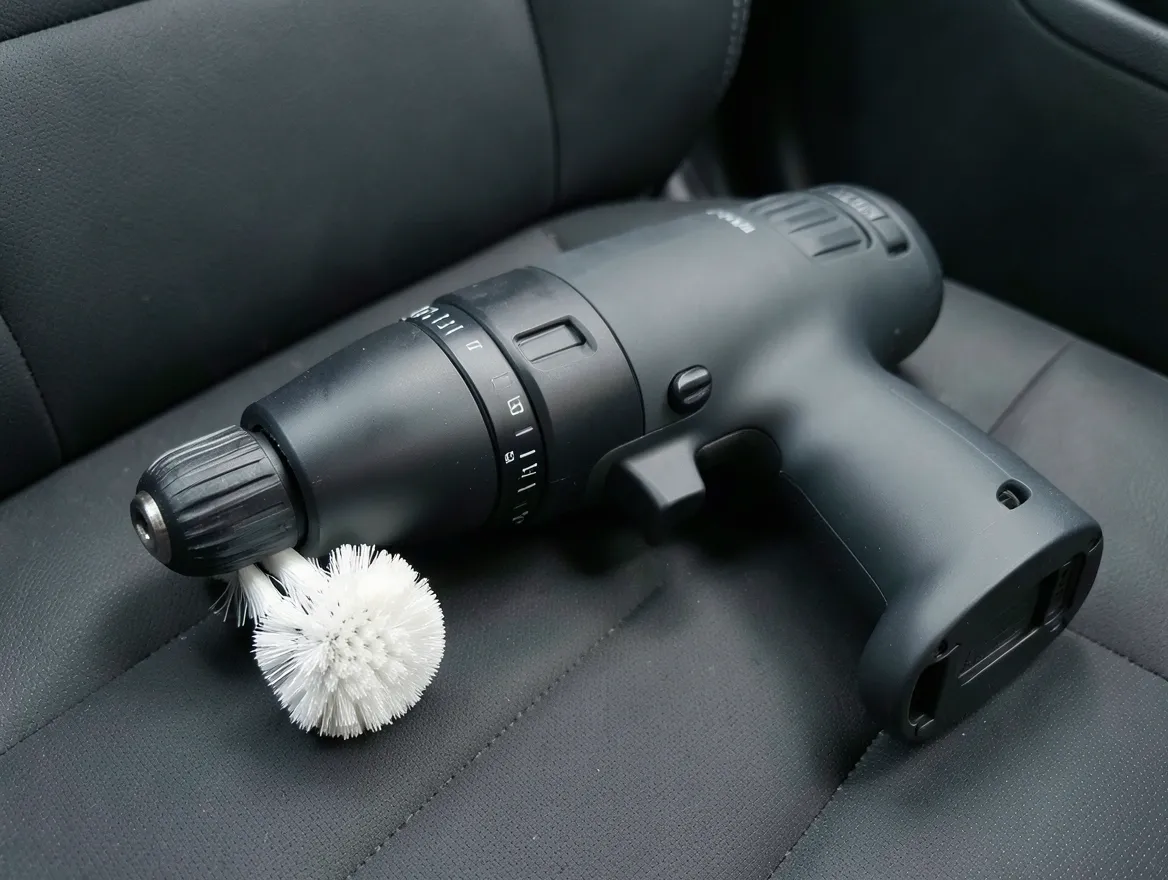
A drill brush is more aggressive than scrubbing by hand, so speed and pressure matter more than they do with a regular brush. Follow these steps:
- Vacuum first. Remove loose dirt, crumbs, and debris so the brush is not just grinding grit deeper into the fabric.
- Test on a hidden spot. Try the brush under the seat or on a seam that is not visible before working on the main cushion.
- Apply cleaner. Spray an upholstery cleaner or a mild soap-and-water solution onto the fabric, not directly onto the spinning brush.
- Set the drill to low speed. Roughly 800 to 1,200 RPM is enough to agitate fabric and carpet without generating excessive heat or friction.
- Scrub in overlapping circular passes. Let the brush do the work; pressing hard does not clean faster and increases the risk of fraying fabric.
- Wipe and let dry. Blot up the loosened dirt and cleaner with a microfiber towel, then leave a door open or use a fan so the seat can air dry.
Buying Guide: What to Look for in a Drill Brush for Car Seats
Not every drill brush is a good match for every seat material. Use this guide alongside our car seat removal guide if you want full access to the cushion before scrubbing.
Bristle Material and Stiffness
Most drill brush kits color-code bristle stiffness: white or light-colored bristles are the softest and safest for fabric seats, while black, yellow, or red bristles are stiffer and better suited to floor mats, wheel wells, or tile grout. Match the softest bristle to delicate upholstery and save stiffer brushes for carpet and mats.
Brush Shape and Size
Flat, wide brush heads cover large flat cushions quickly. Smaller cone or pointed brush heads are better for seams, headrest stitching, and the crevice where the seat back meets the cushion. A kit with two or three head shapes will handle a full seat more efficiently than a single flat brush.
Drill Compatibility
Nearly all drill brush attachments use a standard 1/4-inch hex shaft that fits any cordless drill or impact driver, but double-check the listing before buying if you have an unusual chuck size or a battery-only screwdriver with limited torque.
Versatility Beyond Car Seats
Since most kits started out as household scrubbing sets, many of the same brushes also work on floor mats, cup holders, wheel wells, and tile or grout at home. If you only need a kit for the car, a smaller car-specific set like the 5-piece option above avoids paying for pieces you will not use.
Price and Expected Durability
Most car-ready drill brush kits run from about $7 to $20. At that price they are meant for occasional seasonal detailing rather than daily professional use; bristles will eventually splay or wear down with heavy, repeated scrubbing, which is normal for a budget attachment rather than a sign of a defective kit.
Frequently Asked Questions
How Do I Use a Drill Brush on Car Seats?
Vacuum the seat first, spray on an upholstery cleaner, then attach a soft-bristle brush head to your drill and run it at a low speed setting. Work in overlapping circular passes over the fabric, then wipe away the loosened dirt with a microfiber towel and let the seat air dry.
Can a Drill Brush Damage Car Seat Fabric?
It can if you use a stiff brush, run the drill at high speed, or press too hard. Using a soft, light-colored bristle brush at low speed, and testing on a hidden area first, keeps the risk of fraying or scratching very low on most fabric and vinyl seats.
What Type of Drill Brush Is Best for Car Seats?
A soft, white-bristle brush head is the safest choice for cloth and vinyl seats. Reserve stiffer black or yellow bristles for floor mats and carpet, which can handle more aggressive scrubbing.
How Often Should I Clean Car Seats With a Drill Brush?
Every two to three months is enough for most drivers, or sooner if you regularly eat in the car, carry pets, or drive with kids. Frequent light cleaning is gentler on the fabric than waiting for dirt to build up and requiring heavier scrubbing later.
Can I Use a Drill Brush on Leather Car Seats?
It is safest to avoid a drill brush on leather and use a dedicated leather cleaner with a soft brush by hand instead. If you do use a drill brush on leather, use only the softest white-bristle head, run the drill at the lowest speed, and test an inconspicuous spot first, since some leather finishes can scratch.
What Drill Speed Should I Use for Cleaning Car Seats?
Roughly 800 to 1,200 RPM is enough to agitate fabric and carpet without overheating the material. Start at your drill’s lowest speed setting and increase gradually only if needed; high speed adds friction and heat without cleaning any faster.
Conclusion
A drill brush is a genuinely faster way to deep-clean fabric or vinyl car seats than scrubbing by hand, as long as you match the bristle stiffness to the material and keep the drill on a low speed. The Holikme 5-Piece Set is the most direct fit if you only want a kit for the car, while the 22-piece kit is worth the extra cost if you also want polishing pads for exterior paint. Whichever kit you choose, test it on a hidden area of the seat before running it over the whole cushion.
Products related to this article
Sponsored / affiliate links. As an Amazon Associate I earn from qualifying purchases. I may earn additional commission from eligible campaigns.