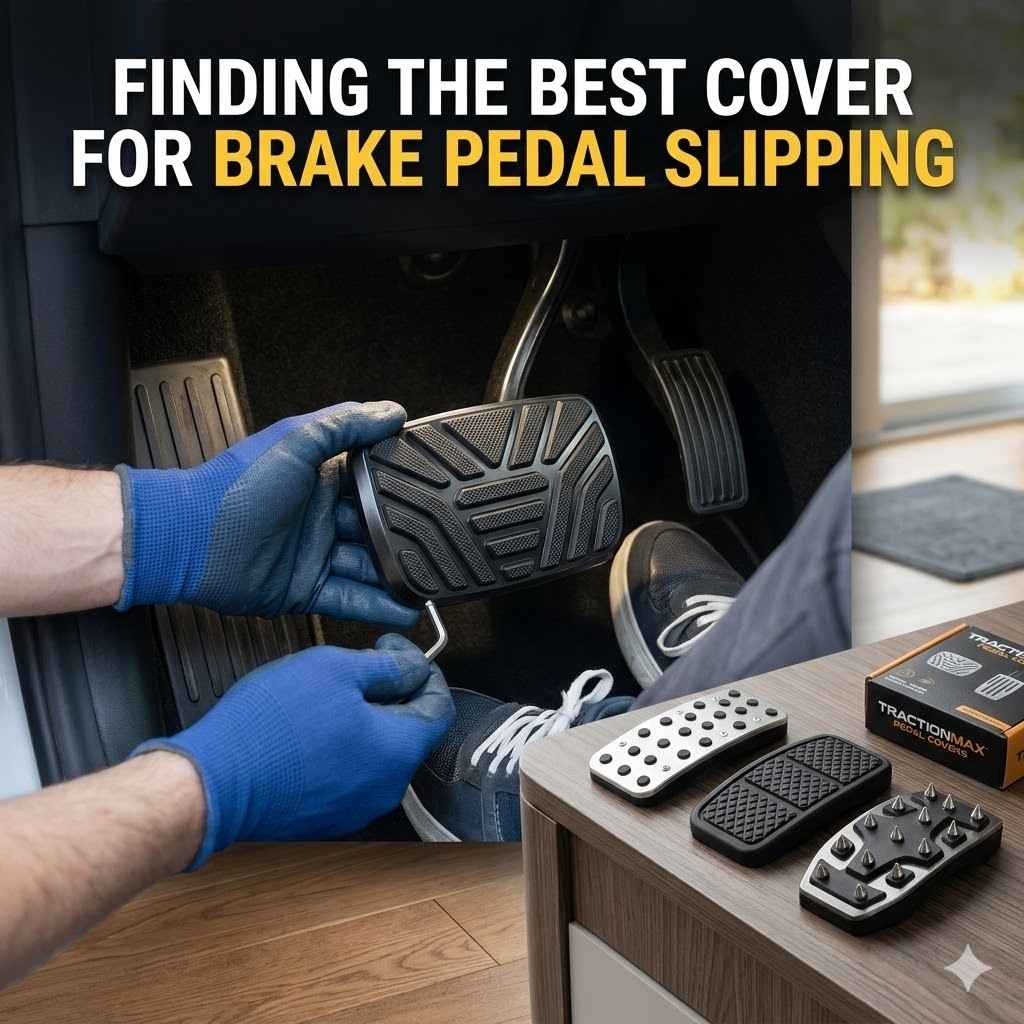
Finding The Best Cover For Brake Pedal Slipping
Getting the right Cover to Put on Brake Pedal to Prevent Foot Slipping can sometimes feel tricky, especially when you’re just starting out with your car. It’s one of those little things that can make a big difference in how safe and comfortable you feel driving. Don’t worry if you’re not sure where to start.
This guide will walk you through everything you need to know, step by step, so you can find the perfect solution for your needs.
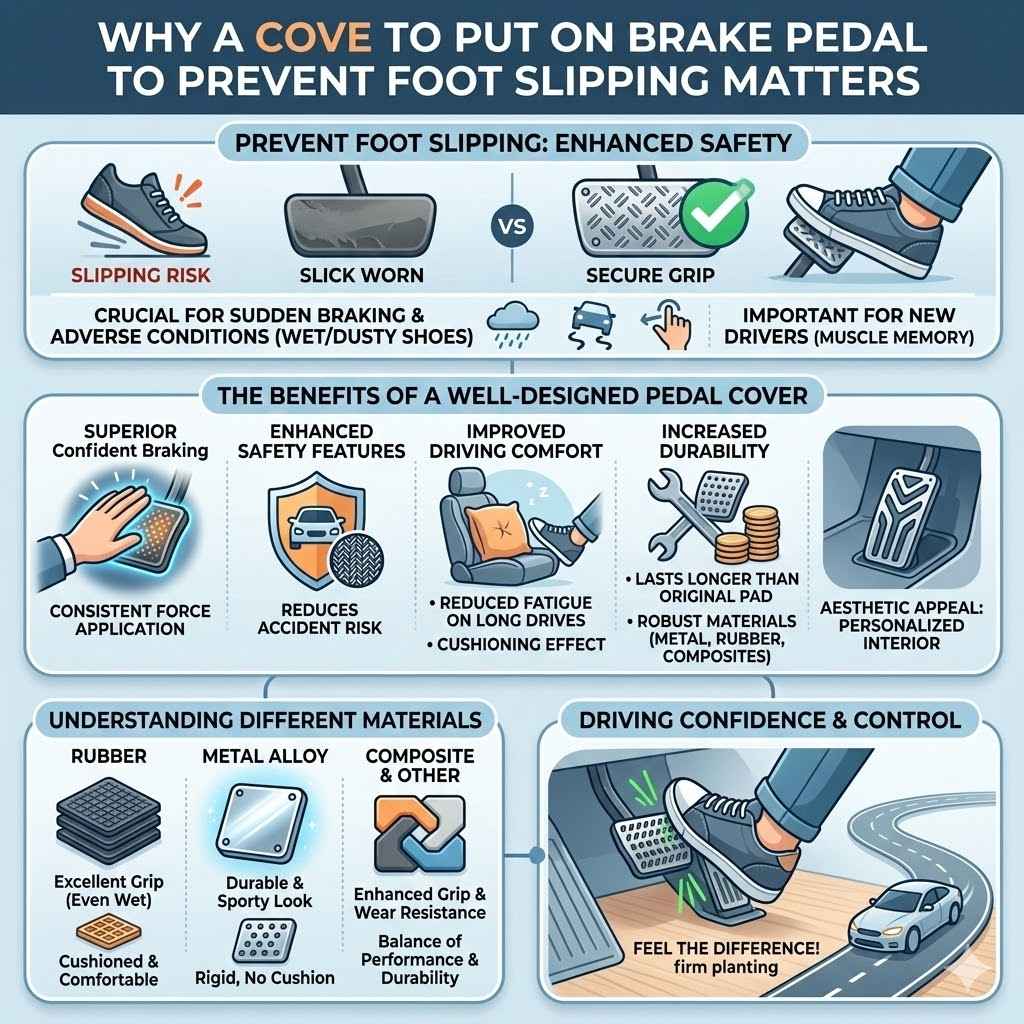
Why A Cover To Put On Brake Pedal To Prevent Foot Slipping Matters
The purpose of a Cover to Put on Brake Pedal to Prevent Foot Slipping is quite straightforward, yet its impact on your driving experience can be significant. Imagine a situation where your shoe is wet or dusty, and you need to brake suddenly. Your foot might slide off the pedal, causing you to lose control or brake unevenly.
This is where a good pedal cover comes into play. It adds grip and a more tactile surface, ensuring your foot stays firmly planted when you need it most. This is especially important for new drivers who are still developing their muscle memory and pedal control.
Even experienced drivers can benefit from the added security, especially in unpredictable weather conditions. The right cover enhances safety and can also add a touch of style to your car’s interior.
The Benefits Of A Well-Designed Pedal Cover
A quality pedal cover does more than just prevent slipping; it offers a range of advantages that contribute to a better driving feel. These covers are designed to provide a superior grip compared to standard rubber or metal pedals, which can become slick, especially when wet or worn. This enhanced traction means you can apply braking force more confidently and consistently.
Enhanced Safety Features
The primary benefit is increased safety. A non-slip surface on the brake pedal ensures your foot stays in place during braking maneuvers. This reduces the risk of accidents caused by a foot slipping off the pedal.
Imagine needing to brake hard to avoid an obstacle; a secure grip gives you the confidence that your foot will stay put. This is crucial for preventing unexpected reactions and maintaining control of the vehicle.
Improved Driving Comfort
Many pedal covers are made from materials that offer a more comfortable surface for your foot. Some have a slight cushioning effect, reducing fatigue on longer drives. The texture can also provide a more pleasing feel than a hard, often cold, metal pedal.
This can make a noticeable difference in overall driving enjoyment.
Increased Durability
Factory brake pedal pads can wear down over time, becoming smooth and less effective. Aftermarket covers are often made from more robust materials like high-quality rubber, metal alloys, or even composite materials designed to withstand heavy use. This means they can last longer than the original pedal pad, saving you money in the long run.
Aesthetic Appeal
Pedal covers come in various styles and finishes, from sporty metallic looks to sleek black designs. They can help personalize your car’s interior and give it a more custom feel. A clean, stylish pedal cover can elevate the look of your driver’s side footwell.
Understanding Different Materials Used For Pedal Covers
The choice of material significantly impacts the grip, durability, and feel of a brake pedal cover. Different materials offer unique properties that cater to various driver preferences and conditions. Understanding these differences helps in making an informed decision.
Rubber And Its Advantages
Rubber is a very common material for pedal covers because it offers excellent grip, especially when wet. It’s flexible and provides a comfortable surface for your foot. Natural rubber and synthetic rubber compounds are often used.
The texture is usually designed with ridges, studs, or a waffle pattern to maximize traction.
Metal Alloy Options
Metal covers, often made from aluminum or stainless steel, provide a durable and often sporty look. They typically feature drilled holes or raised patterns to offer grip. While they can look great, some metal pedals might become slippery when wet if the tread pattern isn’t aggressive enough.
They are very rigid and don’t offer any cushioning.
Composite And Other Materials
Some high-performance pedal covers use composite materials that blend rubber with other elements for enhanced grip and wear resistance. These can offer a balance of performance and durability. Other specialized materials might be used for specific applications, aiming for extreme grip or lightweight construction.
How To Choose The Right Cover To Put On Brake Pedal To Prevent Foot Slipping
Selecting the appropriate Cover to Put on Brake Pedal to Prevent Foot Slipping involves considering several factors to ensure it meets your specific needs and preferences. It’s not just about buying the first one you see; a little thought can lead to a much better outcome. Think about how you drive, the conditions you typically drive in, and what feels best under your feet.
Compatibility With Your Vehicle
The first and most critical step is ensuring the pedal cover is compatible with your car’s make and model. Brake pedals vary in size and shape across different vehicles. Some covers are universal, designed to fit a wide range of pedals, while others are vehicle-specific, offering a precise fit.
Universal Fit Covers
These are designed to be adaptable. They often come with adjustable straps, clamps, or a flexible design that can stretch over the existing pedal. While convenient, they might not offer the most secure or custom fit.
Some may require modification or extra effort to stay in place perfectly. It’s important to check reviews to see how well they hold up in real-world use.
Vehicle-Specific Covers
These are engineered for a particular car model or a specific pedal design. They usually attach securely, often with screws or a snap-on mechanism, providing a snug and stable fit. This precision fit ensures the cover won’t shift or come loose, offering the best possible performance and safety.
Measuring Your Pedal
If you’re considering a universal cover, it’s wise to measure the dimensions of your brake pedal. Note its width and length. Compare these measurements to the product specifications of the cover you are interested in.
This simple step can prevent disappointment and ensure you don’t end up with a cover that’s too small or too large.
Installation Methods And Security
The way a pedal cover attaches to your brake pedal is crucial for its effectiveness and safety. A poorly attached cover can be more dangerous than no cover at all. Therefore, understanding the installation method is key.
Screw-On Type Installation
Many metal and some robust rubber covers use a screw-on method. This typically involves two plates or sections that clamp around the pedal. Small screws are then tightened to secure the cover.
This method usually offers a very strong and permanent installation. However, it requires drilling holes into the pedal or the cover itself, which is irreversible.
Clip-On Or Snap-On Designs
These are often found on vehicle-specific covers. They are designed to snap or clip directly onto the existing brake pedal without the need for tools or permanent modifications. This makes installation quick and easy.
The security of these covers depends heavily on the design and the quality of the clips or snaps.
Strap And Clamp Systems
Universal covers often employ adjustable straps, bungee cords, or clamp mechanisms. These are designed to wrap around the pedal and be tightened for a secure fit. While generally easy to install, the long-term security can vary.
Vibrations from driving can sometimes loosen these attachments over time, requiring periodic checks.
A study by the National Highway Traffic Safety Administration (NHTSA) found that 21% of vehicle accidents in a given year involved driver error, with improper pedal control being a contributing factor in some cases. While this is a broad statistic, it highlights the importance of secure and reliable pedal operation.
Grip Patterns And Texture Considerations
The surface texture and grip pattern of the pedal cover are designed to prevent your foot from slipping. Different patterns offer varying levels of traction. The feel underfoot is also a personal preference.
Knurled Surfaces
Knurling involves creating small, diamond-shaped indentations on the surface. This pattern provides a very aggressive grip. Metal pedals often feature knurling.
It’s excellent for preventing slippage, especially in extreme conditions, but might feel rough on bare feet or soft-soled shoes.
Raised Studs Or Dimples
These are individual raised points or small mounds that stick up from the pedal surface. They create multiple points of contact with your shoe sole, enhancing grip. The spacing and height of these studs can vary, affecting the overall feel and traction.
Grooved Or Waffle Patterns
These patterns use channels or a grid-like structure. The grooves help to channel away water or dirt, maintaining contact between the shoe and the pedal. Waffle patterns offer a consistent, reliable grip that is often comfortable as well.
Rubber covers frequently use these designs for a good balance of grip and comfort.
Recessed Areas
Some designs incorporate recessed areas, which can give your shoe sole something to ‘bite’ into. This can be particularly effective with softer shoe materials. The combination of raised and recessed elements often creates the most effective grip.
Installing Your Cover To Put On Brake Pedal To Prevent Foot Slipping
Once you have chosen the ideal Cover to Put on Brake Pedal to Prevent Foot Slipping, the next step is proper installation. Following the manufacturer’s instructions carefully will ensure a secure and effective fit, maximizing both safety and performance. While methods vary, the general principles remain consistent.
Preparing The Brake Pedal
Before installing any cover, ensure the original brake pedal surface is clean and dry. Any dirt, grease, or moisture can prevent the new cover from adhering properly or could cause it to slip. A simple wipe-down with a damp cloth, followed by drying, is usually sufficient.
Step-By-Step Installation Guide
The exact steps will depend on the type of cover you purchased, but here’s a general overview:
Remove any existing pedal pad if necessary. Some covers are designed to go over existing rubber, while others replace it.
For screw-on types, align the cover parts with the brake pedal. Use the provided screws to fasten them together. Tighten them evenly and securely.
For snap-on or clip-on covers, position the cover and press firmly until it clicks into place. Ensure all edges are flush with the pedal.
For strap or clamp systems, loop the straps around the pedal and pull them taut. Secure any buckles or clamps. Adjust as needed for a snug fit.
Test the cover by applying firm pressure with your foot. It should not shift, slide, or feel loose. Ensure full pedal travel is not obstructed.
Testing And Fine-Tuning The Fit
After installation, it’s vital to test the cover thoroughly. Gently press on the pedal with your foot while the car is stationary. Ensure it feels stable and provides the expected grip.
If it feels loose or wobbly, re-check the installation method and tighten or adjust as needed. A secure fit is paramount for safety.
Maintenance And Care For Your Pedal Cover
To ensure your Cover to Put on Brake Pedal to Prevent Foot Slipping remains effective and looks good for years to come, regular maintenance is necessary. Proper care will preserve its grip and durability.
Cleaning Your Pedal Cover
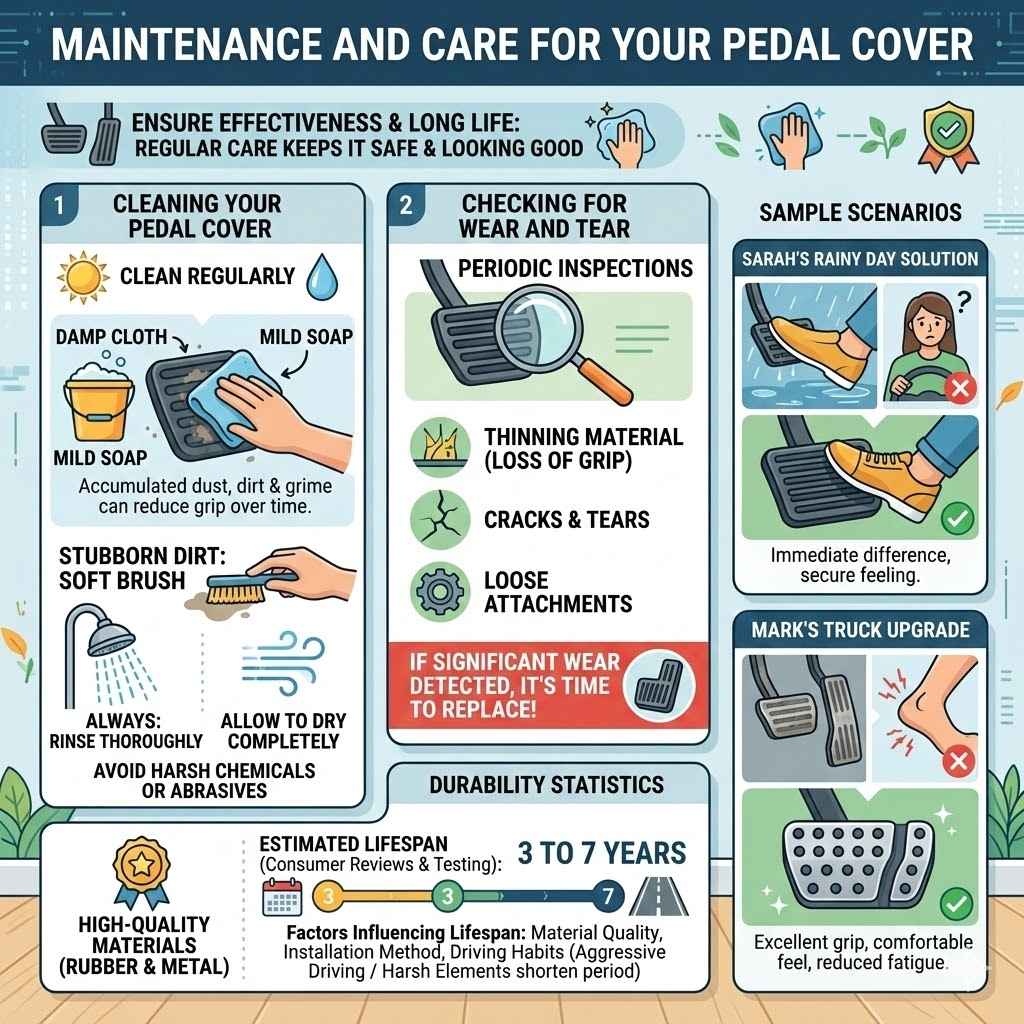
Pedal covers can accumulate dust, dirt, and grime, which can reduce their grip over time. Clean them regularly using a damp cloth and mild soap. For stubborn dirt, a soft brush can be used.
Always rinse thoroughly and allow the cover to dry completely before driving. Avoid using harsh chemicals or abrasive cleaners that could damage the material.
Checking For Wear And Tear
Periodically inspect the pedal cover for signs of wear. Look for any thinning of the grip material, cracks, tears, or loose attachments. If the cover shows significant wear, it may be time to replace it to maintain optimal safety and performance.
A worn cover can lose its grip, defeating its purpose.
Sample Scenario One
Sarah was driving her new car on a rainy day. As she approached a red light, she applied the brakes, but her foot, clad in smooth-soled shoes, slipped on the wet pedal. This caused a sudden jolt and a feeling of unease.
She decided then and there to find a good brake pedal cover. She researched options and settled on a rubber cover with a deep, grooved pattern. After installing it, she felt an immediate difference.
Her foot no longer slid, and she felt much more secure.
Sample Scenario Two
Mark often drove his classic truck for long distances. The original brake pedal was made of hard metal and had a very worn surface. His feet would ache after a few hours, and he worried about slipping during emergency stops.
He found a sporty aluminum pedal cover with aggressive raised studs. The installation was simple, and the difference was night and day. The studs provided excellent grip, and the slight texture offered a more comfortable feel, reducing his foot fatigue on his road trips.
Durability Statistics
While specific statistics on brake pedal cover durability are scarce, consumer reviews and product testing suggest that high-quality rubber and metal covers can last anywhere from 3 to 7 years under normal driving conditions. Factors like material quality, installation method, and driving habits significantly influence lifespan. For instance, aggressive driving or frequent exposure to harsh elements can shorten this period.
Frequently Asked Questions
Question: How do I know if a brake pedal cover will fit my car?
Answer: Check the product description for compatibility information. Many are listed by vehicle make and model, while universal ones often require measuring your pedal and comparing it to the product dimensions.
Question: Can I install a brake pedal cover myself?
Answer: Yes, most brake pedal covers are designed for DIY installation. Some may require basic tools like a screwdriver, while others simply snap or clip on.
Question: Will a brake pedal cover make my brake pedal slippery?
Answer: No, the purpose of a brake pedal cover is to increase grip and prevent slipping. Look for covers with textured surfaces, rubber materials, or aggressive patterns.
Question: How often should I clean my brake pedal cover?
Answer: It’s recommended to clean your brake pedal cover whenever it appears dirty, or at least once every few months, to maintain optimal grip and hygiene.
Question: Are metal brake pedal covers safe if they get wet?
Answer: Some metal covers can become slippery when wet if their tread pattern isn’t aggressive. Rubber or composite covers often offer better grip in wet conditions.
Summary
Choosing a Cover to Put on Brake Pedal to Prevent Foot Slipping is a smart move for anyone seeking better control and comfort. By considering compatibility, installation, and grip features, you can find a solution that fits perfectly. Keep it clean and check for wear.
Your feet will thank you for the secure and comfortable ride.