Are Heated Car Seats Bad For You? What To Know
It’s that time of year again. The air is crisp, and the mornings are chilly. You slide into your car, and there it is.
That wonderful warmth. Heated car seats feel amazing when it’s cold outside. But have you ever wondered if they might be bad for you?
It’s a common question people ask. We all want to be comfortable. But we also want to be safe and healthy.
Heated car seats are generally safe for most people when used as directed. They use low levels of electromagnetic fields (EMFs) and heat. However, prolonged exposure or very high temperatures can pose risks, especially for certain individuals like pregnant women or those with specific medical conditions. It’s wise to use them mindfully.
Understanding Heated Car Seats
Heated car seats are a popular car feature. They add comfort on cold days. They work using electric heating elements.
These elements are woven into the seat fabric or padding. When you turn them on, electricity flows through these wires. This creates heat.
The heat then warms the seat surface. You can usually control the temperature. Most cars have a dial or buttons for this.
There are different levels of warmth. You can often choose high, low, or sometimes just on/off. This lets you pick what feels best for you.
It’s a simple system. But it’s very effective at making your ride cozier. Many drivers now look for this feature.
It makes driving in winter much more pleasant. It’s a real game-changer for many people.
Your Personal Experience with Heated Seats
I remember the first time I really appreciated a heated car seat. It was years ago. I had an older car that wasn’t very well insulated.
One winter morning, the temperature had dropped to single digits. It was still dark outside. I had a long drive ahead.
Getting into that freezing cold car felt like a shock. The steering wheel was icy. The seats were even colder.
I fumbled for the controls. I turned the heated seat on high. Within a few minutes, a gentle warmth started to spread.
It was like a hug from the inside out. The chill in my bones began to fade. I could actually feel my fingers start to warm up.
That drive felt so much easier. It made a difficult morning much more bearable. I still think about that feeling when the weather turns cold.
It’s a small luxury that makes a big difference.
Heat Levels and Your Comfort
Normal Operation: Most heated seats have settings like low, medium, and high. The low setting aims for a gentle warmth. The high setting provides more intense heat.
This is usually for a short period to warm you up quickly.
Self-Regulation: Modern systems often have thermostats. They help prevent the seat from getting too hot. This is a safety feature.
It turns off the heat if it reaches a certain point.
Personal Preference: What feels warm to one person might feel too hot for another. It’s good to listen to your body. Adjust the settings as needed.
The Science Behind Heated Car Seats
Heated car seats use a technology called resistive heating. It’s quite simple. Electric wires run through the seat.
These wires have a certain amount of resistance. When electricity passes through them, resistance creates heat. Think of it like a toaster.
The wires get hot. This heat then transfers to the seat material.
The heating elements are usually made of a special alloy. This alloy can handle high temperatures. It’s also flexible.
This is important so it can bend with the seat. The wires are often thin. They are spread out to give you even heat.
The car’s electrical system powers them. It’s a safe and common way to generate heat.
Many people ask about electromagnetic fields (EMFs). These are produced by any electrical device. Heated car seats do produce EMFs.
However, the levels are generally very low. They are well within safety limits set by experts. Think of all the devices we use daily.
Your phone, your microwave, your Wi-Fi router. These also produce EMFs. The EMFs from heated seats are typically much lower than from some other common appliances.
The heat itself is another factor. It’s designed to be comforting. But like any heat source, it can be too much if used improperly.
The temperature is usually regulated. This is to keep it safe. But it’s still wise to be aware of how hot the seat feels to you.
Especially if you have sensitive skin or certain health issues.
Potential Health Concerns
For most people, heated car seats are perfectly fine. However, there are some situations where caution is needed. One concern is prolonged exposure to heat.
This is sometimes called mild hyperthermia. It’s when your body gets a little too warm for too long. This can make you feel tired or dizzy.
It’s usually not serious with car seats.
There’s also a condition called “toasted skin syndrome.” This is a skin condition. It happens from repeated exposure to moderate heat. It can cause red or brown patches on the skin.
It might also cause a burning sensation. This is more common with heating pads used for long periods. But it’s a possibility with any consistent heat source.
People with certain medical conditions need to be extra careful. This includes those with diabetes. Nerve damage from diabetes can affect your ability to feel heat.
You might not realize the seat is too hot. This could lead to burns without you knowing it.
Pregnant women are also often advised to be cautious. Some studies suggest that overheating during pregnancy might pose risks. It’s generally recommended to avoid prolonged, high heat exposure.
This includes very hot baths or saunas. Heated car seats on high for a long time might fall into this category. It’s best to check with your doctor for personalized advice.
Who Should Be Extra Cautious?
- Pregnant Women: Avoid prolonged high heat.
- People with Diabetes: Nerve damage can reduce heat sensitivity.
- Individuals with Circulation Issues: Heat can affect blood flow.
- Infants and Young Children: Their skin is more sensitive.
- Those with Sensitive Skin: Risk of skin irritation or burns.
EMFs in the Car: What the Science Says
Let’s talk more about EMFs. Electromagnetic fields are all around us. They come from natural sources too, like the sun.
Electrical devices create man-made EMFs. Cars are full of electronics. This includes the engine, the radio, the navigation system, and yes, heated seats.
The type of EMFs we’re often concerned about are called “extremely low frequency” (ELF) EMFs. These are produced by things like household wiring and appliances. Heated car seats produce these types of EMFs.
The levels are measured in units called milligauss (mG) or microtesla (µT).
Research on EMFs and health is ongoing. Some studies have looked for links between EMF exposure and health problems like cancer. However, the results are not clear.
Major health organizations generally state that there isn’t enough evidence to say that ELF EMFs cause cancer or other serious health issues. They often say more research is needed.
Organizations like the World Health Organization (WHO) and the U.S. Food and Drug Administration (FDA) provide information on EMFs. They often conclude that the EMFs from devices like heated car seats are too low to be a significant health concern for most people.
The key here is “most people.” If you’re worried, it’s always good to be informed.
EMF Facts: Quick Scan
What are EMFs? Energy fields from electrical sources.
Types in cars: Mostly ELF EMFs from electrical components.
Heated seats’ role: They emit low levels of ELF EMFs.
Scientific consensus: No clear link to serious health problems for most people.
Safety standards: Devices must meet strict safety limits.
Real-World Context and Usage Habits
Think about how you actually use your heated seats. Most people don’t sit in a car on high heat for hours on end. Usually, you turn them on to get warm.
Then, you might lower the setting or turn them off once you’re comfortable. This means your exposure to high heat and EMFs is limited.
Consider your daily commute. If it’s 30 minutes, you might use the seat for 10-15 minutes to warm up. This is a very different scenario than sitting in a parked car with the heat on for an hour.
Daily habits play a big role in understanding potential risks.
Where you live also matters. In colder climates like Minnesota or Maine, people might use heated seats more often and for longer periods. In warmer climates like Florida or Arizona, they might be used only a few times a year, if at all.
This difference in usage directly impacts your exposure levels.
Car design also plays a part. Some seats have better insulation. This means the heat is directed towards you more effectively.
Others might allow more heat to dissipate. The quality of the heating elements and the thermostat controls also vary between car models and manufacturers. A well-designed system will regulate heat better.
Usage Scenarios: Myth vs. Reality
Myth: Heated seats are constantly dangerous.
Reality: Most usage is short-term and on lower settings. This greatly reduces potential risks.
Myth: EMFs from car seats are very high.
Reality: Levels are generally low, comparable to or lower than other common electronics.
Myth: Everyone is affected the same way.
Reality: Individual health, sensitivity, and usage habits vary widely.
What This Means for You: Normal vs. Concerning
When is using your heated car seat perfectly normal and fine? It’s normal when you use it for comfort on a cold day. You feel a pleasant warmth.
You adjust the settings as needed. You don’t feel any discomfort or burning. Your skin looks normal after you get out.
When should you start to pay closer attention? If the seat feels excessively hot, even on a low setting, that’s concerning. If you notice any redness or burning sensation on your skin after using it, even if it felt okay at the time, that’s a sign to stop using it.
This could mean the thermostat isn’t working right.
If you have one of the medical conditions mentioned earlier, like diabetes or poor circulation, you should be more aware. Always start with the lowest setting. Check your skin regularly.
If you have any doubts, it’s best to avoid using the heated seats or consult your doctor.
For pregnant women, using them on a low setting for short periods is likely okay. But sitting on high heat for your entire drive is probably not the best idea. It’s about moderation and listening to your body.
If something feels off, it probably is. Your comfort and safety come first.
Simple Checks for Heated Seats
- Temperature Check: Does it feel too hot, even on low?
- Skin Check: Any redness or burning after use?
- Feelings Check: Do you feel uncomfortable or dizzy after using them?
- Device Check: Does the heat seem to come on and off normally with the settings?
Quick Tips for Safe Heated Seat Use
If you love your heated seats, you don’t have to give them up. There are simple ways to use them safely. The most important tip is to use them wisely.
Start low and go slow. Always begin with the lowest heat setting. See how that feels. If you need more warmth, gradually increase it.
You might find the low setting is enough after a few minutes.
Don’t stay on high heat for long. Use the high setting only to get warm quickly. Then, switch to a lower setting. Or turn it off if you’re already comfortable.
Listen to your body. If your skin starts to feel hot or uncomfortable, turn the seat off. Don’t try to tough it out. Your body is telling you something.
Be aware if you have specific health conditions. If you have diabetes, poor circulation, or are pregnant, talk to your doctor about using heated seats. They can give you personalized advice.
Consider seat covers. If you’re concerned about direct contact, you can use a thin seat cover. Make sure it’s designed for use with heated seats. This can provide a slight buffer.
Check your car’s manual. It might have specific instructions or warnings about using the heated seats in your model.
Smart Usage Habits
Use for warmth, not constant heat. Get warm, then adjust.
Avoid prolonged high settings. Short bursts are fine.
Mindful of skin sensitivity. Never ignore discomfort.
Consult healthcare providers for specific health concerns.
Frequently Asked Questions
Are heated car seats bad for pregnant women?
For pregnant women, it’s generally recommended to use heated car seats with caution. Prolonged exposure to high heat can potentially affect the pregnancy. Using lower settings for shorter periods is usually considered safer.
If you’re pregnant, it’s best to discuss this with your doctor for personalized advice.
Can heated car seats cause cancer?
Current scientific evidence does not show a clear link between the electromagnetic fields (EMFs) produced by heated car seats and cancer. The EMF levels are typically very low and within established safety limits. More research is ongoing, but major health organizations do not consider them a cancer risk for most people.
What is toasted skin syndrome from car seats?
Toasted skin syndrome, also known as erythema ab igne, is a skin condition caused by prolonged exposure to moderate heat. It can result in red, brownish, or lacy patterns on the skin. While more common with heating pads, it’s a possibility if heated car seats are used at high temperatures for very long periods regularly.
My heated seat feels too hot, what should I do?
If your heated seat feels excessively hot, even on the lowest setting, there might be an issue with the heating element or thermostat. It’s best to stop using it and have it inspected by a mechanic. Continuing to use a seat that’s too hot could lead to skin burns or discomfort.
Are there EMFs in non-heated car seats?
Yes, all cars with electrical systems produce EMFs, not just those with heated seats. The engine, lights, radio, and other electronic components generate EMFs. However, the levels from non-heated seats are generally even lower than from heated ones.
The primary concern regarding EMFs with heated seats is the added element.
How can I reduce my exposure to heat and EMFs from heated car seats?
To reduce exposure, use the lower heat settings, turn the seats off once you feel warm, and avoid prolonged use on high. You can also opt for seat covers that create a slight buffer, though ensure they are designed for use with heated seats. Limiting overall usage time is the most effective method.
Conclusion
Heated car seats are a fantastic way to stay comfortable in cold weather. For most people, they are safe and provide great warmth. The key is to use them mindfully.
Pay attention to how they feel. Adjust settings as needed. If you have any health concerns, always talk to your doctor.
Enjoy the warmth, but stay aware!
Products related to this article
Sponsored / affiliate links. As an Amazon Associate I earn from qualifying purchases. I may earn additional commission from eligible campaigns.
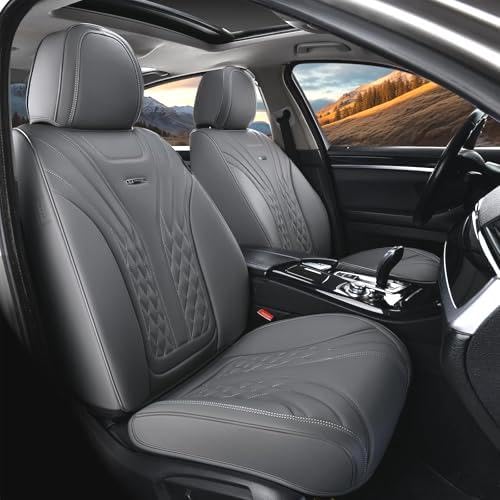 Coverado Car Seat Covers, Car Seat Covers Front Seats, 2-Pack Front Seat Cover, Nappa Leather Waterproof Seat Covers, Car Seat Protectors, Automotive Seat Covers Universal Fit for Most Vehicles
 Coverado Car Seat Covers, Front Covers for Cars, Car Seat Cover Front Seats, Automotive Seat Cover, Waterproof, Leather Car Seat Cushion, Universal Interior Covers Seat Protectors for Most Cars