How Do You Say Car Seat in Spanish? Full Translation Guide
How do you say car seat in Spanish depends on context, region, and whether you mean a child safety seat or a vehicle seat. This guide covers every major translation, usage example, and cultural nuance so you can speak with confidence.
Simply put, the most common translation for a child car seat in Spanish is “silla de coche para niños” or simply “silla de auto.” For the seat itself inside a vehicle, you use “asiento del coche.” Regional variations exist across Spain and Latin America.
Key Takeaways
- Car seat for children translates as silla de coche para niños in Spain and silla de auto para niños in much of Latin America.
- The vehicle seat itself is called asiento del coche (Spain) or asiento del carro (Mexico, Central America).
- Regional differences affect the word for “car” – coche in Spain, auto or carro in Latin America – which changes the overall phrase.
- Government regulations in Spanish-speaking countries require child restraint systems (sistemas de retención infantil) for children under a certain height or weight.
- Learning the correct term helps when buying, renting, or discussing car seats in Spanish-speaking countries.
What Does “Car Seat” Mean in Spanish? Two Main Contexts
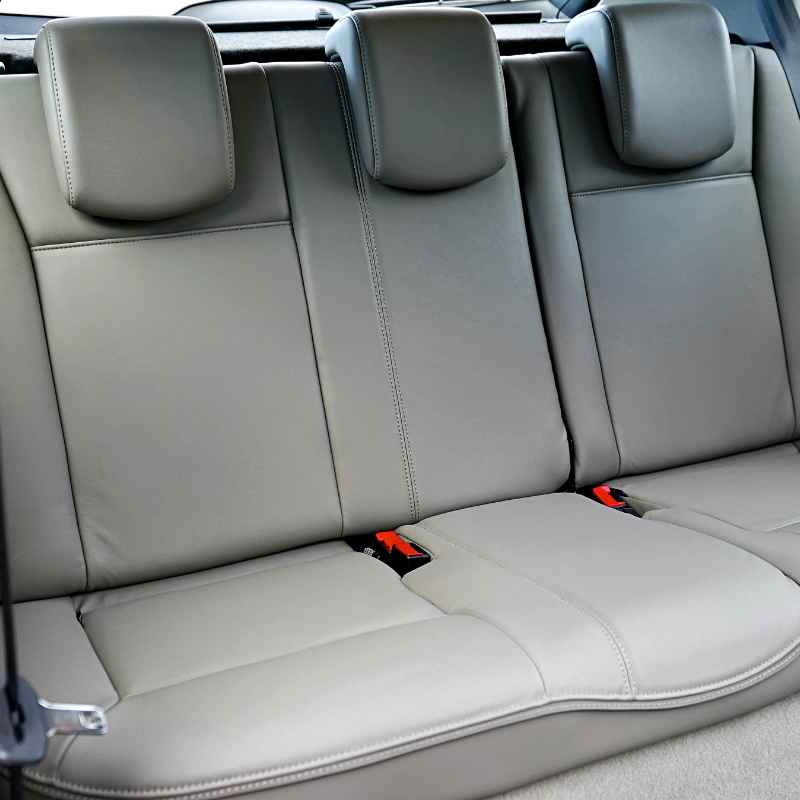
The English term “car seat” can refer to two very different things: a child safety seat or the seat in a vehicle. In Spanish, these require distinct translations. Mixing them up leads to confusion – especially when you’re trying to order a taxi with a child seat or buy a used car.
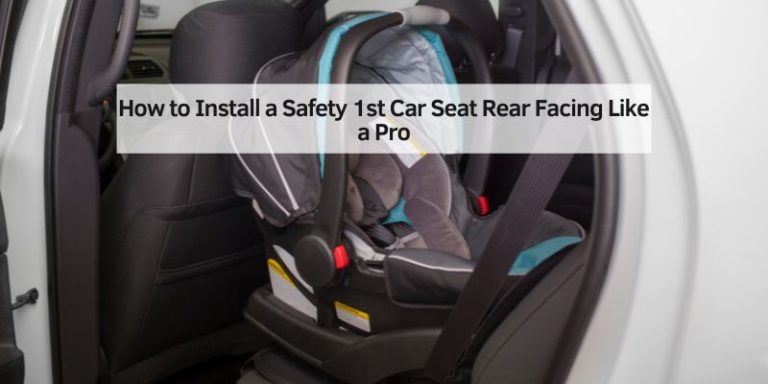
For a child safety seat, the most precise term is silla de seguridad para niños or sistema de retención infantil (SRI). However, everyday speakers shorten it to silla de coche para niños in Spain or silla de auto para niños in Latin America. The word “car” changes by region, as shown below.
- Spain: coche → silla de coche para niños / sillita de coche (informal)
- Mexico / Central America: carro → silla de carro para niños / asiento de carro para niños
- Argentina / Uruguay / Chile: auto → silla de auto para niños / asiento de seguridad infantil
- Caribbean (Cuba, Puerto Rico, Dominican Republic): carro → sillita de carro (common and understood)
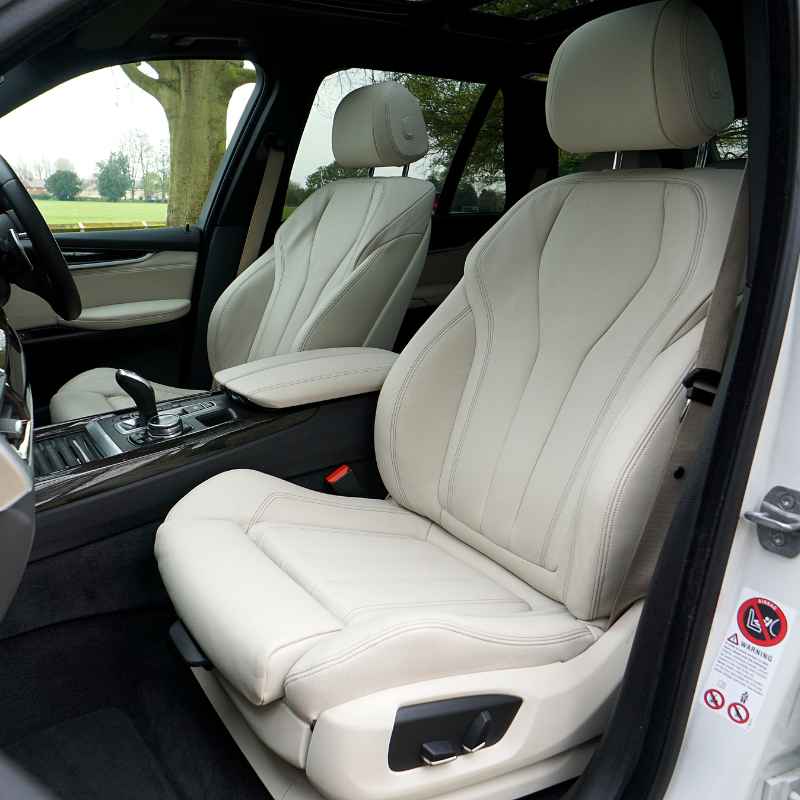
For the vehicle seat itself – the part you sit on – the translation is asiento. So “car seat” as a driver’s seat becomes asiento del coche (Spain), asiento del carro (Mexico), or asiento del auto (Argentina).
| Context | English | Spanish (Spain) | Spanish (Latin America) |
|---|---|---|---|
| Child safety seat | car seat | silla de coche para niños | silla de carro/auto para niños |
| Vehicle seat | car seat | asiento del coche | asiento del carro/auto |
| Booster seat | booster seat | alzador / cojín elevador | asiento elevador / boosters |
This table shows how the same English phrase splits into multiple Spanish equivalents. Always clarify whether you’re talking about a child restraint or a regular seat to avoid miscommunication.
How to Say “Car Seat” in Spanish: Step-by-Step Translation Guide
If you need the right phrase for a specific situation, follow these steps. This process works for travel, online shopping, or talking to a mechanic.
- Identify the type of car seat – Is it for a child (safety) or for an adult (vehicle interior)?
- Choose your region – Are you in Spain, Mexico, Argentina, or another country? Use the local word for “car”.
- Pick the correct noun – Silla (chair) for child seats, asiento (seat) for vehicle seats.
- Add modifiers – For a child seat, include “de seguridad” (safety) or “para niños” (for children).
- Practice the full phrase – Say it aloud: “Necesito una silla de auto para niños” (I need a child car seat).
For example, if you’re renting a car in Costa Rica and want a child seat, you’d say “¿Tienen silla de carro para niños?” In Spain, you’d say “¿Tienen silla de coche para niños?”
Tip: If you’re unsure which word for “car” to use, stick with auto. It’s understood in all Spanish-speaking countries, even if not the most local choice.
Common Phrases for “Car Seat” in Spanish You’ll Actually Use
Knowing isolated words isn’t enough. Here are full sentences that cover real-life situations. Practice these before traveling or speaking with Spanish-speaking friends.
- “Where is the car seat?” – ¿Dónde está la silla de auto para niños? (child seat) / ¿Dónde está el asiento del coche? (vehicle seat)
- “I need a car seat for a 2‑year‑old.” – Necesito una silla de auto para un niño de 2 años.
- “Does the taxi have a car seat?” – ¿El taxi tiene silla de niños?
- “Please install the car seat rear‑facing.” – Por favor, instala la silla de auto mirando hacia atrás.
- “My car seat is broken.” – Mi asiento del coche está roto. (vehicle seat) / La silla de auto para niños está rota. (child seat)
- “How do you buckle the car seat?” – ¿Cómo se abrocha la silla de auto para niños?
These phrases cover the most frequent scenarios: renting, buying, installing, and asking for help. Memorize at least three before your next trip.
Regional Vocabulary Differences for “Car” in Spanish
The word “car” varies widely across the Spanish‑speaking world. This directly affects how you say “car seat.” Below is a breakdown by major region.
| Region | Word for “Car” | Child Car Seat | Vehicle Seat |
|---|---|---|---|
| Spain | coche | silla de coche para niños | asiento del coche |
| Mexico | carro | silla de carro para niños | asiento del carro |
| Argentina, Uruguay, Chile | auto | silla de auto para niños | asiento del auto |
| Caribbean (Cuba, PR, DR) | carro | sillita de carro | asiento del carro |
| Colombia, Peru, Ecuador | carro / auto | silla de carro/auto para niños | asiento del carro/auto |
Notice that “auto” is the only term that works everywhere. If you say “silla de auto para niños” in Madrid, people will understand you, though they might raise an eyebrow. For maximum clarity, combine the local car word with the correct noun.
Important: In Spain, the term “sillita de coche” (little car seat) is very common for child seats, while in Argentina “sillita de auto” is used. Always match the diminutive form to the local car word.
Common Mistakes When Saying “Car Seat” in Spanish
Even advanced learners make errors with these phrases. Here are the most frequent pitfalls and how to avoid them.
- Using “silla” for vehicle seats. Silla means “chair” – it’s only correct for child safety seats. For the driver’s or passenger’s seat, use asiento. Saying “la silla del coche” for a regular seat sounds odd.
- Confusing “coche” and “carro.” In Spain, carro means “cart” or “wagon,” not a car. In Mexico, coche is understood but less common. Stick with the local preference.
- Forgetting the modifier “para niños.” If you just say “silla de auto,” a Spanish speaker might think you mean a regular chair for the car. Always add “para niños” or “de seguridad infantil.”
- Mispronouncing the word. Silla (SEE‑yah) vs. asiento (ah‑see‑EN‑toh). Practice the double L – it’s a soft “y” sound in most dialects.
- Using English word order. Spanish puts the noun first, then modifiers. “Car seat for children” = “silla de auto para niños,” not “auto silla para niños.”
If you avoid these mistakes, you’ll be understood clearly in any Spanish‑speaking country.
Legal Requirements for Child Car Seats in Spanish‑Speaking Countries
Knowing how to say “car seat” is useful, but understanding local laws is critical when traveling with children. Most Spanish‑speaking nations have strict child restraint regulations based on height and weight.
- Spain: Children under 135 cm must ride in a sistema de retención infantil (SRI). Booster seats (alzadores) are required until 135 cm.
- Mexico: The regulation NOM-194-SCFI-2015 requires child seats for children under 12 years or 150 cm.
- Argentina: Law 27.214 mandates sillas de seguridad infantil for children under 150 cm.
- Colombia: Children under 2 years must ride rear‑facing in an asiento de seguridad infantil.
- Chile: The Ley de Tránsito requires child seats for children under 135 cm (approx. 9 years).
Warning: Fines for not using a child car seat can be steep – in Spain up to 200 €, and in Argentina up to 500 USD. Always verify the current law before your trip.
When renting a car in these countries, ask for “una silla de auto para niños” at the rental counter. Many agencies offer them for an extra fee.
How to Ask for a Car Seat in Spanish: Real‑World Scenarios
You might need to request a car seat in a taxi, at a car rental agency, or in a store. Here are dialogues for common situations.
At a car rental desk:
Customer: “Buenos días. Quiero alquilar un coche con silla de auto para un niño de 3 años.”
Agent: “Sí, tenemos sillas de seguridad. ¿Prefiere que la instale yo?”
At a taxi stand:
You: “¿Tiene el taxi silla de niños? Viajo con mi bebé.”
Driver: “Lo siento, no. Puede pedir un taxi especial con silla.”
In a store buying a used car seat:
You: “Busco una silla de auto para niños en buen estado. ¿Cuál recomienda?”
Seller: “Esta tiene el sistema Isofix y pesa poco.”
Learning these phrases ensures you can handle the most common interactions without frustration.
Infant vs. Toddler vs. Booster: Specific Terms in Spanish
Just like English, Spanish has specific names for different types of child car seats. Knowing these helps you buy the correct product.
- Infant carrier (rear‑facing only): capazo (Spain) / huevito (Mexico, informal) / silla portabebés (general)
- Convertible seat (rear‑ and forward‑facing): silla convertible / asiento convertible
- Forward‑facing only with harness: silla de auto con arnés
- Booster seat (high‑back): alzador con respaldo (Spain) / asiento elevador con respaldo (Latin America)
- Booster cushion (backless): alzador sin respaldo / cojín elevador
When shopping online on sites like Amazon España or Mercado Libre, use these specific terms in the search bar. You’ll get far better results than searching “silla de auto.”
Frequently Asked Questions
How do you say “car seat” in Spanish for a baby?
For a baby, use “silla de auto para bebé” or “capazo” (in Spain). In Mexico, “huevito” is a common informal term for infant carriers.
What is the difference between “silla de coche” and “asiento de coche”?
“Silla de coche” usually refers to a child safety seat, while “asiento de coche” means the vehicle’s seat itself. Always clarify context.
How do you say “booster seat” in Spanish?
In Spain, it’s “alzador.” In Latin America, “asiento elevador” is more common. A backless booster is “cojín elevador.”
Do Spanish speakers say “car seat” the same way in every country?
No. The word for “car” changes – coche in Spain, carro in Mexico and the Caribbean, auto in the Southern Cone. Always adjust your phrase to the local dialect.
How do I ask for a car seat in a taxi in Spanish?
Say “¿Tiene silla de auto para niños?” or “¿El taxi tiene silla de bebé?” In many cities, you’ll need to request a special vehicle with a child seat in advance.
Final Thoughts
Knowing how to say “car seat” in Spanish means understanding the difference between a child safety seat and a vehicle seat, and picking the right regional word for “car.” Use silla de auto para niños as your default phrase, and adjust based on the country. Practice the common sentences and watch for legal requirements when traveling. With this guide, you’ll handle any car‑seat conversation with ease.
Products related to this article
Sponsored / affiliate links. As an Amazon Associate I earn from qualifying purchases. I may earn additional commission from eligible campaigns.
 YGL Breathble Car Seat Covers Full Set, Washable Seat Covers for Cars, Premium Cloth Car Seat Protectors, Interior Covers for Cars, Sedan Van Truck SUV(Black/Blue)
 truckerset Car Seat Covers Full Set, Leather Seat Covers for Cars, 5 Pcak Breathable Seat Cover, Suitable for SUV/Truck/Sedan/Automotive (Gray)