How Does a Baby Fail a Car Seat Test? A Complete Guide
Hey there! I’m so glad you’re here to talk about something super important for new parents: how does a baby fail a car seat test? When I had my first kid a few years back, I was nervous about everything, especially making sure my little one was safe in the car. I remember hearing about the car seat test at the hospital and wondering what it was all about. It sounded scary—like my baby could “fail” something before even leaving the hospital!
After going through it myself, talking to nurses, and digging into the details, I learned it’s a simple but critical check to keep babies safe. Let’s sit down together, and I’ll walk you through what the car seat test is, why babies might not pass, and how to handle it. I’ll keep it easy to understand, like we’re chatting over a cup of coffee. By the end, you’ll feel confident about this process and ready to keep your baby safe on the road. Ready? Let’s dive in!
What Is a Car Seat Test?
First, let’s talk about what a car seat test is. When my daughter was born, the hospital told me she needed this test because she was premature. I had no idea what they meant. A car seat test, also called a car seat challenge, is a safety check hospitals do to make sure a newborn can ride safely in a car seat before going home. It’s usually for babies who are premature, weigh less than 37 weeks’ gestation, or have medical issues.
The test checks if your baby can breathe well and keep their heart rate stable while sitting in their car seat. I remember watching a nurse strap my daughter into her car seat for about 90 minutes. They hooked her up to monitors to watch her oxygen levels, heart rate, and breathing. It felt like forever, but it was so important. The goal is to make sure your baby can handle the car ride home without any problems.
Why Do Hospitals Do Car Seat Tests?
I used to wonder why hospitals make such a big deal about this test. After talking to a pediatric nurse, I got it. Babies, especially preemies or those with health issues, have tiny airways and weaker muscles. Sitting in a car seat can put them in a position that makes breathing harder. If their head slumps forward, it can block their airway, which is dangerous.
The test mimics a car ride to catch any issues before you hit the road. For me, it was reassuring to know my daughter was safe in her car seat. Hospitals follow guidelines from the American Academy of Pediatrics, which recommends testing for babies born before 37 weeks or with certain conditions, like low birth weight or heart problems. It’s all about making sure your baby gets home safely.
Who Needs a Car Seat Test?
Not every baby needs this test, which surprised me at first. When my second kid was born full-term and healthy, he didn’t have to do it. I learned the test is mostly for:
- Premature Babies: Born before 37 weeks, like my daughter, who was born at 34 weeks.
- Low Birth Weight Babies: Weighing less than 5.5 pounds at birth.
- Babies with Medical Conditions: Like heart or lung issues, or neurological problems.
- Babies on Oxygen or Monitors: Those needing extra support at home.
My daughter needed the test because she was premature and weighed just 4 pounds. If your baby fits these categories, the hospital will likely require the test. It’s a good thing—it catches problems early.
How Does the Car Seat Test Work?
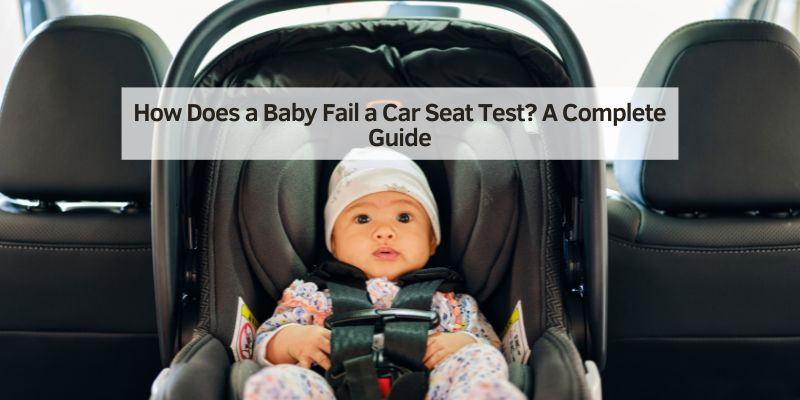
I was nervous before my daughter’s test, so let me explain how it went. The hospital staff took her to a quiet room with her car seat—the one we’d already bought. They strapped her in just like she’d be in the car, with the harness snug and the chest clip at armpit level. I made sure the car seat was installed at the right angle, about 45 degrees, to keep her head from slumping.
They hooked her up to a pulse oximeter, a little device on her finger or toe that measures oxygen levels and heart rate. She sat there for 90 minutes, which felt like forever to me. The nurse watched the monitors to make sure her oxygen stayed above 90% and her heart rate was steady. If anything dipped, they’d note it. My daughter fussed a bit but stayed stable, and I was so relieved when she passed.
How Does a Baby Fail a Car Seat Test?
Now, let’s get to the big question: how does a baby fail a car seat test? When I first heard “fail,” I panicked, thinking it was a bad grade. It just means the baby had trouble during the test. Here’s what can cause a baby to not pass:
- Low Oxygen Levels: If oxygen drops below 90% for too long, it’s a concern. This happened to a friend’s preemie, whose levels dipped to 85%.
- Slow Heart Rate (Bradycardia): If the heart rate falls too low, it’s a red flag. My daughter’s heart rate dipped once, but it corrected quickly.
- Breathing Pauses (Apnea): If the baby stops breathing for 20 seconds or more, it’s serious. This is rare but dangerous.
- Poor Positioning: If the baby’s head slumps forward, it can block the airway. I saw this with a car seat that wasn’t angled right.
For my daughter, the nurse adjusted her car seat’s angle slightly to keep her head back, and she passed on the second try. Failing doesn’t mean your baby is “bad”—it just means they need extra help to be safe.
Why Do Babies Fail the Car Seat Test?
I was curious why some babies struggle with this test. After talking to a nurse, I learned it’s usually about their body’s development. Here’s what I found out:
- Immature Lungs: Preemies often have underdeveloped lungs, making it harder to keep oxygen levels up. My daughter’s lungs were still growing, which caused a slight dip.
- Weak Neck Muscles: Tiny babies can’t hold their heads up well, so they slump in the car seat. This was an issue for my friend’s baby.
- Medical Conditions: Heart or lung problems can affect breathing or heart rate. A baby at my hospital had a heart defect that caused issues.
- Car Seat Fit: If the car seat is too big or not adjusted correctly, it can cause positioning problems. I had to add a rolled towel to support my daughter’s head.
These issues are common in preemies or sick babies, but they’re fixable with the right steps. It’s all about finding what works for your little one.
What Happens If a Baby Fails the Test?
When my friend’s baby failed the test, she was so worried. I reassured her it’s not the end of the world. If a baby fails, the hospital takes action to keep them safe. Here’s what usually happens:
- Retest in the Same Car Seat: They might adjust the car seat or try again later. My daughter passed her second test after we fixed the angle.
- Try a Different Car Seat: Some babies do better in a different model, like one with more padding. My friend switched to a car bed for her preemie.
- Medical Evaluation: Doctors check for underlying issues, like lung problems. One baby I heard about needed oxygen support.
- Hospital Stay: If the baby keeps failing, they might stay in the hospital longer. This happened to a neighbor’s preemie for a week.
- Car Bed Recommendation: For some babies, a flat car bed is safer than an upright seat. It’s pricier, but it worked for my friend.
The hospital won’t let you take your baby home until they’re safe in a car seat or bed. It’s stressful, but it’s for your baby’s safety.
How to Prepare for the Car Seat Test
I learned the hard way that preparation makes a big difference. Here’s what I did to get ready for my daughter’s test:
- Choose the Right Car Seat: I picked an infant car seat rated for babies as small as 4 pounds. Check the weight limits before buying.
- Practice Installation: I installed the car seat in my car a month before my due date. I used the LATCH system and checked the angle.
- Bring It to the Hospital: I brought the car seat to the hospital for the test. Some hospitals provide one, but I wanted my own.
- Learn Proper Use: I watched videos on how to buckle the harness and adjust the straps. The chest clip should be at armpit level.
- Ask Questions: I asked the nurse what to expect during the test. She showed me how to position my daughter safely.
Being prepared took away a lot of my stress. It’s worth the effort to get it right.
Tips to Help Your Baby Pass the Car Seat Test
I picked up some tricks to help my daughter pass her test, and they worked. Here’s what I recommend:
- Adjust the Angle: Make sure the car seat is at a 45-degree angle. I used a rolled towel under the base to get it right.
- Use Inserts: Many car seats come with newborn inserts for extra support. My daughter’s insert kept her head from slumping.
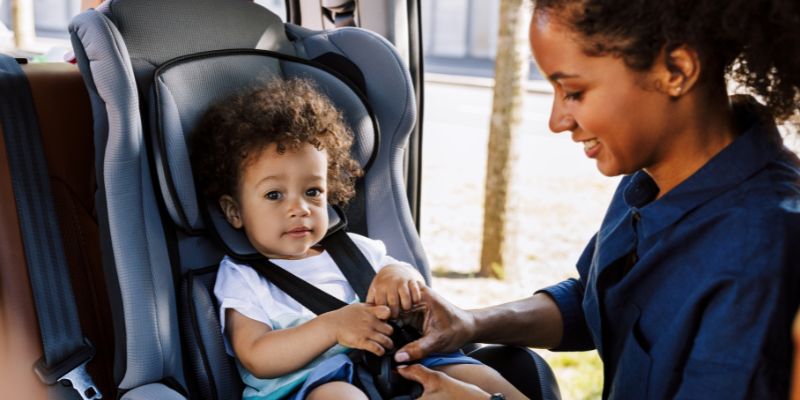
- Position Properly: Buckle the harness snugly, with no slack. I made sure the straps were flat and the clip was at her armpits.
- Keep the Seat Upright: Don’t let the car seat tip forward in the test. I checked it was secure on the hospital table.
- Stay Calm: Babies sense stress. I stayed relaxed during the test, and it helped my daughter stay calm too.
These tips made a big difference for us. If your baby fails, don’t panic—small changes can help them pass.
Choosing the Right Car Seat or Car Bed
Picking the right car seat was a big deal for me. I spent hours researching to find one that fit my tiny daughter. Here’s what I learned:
- Infant Car Seats: Best for newborns, with a carry handle and base. I chose one rated for 4-35 pounds.
- Convertible Car Seats: These work for newborns and older kids but are bulkier. I didn’t use one for the test.
- Car Beds: For babies who can’t sit upright, like some preemies. My friend’s baby used a car bed that let her lie flat.
- Safety Ratings: I checked the National Highway Traffic Safety Administration ratings for crash safety. My car seat scored high.
Make sure the car seat fits your baby’s size and your car. If you’re unsure, ask a certified Child Passenger Safety Technician—they’re lifesavers.

Common Mistakes to Avoid
I made a few mistakes at first, so let me save you some trouble. Here’s what to avoid:
- Wrong Angle: A car seat that’s too upright can cause breathing issues. I fixed mine with a towel.
- Loose Harness: Straps that aren’t snug can let the baby slump. I tightened mine after a nurse pointed it out.
- Using Add-Ons: Aftermarket pads or toys can be unsafe. I stuck to the car seat’s included insert.
- Skipping Practice: Not testing the car seat before the hospital made me nervous. Practice at home first.
- Ignoring Instructions: I almost missed the manual’s weight limits. Always read it carefully.
Avoiding these helped my daughter pass her test smoothly.
When to Seek Professional Help
Sometimes, you need extra help, and that’s okay. I called a car seat technician when I wasn’t sure about installation. Here’s when to get help:
- Failed Tests: If your baby keeps failing, ask for a pediatrician or specialist. My friend’s baby needed a lung doctor.
- Car Seat Issues: If the car seat doesn’t fit right, a technician can recommend a better one. I found one at my hospital.
- Medical Concerns: If your baby has heart or lung problems, get a doctor’s advice before retesting.
- Installation Doubts: If you’re not sure the car seat is secure, get it checked. Many fire stations offer free inspections.
Professionals made me feel more confident, and they’re there to help you, too.
Table: Car Seat Test Checklist
Here’s a handy table I made to prepare for the test:
| Task | Action | Notes |
|---|---|---|
| Install a Car Seat | Pick one for newborns (4-35 lbs) | Check weight limits |
| Ensure the head doesn’t slump | Use LATCH or seatbelt, 45° angle | Take car seat for a test |
| Adjust Harness | Snug straps, chest clip at armpits | No slack, flat straps |
| Choose a Car Seat | Bring to the Hospital | Label with your name |
| Monitor Positioning | Clarify the test process | Use an insert t or ta owel if needed |
| Ask Nurse | Use an insert t or taowel if needed | Note any concerns |
This kept me organized and calm during the process.
Emotional Impact on Parents
I won’t lie—this test can be stressful. When my daughter had to retest, I felt like I’d done something wrong. It’s normal to worry, but failing the test doesn’t mean you’re a bad parent. It just means your baby needs a little extra care. I talked to other moms in the NICU, and we all felt the same mix of fear and hope. Lean on your partner, friends, or hospital staff for support. For me, seeing my daughter pass her second test was such a relief—it was like a weight lifted off my shoulders.
Why the Car Seat Test Matters
This test saved my daughter from a dangerous car ride. I’m so grateful hospitals take it seriously. It catches problems that could put your baby at risk, like low oxygen or breathing pauses. It also gives you peace of mind knowing your car seat is safe. I drive more confidently now, knowing my kids are secure. It’s a small step that makes a huge difference.
Wrapping It Up
So, how does a baby fail a car seat test? It happens when they can’t keep their oxygen levels, heart rate, or breathing steady in the car seat, often because they’re premature or have medical issues. I went from nervous about my daughter’s test to thankful for the process that kept her safe. By choosing the right car seat, preparing carefully, and making small adjustments, you can help your baby pass and hit the road safely.
This test is all about protecting your little one, and it’s worth every bit of effort. So, grab that car seat, practice at home, and trust you’re doing your best for your baby. You’ve got this, and soon you’ll be cruising home with your precious cargo, safe and sound!
FAQs
What does it mean if my baby fails a car seat test?
It means your baby had trouble breathing, low oxygen, or a slow heart rate in the car seat. My daughter failed her first test, but passed after we adjusted the angle.
How long does a car seat test take?
It usually takes 90 minutes to two hours. My daughter’s test was 90 minutes, and we watched her the whole time.
Can I use any car seat for the test?
It should be an infant car seat rated for your baby’s weight, usually 4-35 pounds. I chose one that fit my 4-pound preemie.
What if my baby keeps failing the car seat test?
The hospital might try a different car seat, recommend a car bed, or keep your baby longer. My friend’s baby used a car seat and passed.
Do all babies need a car seat test?
No, it’s mainly for preemies, low birth weight babies, or those with medical issues. My full-term son didn’t need one, but my preemie daughter did.