How Heavy Are Electric Car Batteries?
Thinking about electric cars often brings up many questions, and one that pops up a lot for new folks is How Heavy Are Electric Car Batteries? It sounds like a big puzzle, but it’s actually pretty simple once you break it down. We’ll walk through it step-by-step so you can see just how it all works without any confusion. Get ready to find out what makes these batteries tick and what they weigh!
How Heavy Are Electric Car Batteries And Why Does It Matter
When people start looking into electric vehicles (EVs), one of the first things they wonder about is the battery. It’s the heart of the EV, after all, providing the power to move. This makes the question, How Heavy Are Electric Car Batteries?, a really common one for anyone curious about EVs.
It’s not just a random fact; the weight of the battery has a big impact on how the car drives, how far it can go, and even how it’s built.
For folks new to EVs, this question can seem a bit confusing. You might picture a massive, heavy block. But the reality is quite varied, and understanding this variation helps clear up a lot of misconceptions.
We’re going to explore what factors influence battery weight and give you a clear picture of what to expect. We’ll look at different types of EVs and their batteries, so you get a good, solid understanding.
Understanding EV Battery Weight Factors
The weight of an electric car battery isn’t a single number. It changes quite a bit depending on several things. Think of it like comparing different types of regular car engines; some are small and light, while others are big and heavy.
The same idea applies to EV batteries.
Battery Chemistry Matters
The most significant factor affecting battery weight is its chemistry. Different materials are used to store and release electricity, and these materials have different densities. For a long time, lithium-ion batteries have been the go-to for EVs.
Within the lithium-ion family, there are subtypes like:
- Lithium Nickel Manganese Cobalt Oxide (NMC)
- Lithium Cobalt Oxide (LCO)
- Lithium Iron Phosphate (LFP)
NMC and LCO batteries often use more expensive and heavier materials like cobalt, which can increase their energy density but also their weight. LFP batteries, on the other hand, tend to be a bit lighter and are often seen as a safer and more sustainable option, though they might store a bit less energy for their size compared to some other chemistries.
Battery Capacity and Range
A bigger battery generally means a heavier battery. Battery capacity is measured in kilowatt-hours (kWh). This is like the size of the fuel tank in a gasoline car.
A larger kWh number means the battery can store more energy, which allows the car to travel further on a single charge. So, an EV designed for a longer driving range will typically have a larger battery pack, and therefore, a heavier one.
For example, a small city car designed for shorter trips might have a 40 kWh battery, while a luxury sedan built for long road trips might have a 100 kWh battery or even more. The difference in weight between these two packs can be substantial.
Battery Pack Design and Cooling Systems
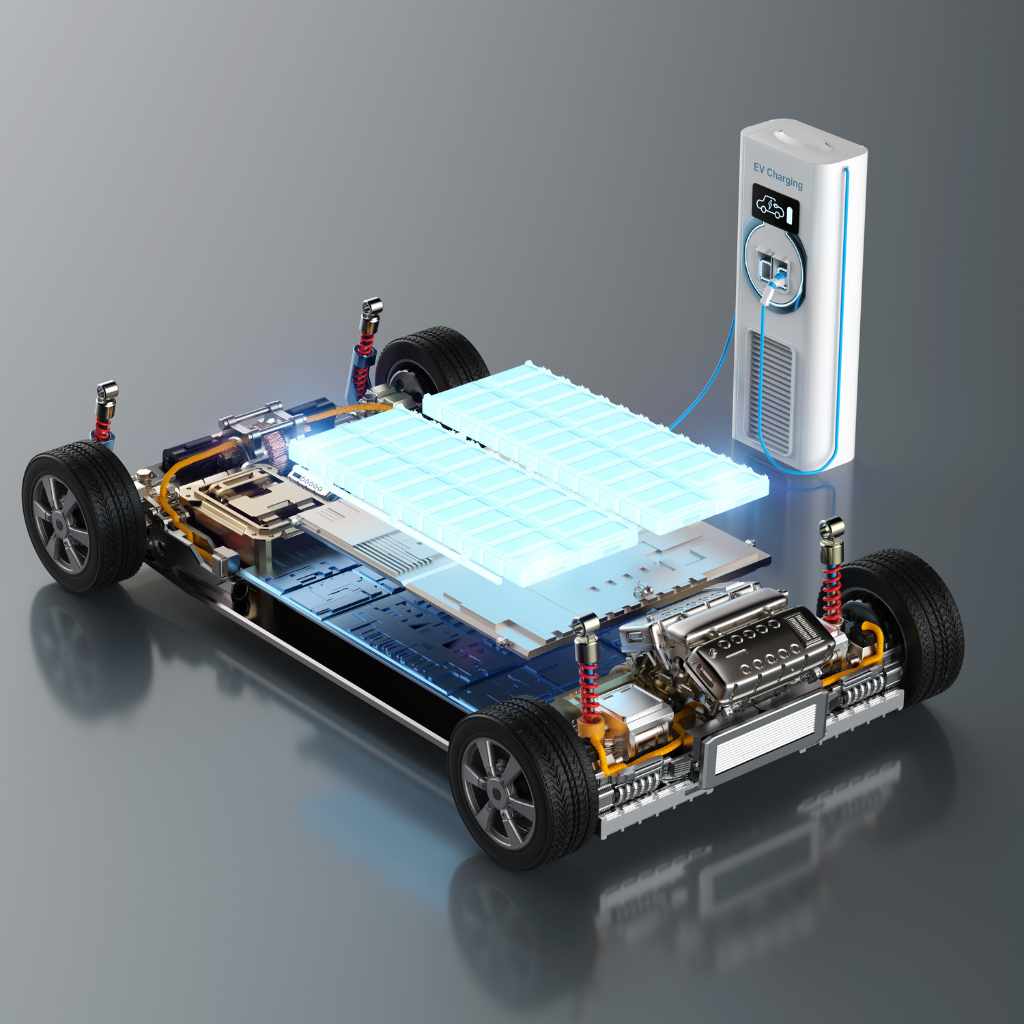
The battery itself is just one part of the “battery pack.” The pack also includes a casing to protect the battery cells, wiring to connect them, a battery management system (BMS) to monitor and control charging and discharging, and often a thermal management system. This cooling or heating system is vital for keeping the battery at an optimal temperature, which affects its performance and lifespan.
These extra components add to the overall weight. A more advanced cooling system, for instance, might involve liquid cooling pumps, radiators, and coolant lines, all of which contribute to the total mass. The protective casing also needs to be strong and durable, adding more weight.

How Heavy Are Electric Car Batteries Average Weights
Now, let’s get down to some numbers. It’s tricky to give one exact figure because, as we’ve seen, there are so many variables. However, we can provide a general range and look at some examples.
It’s helpful to think about the battery weight as a percentage of the car’s total weight, or in pounds per kilowatt-hour (lbs/kWh).
Typically, EV battery packs can weigh anywhere from around 400 pounds to over 2,000 pounds. This is a wide range, reflecting the differences in vehicle size, battery capacity, and technology used.
Here’s a look at some common EV battery weights:
| Electric Car Model | Battery Capacity (kWh) | Estimated Battery Weight (lbs) | Battery Weight as % of Car Weight (Approx.) |
|---|---|---|---|
| Nissan Leaf (older models) | 40 kWh | 650 – 700 | ~15-20% |
| Tesla Model 3 Standard Range | 62 kWh | 1000 – 1100 | ~20-25% |
| Tesla Model S Long Range | 100 kWh | 1200 – 1300 | ~20-25% |
| Ford Mustang Mach-E (Extended Range) | 98 kWh | 1400 – 1500 | ~20-25% |
| Chevrolet Bolt EV | 65 kWh | 950 – 1050 | ~25-30% |
You can see from this table that the battery is a significant portion of the car’s total weight. For instance, a 100 kWh battery pack might weigh around 1200-1300 pounds. When you consider that some EVs can weigh between 4,000 to 5,000 pounds or more, the battery makes up a considerable chunk.
Impact of Battery Weight on EV Performance
The weight of the battery pack has a direct influence on several aspects of an electric car’s performance:
Handling and Driving Dynamics
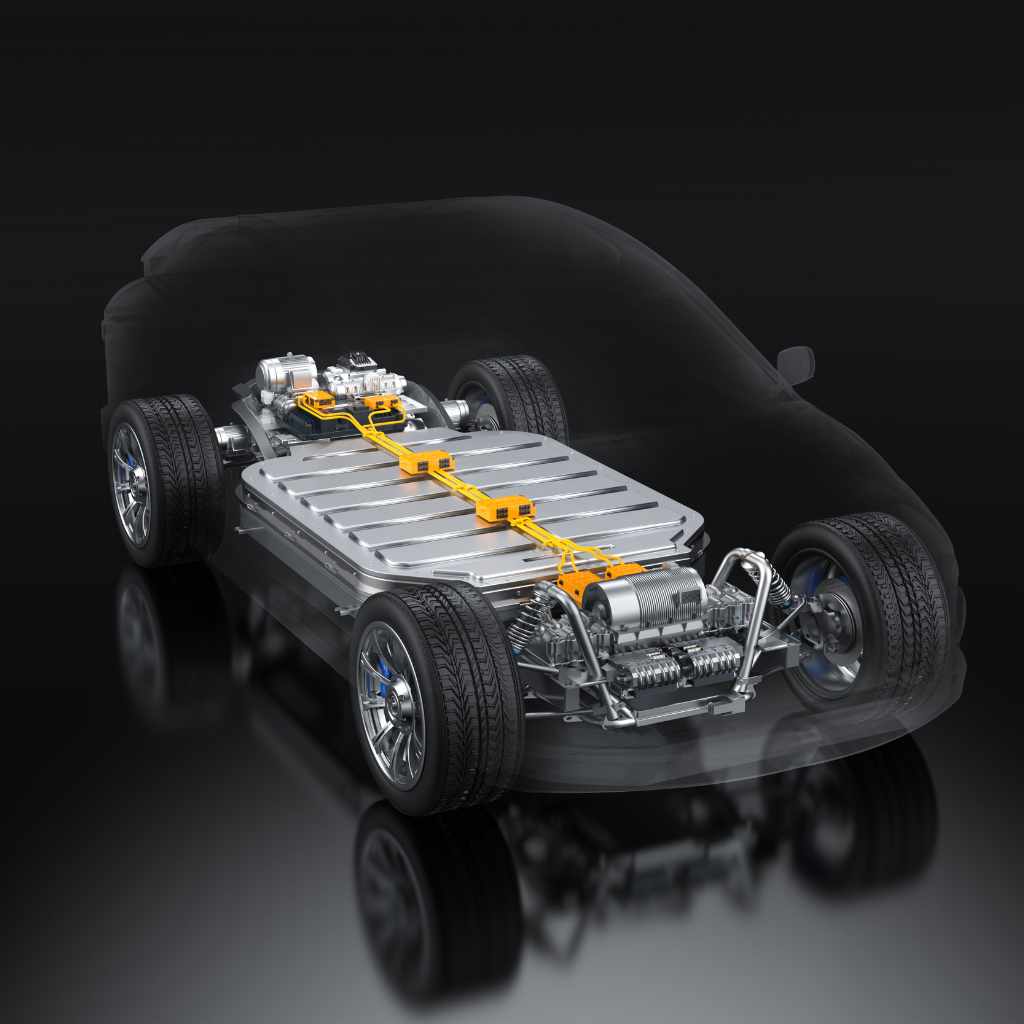
EVs often have a lower center of gravity because the heavy battery is usually placed flat on the floor of the car. This can lead to improved handling and stability, especially when cornering. Even though the battery is heavy, its placement can actually make the car feel more planted and responsive on the road.
However, an excessively heavy battery can also affect acceleration and braking. The car’s motors have to work harder to move a heavier mass, and the brakes have to stop it more quickly. Manufacturers design the vehicle’s suspension and powertrain to account for this weight, but it’s still a factor they consider.
Energy Efficiency and Range
A heavier car requires more energy to accelerate and maintain speed. This means that a heavier battery pack, while providing more range, also consumes more energy per mile. It’s a bit of a trade-off: a bigger battery gives you more miles, but the added weight means the car might not be as efficient as it could be with a lighter, equally powerful battery.
This is why advancements in battery technology are so important. Manufacturers are constantly working to increase energy density, meaning they want to pack more energy into smaller and lighter battery cells. This allows for longer ranges without adding excessive weight.
Vehicle Structure and Safety
The battery pack needs to be strong and safe. It’s designed to withstand crashes and protect the delicate battery cells from damage. This requires a robust casing and often internal structural reinforcements, all of which add weight.
The way the battery is integrated into the car’s chassis also affects the overall structural integrity and safety of the vehicle.
In a collision, the battery pack is designed to disconnect power safely to prevent electrical hazards. The weight and placement of the battery are key considerations in crash testing and ensuring passenger safety.
Future Trends in EV Battery Weight
The automotive industry is always pushing for innovation, and EV batteries are a major focus. The goal is to make them lighter, more powerful, and less expensive. Several trends are shaping the future of EV battery weight:
Advancements in Battery Chemistry
Researchers are exploring new battery chemistries that offer higher energy densities. For example, solid-state batteries are a promising technology. These batteries
Other areas of research include improving silicon anodes and nickel-rich cathodes, which could allow for more energy storage in the same volume and weight.
Improved Battery Pack Design
Engineers are also finding ways to optimize the design of battery packs. This includes using lighter materials for casings, more efficient cooling systems, and integrating components more effectively. For example, some designs are looking at using the battery pack itself as part of the vehicle’s structural frame, which could reduce the need for additional support materials and thus save weight.
Recycling and Second-Life Applications
While not directly reducing the initial weight, the focus on battery recycling and repurposing batteries for second-life applications (like energy storage for homes or businesses) means that the materials used in batteries will become more valuable. This could drive further innovation in making battery production more efficient and potentially lead to lighter designs in the long run as the industry matures.
Frequently Asked Questions
Question: Are all electric car batteries the same weight?
Answer: No, electric car batteries vary significantly in weight. This depends on the car’s size, the battery’s capacity (how much energy it can store), and the specific chemistry and design of the battery pack.
Question: How does the battery weight affect a car’s range?
Answer: A heavier battery generally means the car needs more energy to move, which can slightly reduce efficiency. However, larger batteries also store more energy, allowing for a longer driving range. It’s a balance manufacturers manage.
Question: Is an electric car battery heavier than a gasoline engine?
Answer: Yes, typically an electric car battery pack is heavier than a gasoline engine and its fuel tank combined. This is because batteries store a lot of energy in a physical form that is denser than liquid fuel.
Question: Will electric car batteries get lighter in the future?
Answer: Yes, research and development are focused on creating batteries with higher energy density, meaning they can store more energy in a smaller and lighter package. New materials and designs are expected to reduce weight over time.
Question: Where is the battery located in an electric car?
Answer: Most electric cars place their battery pack flat along the floor of the vehicle, between the front and rear axles. This placement helps create a low center of gravity, which is good for handling.
Final Thoughts
We’ve explored How Heavy Are Electric Car Batteries? and seen that there isn’t a simple answer, but a range influenced by factors like battery size, chemistry, and the overall design of the pack. These batteries are substantial, often making up a significant portion of an EV’s total weight, and this weight has a real impact on how the car drives, its efficiency, and its safety. The technology is always advancing, with a clear trend towards lighter, more energy-dense batteries that will continue to improve the electric vehicle experience.
As you consider electric cars, remember that battery weight is just one piece of the puzzle, and manufacturers are working hard to optimize all aspects of EV design for better performance and practicality. Keep an eye on these developments as EVs become even more common and capable on the roads.