How Long are Carfax Reports Good for: Essential Facts Revealed
If you’re thinking about buying a used car, you’ve probably heard about Carfax reports. But how long are Carfax reports good for?
Knowing this can save you from unexpected surprises and help you make a smarter decision. You want to be sure the information you’re relying on is current and accurate. Keep reading to find out exactly how long these reports stay reliable and what you should watch out for when using them.
This knowledge could protect your investment and give you peace of mind.
Carfax Report Basics
Understanding the basics of a Carfax report helps you make smart car buying choices. A Carfax report provides important information about a vehicle’s history. It shows past events that can affect the car’s value and safety.
Knowing what is included in the report and how the data is collected is key. This helps you trust the details you read. A clear idea of the report basics makes the buying process easier and safer.
What Carfax Reports Include
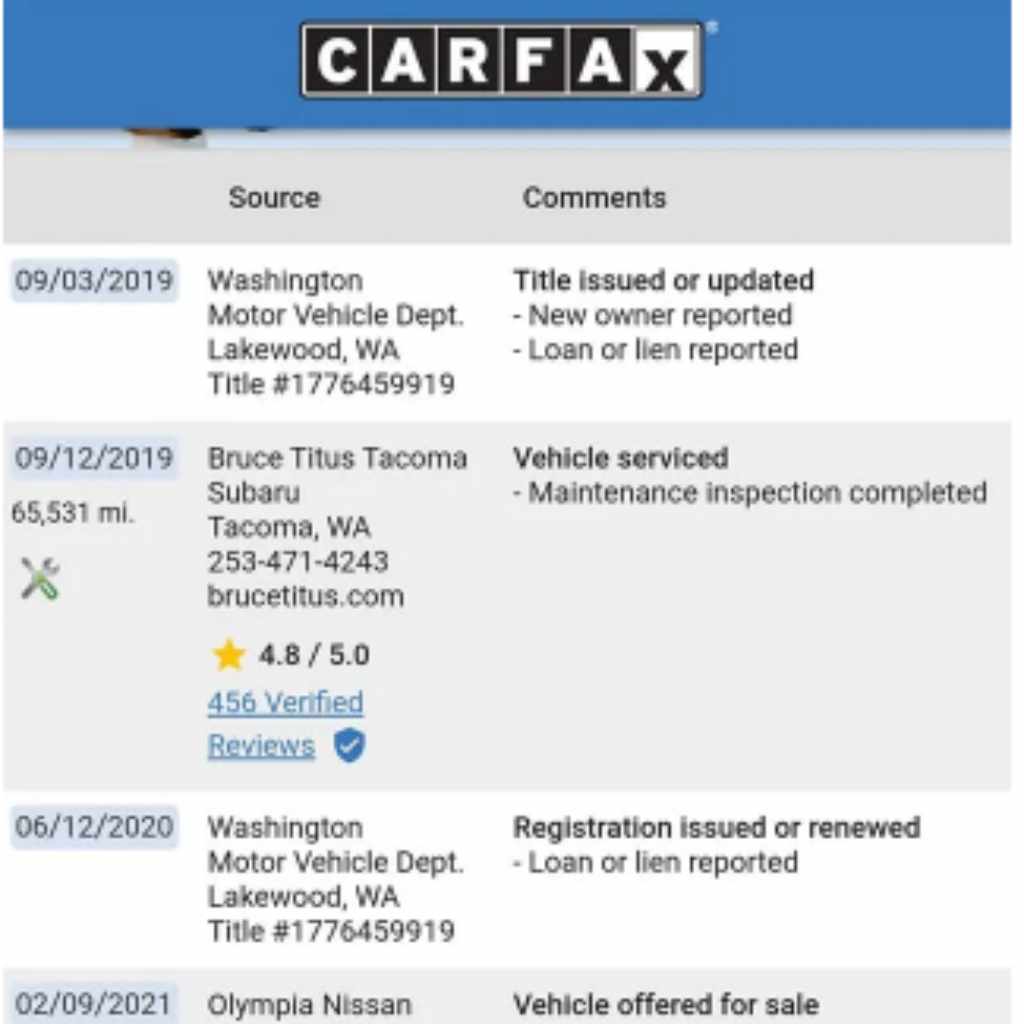
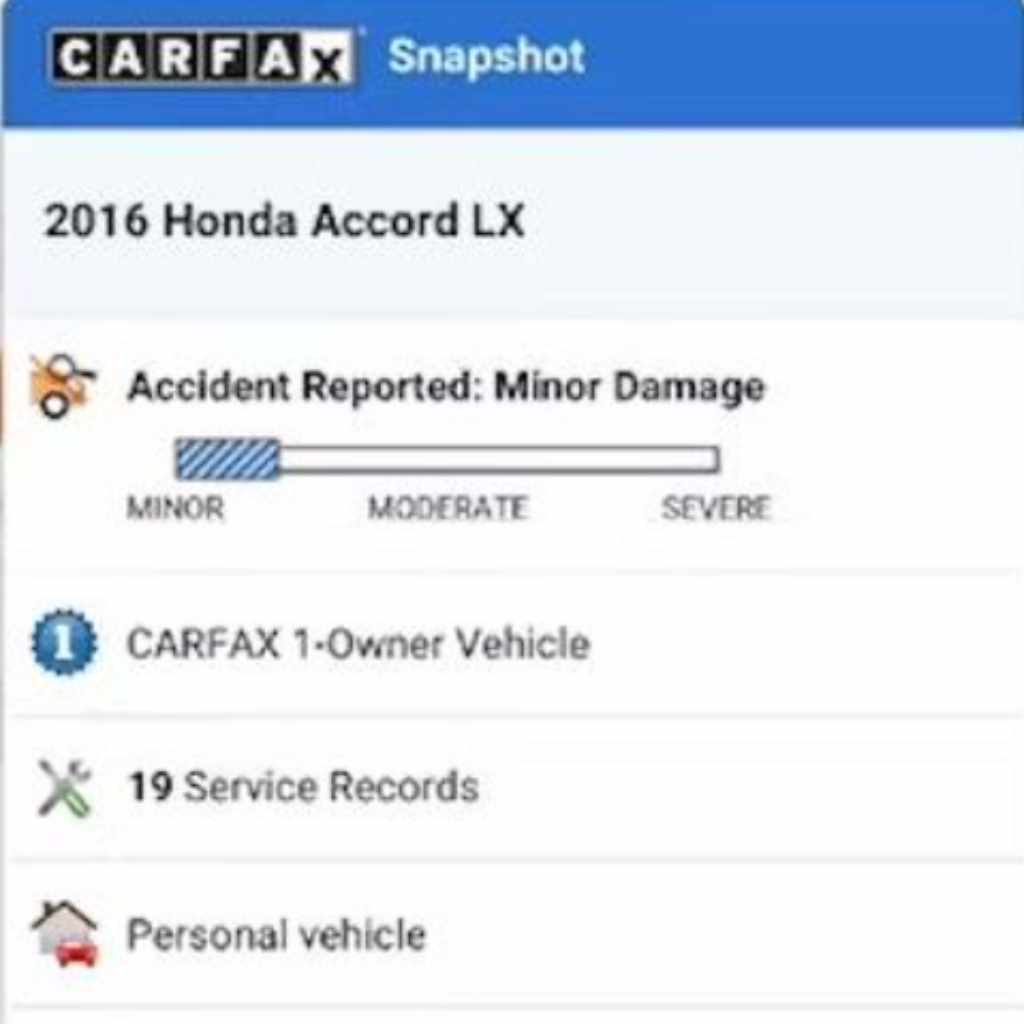
Carfax reports list many important facts about a car. They show past accidents and damage claims. The report also includes the number of past owners. It records service and maintenance history too.
Vehicle title details appear, such as if the car was rebuilt or salvaged. Odometer readings track the miles driven. Some reports reveal if the car was used as a rental, lease, or taxi. This information helps check the car’s condition and history.
How Carfax Gathers Data
Carfax collects data from many sources. It gets information from state motor vehicle agencies. Service and repair shops share data about maintenance and fixes. Insurance companies report accidents and damage claims.
Carfax also uses data from police reports and car dealerships. This wide range of data sources helps build a full picture of the car’s history. The report updates as new information arrives, keeping it as current as possible.
Validity Period Of Carfax Reports
Carfax reports provide important details about a vehicle’s history. Knowing how long these reports stay valid helps buyers make safe choices. The report’s accuracy depends on various factors that can affect its relevance over time. Understanding these points helps users trust the information they get from Carfax.
Factors Affecting Report Accuracy
Carfax reports collect data from many sources like repair shops and insurance companies. Delays in reporting or missing information can reduce accuracy. New events after the report is made will not appear. Accidents, repairs, or ownership changes may happen later. This means a report shows only what is known up to its issue date.
Typical Timeframe For Report Relevance
Carfax reports are most reliable for the recent past. Usually, they remain useful for about 30 to 60 days. After that, new incidents could happen, making the report less complete. Buyers should consider getting a fresh report before finalizing a purchase. This ensures the vehicle’s history is as current as possible.

When To Use A Carfax Report
Knowing when to use a Carfax report helps you make smart vehicle decisions. This report gives a detailed history of a car. It shows accidents, repairs, and ownership records. Using a Carfax report at the right time saves money and avoids surprises. It is a useful tool for both buyers and sellers.
Buying A Used Car
Buyers should get a Carfax report before purchasing a used car. It reveals hidden problems like accidents or title issues. The report shows the car’s service history and past owners. This helps buyers check if the price matches the car’s condition. A recent Carfax report gives the most accurate information. It reduces the risk of buying a damaged or stolen vehicle.
Selling A Vehicle
Sellers can use a Carfax report to build trust with buyers. Sharing a clean report can increase the car’s value. It shows the car has been well maintained and has no hidden issues. A fresh Carfax report makes the sale process faster. It gives buyers confidence and helps close the deal smoothly.
Limitations Of Carfax Reports
Carfax reports provide valuable information about a vehicle’s history. They help buyers check past accidents, ownership, and service records. Despite this, these reports have limits. Understanding these limits helps buyers make smarter decisions.
Data Gaps And Delays
Carfax relies on data from many sources. Sometimes, this data is incomplete or delayed. Not all repairs or accidents get reported right away. This causes gaps in the vehicle history. A recent event might not appear on the report. Buyers should keep this in mind before trusting the report fully.
Unreported Incidents
Some incidents go unreported to Carfax. Small accidents or repairs may never reach the system. Owners or shops might skip reporting minor damage. Theft or vandalism cases might not always show up. These missing details can affect the car’s real condition. Use Carfax as a guide, not a full guarantee.
Updating And Refreshing Reports
Carfax reports provide important details about a vehicle’s history. Over time, new events can occur. These updates may include accidents, repairs, or title changes. Keeping your Carfax report current is important to get the full picture. Updated reports offer the latest facts about the car you want to buy or sell. Regularly refreshing the report helps avoid surprises later.
How To Get The Latest Information
Visit the Carfax website to check for updates. Enter the vehicle’s VIN to pull the newest report. Some sellers or dealers also provide updated reports. You can buy a new report anytime for the most current data. Keep in mind, reports only show information reported to Carfax. New incidents may take time to appear.
Benefits Of Recent Reports
Recent reports show all recorded accidents and repairs. They reveal title changes like salvage or flood damage. Updated reports help buyers trust the vehicle’s condition. Sellers can prove their car’s clean history. Using the latest report reduces risks when buying a used car. It helps make better, safer decisions with clear facts.
Alternatives To Carfax
Carfax reports are popular for checking a car’s history. Still, other options exist to get similar information. These alternatives can help buyers find vehicle details and avoid surprises. Exploring different sources can give a clearer picture before buying a car.
Other Vehicle History Services
Several companies offer vehicle history reports like Carfax. Services such as AutoCheck, VinCheck, and EpicVIN provide detailed vehicle data. These reports include accident records, title issues, and mileage checks. Prices and report details vary between providers. Using more than one report helps confirm the information’s accuracy. Some services offer free basic reports, which can be helpful for quick checks.
State And Insurance Records
State departments often keep records of vehicle titles and registrations. These records can show if a car has a clean or salvage title. Insurance companies may have data on claims made for accidents or damage. Requesting information from the DMV or your insurance agent can reveal hidden issues. This route may take more time but offers official and reliable information. It’s important to check local state rules for accessing these records.
Tips For Using Carfax Reports Effectively
Using a Carfax report can help you make smarter decisions when buying a car. These reports give detailed history about a vehicle. To get the best use from a Carfax report, you need to know how to read and check the information carefully. Here are some tips to help you use Carfax reports effectively.
Cross-checking Information
Always compare the Carfax report with the seller’s details. Make sure the vehicle identification number (VIN) matches everywhere. Check the reported mileage against the odometer reading. Look for any differences in the accident or repair history. Use other sources like service records or mechanic inspections for more proof. This helps confirm the report’s accuracy.
Interpreting Report Details
Understand the terms and codes used in Carfax reports. Look closely at accident records. Not all accidents mean the car is bad, but major damage is a warning. Pay attention to how many owners the car had. More owners might mean more wear and tear. Check for regular maintenance history. A well-maintained car is usually a better buy.
Frequently Asked Questions
How Long Is A Carfax Report Valid?
A Carfax report is typically valid as long as the vehicle’s history remains unchanged. However, it is best to obtain a fresh report before any purchase to ensure updated information.
Can A Carfax Report Expire Over Time?
Carfax reports do not technically expire but can become outdated. New incidents or changes in vehicle history may not be reflected after some time.
Should I Get A New Carfax Report Before Buying?
Yes, always request a recent Carfax report before purchasing. This ensures you have the most accurate and current vehicle history details.
Does Carfax Update Reports Automatically?
Carfax updates its database regularly, but reports you have do not update automatically. You must generate a new report for the latest information.
Conclusion
Carfax reports provide valuable information about a vehicle’s history. They do not expire but can lose accuracy over time. Recent reports offer the most reliable details. Always check the date before trusting the report. Use the information to make smart buying decisions.
Stay cautious and verify with additional checks if needed. A good report helps avoid unexpected problems. Keep the report handy when selling or buying a car. Trust the facts, not just the date. Simple steps lead to safer vehicle choices.