How Many History Records Should a Car Have: Essential Guide
A car should ideally have a comprehensive history, typically including at least 5-7 major records like maintenance logs, title transfers, and inspection reports. More records generally indicate better care and transparency.
Navigating the world of used cars can feel a bit like detective work, especially when it comes to understanding a vehicle’s past. You might be wondering, “How many history records should a car have?” It’s a great question! Having a solid history is crucial for making a smart purchase. It tells you if the car was well-maintained, if it has a clean title, and if it’s likely to give you trouble down the road. Don’t worry, we’re going to break it down simply so you can feel confident when looking at any car’s history report. We’ll cover what records are important and why, helping you spot a good deal from a potential headache.
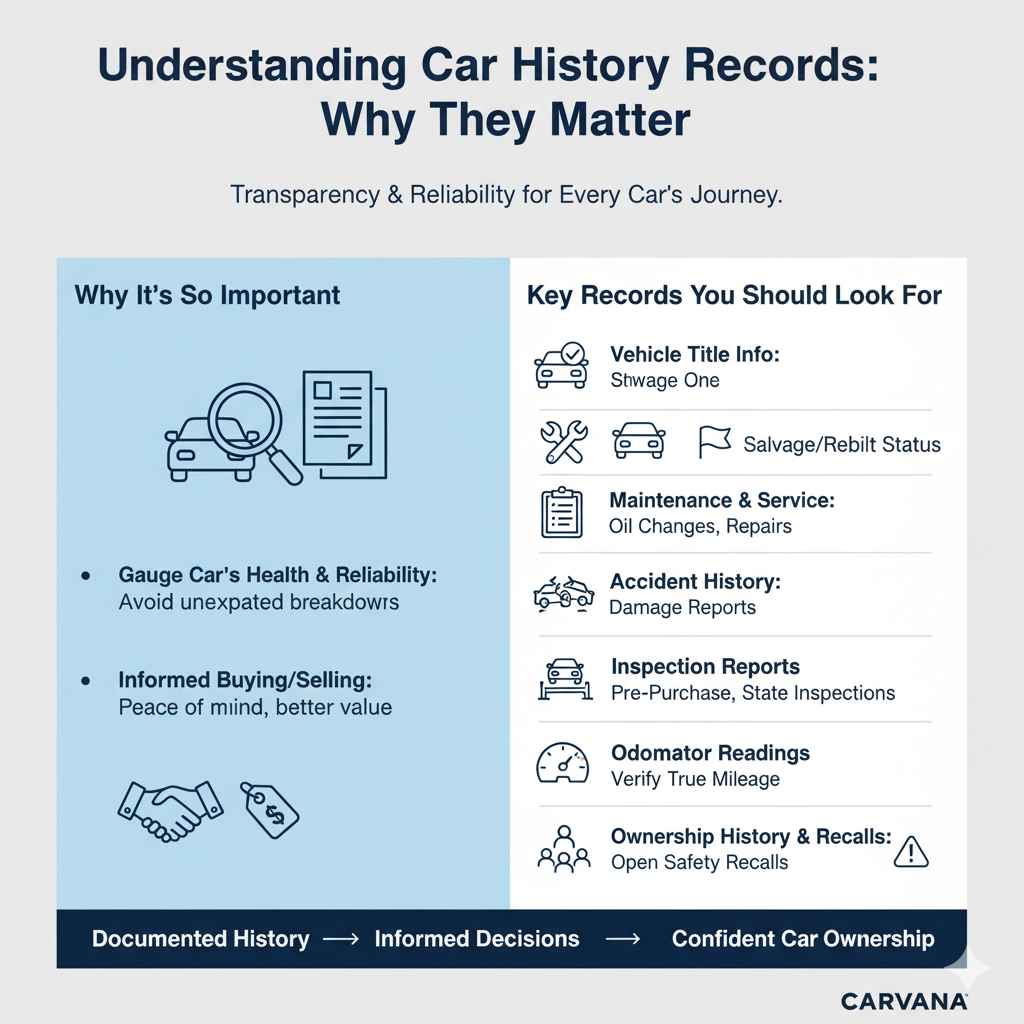
Understanding Car History Records: Why They Matter
Think of a car’s history records as its personal diary. Every entry – from oil changes to major repairs – tells a story about how the vehicle has been treated. For any car owner or potential buyer, these records are incredibly valuable. They offer transparency and help you gauge the car’s overall health and reliability before you commit.
Why is this so important? Well, a car with a documented history suggests it has been regularly serviced and cared for. This can mean fewer unexpected breakdowns and lower repair costs in the future. On the flip side, a car with a spotty or missing history might be hiding problems. It’s like buying a house without a professional inspection – you’re taking a big gamble.
Key Types of Car History Records You Should Look For
When you’re delving into a car’s past, certain types of records stand out as particularly important. These aren’t just random papers; they are specific documents that paint a clear picture of the vehicle’s journey. Having a good collection of these can give you peace of mind.
Here are the most essential ones:
- Vehicle Title Information: This is perhaps the most critical record. It proves ownership and reveals if the car has ever been declared a “salvage” or “rebuilt” vehicle due to major damage from accidents, floods, or fires. A clean title is always preferred. You can often check title status through resources like the National Highway Traffic Safety Administration (NHTSA), which provides information on vehicle recalls and safety issues. For a deeper dive, the National Insurance Crime Bureau (NICB) VINCheck offers a free tool to see if a vehicle has been reported as stolen or as a salvage loss.
- Maintenance and Service Records: These are entries from mechanics or dealerships detailing routine maintenance like oil changes, tire rotations, brake checks, and tune-ups. They also include records of any repairs made. Consistent maintenance logs are a strong indicator of a well-cared-for vehicle.
- Accident History or Damage Reports: While not always a separate document, the vehicle title and service records often flag past accidents. Comprehensive vehicle history reports (like Carfax or AutoCheck) are excellent for consolidating this information, showing reported accidents, their severity, and any structural damage.
- Inspection Reports: This includes pre-purchase inspection (PPI) reports from an independent mechanic or results from state inspections (if applicable in your region). A PPI done by a trusted mechanic hired by you is invaluable for uncovering hidden issues.
- Odometer Readings: Verified odometer readings across various records help ensure the mileage shown on the dashboard is accurate and hasn’t been tampered with. Title records and service history often include mileage data.
- Ownership History: Knowing how many previous owners a car has had can be insightful. A car with fewer owners might have a simpler history to trace.
- Recall Information: While not a history record of the car itself, knowing if a car has outstanding safety recalls is crucial. The NHTSA website allows you to check for recalls by VIN.
How Many History Records Are “Enough”?
So, to get to the heart of it: how many history records should a car have? There isn’t a single magic number that applies to every single vehicle. Instead, it’s about the quality and completeness of the records you find.
However, for a car to be considered well-documented, you’d ideally want to see a good collection of the records mentioned above. A car that has been regularly maintained over its lifespan will naturally accumulate more service records. A strong history would typically involve:
- At least 5-7 significant records: This could include the title history, a few key maintenance appointments (e.g., major service milestones, tire changes), and any documented major repairs.
- Records spread across its lifespan: It’s better to have consistent records over several years, even if they are fewer in number, than a lot of records bunched up over a short period. This shows ongoing care.
- Clear evidence of maintenance: Regular oil changes and checks are fundamental. If you see these documented consistently say, every 5,000-7,500 miles (or as recommended by the manufacturer), that’s a great sign.
- No red flags on major reports: A clean title, no major accident disclosures (or if there were minor ones, they were professionally repaired), and accurate odometer readings are more important than a high number of minor records.
The Importance of a Clean Title
When we talk about car history, the title is king. A “clean title” simply means the vehicle hasn’t been branded as problematic. This is the most crucial piece of a car’s history.
Here’s what can go on a title, and why you want to avoid them:
- Salvage Title: Issued after a vehicle has been declared a total loss by an insurance company due to damage (accident, flood, fire, theft). It means the cost to repair it exceeded a certain percentage of its value.
- Rebuilt/Reconstructed Title: This is what a car gets after a salvage title has been repaired and passed inspection. While it can be legally driven, it often signifies a significant past issue.
- Flood/Water Damage Title: Indicates the vehicle has been submerged in water, which can lead to long-term electrical and mechanical problems.
- Lemon Title: For new vehicles that repeatedly have the same defect and cannot be repaired after a reasonable number of attempts, with the manufacturer eventually buying it back.
- Odometer Rollback Title: Flags tampering with the mileage display.
Other title brands include “fire damage” and “theft recovery” which also highlight serious past issues. Always aim for a car with a clean title. reputable sources like DMV.org offer comprehensive explanations of different title brands.
Using Vehicle History Reports: Carfax vs. AutoCheck
When you’re looking to buy a used car, a vehicle history report is one of your best friends. Services like Carfax and AutoCheck pull data from various sources to give you a snapshot of a car’s past. But how do they work, and which one is better?
Both services use your car’s Vehicle Identification Number (VIN) to search databases for reported incidents. These databases include information from:
- Motor vehicle agencies
- Police departments
- Insurance companies
- Service and repair shops
- Accident towing companies
- DMVs (Departments of Motor Vehicles)
They can reveal information such as:
- Accident records
- Title issues (salvage, flood, etc.)
- Odometer readings
- Number of previous owners
- Service history entries
- Lien information
- Rental or fleet vehicle history
Carfax is generally more widely known and often has a more extensive database, particularly for accident and title issues. They tend to report on more minor incidents.
AutoCheck, owned by Experian, also provides valuable information and is sometimes considered more thorough in its analysis of vehicle history, especially regarding usage patterns (like being a former rental car) and potential devaluation.
Which one to choose? It’s often a good idea to get reports from both if possible, as they can sometimes catch different details. However, if you have to choose one, think about what’s most important to you. If you’re primarily concerned about major accidents and title brands, either will be helpful. If you want to see a potentially more detailed breakdown of usage, AutoCheck might have an edge. Remember, these reports aren’t foolproof; they only report what has been officially recorded. A very meticulously maintained car with no reported accidents might still have minor dings that weren’t reported.
What Does a “Good” Service History Look Like?
A good service history is more than just a pile of receipts. It’s evidence of consistent care and attention to the vehicle’s needs. This is where you can truly see how well a car has been treated.
Here’s what to look for:
- Regular Oil Changes: Look for entries every 5,000 to 7,500 miles (or what the manufacturer recommends). This is a basic but vital sign of care.
- Consistent Mileage Tracking: The mileage recorded at each service should show a logical progression. No sudden jumps or unexplained gaps are good signs.
- Scheduled Maintenance: Has the car had its major service intervals met? This includes things like replacing the timing belt (if applicable), flushing transmission fluid, and changing spark plugs at the recommended mileage.
- Repairs Documented: If a part was replaced – say, the alternator or brake pads – you want to see that documented. This shows that any issues that did arise were addressed.
- Professional Work: Records from reputable dealerships or independent mechanics are generally more trustworthy than very informal notes.
A car with a patchy service record might be a riskier buy. It could mean that maintenance was skipped, leading to potential future problems. For managing your own car’s records, consider using a digital app or even a simple spreadsheet. This helps you keep track and provides value if you ever decide to sell.
When Records Are Missing or Scarce
It’s not uncommon to encounter a car with a limited history. Life happens, owners forget, or records get lost. But what does this mean for you as a buyer, and how many missing records are too many?
What a scarce history might indicate:
- Owner neglect: The previous owner might not have prioritized maintenance.
- DIY maintenance without documentation: Some owners are very handy and do their own work, but forget to keep records.
- Lost records: Sometimes, things just get misplaced.
- Car used in ways that don’t generate typical records: For example, a car that was primarily used for short trips or wasn’t driven much might have fewer service entries.
How to handle it:
- Get a Pre-Purchase Inspection (PPI): This is absolutely NON-NEGOTIABLE for a car with limited history. A trusted, independent mechanic will give the car a thorough check-up and can uncover issues that records would have revealed. This is your best defense.
- Look for a Clean Title: Even without service records, a clean title is paramount.
- Check for Red Flags in VIN Reports: Use Carfax or AutoCheck. Even if they show little maintenance, they might still flag accidents or title brands you need to know about.
- Factor in potential repair costs: If you decide to buy a car with a poor record, be prepared for potentially higher maintenance and repair bills down the line. Adjust your offer price accordingly.
- Ask direct questions: Try to get information from the seller about why records are missing. Their answer can be telling.
While a car with no history is a significant risk, one with a few missing pieces doesn’t automatically mean a bad purchase, provided you do your due diligence with a PPI and VIN checks.
The Role of Maintenance Schedules
Understanding a car’s manufacturer-recommended maintenance schedule is key to appreciating its history. This schedule outlines what services should be performed at specific mileage intervals or time periods. Following this schedule is how a car tends to live a long, reliable life.
Let’s look at a general example of what a maintenance schedule might look like for a typical sedan (always refer to your car’s owner’s manual for the exact schedule):
| Mileage Interval | Common Services |
|---|---|
| 5,000 – 7,500 miles | Oil and filter change, tire rotation, fluid level check |
| 15,000 – 20,000 miles | Replace engine air filter and cabin air filter, brake inspection |
| 30,000 – 40,000 miles | Brake fluid flush, coolant flush, transmission fluid inspection/flush (depending on type) |
| 60,000 – 80,000 miles | Spark plug replacement (for many vehicles), serpentine belt inspection |
| 100,000 miles+ | Timing belt replacement (if applicable – very critical!), transmission fluid replacement, coolant replacement |
When reviewing a car’s history, compare the recorded services against this kind of schedule. If a car has records showing it’s consistently met its oil change needs, that’s great. If it’s approaching 100,000 miles and there’s no record of the timing belt being changed (if it has one), that’s a significant expense that will likely need to be addressed soon. You can find specific owner’s manuals and maintenance schedules for many vehicles by searching online, often on the manufacturer’s official website or through automotive enthusiast forums.
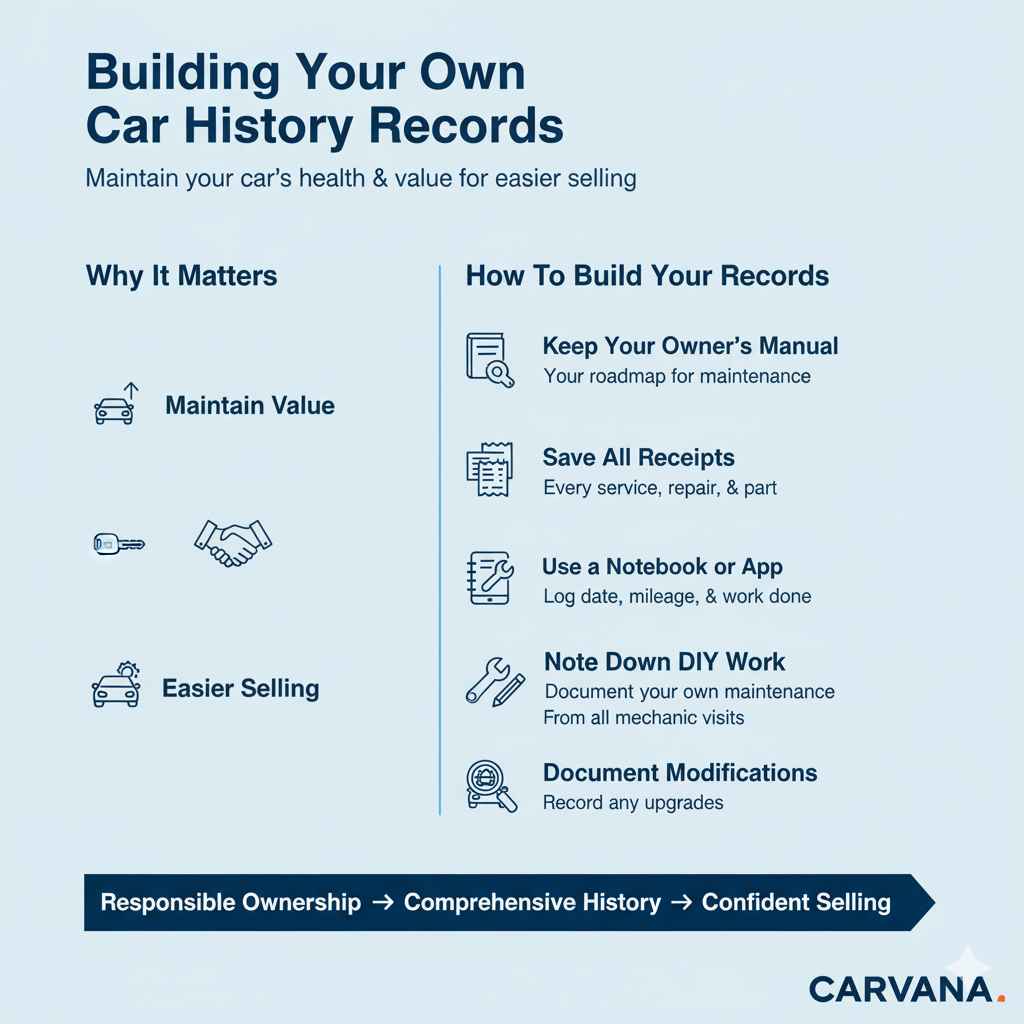
Building Your Own Car History Records
Once you own a car, keeping meticulous records is something you can control. This not only helps you maintain your vehicle’s health and value but also makes it easier to sell or trade in later.
Here’s how to build a great history for your current car:
- Keep Your Owner’s Manual: This is your roadmap for maintenance.
- Save All Receipts: Every service, every repair, every part – keep the paperwork.
- Use a Dedicated Notebook or App: Log every oil change, tire rotation, and repair. Include the date, mileage, and what was done. There are many great apps available that can help you manage this digitally, like FuelEconomy.gov’s tools (which also track fuel efficiency and can be adapted for maintenance logs) or dedicated car maintenance apps.
- Note Down DIY Work: If you change your own oil or replace a part, jot it down.
- Get Inspection Reports: Keep reports from any mechanic inspections, especially if they find minor issues that you address.
- Document Modifications: If you add any aftermarket parts, keep records of those too – it helps show you’ve actively cared for and improved the vehicle.
A comprehensive personal record book is just as valuable as a dealership service history when it comes time to sell. It proves you’ve been a responsible owner.
Frequently Asked Questions (FAQs)
Q1: Is one record of an oil change enough for a car history?
A: No, a single record isn’t enough. Consistent oil changes over time are what indicate good maintenance. You want to see a pattern of regular oil changes, ideally every 5,000-7,500 miles, throughout the car’s life.
Q2: What if a car has a salvage title? Should I still consider buying it?
A: Buying a car with a salvage title is a major risk. While some can be repaired and legally declared “rebuilt,” they often have hidden structural or mechanical issues that are very expensive to fix. It’s best to avoid salvage title cars unless you are an expert mechanic with a very specific plan and understand the risks involved.
Q3: How far back should I look for car history records?
A: Ideally, you want to see records for the majority of the car’s life, especially its more recent history. For a car that’s only a few years old, records covering most of its mileage are important. For older cars, consistent records over the last 5-10 years are a good indicator of ongoing care.