How Much Does a Car Cover for Winter Cost?
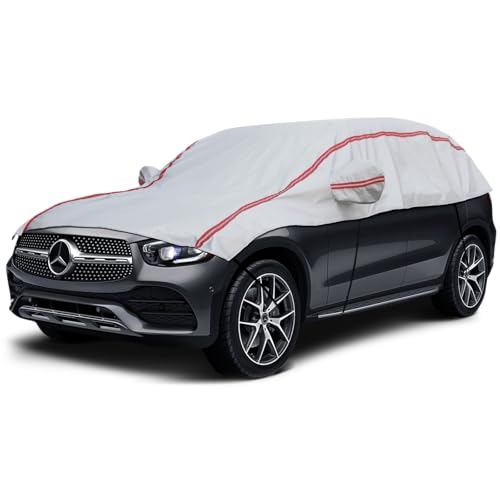
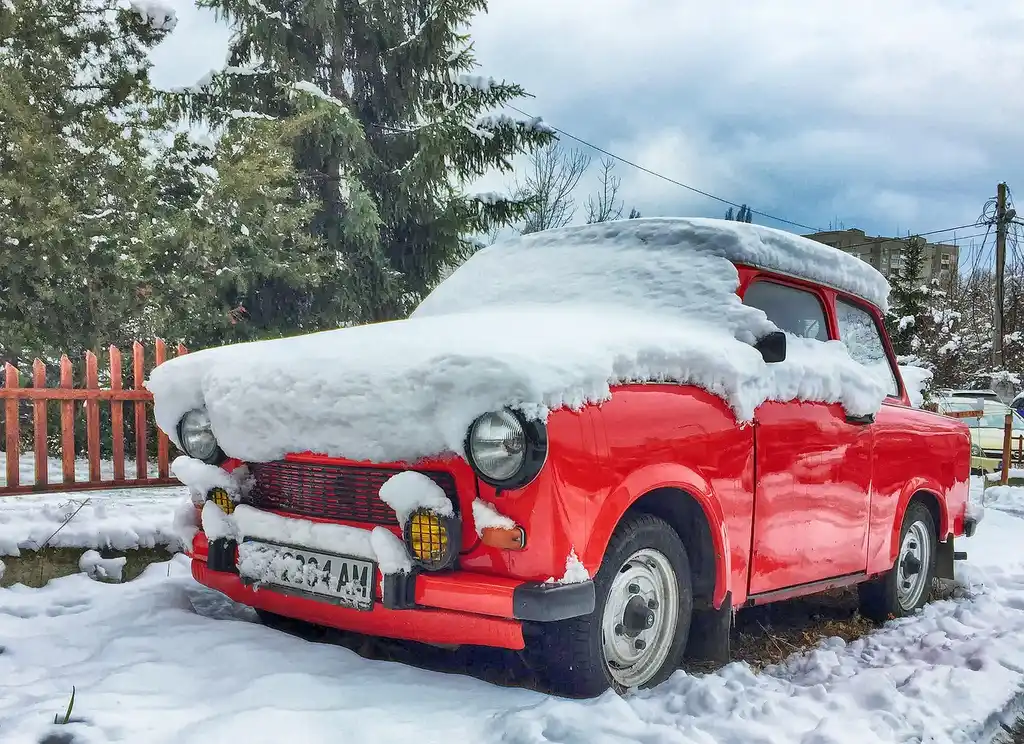
A winter car cover usually costs about $25 to $300, with basic windshield covers near the low end and full outdoor covers at the high end. Buy the wrong one and you can still scrape ice, trap moisture, or spend money on protection you do not need. Here is the price ladder by cover type, plus when a cheap windshield cover is the better buy and when it is not.
What a winter car cover costs


Winter car cover pricing starts with simple windshield-only covers and rises with size, fabric layers, and fit. A sedan cover usually costs less than an SUV cover, and custom-fit products usually cost more than universal ones because they are shaped for a tighter fit and better hold in wind.
The biggest price jump usually comes from three things: full-vehicle coverage instead of glass-only coverage, heavier fabric with better snow shedding, and added fit features such as elastic hems, straps, or tie-down points. Those upgrades matter most for outdoor parking and long exposure to snow, wind, and road salt.
How much car cover table
| Tier | Vehicle size | Cover type | Typical price | Use case |
|---|---|---|---|---|
| Budget | Sedan, hatchback | Windshield cover | $25-$50 | Quick frost and snow removal for driveway or curb parking |
| Budget | Sedan | Universal full cover | $40-$80 | Light snow, short outdoor exposure, basic paint and glass protection |
| Budget | SUV | Universal full cover | $60-$100 | Short-term outdoor use where fit is less exact |
| Midrange | Sedan, hatchback | Full winter cover | $80-$160 | Repeated outdoor use, better breathability, better hold in wind |
| Midrange | SUV | Full winter cover | $120-$200 | Heavier snow, more surface area, stronger need for secure fit |
| Premium | Sedan, hatchback | Custom-fit full cover | $180-$250 | Frequent outdoor storage, tighter fit, better wind control |
| Premium | SUV | Custom-fit full cover | $220-$300 | Long outdoor storage, heavy snowfall, repeated freeze-thaw cycles |
What usually drives the jump in cost
Polypropylene products often sit near the low end because they are simple, light, and usually aimed at limited exposure. Polyester usually costs more because it can be made into tighter weaves and stronger outer layers. Multi-layer fabric sits at the high end when a cover combines weather resistance, breathability, and better tear resistance.
Fit also moves the price. Universal fit is cheaper, but it can leave slack that catches wind. Custom fit costs more because it follows the body shape more closely, which matters on a sedan with a long hood just as much as on a hatchback with a shorter tail and more exposed rear glass.
What makes a winter cover worth more?
A higher price makes sense when the cover actually handles winter problems better: snow shedding, ice reduction, frost control, paint protection, and wind resistance. Pay more for breathable construction and secure fit features. Do not pay more for “waterproof” alone if the cover traps moisture underneath.
Polypropylene, polyester, and multi-layer fabric
Polypropylene is usually the budget choice. Polyester often lands in the middle because it can balance flexibility, durability, and easier handling. Multi-layer fabric usually costs the most because it can add weather resistance on the outside and moisture management inside.
That matters in freeze-thaw weather. A cover that holds moisture against the car can create more trouble than a thinner cover that dries faster and allows vapour to move through.
Water-resistant versus waterproof claims
Water-resistant covers are designed to shed snow, sleet, and light moisture while still letting some vapour escape. Waterproof covers block liquid more aggressively, but a fully sealed cover can trap condensation if it is not built to breathe. That is the key tradeoff.
For winter parking, breathability is usually the better safeguard than a hard waterproof claim alone. If you want to protect paint and trim through repeated freeze-thaw cycles, a cover that dries well and vents moisture is more useful than one that simply resists wet snow.
Fit features that matter in wind and snow
Elastic hems, strap points, and tie-downs help the cover stay put when wind gets under an edge. That matters because winter gusts can lift a loose cover, rub dirty material against paint, or expose glass again after a snowfall.
Suppose a sedan parks in an open driveway near a plowed street. A loose universal cover may shift overnight, while a tighter cover with hems and straps is more likely to stay in place and keep snow from packing under the edges.
Should I choose a full car cover or a windshield cover for winter?
A windshield cover is the cheaper smart buy when your main problem is frost, light snow, and morning scraping. A full cover is worth the extra cost when you need paint protection, side-window coverage, and better defense against repeated snow, road salt, or wind-blown debris.
Picture a hatchback that parks in a garage most nights but sits outside during a work shift. A windshield cover often solves the daily frost problem for far less money. If the car stays outside for days at a time in a windy lot, a full cover earns its higher price.
When a windshield cover is enough
Choose the cheaper option if the car is parked outside only part of the time, if you mainly want to reduce morning frost, or if you are trying to avoid scraping a windshield before a short commute. It is also the easier choice when you want quick on/off use.
For many drivers, that is enough. It does one job well, and it does not require the same storage space or handling time as a full-vehicle cover.
When a full-vehicle cover earns its price
Choose a full cover when snow piles up on the hood, roof, mirrors, and rear glass, or when road salt and wind exposure make exterior protection more valuable than glass-only coverage. It is also the better buy when the car sits outside for long stretches in a driveway or apartment lot.
A full cover also helps when frost and ice are only part of the problem. If you want paint protection, dust control from roadside grit, and a barrier against repeated weather exposure, the higher price is easier to justify.
How storage location changes the answer
Garage storage lowers the need for a premium cover. A car that lives indoors may only need a windshield cover, or no cover at all, unless it is parked near an open bay or exposed to dust and moisture drift. Outdoor storage changes the math quickly.
Driveway parking, especially in a windy or snowy area, pushes the recommendation toward a better-fitting full cover with breathable construction and secure fastening. The more exposure the car gets, the less sense it makes to buy the cheapest option.
What winter conditions change the decision?
Heavy snowfall, wind exposure, road salt, and freeze-thaw cycles all change which cover makes sense. A cheap windshield cover can be enough for frost reduction. Once snow load, gusts, and wet slush enter the picture, a full cover with better fit and moisture management becomes more useful.
Heavy snowfall and snow shedding needs
When snow is frequent, the cover needs to shed buildup instead of holding it on top of the car. That is where thicker outer layers and better shape matter. A windshield cover handles one surface. A full cover spreads the load across the whole vehicle.
Wind exposure and secure tie-down points
Wind can matter as much as snow. Loose fabric can flap, move dirt around, and expose painted surfaces. Secure tie-down points, elastic hems, and snug body coverage are worth paying for when the parking spot is open to crosswinds.
Road salt, driveway use, and freeze-thaw cycles
Road salt is hard on exterior finishes, and repeated melting and refreezing can leave wet residue under a poorly chosen cover. Breathable construction matters here. It gives moisture a way out instead of sealing it against the car for days.
How to choose the right fit and material
Start with the body style, then match the cover to the weather. A sedan, hatchback, and SUV do not need the same size or drape. A universal fit is cheaper, but a custom fit usually stays put better and leaves fewer loose sections for wind to catch.
Universal fit versus custom fit
Universal fit works for shoppers who want the lowest upfront cost and only need moderate protection. Custom fit costs more, but it usually gives better coverage at the mirrors, lower body, and rear corners, which improves retention and reduces flapping.
Matching the cover to your body style
Sedans often have the widest budget range because they are common and easier to cover. Hatchbacks need attention at the rear opening and roofline. SUVs usually cost more because of the larger surface area and the extra material needed for the taller profile.
Features to look for before you buy
- Breathable fabric to reduce trapped moisture
- Elastic hem or strap points for wind hold
- Snow-shedding outer layer
- Clear fit labeling for sedan, hatchback, or SUV
- Material that balances water resistance with drying time
- Easy on/off handling for daily winter use
Winter cover maintenance and limits
Even a good cover can cause problems if it goes back on wet or dirty. Dry it before storage, and clean it often enough to keep grit from rubbing paint. A cover is a protection tool, not a substitute for clean surfaces and basic care.
Drying before storage
Store the cover dry whenever possible. Folding away a wet cover can leave it smelling damp and can keep moisture trapped in the fabric. In winter, that trapped moisture is a bigger concern because freezing temperatures can lock it in place.
Cleaning frequency and dirty-paint abrasion risk
Clean the cover when it collects salt, grit, or slush residue. That matters because abrasive debris can scratch paint if the cover shifts. Never pull a dirty cover across a dry, dirty panel if you can avoid it. That is where wear starts.
Easy on/off use through the season
Winter cover use falls apart when the cover is awkward. If it takes too long to install, many drivers stop using it. A practical winter cover should be quick enough to remove before driving and simple enough to put back on after parking.
Frequently asked questions
How much is my winter car?
If you mean the cover cost for a winter setup, a windshield cover can start around $25, while full winter covers often run from about $40 to $300 depending on size, fit, and fabric. The right price depends on whether you need frost control or full-body protection.
How much does a car cover cost?
A car cover for winter usually falls in the $25 to $300 range. The low end is generally for windshield-only covers, while full outdoor covers cost more, especially for SUVs and custom-fit versions. The fabric and retention features matter as much as the size.
What does a winter car cover usually cost?
Most winter covers land in three bands: budget, midrange, and premium. Budget covers are usually the cheapest windshield or universal options. Midrange covers add better breathability and fit. Premium covers usually mean custom fit, stronger material, and better wind control.
Is a winter car cover worth it for snow and ice?
Yes, if the car sits outside often and you want less scraping, less snow on the glass, and some paint protection. It is less useful if the car stays in a garage most of the time. The value rises with wind, snowfall, and road salt exposure.
What size or type of car cover do I need for winter?
Match the cover to the body style first: sedan, hatchback, or SUV. Then choose universal or custom fit based on how much wind and snow the car faces. A tighter fit helps outdoors. A looser universal fit can be enough for short-term or lighter exposure.
Can a car cover prevent frost, snow, and ice damage?
It can reduce buildup and make cleanup easier, but it does not stop every winter problem. A cover can limit frost, snow, and some ice contact, yet moisture control matters. If the cover traps damp air or shifts in wind, protection drops fast.
What should I look for in a car cover for freezing weather?
Look for breathable fabric, secure hems or straps, and material that sheds snow without trapping water. Water-resistant is not the same as fully waterproof, and a breathable design usually matters more in freezing weather. Good fit matters too, especially in open parking spots.
Products related to this article
Sponsored / affiliate links. As an Amazon Associate I earn from qualifying purchases. I may earn additional commission from eligible campaigns.