Windshield Cover vs Car Cover: Which Is Better for Winter?
Use a windshield cover for daily winter frost and ice scraping prevention, especially when the car leaves every morning. Pick a full car cover only if the car sits outdoors for long stretches and you can live with slower install and storage. Pick the wrong one, and you lose time scraping, pick up paint scuffs, or trap moisture against the body. This guide compares protection, fit, time, storage, and street-parking practicality.
Windshield cover vs car cover: the winter trade-off



| Decision factor | Windshield Cover | Car Cover | Winner |
|---|---|---|---|
| Primary coverage | Windshield only | Roof, windows, hood, trunk, and other exterior panels | Car Cover |
| Morning install and removal | Fast, light, and easy to handle | Cumbersome to install and remove | Windshield Cover |
| Storage and carry | Lightweight and portable | Bulkier and may require more storage space | Windshield Cover |
| Daily winter cleanup | Targets frost, snow, and ice on glass | Reduces buildup across the vehicle, but takes more effort | Windshield Cover |
| Long outdoor parking stretches | Useful for glass protection, but limited | Better broad exterior protection for extended parking | Car Cover |
| Wind and fit risk | Fewer panels to catch wind | More fit-related failure points, including blow-offs and flap noise | Windshield Cover |
Primary coverage
A windshield cover does one job: it shields the glass. A full car cover blankets the roof, windows, hood, trunk, and other exposed exterior parts, so it reaches far beyond frozen glass and light debris.
That difference matters because winter trouble is not spread evenly across the car. If the goal is quick glass cleanup before a commute, extra body coverage is often just extra work.
Morning install and removal
Windshield covers win here because they are easy to install and remove, lightweight, and portable. That matters when gloves are on, fingers are cold, and the car has to leave in minutes.
Full car covers ask for more time and more coordination. In freezing weather, the extra folding, tugging, and repositioning is often what stops people from using them every day.
Storage and carry
A windshield cover folds small and fits into a trunk pocket or door bin. A car cover is bulkier and usually needs a larger storage spot, especially after a winter of slush, snow, and repeated packing.
That storage penalty is easy to miss in a showroom. It is hard to miss in a cramped hatchback or apartment garage. If storage is inconvenient, the cover stays home.
Wind and fit risk
More fabric means more ways for weather to fight the cover. Full car covers can flap, shift, or blow off when the fit is loose, and seams or edges can create noise and wear points in strong wind.
A windshield cover has fewer exposed edges and less surface area to catch gusts. That does not make it perfect, but it cuts down the failure points.
According to usnews.com — U.S. News notes windshield replacement can cost $1,000 or more on ADAS vehicles.
What does a windshield cover cover?
A windshield cover covers the glass area only. It is designed to shield the windshield from snow, ice, frost, leaves, and light debris, which makes it useful for drivers who want quicker starts on cold mornings.
Why fast install matters on cold mornings
The value of a windshield cover is time saved. It cuts the minutes spent scraping, brushing, or thawing the glass before driving.
For a daily commuter, that matters more than broad body coverage. A tool that goes on fast and comes off fast gets used more often, which is what makes it work in real winter parking.
Where a windshield cover falls short
A windshield cover does not protect the roof, hood, mirrors, side glass, or paint. If the car sits under trees, in a lot with blown grit, or in a long open-air parking stretch, the rest of the vehicle still takes a hit.
It also does little for side-mirror icing or grime on the body. It solves one high-friction task well, not the whole outdoor-parking problem.
What does a full car cover cover?
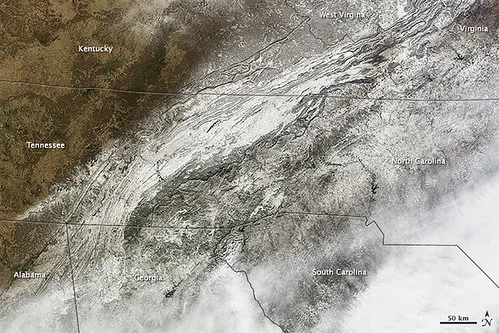
A full car cover covers the entire vehicle and usually reaches the roof, windows, hood, and trunk. It is the broader option for parked-car protection when the car stays outdoors and needs more than windshield-only defense.
Why it helps during long outdoor parking stretches
For long-term parking, the wider blanket of protection matters. It can cut direct exposure to snow, rain, sun, and debris across the body, which helps when the car sits for days or weeks rather than one overnight stop.
That broader coverage can also help with UV protection claims, because some buyers want year-round weather resistance, not just winter glass shielding. The benefit is bigger, but the effort is too.
The usual pain points: bulk, fit, and storage
Car covers are cumbersome to install and remove, and they are bulkier to store. In practice, that means more wrestling with fabric in the dark, more folding after use, and more annoyance if the weather turns windy.
Fit matters more than people expect. Loose corners, poor mirror alignment, antenna interference, and awkward sensor or wiper clearances can create failure points that do not show up in simple product descriptions.
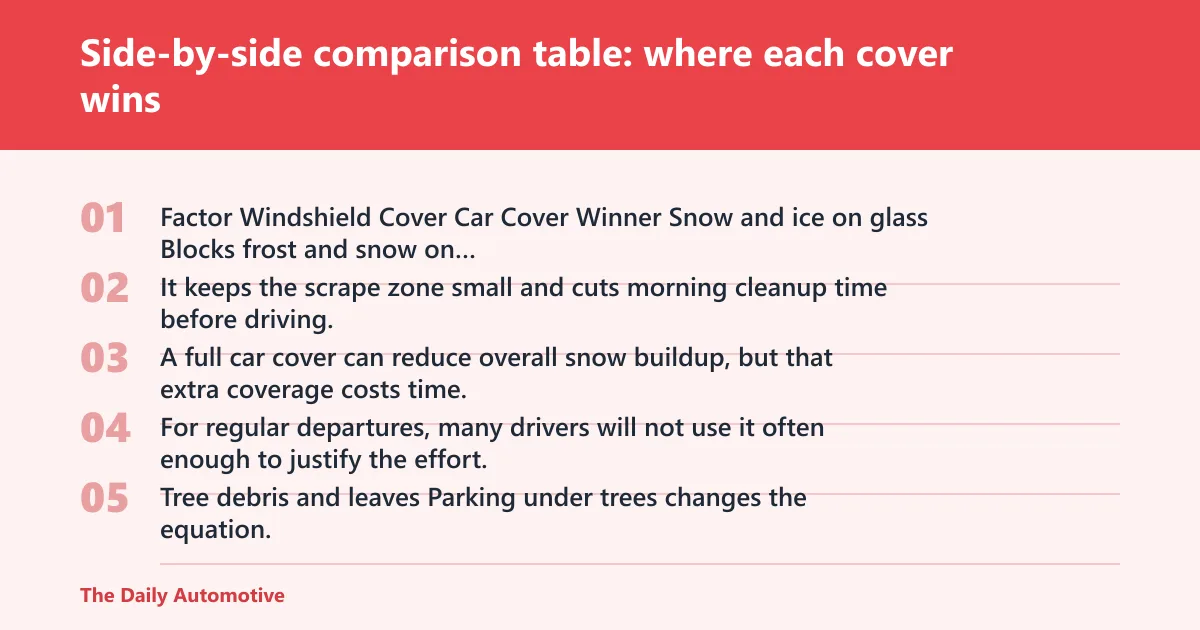
Side-by-side comparison table: where each cover wins
| Factor | Windshield Cover | Car Cover | Winner |
|---|---|---|---|
| Snow and ice on glass | Blocks frost and snow on the windshield | Reduces broader buildup, but takes more setup | Windshield Cover |
| Tree debris and leaves | Protects the windshield from leaves, branches, and other debris | Protects more of the car from debris and grit | Car Cover |
| UV and sun exposure | May provide protection from UV rays on the glass area | Better for paint, windows, and broader exterior UV exposure | Car Cover |
| Install speed | Fast and simple | Slower and more awkward | Windshield Cover |
| Storage burden | Lightweight and portable | Bulkier and needs more room | Windshield Cover |
| Windy parking | Less surface area to shift | More blow-off and flap-noise risk | Windshield Cover |
Snow and ice on glass
If the daily problem is a frozen windshield, the glass-only option is the cleaner fix. It keeps the scrape zone small and cuts morning cleanup time before driving.
A full car cover can reduce overall snow buildup, but that extra coverage costs time. For regular departures, many drivers will not use it often enough to justify the effort.
Tree debris and leaves
Parking under trees changes the equation. Branch drop, leaf fall, and wind-blown grit can pepper the windshield, and a windshield cover can block much of that from the glass itself.
But if the vehicle sits under trees for long periods, a full car cover can help keep debris off more of the car. That matters when the goal is not only glass cleanup, but also fewer scratches on paint and trim from repeated debris contact.
UV and sun exposure
UV protection is not only a summer issue. Drivers who leave a car outside through winter often want some year-round weather resistance, and both products may help in different ways depending on material and exposure.
The full car cover has the broader surface advantage here. It can protect more of the exterior from sun exposure, while the windshield cover mainly focuses on the glass area.
Waterproof vs water-resistant claims
Waterproof and water-resistant are not the same thing in real parking conditions. Outdoor rain, melting snow, seam leakage, and imperfect fit can all move moisture where the label says it should not go.
That is why the material tag alone is not enough. A cover that sounds waterproof can still leak at seams, pool water in the wrong places, or let moisture sit against the body if the fit is poor.
Is a windshield cover better than a full car cover for snow?
For daily snow and frost cleanup, a windshield cover is often the more practical choice because it is quicker to put on and take off and focuses on the glass that needs to be cleared before driving. A full car cover can be the better choice when the vehicle sits outside for longer periods and the extra handling is acceptable.
How each cover changes morning cleanup
The windshield cover reduces or eliminates scraping on the glass. That is the main winter convenience gain, and it is why it fits daily commuter parking so well.
The full car cover can reduce more of the car’s exposure to snow and ice, but it asks for more setup at night and more effort in the morning. That trade-off is easier to accept for storage than for a rushed weekday departure.
What is the best car cover for outdoors?
The best outdoor car cover is the one that fits well, holds position in wind, and matches how long the car stays parked. For long outdoor stretches, a full car cover usually beats a windshield cover because it protects the roof, windows, hood, trunk, and paint, not just the glass.
Outdoor parking under trees versus open street parking
Under trees, broader coverage makes more sense because leaves, sap, branches, and blown grit reach more than the windshield. On open street parking, the main winter problem is often the glass, which favors the faster windshield cover.
That split is the practical decision rule many drivers miss. The parking spot matters as much as the weather forecast.
Can I use a full car cover every day in winter?
You can, but many drivers will not keep using it daily because installation, removal, and storage become tedious in freezing weather. A full car cover works best when the car remains parked for longer stretches, not when it has to come off every morning before a commute.
Glove usability and frozen-fold storage
Daily winter use is where bulky fabric becomes a nuisance. With gloves on, the extra corners and panels are harder to manage, and a damp or frozen cover is unpleasant to fold back into a trunk.
That frozen-fold problem is a real-world failure mode. The cover may still protect the car, but if it is annoying enough, the driver stops putting it on.
Which cover is easier to remove in freezing weather?
A windshield cover is easier to remove in freezing weather because it is smaller, lighter, and designed for fast install-and-remove use. A full car cover takes more time, more folding, and more physical handling when the fabric is cold, stiff, or damp.
Why removal time changes behavior
Removal time matters because it happens when the driver is already under pressure to leave. If a cover delays the trip, the convenience benefit gets lost.
That is why daily winter use and long-term storage should not be treated as the same problem. The right choice changes with parking duration.
Choose Windshield Cover if… / Choose Car Cover if…
Choose a windshield cover if the car is a daily commuter in street parking, if mornings are rushed, if frost and ice are the main issue, or if the driver wants a light cover that is easy to stash and quick to remove. It is also the better fit when leaves and light debris are the main nuisance on the glass.
Choose a full car cover if the car sits outside for long stretches, if it parks under trees, if UV and broader exterior exposure matter, or if the owner can live with slower install, bulkier storage, and more fit-related failure points. That is the better tool for storage-style parking, not fast weekday departures.
- Daily commuter street parking: pick a windshield cover to avoid scraping and save time.
- Driveway under trees: pick a full car cover if debris and branch drop are recurring problems.
- Long-term winter storage: pick a full car cover for wider exterior protection.
- Apartment parking in wind: pick a windshield cover unless you can manage fit, blow-off, and flap noise.
- Icy-snowy mornings: pick a windshield cover for the quickest cleanup before driving.
Frequently asked questions
car cover vs windshield cover
A windshield cover is the faster daily-use option for glass-only winter cleanup, while a car cover protects more of the vehicle and is better suited to longer outdoor parking. The right choice depends on whether the problem is a frozen windshield every morning or broader exposure while the car sits for days.
what does windscreen cover cover
A windscreen cover covers the windshield only. It is meant to shield the glass from snow, ice, frost, leaves, branches, and light debris, with the main benefit being faster cleanup before driving.
are car covers waterproof
Some car covers are sold with waterproof claims, but real outdoor use is more complicated. Fit, seams, and material limits can still let water in or hold moisture against the body, so waterproof does not mean leak-proof in actual rain or melting snow.
what is the best car cover for outdoors
The best car cover for outdoors is the one that fits the car well, handles wind without shifting, and matches how long the vehicle stays parked. For long outdoor storage, a full car cover usually makes more sense than a windshield cover because it protects more of the exterior.
Is a windshield cover better than a full car cover for snow?
For daily snow and frost on a parked commuter car, yes. A windshield cover is usually better because it is quicker to install and remove, and it targets the glass that must be cleared before driving. A full car cover is better only for longer outdoor parking periods.
Will a car cover protect the windshield from frost and ice?
Yes, a full car cover can protect the windshield from frost and ice because it covers the roof and windows as part of the whole vehicle. The trade-off is that it takes more time to put on and take off, so it is less convenient for every morning use.
Which cover is easier to remove in freezing weather?
A windshield cover is easier to remove in freezing weather because it is smaller, lighter, and built for fast daily handling. A full car cover is bulkier, slower to fold, and more awkward when the fabric is stiff or damp from winter conditions.
Products related to this article
Sponsored / affiliate links. As an Amazon Associate I earn from qualifying purchases. I may earn additional commission from eligible campaigns.