How Much Does Car Sound System Cost?
A car sound system usually starts with a head unit, then adds speakers. For higher-output builds, you add an amplifier and subwoofer. Factory systems often stay simple, with fewer pre-amp outputs and odd-sized speakers that limit upgrade paths. Aftermarket setups give you more control over sound quality, bass, and future expansion.
What does a car sound system include?


Head unit basics
The head unit is the control center. A single-DIN unit fits the older, shorter radio opening. A double-DIN unit fills the larger opening and usually gives you a bigger screen. For everyday use, Bluetooth, a USB port, AM/FM radio, and an AUX jack are the features that show up most often.
Pre-amp outputs matter more than many buyers expect. Front and rear pre-amp outputs make it easier to add an amplifier later without replacing the stereo again. If your plan is a simple speaker swap, that feature is useful. If you want a full system later, it becomes much more valuable.
Speakers, amplifiers, and subs
Speaker upgrades often begin with 6.5-inch replacements because that size is common in many doors. Package count matters because a four-speaker set covers more of the cabin than a pair, but it does not automatically mean better sound. Fitment still depends on placement, depth, and whether the car accepts the bracket or adapter.
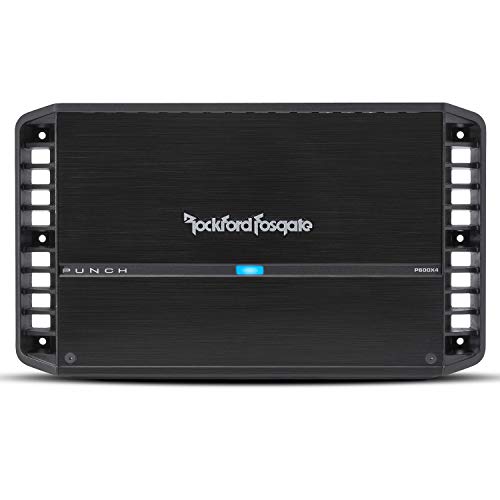
An amplifier adds clean power and better control. It should match the speakers or subwoofer, not overwhelm them. A subwoofer enclosure adds bass and can be loaded, which means the sub is already mounted in the box. Space is the catch: a single 12-inch box needs more room than a slim underseat unit.
How much does car sound systems cost?
A basic car sound system upgrade is often priced around $200 to $600, a solid mid-range setup commonly runs about $700 to $1,500, and a bass-focused build can go past $2,500 once you add amp, sub, wiring, and labor. The sticker price is only part of the total. Skip the install pieces, and the budget can blow up fast, or the new gear can sound worse than stock. This guide breaks down what you get at each price level and where the extra charges appear.
Car sound system cost ladder
| Build type | Typical parts included | Expected sound improvement | Likely install complexity | Main cost trap to avoid |
|---|---|---|---|---|
| Budget upgrade | Head unit or front speaker swap, basic wiring adapter, possible brackets | Clearer vocals, better Bluetooth use, modest volume gain | Low to moderate | Buying a stereo without the right dash kit or wiring adapter |
| Balanced mid-range upgrade | Head unit, four speakers, amp, wiring kit | Stronger mids, better dynamics, less distortion at normal volume | Moderate | Underpowering the amp or skipping pre-amp outputs |
| Bass-focused upgrade | Amp, loaded enclosure, wiring kit, possibly speaker refresh | Large jump in low-end output and cabin fill | Moderate to high | Choosing a box that will not fit the cargo area |
| Full system build | Head unit, speakers, amp, subwoofer enclosure, wiring, install parts | Broadest control over clarity, volume, and bass balance | High | Stacking labor, adapters, and power upgrades without planning them together |
Budget upgrade: stop at the basics
This tier makes sense when the factory stereo is the weak point. A single-DIN or double-DIN head unit with Bluetooth, a USB port, AM/FM radio, and an AUX input can make the cabin easier to live with before you touch the rest of the system. A speaker swap alone can also fit this budget if the factory radio still sounds decent.
For a lot of drivers, this is the right stopping point. If the goal is clearer podcasts, less hiss, and better phone audio, speakers plus a modern head unit often get there without adding amplifier complexity. It also keeps installation simpler in older cars that need adapters just to fit new gear.
Balanced mid-range upgrade: where most drivers land
This is where the system starts to feel complete. A head unit with front and rear pre-amp outputs, four speakers, and a compact amplifier gives you cleaner output and more control over the cabin. The cost rises because you are buying both hardware and the parts that let the hardware work together.
Say your sedan already has working factory speakers but the bass is thin and the highs are harsh. Replacing the four speakers and adding a modest amp usually helps more than chasing a larger screen or a louder radio alone. That path also gives you room to add a subwoofer later if the trunk can spare the space.
Bass-focused upgrade: spend for output, not just wattage
This tier is for drivers who care about low-end impact. A bass package may center on a subwoofer enclosure, a dedicated amplifier, and a wiring kit. The wattage number looks large, but tuning and headroom matter more than the max-power label on the box.
The enclosure style changes the bill and the fit. A single 12-inch loaded enclosure usually needs the most cargo room. A triple 8-inch setup can spread bass across three drivers in a different footprint. A 10-inch slim underseat format is the practical choice when you want bass without giving up a trunk or cargo bay.
Full system build: the highest cost, the most variables
A full build combines the parts above into one plan. That usually means a head unit, a speaker set, an amplifier, and a subwoofer enclosure, plus the wiring and fitment parts to connect them. It costs more because every piece adds both hardware expense and install time.
Complete car audio packages can reduce guesswork because the speaker + amp + sub combination is designed to work together. That said, the package price is only part of the story. Brackets, wiring adapters, dash kits, and labor can move the total much more than the retail sticker suggests.
How much does installation add?
Installation can add a small amount or a large one, depending on the vehicle and the gear. A simple speaker swap may be manageable as a DIY project, while an amplifier, subwoofer, and new head unit often push the job into professional-install territory. The hidden costs are usually adapters, brackets, wiring adapters, and a wiring kit.
DIY versus professional installation
DIY saves money if the car has a straightforward dash, standard speaker locations, and enough room for the new enclosure. Professional installation makes more sense when you need dash disassembly, custom mounting, or a power wire run to the battery. Labor costs are easier to justify when fitment errors would be expensive to fix.
A common first-timer mistake is buying a bass package and forgetting the installation parts that make it usable. If the amplifier needs a wiring kit and the box needs cargo-space clearance, the labor bill can rise after the fact. That is why the out-the-door estimate matters more than the parts price alone.
Parts that often sit outside the package price
- Dash kit for the head unit opening
- Wiring adapter for the factory plug
- Speaker brackets or spacers
- Amplifier wiring kit
- Fuse holder and power cabling
- RCA cables or signal adapters
What changes the price most?
Three things move the budget fastest: stereo features, speaker count and size, and subwoofer format. More inputs and outputs on the head unit cost more. More speakers, larger speakers, and higher-power components also raise the bill. Bigger bass enclosures add both purchase price and fitment risk.
Head unit features and outputs
A basic stereo with Bluetooth and a USB port usually costs less than a screen-heavy unit with more outputs. Single-DIN units fit many older cars and are often the cheaper route. Double-DIN units can cost more because they usually bring larger displays and more features, but that extra spend only helps if you use them.
Front and rear pre-amp outputs matter if you plan to add an amplifier. Without them, the system may need extra signal adapters or a different stereo. That is one of the easiest ways a budget build grows unexpectedly.
Speaker count, size, and compatibility
Speaker cost rises with count and construction. A package of four 6.5-inch speakers generally costs more than a pair, and the install takes longer if the vehicle needs adapter rings or modified mounts. Speaker placement matters too, because a rear-door swap is not always as simple as a front-door swap.
Power ratings also affect spending. Peak power numbers get attention, but real-world tuning is about clean output and headroom, not the loudest label on the carton. An underpowered amp can clip, while an oversized amp can waste money if the speakers cannot use the extra output.
Subwoofer enclosure size and cabin space
The enclosure often decides whether the system fits at all. A loaded enclosure is convenient because the sub is already installed in the box. A single 12-inch enclosure usually delivers strong bass with fewer moving parts, while a triple 8-inch setup can spread output differently. The 10-inch slim underseat format exists for vehicles that cannot spare cargo room.
Truck, SUV, and Jeep owners often have more mounting options, which is why some packages are aimed at trucks, SUVs, Jeeps, and MPVs. Smaller cars have tighter trunks and may force a compromise between bass output and usable space. That tradeoff is real, and it changes the total cost.
Which setup fits your vehicle?
The right system depends on cabin space, factory wiring, and how far you want to go. Older cars often need the most adapter work. Small cars need compact hardware. Trucks and SUVs can take larger enclosures, but the bigger cabin can also demand more power to feel fully filled out.
Older cars with basic factory stereos
Older vehicles usually benefit most from a head unit and speaker upgrade first. If the factory radio is weak, adding Bluetooth, a USB port, AM/FM radio, and an AUX input can modernize the whole cabin. A speaker swap only works well if the replacement size and mounting depth match the doors or dash.
Small cars with limited cargo space
In a compact sedan or hatchback, space beats raw enclosure size. A slim underseat subwoofer can be the practical answer because it leaves the trunk usable. That is where a 10-inch slim underseat setup makes sense, especially if a large box would cut into daily storage.
SUV and truck builds with more room
Larger vehicles can handle bulkier systems, so they are better candidates for a loaded enclosure or a stronger amp. A bass-focused package with a single 12-inch or triple 8-inch format can fit more easily in these cabins, but the wiring run and power demands still need planning. Bigger room does not remove install complexity.
How to avoid mismatched parts
Match the amplifier output to the speakers or subwoofer you plan to run, and do not buy by peak power alone. The system should have enough clean headroom to stay clear at volume, but not so much power that the extra spend buys nothing. A wiring kit is part of that equation because the amp needs stable power delivery.
Speaker and amplifier matching
If the amp is too weak, the system clips early and sounds strained. If it is too large for the speakers, you may spend on power that the rest of the setup cannot use. Good matching depends on the rated output and the intended load, not on the biggest watt number in the listing.
Why wattage numbers can mislead
Peak power is a marketing number. Real-world tuning is what matters after the gear is installed. A system with lower claimed peak power can still sound better if the amplifier, speakers, and enclosure are matched well and the cabin fit is right.
Two common build choices
Suppose a driver wants more bass in a midsize SUV but still needs the third row usable. A slim underseat subwoofer may be the right compromise because it avoids a large cargo enclosure. The sound gain is smaller than a big box, but the vehicle remains practical.
Picture a compact car with a cheap head unit and tired front speakers. In that case, a budget upgrade usually makes more sense than forcing a full bass build into a tight trunk. The system will sound cleaner, and the install bill stays under control.
Frequently asked questions
How much do car sound systems cost?
The final total depends on fitment and how much installation work the car needs.
How much does a full car sound system cost?
A full build can range from about $1,000 to over $2,500 if you want a head unit, speakers, amplifier, subwoofer enclosure, wiring, and professional installation. The biggest swing comes from labor and from whether the system needs extra mounting parts to fit the vehicle cleanly.
How much does a car stereo system cost?
A basic car stereo system can be modest if you only replace the head unit, but the cost climbs quickly when you add speakers or an amplifier. A single-DIN stereo with Bluetooth, a USB port, AM/FM radio, and an AUX input is usually the lowest-cost modern entry point.
How much does a good car sound system cost?
A good system often lands in the mid-range band, roughly $700 to $1,500, because that is where a better head unit, four speakers, and an amplifier can work together. That level usually gives clearer sound without pushing into custom-install territory.
How much does a car speaker system cost?
A speaker-only upgrade is often the cheapest way to improve sound, but the price depends on whether you buy two or four speakers and whether the car needs adapters. A 6.5-inch set is common, yet fitment still determines the real out-the-door cost.
How much does a Bose car sound system cost?
Factory Bose systems are different from aftermarket replacements, so pricing depends on whether you are repairing an existing Bose setup or replacing it with new gear. A true replacement can cost far more because integration, adapters, and vehicle-specific parts often matter as much as the components themselves.
Products related to this article
Sponsored / affiliate links. As an Amazon Associate I earn from qualifying purchases. I may earn additional commission from eligible campaigns.