How Much Does a Headlight Bulb Replacement Cost?
Headlight bulb replacement usually costs about $20 to $300 per side, with many drivers paying about $50 to $150; halogen bulbs are often cheaper, while HID and LED units can raise the bill, especially on cars with tighter access. Ignoring a failed bulb reduces night visibility and can leave you paying more if the wrong part or labor is booked. This guide breaks the price into bulb type, access difficulty, and labor time so you can estimate your own bill before you schedule the repair.
Typical cost range

The total bill usually has three parts: the bulb price, the labor time, and the shop’s hourly rate. A simple halogen bulb swap may stay near the low end, while a tight-access HID or LED job can move toward the top of the range. Headlight bulb replacement usually costs between $20 and $440.
Parts, labor, and the total bill
Halogen bulbs are usually the lower-cost option and often the quickest to replace. HID and LED replacements tend to cost more because the bulb itself can be pricier and the fitment is more vehicle-specific. Labor rate matters as much as the part price, because mechanics’ hourly rates range from $110 to $175.
Labor time also changes the bill fast. Jerry lists pair replacement labor at 0.2 to 1.1 hours, and that spread covers everything from simple hood access to jobs that need trim or intake removal. Some vehicles need headlight assembly removal, which turns a bulb swap into a longer repair.
Headlight bulb replacement cost estimator
This estimator separates the part price from labor so you can compare a DIY job with a shop visit. It also shows how access changes the total, since a bulb that costs little can still produce a higher bill if the front end has to come apart first.
| Bulb type | Access difficulty | Expected total cost range | DIY vs shop decision |
|---|---|---|---|
| Halogen | Easy hood access | $20 to $80 | DIY is realistic if the bulb reaches from the engine bay. |
| Halogen | Hard access, intake or trim removal | $60 to $150 | Shop visit makes sense if clips, covers, or space are tight. |
| HID | Moderate access | $90 to $250 | Shop is often the safer call because fitment and handling matter. |
| LED | Easy or moderate access | $120 to $300 | DIY only if the manual shows direct bulb access and the connector matches. |
| Halogen pair replacement | Easy access | $40 to $160 | Good DIY project on many cars; labor stays low if both sides open easily. |
| Any bulb type | Bumper-off or assembly removal | $150 to $440 | Shop is usually better because labor dominates the bill. |
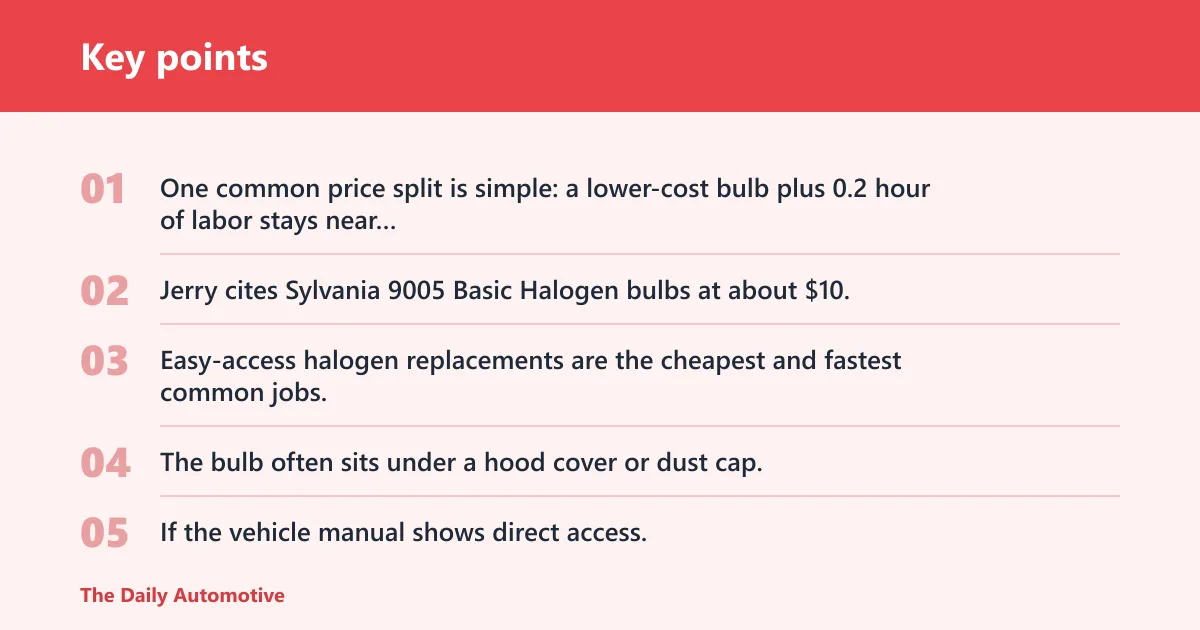
One common price split is simple: a lower-cost bulb plus 0.2 hour of labor stays near the bottom, while a higher-priced LED or HID bulb plus 1.1 hours of labor pushes the total up. Jerry cites Sylvania 9005 Basic Halogen bulbs at about $10, which shows how a cheap part can still end up with a much larger installed price once labor is added.
Easy-access halogen
Easy-access halogen replacements are the cheapest and fastest common jobs. The bulb often sits under a hood cover or dust cap, and the connector comes off without removing surrounding parts. If the vehicle manual shows direct access, a DIY replacement can keep the cost close to the bulb price plus a small parts margin.
Hard-access halogen
Hard-access halogen jobs keep the part cost low, but the labor rises because the installer may need to move an air intake, battery cover, or trim piece. That extra time can matter more than the bulb itself. A small clip that breaks during removal can add another part to the bill.
HID
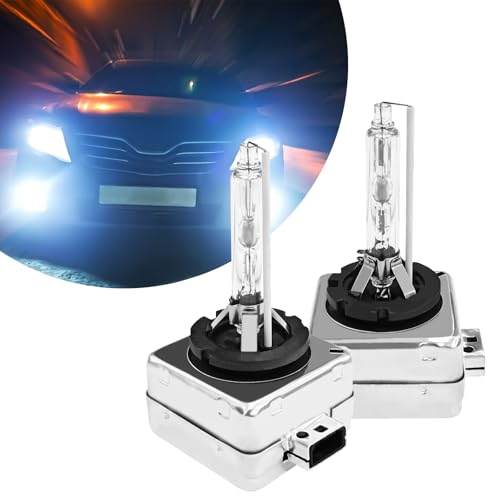
HID headlight bulb replacement often costs more because the bulb is more expensive and the exact fitment varies by vehicle. The same source lists halogen, HID, and LED as the three main headlight bulb types. HID bulbs are often sold as single bulbs rather than pairs, so the parts cost can look modest at first and then jump once labor is included.
LED
LED replacements usually carry the highest upfront part cost in this group. Many are vehicle-specific, so the right part number matters. On some cars, the LED unit is part of a larger module, which can raise the bill above a simple bulb change even when the light source itself is long-lasting.
Pair replacement
Replacing both bulbs at the same time often costs more on the day of the repair, but it can reduce the chance of a second visit soon after. The same source says experts advise changing bulbs in pairs. That advice also helps avoid a brightness mismatch between the driver and passenger sides.
Bumper-off access
Some vehicles require headlight assembly removal, and some require bumper or bracket removal before the bulb can be reached. That is where labor becomes the main cost driver. Even a relatively cheap bulb can become a high-cost repair if the front end must be partly disassembled first.
Why do replacement costs vary so much?
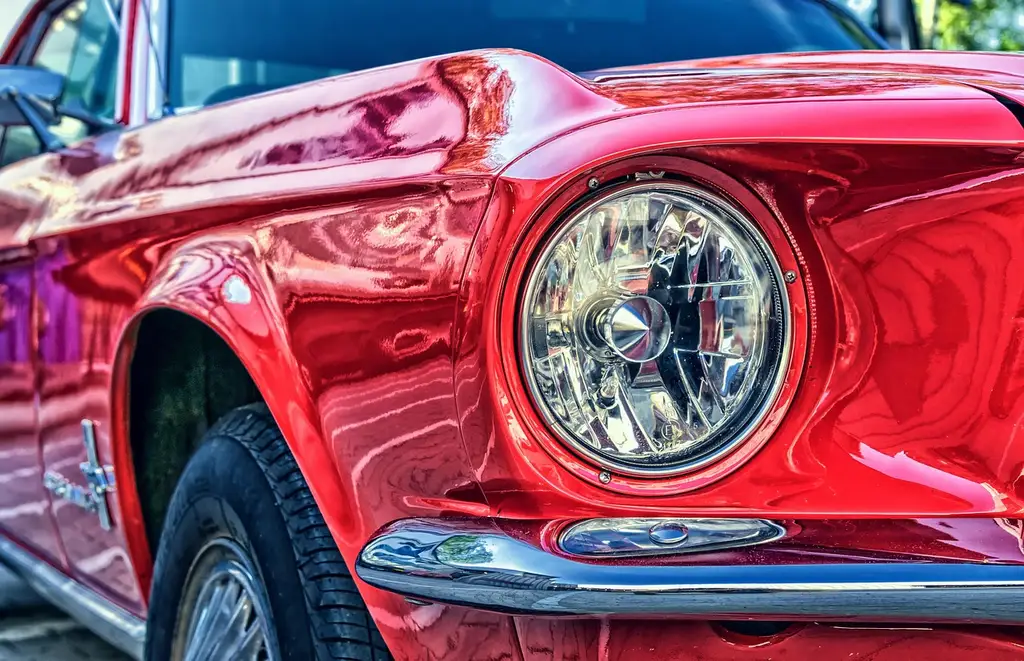
Replacement costs vary because the part, the fitment, and the labor are rarely the same from one vehicle to the next. A halogen bulb in an easy engine-bay location can be quick and inexpensive. A tight HID or LED job with removed trim or a front bumper can take much longer and cost far more.
Bulb type and fitment
Halogen, HID, and LED bulbs do not price the same way. Halogen is usually the cheaper route. HID and LED parts can cost more, and some applications use special bases, modules, or connectors that force a more exact match. Buying the wrong bulb can add a second trip and another labor charge.
Labor rate by market
Labor rate is a major driver of the final bill. The same source lists mechanics’ hourly rates from $110 to $175, and that range changes what the same repair costs in different cities or shops. A short job at the high end of the rate range can cost more than a longer job at the low end.
Access complexity and removed parts
Access difficulty changes everything. Some cars let you reach the bulb from the engine bay. Others require air intake pieces, trim, or even the headlight assembly to come out first. The same source says pair replacement labor takes between 0.2 and 1.1 hours, which shows how much the design can change the bill.
Say your sedan needs a halogen bulb on the driver side and the air box sits in the way. The bulb may cost little, but the extra removal steps push the labor up. The passenger side on the same car may be much easier, which is why one side can cost more than the other.
Driver-side versus passenger-side access
One side of the car is often harder because of the battery, air intake, washer bottle, or fuse box. iFixit says the 2018 Dodge Charger driver’s side bulb requires removing the air intake. That kind of detail can turn a quick parts-only estimate into a longer shop bill if the vehicle is not easy to work on.
Can you replace a headlight bulb yourself?
DIY replacement is realistic on many vehicles, especially when the bulb is reached from under the hood and the manual shows a straightforward path. It gets harder when the job requires tight hand access, special clips, or removal of nearby parts. If the light sits in a sealed module or behind the bumper, a shop may be the better choice.
When DIY is realistic
DIY makes sense when the bulb is cheap, the connector is visible, and the housing can be opened without major disassembly. Basic hand tools are often enough: a 1/4-inch ratchet, a 5/16-inch socket, gloves, and a headlamp or flashlight. Follow the vehicle and product manual.
When the job is better left to a shop
A shop is often the smarter option if the clips are brittle, the housing is crowded, or the headlight assembly has to come out. A seized clip or broken retainer can turn a bulb change into a housing repair. If the bulb replacement exposes damaged wiring or a burned connector, the cost rises fast.
What basic tools you need
Most basic jobs need only a few tools. A 1/4-inch ratchet and a 5/16-inch socket are often useful starting points, along with gloves and a headlamp or flashlight. Some vehicles need no tools at all. Others need enough room to work that a shop lift or extra disassembly becomes part of the process.
Should you replace both bulbs at the same time?
Replacing both bulbs is often the better move, especially when the lights have the same age and the same wear pattern. It helps keep brightness even from side to side and can avoid a second repair soon after the first one. The same source says experts advise changing bulbs in pairs.
Brightness match and wear balance
Headlights do not always fail at the same time, but the surviving bulb is often close behind. If one side has dimmed noticeably, the other may not be far from the same point. Replacing both sides restores even light output and avoids a mismatch that can be obvious at night.
When a second repair soon after is more likely
A second repair is more likely when the bulbs were installed together and have similar age. That is especially true on halogen systems, where the shorter lifespan compared with LED or HID can make replacement intervals closer together. Doing both sides at once can reduce repeat labor later.
When a single-side replacement makes sense
Single-side replacement can make sense if the other bulb is new, the other side was changed recently, or the failed light is part of a larger electrical issue. If the surviving bulb is nearly new, replacing only the bad side can save money without creating an obvious mismatch.
When the bulb is not the problem
Sometimes the failed headlight is not a bulb problem at all. The issue may be the connector, the ballast, the control module, or the headlight assembly itself. In those cases, a bulb swap alone will not fix the light, and the cost can move from a quick replacement to a parts diagnosis.
Connector damage
A burned, corroded, or loose connector can stop power from reaching the bulb. If the connector shows heat damage, replacing only the bulb may not solve the failure. The repair then becomes an electrical fix, and labor can rise if wiring repair is needed.
Ballast or control module issues
HID systems can fail because the ballast or another control piece stops sending the right voltage. LED systems can have module or driver problems. Those parts usually cost more than a simple bulb, and they may require different labor than a standard bulb swap.
Broken housing or assembly damage
A cracked housing, failed seal, or broken bracket can turn a bulb issue into a larger repair. Moisture inside the lamp can shorten bulb life and damage the socket. If the assembly is damaged, a full replacement may cost less in the long run than repeated bulb and connector repairs.
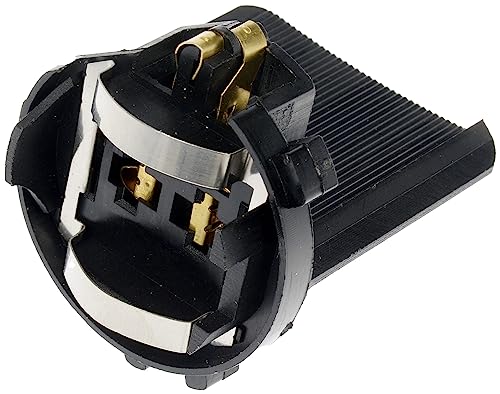
A common first-timer mistake is buying the bulb first and checking the socket later. If the old bulb failed because the connector is overheated, the new bulb will not fix the headlight. Inspect the housing, connector, and mounting points before you pay for the wrong part.
When a full headlight assembly may cost less in the long run
If the housing is cloudy, cracked, or full of moisture, a full assembly can make more sense than repeated bulb swaps. This is especially true when access is poor and the labor to reopen the front of the car is already high. In that situation, the repair may be more than a bulb change, but fewer repeat visits can offset the extra parts cost.
Frequently asked questions
How much does it cost to replace a headlight bulb?
Headlight bulb replacement usually costs between $20 and $440, depending on bulb type, access, and labor rate. Many drivers land between $50 and $150 for a straightforward repair. Halogen jobs are usually cheapest, while HID and LED replacements can move the total higher.
Why do headlight bulb replacement costs vary so much?
Costs vary because the part price, fitment, and labor time are not the same across vehicles. A simple hood-access halogen bulb can be quick, while a bumper-off or module-based LED job takes much longer. Labor rates also differ by market, which changes the final bill.
Can I replace a headlight bulb myself?
Yes, many vehicles allow DIY replacement if the bulb is easy to reach and the manual shows direct access. The basic tool list is short: a 1/4-inch ratchet, a 5/16-inch socket, gloves, and a headlamp or flashlight. If the job needs major disassembly, a shop is often the safer choice.
Should I replace both headlight bulbs at the same time?
Replacing both bulbs is often recommended because it helps keep brightness even and can prevent a second repair soon after. The same source says experts advise changing bulbs in pairs. If one bulb is new and the other is not, a single-side repair can still make sense.
How much does labor add to headlight bulb replacement?
Labor can add a small amount on easy jobs or most of the total on hard ones. That spread is why access can matter as much as the bulb itself.
Why is one headlight bulb harder to access than the other?
One side is often blocked by the battery, air intake, washer bottle, or other engine-bay parts. iFixit says the 2018 Dodge Charger driver’s side bulb requires removing the air intake. That is why the same bulb type can cost more on one side than the other.
Products related to this article
Sponsored / affiliate links. As an Amazon Associate I earn from qualifying purchases. I may earn additional commission from eligible campaigns.