How Often Should You Check Car Oil? Get the Answer Here
Figuring out How Often Should You Check Car Oil? can be tricky when you’re starting. There’s a lot of talk about different car types and driving habits. Don’t worry, though! It’s easier than you might think. This post will give you a simple, step-by-step guide to keep your car running smoothly. We’ll explore the best practices so you’ll know exactly what to do. Let’s get started!
What Checking Your Car Oil Is All About
Checking your car’s oil is super important for keeping it running well. Oil is like the blood of your car’s engine. It helps all the moving parts slide smoothly and prevents them from wearing down quickly. Without oil, the engine could get too hot and break. It’s a simple thing to do, but it makes a big difference in how long your car lasts and how well it runs. We’re going to explore all the reasons why this is a good habit to pick up.
Why Oil Matters for Your Engine
Engine oil has a few main jobs to keep your car running. First, it lubricates the engine parts. When the engine runs, many metal parts move against each other really fast. Oil creates a slippery layer between them, reducing friction and wear. This helps the engine run smoothly and prevents damage. Second, oil cools the engine. As the engine runs, it gets very hot. Oil helps to absorb some of this heat and carry it away. This stops the engine from overheating. Lastly, oil cleans the engine. It picks up dirt, tiny metal bits, and other junk that can build up inside the engine. It carries these things to the oil filter, which traps them, so they don’t damage the engine. So, fresh oil is like giving your car’s engine a good cleaning and protecting it from damage.
- Lubrication: Oil reduces friction between engine parts. Think of it like adding soap to a stuck drawer – it helps things move easier.
- Cooling: Oil absorbs heat, preventing the engine from overheating. This is important on hot days or during long drives.
- Cleaning: Oil traps dirt and debris. This keeps the engine parts clean and working well.
- Sealing: Oil helps create a seal between the pistons and the cylinder walls, which is crucial for combustion. This ensures the engine has the power needed.
- Corrosion Prevention: Oil helps to stop rust and corrosion from forming inside the engine. This makes the engine last longer.
A recent study found that nearly 60% of vehicle breakdowns are related to engine problems caused by lack of maintenance. This shows how important it is to keep up with things like checking and changing your oil. This simple habit can save you money and headaches down the road. Another study suggests that regularly checking and changing oil can extend an engine’s lifespan by up to 20%.
What Happens If You Don’t Check Oil?
If you don’t check your car’s oil regularly, problems can start to show up. The most obvious problem is that your engine might not have enough oil. This can lead to serious damage to the engine’s parts. Friction causes the parts to wear out quickly. This can lead to a complete engine failure, which is very costly to fix. Another problem is that the oil can get old and dirty. Dirty oil doesn’t lubricate as well, and it can clog up the oil filter. This also causes engine damage. In extreme cases, your engine might even seize up, meaning it stops working entirely. So, checking your oil is a simple way to prevent major car problems.
- Increased Friction: Without enough oil, engine parts rub together, leading to friction and heat. Think of two pieces of metal rubbing without any grease.
- Engine Overheating: Oil helps cool the engine. Less oil means less cooling, and that means overheating. This is why you should always keep the coolant level topped up too.
- Accelerated Wear and Tear: Lack of lubrication wears down parts faster. This can mean early engine failure. Replacing your engine is expensive!
- Reduced Performance: The engine struggles to operate efficiently. This can result in poor gas mileage and a loss of power.
- Potential for Major Repairs: If things get really bad, you could face costly engine repairs or even complete engine replacement. This might be more expensive than the car itself.
Here’s a real-life example. Imagine a driver who never checked their oil. The engine began to make strange noises and lose power. Eventually, the engine seized up completely, requiring a full engine replacement. This cost the driver thousands of dollars. The simple action of regularly checking oil could have prevented this situation. Remember to keep an eye on your car’s warning lights too. If the oil light comes on, it is a clear sign that you need to check the oil levels immediately.
How Often Should You Check Car Oil?
The frequency with which you check your car oil depends on a few things. These include your car’s age, how you drive, and the type of oil you use. New cars often need less frequent checks, while older cars might need more. If you drive a lot, especially in tough conditions, you’ll want to check more often. Also, the type of oil you use plays a role, with synthetic oil sometimes requiring less frequent checks. Let’s explore these factors in detail.
General Recommendations for Oil Checks
A good starting point is to check your car oil every month, or every time you fill up your gas tank. This is a simple habit. It only takes a few minutes, but it can catch potential problems early. If you drive a lot, like if you commute for work or take long road trips, you might want to check it even more often, perhaps every two weeks. When you check, you’re looking to make sure the oil level is within the correct range, and the oil itself isn’t too dirty or dark. Checking oil isn’t something you do once a year. It is something you make a habit of, like brushing your teeth. It’s better to check and know everything is fine than to wait until a problem shows up.
- Monthly Checks: Checking your oil every month is a good general guideline for most cars. This allows you to catch any drops in oil level or changes in oil quality.
- Every Gas Fill-Up: Some people find it easy to check their oil every time they fill up their gas tank. This makes it part of your normal routine.
- Before Long Trips: If you are planning a long road trip, check your oil before you go. This can help to avoid trouble while you’re far from home.
- When Warning Lights Appear: If your car’s oil pressure warning light comes on, check your oil level immediately.
- When Oil Changes Are Due: When you get your oil changed, your mechanic will check the oil level. Keep an eye on the oil level until your next oil change.
Statistics show that regularly checking oil can significantly reduce the risk of engine failure. Some studies show that following these basic guidelines can reduce the likelihood of engine repairs by up to 30%. Remember, preventative action is always better than emergency action. Keeping a log of your oil checks can help you get to know how your car behaves. This can help you to detect any changes or problems early on.
Factors That Impact How Often You Should Check
Several things can change how often you need to check your oil. The age of your car is a big one. Older cars might burn or leak more oil than newer ones. This is due to wear and tear on the engine parts. The way you drive matters too. If you do a lot of stop-and-go driving, or if you drive in extreme temperatures, your oil might break down faster. Also, the type of oil you use has a role. Synthetic oils often last longer and don’t need checking as frequently as conventional oils. So, think about these factors to figure out the right checking schedule for your car.
- Car Age: Older cars often need more frequent checks due to the engine wearing down. Always check your owner’s manual for recommended maintenance.
- Driving Conditions: Harsh conditions, like driving in extreme heat or cold, or in dusty environments, can affect how quickly your oil degrades.
- Driving Style: Frequent stop-and-go driving or towing heavy loads puts more strain on the engine and oil.
- Oil Type: Synthetic oils often last longer and perform better than conventional oils, potentially reducing the frequency of checks.
- Oil Leaks: If your car has any oil leaks, you will need to check the oil more often. This will help you catch any drops in oil level.
Consider two different drivers: Driver A uses a new car and mostly drives on the highway. Driver B has an older car and drives in city traffic. Driver A might be able to check their oil less often, maybe every month. Driver B might need to check it more often, such as every two weeks. These differences show that it is best to personalize your oil checking schedule to your own driving needs. Your owner’s manual will tell you how often the manufacturer thinks you need to change your oil. This advice is a good starting place, but you might need to adjust it.
Step-by-Step Guide to Checking Your Car Oil
Checking your car oil is simple, once you know how. The process involves a few steps, but it’s easy to learn. All you need are a few minutes and some basic tools. You don’t need any special mechanical skills. This section will walk you through the process, from finding the dipstick to reading the oil level. Following these steps can help keep your car running smoothly.
Gather Your Supplies and Prep the Car
Before you start, you’ll need a few things. You’ll need a clean rag or paper towel to wipe the dipstick. You will also need your car owner’s manual. This tells you what type of oil your car uses and what the oil level should be. Then, park your car on a flat surface and turn off the engine. Let the engine cool down for a few minutes. This is because the oil is hot and can splash. Locating the dipstick is often the hardest part. The oil dipstick usually has a brightly colored handle. It may say “oil” on it. It’s usually easy to find if you look around the engine. Once you have everything ready, you can start the process.
- Clean Rag or Paper Towel: Essential for wiping the dipstick. Keep it handy to avoid getting oil on your hands.
- Car Owner’s Manual: Crucial for knowing the correct oil type and how to read the dipstick. Consult the manual to ensure accuracy.
- Level Ground: Park the car on a flat surface to get an accurate reading. This allows the oil to settle properly.
- Engine Cool-Down: Wait a few minutes after turning off the engine to let the oil settle. This prevents burns and gives you a more accurate reading.
- Gloves (Optional): If you don’t want to get oil on your hands. This is especially helpful if you’re working on your car frequently.
Here’s an example. Let’s say you’re about to check your oil. You have your clean rag, your owner’s manual, and your car is parked on your driveway. You know where your oil dipstick is, and the engine has had time to cool down. You’re ready to start. If you’ve never checked your car oil before, don’t worry! Take your time, and you’ll find it’s a straightforward process.
Finding and Using the Dipstick
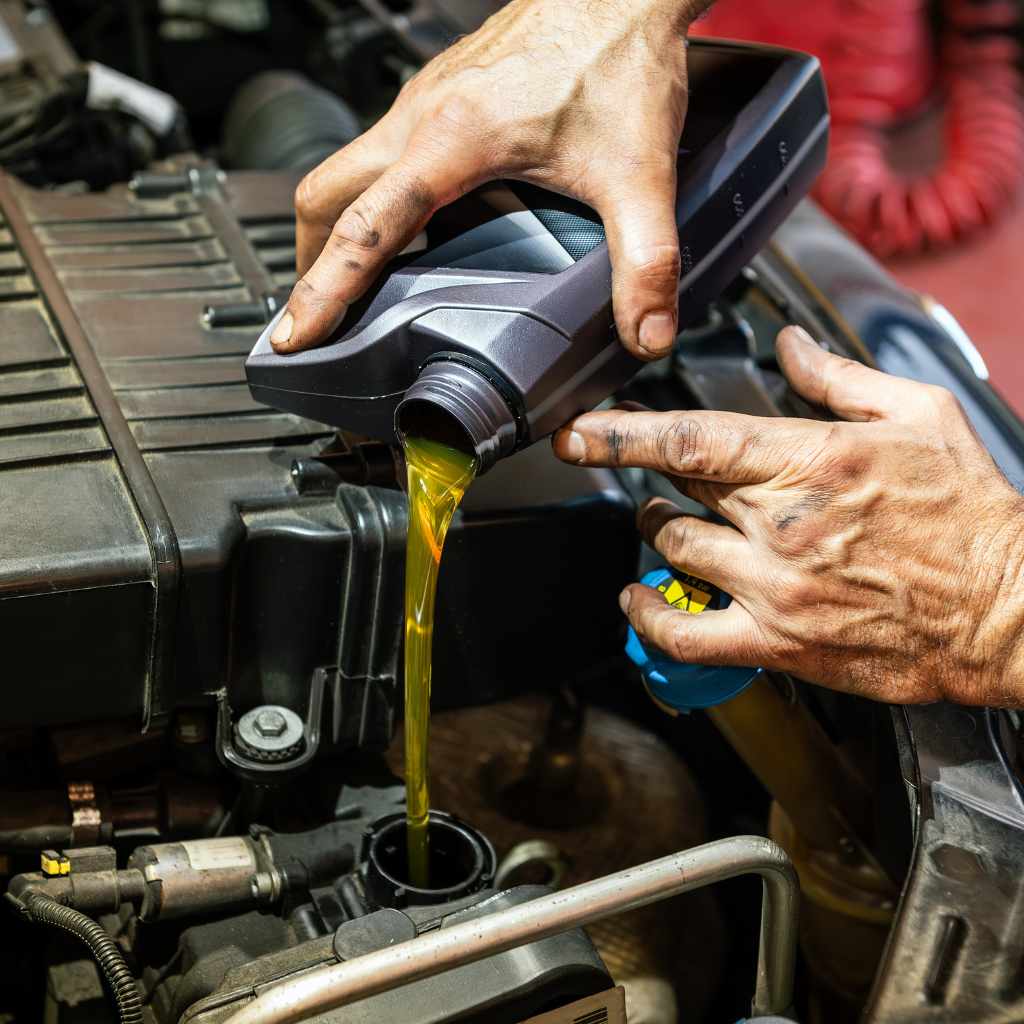
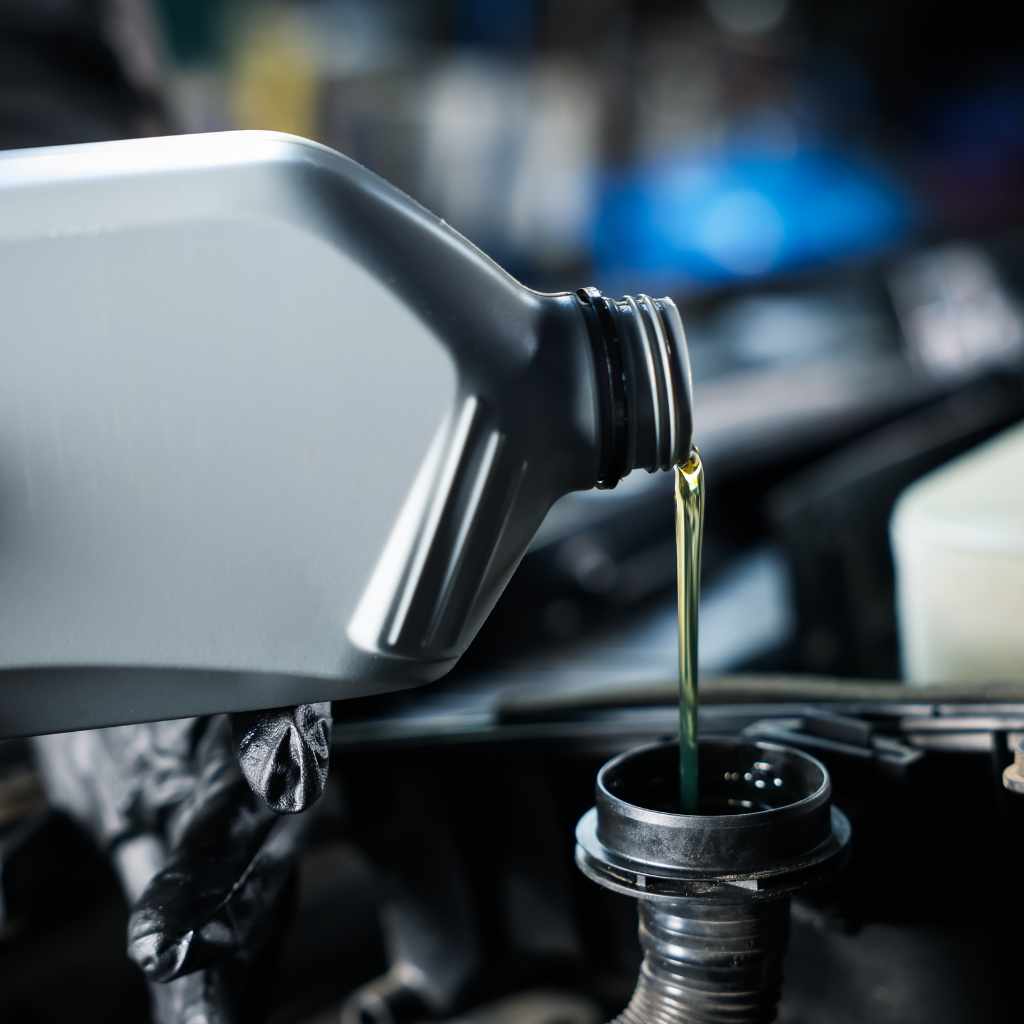
Once your car is prepped, find the dipstick. It’s usually near the engine. Pull the dipstick out, and wipe it clean with the rag or paper towel. Then, insert the dipstick back into its tube all the way. Pull it out again, and look at the oil level. Most dipsticks have marks, like “MIN” and “MAX”, or they have a cross-hatched area. The oil level should be between these marks. If it’s near the “MIN” mark, you’ll need to add oil. Check your owner’s manual for the correct type of oil. Add the oil slowly, checking the dipstick again after adding a little bit. Repeat this until the oil level is correct. Then, put the dipstick back in its place.
- Locate the Dipstick: It usually has a bright-colored handle. Check your owner’s manual if you can’t find it.
- Remove and Wipe: Pull out the dipstick, wipe it clean. This removes any old oil for a clear reading.
- Reinsert Fully: Put the dipstick back in all the way. This gives you a true reading of the current oil level.
- Check the Oil Level: Pull the dipstick out again and look at the oil level. Make sure it is between the MIN and MAX marks.
- Add Oil If Necessary: If the oil is low, add the correct type of oil slowly, checking the dipstick until the level is correct. Always follow your car’s manual.
Imagine you pull out the dipstick and see that the oil level is very low, near the “MIN” mark. You would then add oil. Slowly pour oil in until the dipstick reading is within the correct range. This simple action can save you from engine damage and costly repairs. If you have any doubts or questions, always consult a trusted mechanic. Your car’s manual is your best guide.
Other Important Oil Considerations
Besides checking the oil level, there are other important things to keep in mind about car oil. These things can help to keep your car running great for a long time. These include the right type of oil for your car. Another is knowing when to change your oil. Let’s explore these important details.
Selecting the Right Oil Type
Choosing the correct oil for your car is important. Using the wrong oil can damage your engine. Your car’s owner’s manual tells you what type of oil your car needs. There are three main types of engine oil: conventional, synthetic, and synthetic blends. Conventional oil is the basic type, made from refined crude oil. Synthetic oil is made through a more complex process and offers better performance and protection, especially in extreme temperatures.
Synthetic blends combine the benefits of both types. You should also check the oil’s viscosity. This tells you how thick the oil is. Your owner’s manual will tell you the correct viscosity to use. Getting this right is very important.
- Consult Your Owner’s Manual: This is the most important step! Your manual tells you the exact type and viscosity of oil your car needs.
- Conventional Oil: This is the most basic and usually cheapest type. It’s suitable for older cars and normal driving conditions.
- Synthetic Oil: Provides better protection and performance, especially in extreme conditions. It’s often recommended for newer cars.
- Synthetic Blends: These combine conventional and synthetic oils. This offers a good balance of cost and performance.
- Oil Viscosity: Check the viscosity rating (e.g., 5W-30) specified in your owner’s manual. The numbers describe how thick the oil is at different temperatures.
For example, if your manual suggests 5W-30 oil, you shouldn’t use a different viscosity. This could cause problems with how your engine works. Always check the labels on the oil containers to confirm the type and viscosity. Choosing the right oil for your car is key for getting the best performance and keeping your car running for a long time. Many cars need synthetic oil for the best performance. In fact, most newer cars come from the factory with synthetic oil.
Knowing When to Change Your Oil
It’s important to know when to change your oil. While checking your oil is something you do regularly, changing it is done less often. Usually, you’ll change your oil every 3,000 to 5,000 miles, or every six months. If you drive in tough conditions, you might need to change it more often. Many newer cars can go longer between oil changes, sometimes 7,500 to 10,000 miles. Again, your owner’s manual has the best advice. Also, the oil filter should be changed whenever you change your oil. This is because the filter collects all the dirt and debris.
When changing your oil, make sure you take it to a place that recycles the used oil. This helps the environment. Then, you can drive with confidence, knowing you’re doing your part to care for your car.
- Mileage Intervals: The general rule is to change your oil every 3,000 to 5,000 miles. Always check your car’s manual.
- Time Intervals: Even if you don’t drive much, change your oil at least every six months. Oil breaks down over time.
- Severe Driving Conditions: If you drive in dusty environments, make short trips, or tow heavy loads, you might need to change your oil more often.
- Oil Filter: Always change the oil filter when you change the oil. This keeps your engine clean.
- Check the Oil Condition: Look at the color and the consistency of the oil. If it’s very dark or thick, it’s time to change it.
Here’s a comparison. A car driven mostly on highways might be able to go 7,500 miles between oil changes. A car used for short trips in the city might need an oil change every 3,000 miles. Always pay attention to your car’s specific needs. If you’re unsure, it is best to err on the side of caution and change it sooner. The costs of changing oil are nothing compared to the possible costs of engine repairs. Your oil change is a great opportunity to check other things about your car, like the tires and brakes.
| Oil Type | Typical Change Interval | Benefits | Considerations |
|---|---|---|---|
| Conventional | 3,000-5,000 miles | Lower cost, good for basic use | May not perform well in extreme conditions |
| Synthetic Blend | 5,000-7,500 miles | Combines benefits, better than conventional | Still not as good as full synthetic |
| Full Synthetic | 7,500-10,000 miles | Best protection, performs well in all conditions | Higher initial cost |
Frequently Asked Questions
Question: How often should I check the oil in a new car?
Answer: For most new cars, checking the oil once a month or every gas fill-up is usually sufficient. Always refer to your car’s owner’s manual for specific recommendations.
Question: What does it mean if my oil is black?
Answer: Dark or black oil usually means it’s full of contaminants and needs to be changed. It is a sign that the oil is doing its job of cleaning your engine.
Question: Can I add any oil to my car?
Answer: No. Always use the type of oil recommended in your owner’s manual, and check that it has the correct viscosity for your car’s engine.
Question: What do the marks on the dipstick mean?
Answer: The marks on the dipstick show the correct range for your oil level. The oil level should be between the minimum (MIN) and maximum (MAX) marks.
Question: What happens if I overfill the oil?
Answer: Overfilling your oil can cause damage to your engine. Too much oil can cause pressure buildup and cause leaks or damage to internal engine parts.
Final Thoughts
Regularly checking your car oil is a simple but important part of car maintenance. It helps keep your engine running smoothly and can save you from costly repairs down the road. Checking the oil monthly, or every time you fill up your gas tank, is a good habit to get into. Remember to use the correct type of oil and to change it at the intervals recommended in your owner’s manual. By understanding the importance of oil and following these simple steps, you can help protect your vehicle. Make checking your car oil a regular part of your routine. It is a straightforward way to keep your car in great shape.