How Often Should You Replace a Car Battery?
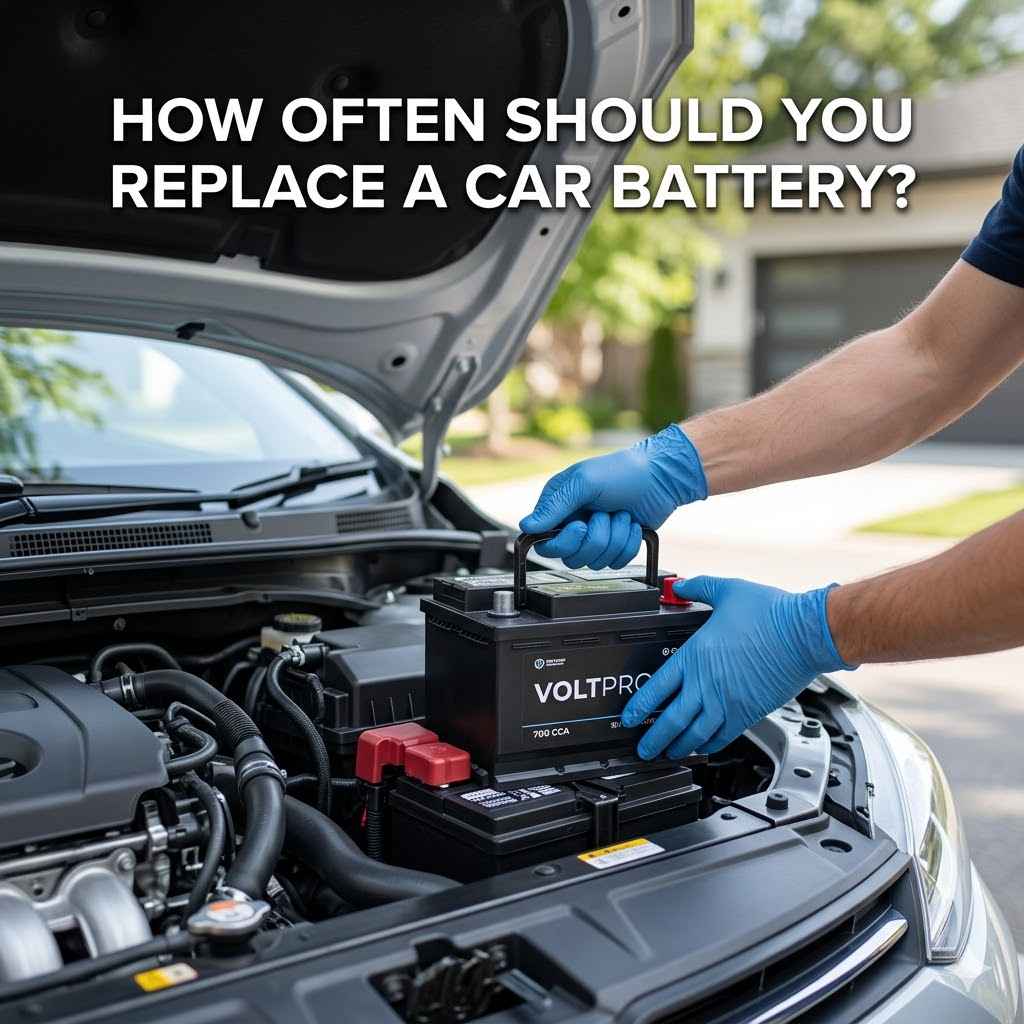
Keeping your car running smoothly is super important, and a big part of that is your car’s battery. For new drivers or anyone not super familiar with car care, knowing precisely How Often Should You
Understanding Car Battery Lifespan
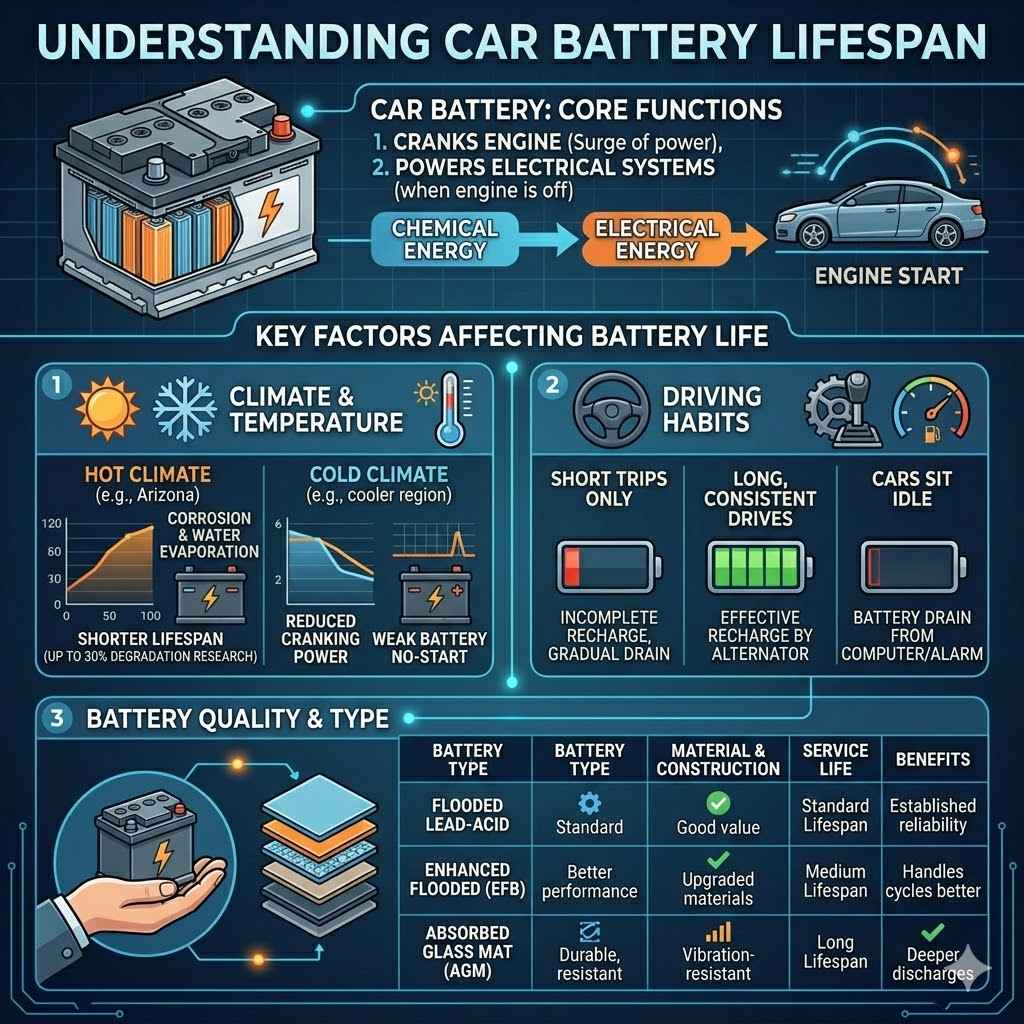
A car battery is a key component that starts your engine and powers your car’s electrical systems when the engine is off. It stores chemical energy and converts it into electrical energy. When you turn the key, the battery releases a surge of power to crank the engine. After that, the alternator takes over, supplying electricity to the car’s systems and recharging the battery. The lifespan of a car battery isn’t fixed and depends on several factors, making it a common point of confusion for many car owners. Understanding these factors is crucial for proper maintenance.
Factors Affecting Battery Life
Many things can influence how long your car battery will last. Things like the climate you live in, how much you drive your car, and even the quality of the battery itself play a role. Extreme temperatures, both hot and cold, can really put a strain on a battery. Hot weather can cause the battery fluid to evaporate faster, while cold weather can make it harder for the battery to deliver power.
Climate and Temperature
Extreme weather conditions can significantly shorten a car battery’s life. High temperatures cause internal corrosion and water loss, reducing the battery’s capacity and efficiency. For example, a battery in a hot climate like Arizona might degrade faster than one in a cooler region. Cold temperatures reduce the battery’s cranking power, making it more difficult to start the engine. In very cold weather, a weak battery might not have enough juice to turn the engine over, leading to a no-start situation. According to research from battery manufacturers, extreme heat can cut a battery’s lifespan by up to 30%.
Driving Habits
How you use your car also matters. If you only take short trips, your battery might not get fully recharged by the alternator. This can lead to a gradual drain and premature battery failure. Cars that sit idle for long periods without being driven can also experience battery drain, especially if there are small electrical draws from the car’s computer or alarm system. Consistent, longer drives allow the alternator to effectively recharge the battery, maintaining its health.
Battery Quality and Type
Not all car batteries are created equal. Higher-quality batteries from reputable brands often use better materials and construction, leading to a longer service life. There are also different types of batteries, such as flooded lead-acid, enhanced flooded batteries (EFB), and absorbed glass mat (AGM) batteries. AGM batteries, for instance, are generally more durable, vibration-resistant, and can handle deeper discharges, often lasting longer than standard flooded batteries.
Typical Car Battery Lifespan and When to Replace
For most car owners, the question “How Often Should You Replace a Car Battery?” boils down to a general expectation, but it’s wise to know the signs. Typically, a car battery lasts between three to five years. However, this is just an average. Some batteries might die sooner, while others can soldier on for six years or more. It’s important to pay attention to your car’s performance and listen for warning signs.
Signs Your Car Battery Needs Replacing
Your car will often give you hints when its battery is on its last legs. Ignoring these signs can leave you stranded.
Slow Engine Crank
When you turn the ignition key, if the engine cranks slowly or struggles to start, it’s a classic sign of a weak battery. The battery might not have enough power to turn the engine over as quickly as it should. This is often one of the first noticeable symptoms.
Dim Lights or Electrical Issues
If your headlights seem dimmer than usual, or if other electrical components like the radio or power windows are acting up, it could indicate a battery problem. The battery provides power to these systems, and a failing one struggles to keep up with demand.
Corrosion on Battery Terminals
You might see a powdery, bluish-white or greenish substance on the metal posts (terminals) of your battery. This is called corrosion. While some minor corrosion can be cleaned, excessive corrosion can interfere with the electrical connection and indicate that the battery is leaking or has internal issues.
The Battery Warning Light Illuminates
Modern cars have a dashboard warning light that looks like a battery. If this light comes on, it means there’s an issue with the charging system or the battery itself. Don’t ignore this indicator; it’s a direct alert from your car’s computer.
An Old Battery
If your battery is already three or four years old, it’s a good idea to start thinking about replacement, even if you aren’t seeing any immediate symptoms. This proactive approach can prevent unexpected breakdowns.
Average Lifespan by Battery Type and Climate
The lifespan of a car battery can vary quite a bit based on its type and where you live. For example, a standard flooded lead-acid battery in a moderate climate might last around 3-5 years. However, in a very hot climate, this lifespan could be reduced to 2-3 years.
Flooded Lead-Acid Batteries
These are the most common and typically the least expensive type. They generally offer a lifespan of 3-5 years. In hot climates, this can drop to 2-3 years. In very cold climates, while they might last the full 3-5 years, their performance in starting the car might be noticeably weaker during the winter months.
AGM Batteries
Absorbed Glass Mat (AGM) batteries are designed for modern vehicles with more electrical demands, like those with start-stop technology. They are more durable and can withstand deeper discharges. Their typical lifespan is often 5-8 years, and they handle temperature extremes better than flooded batteries, potentially lasting longer in hot regions than their conventional counterparts.
EFB Batteries
Enhanced Flooded Batteries (EFB) are a step up from standard flooded batteries and are often used in vehicles with basic start-stop systems. They offer a lifespan of around 4-6 years and provide better performance and durability in moderate temperature fluctuations compared to standard flooded batteries.
A survey of automotive service centers found that approximately 65% of battery
Testing Your Car Battery
Before you decide to replace your car battery, it’s a good idea to test it. This helps confirm if the battery is indeed the problem or if something else might be going on.
How to Test a Car Battery
You can test your car battery yourself with a multimeter or take it to an auto parts store or mechanic who can perform a load test.
Using a Multimeter
A multimeter is a tool that measures voltage. With your car turned off, connect the red (positive) lead of the multimeter to the positive terminal of the battery and the black (negative) lead to the negative terminal.
The voltage reading should typically be around 12.6 volts or higher when the car is off. A reading below 12.4 volts indicates the battery is not fully charged or is starting to weaken.
Performing a Load Test
A load test is more accurate as it simulates the battery’s performance when it’s under load, like when starting the engine. This test is usually done by professionals at an auto parts store or repair shop. They use a specialized machine that applies a heavy load to the battery and measures its voltage output.
If the voltage drops significantly during the load test, the battery is likely failing. Many auto parts stores offer this service for free.
Interpreting Test Results
Once you have the test results, you can make a more informed decision.
If the voltage is consistently low or drops dramatically during a load test, it’s a strong indication that the battery needs to be
Replacing Your Car Battery
If you’ve determined that your car battery needs to be
DIY Battery Replacement
Replacing a car battery is a relatively straightforward process for most vehicles. However, it’s essential to follow safety precautions.
Gather Your Tools
You will need a wrench (usually 10mm or 13mm) to loosen the terminal clamps, and possibly a socket wrench or pliers to remove the battery hold-down bracket. Safety glasses and gloves are also recommended.
Locate and Disconnect the Battery
The battery is usually found under the hood, but in some cars, it might be in the trunk or under a seat. Once found, always disconnect the negative terminal first (the one with the minus sign or black cable) to prevent short circuits. Then, disconnect the positive terminal (the one with the plus sign or red cable).
Remove the Old Battery
After disconnecting the terminals, you’ll need to remove the battery’s hold-down bracket. This is a clamp or brace that secures the battery in place. Once removed, carefully lift the old battery out. Batteries are heavy, so be mindful of your back.
Install the New Battery
Place the new battery in the tray, ensuring it is oriented correctly. Reinstall the hold-down bracket to secure it firmly. Then, connect the positive terminal first (red cable) and tighten it, followed by the negative terminal (black cable). Ensure both connections are snug.
Start Your Car
Once everything is connected and secured, start your car. It should start up normally. If you have issues, double-check the connections. Many cars may need to have their radio presets or clock reset after a battery change.
When to Seek Professional Help
If you’re not comfortable working with car batteries, or if your car has a more complex battery system (like in some hybrid or electric vehicles), it’s best to let a professional handle the replacement.
Complex Battery Systems
Some newer vehicles, especially hybrids and electric cars, have specialized battery systems that require specific knowledge and tools. Attempting to replace these yourself can be dangerous and may void your warranty.
Safety Concerns
Car batteries contain sulfuric acid and can release explosive gases. If you are unsure about safety procedures, it’s always safer to entrust the job to experienced technicians.
Warranty Considerations
If your car is still under warranty, it might be required to have certain maintenance and repairs, including battery replacement, performed by an authorized dealer or certified mechanic to keep the warranty valid.
Understanding Car Battery Warranties
When you buy a new car battery, it usually comes with a warranty. This warranty is your protection against defects and premature failure.
What a Warranty Covers
Most car battery warranties cover manufacturing defects and issues that cause the battery to fail prematurely. These warranties typically have two parts: a free replacement period and a pro-rated period.
Free Replacement Period
This is the initial period, often 1 to 3 years, during which if the battery fails due to a defect, it will be
Pro-Rated Period
After the free replacement period ends, the warranty becomes pro-rated. If the battery fails during this time (which could be another 1 to 4 years, depending on the battery), you can get a replacement battery, but you’ll have to pay a portion of the new battery’s cost based on how old your old battery was.
Making a Warranty Claim
To make a warranty claim, you’ll usually need your original purchase receipt and the warranty information that came with the battery. If the battery fails, take it back to where you purchased it or to an authorized service center. They will test the battery to confirm the issue and then assist you with the claim. It’s important to keep all your documentation organized.
Factors That Void a Car Battery Warranty
While warranties offer peace of mind, certain actions or conditions can void them.
Improper Installation
If the battery is installed incorrectly, leading to damage, the warranty may be voided. This includes issues like overtightening terminals, causing corrosion, or not securing the battery properly.
Physical Damage
Dropping the battery, physical impacts, or signs of tampering will typically void the warranty.
Neglect or Abuse
Allowing the battery to become deeply discharged repeatedly or not maintaining proper electrolyte levels (in non-sealed batteries) can lead to premature failure that might not be covered.
Use in Wrong Application
Using a battery designed for a passenger car in a heavy-duty truck or other application it wasn’t intended for can also void the warranty.
Car Battery Maintenance Tips
Proper care can extend the life of your car battery and help you avoid needing to answer How Often Should You Replace a Car Battery? too soon.
Regular Cleaning and Inspection
Keeping the battery terminals clean is essential.
Clean Terminals
Periodically inspect the battery terminals for any signs of corrosion. If you see any, you can clean them using a wire brush and a mixture of baking soda and water. Always wear gloves and eye protection.
Check for Damage
Look for any cracks or leaks in the battery casing. If you notice any damage, the battery should be replaced immediately.
Ensuring Proper Connections
Loose battery terminals can cause electrical problems and prevent the battery from charging properly.
Secure Connections
Ensure that the battery cables are tightly connected to the terminals. A loose connection can lead to intermittent power loss or starting issues.
Addressing Battery Drain Issues
If your car is sitting for extended periods, consider using a battery tender.
Battery Tender Use
A battery tender is a small device that maintains a battery’s charge without overcharging it. This is ideal for vehicles that are not driven regularly, preventing the battery from draining too deeply.
Identify Parasitic Drains
If your battery keeps dying even when the car is off, there might be a “parasitic drain” – an electrical component that is drawing power when it shouldn’t be. A mechanic can help diagnose and fix these issues.
The Environmental Impact of Car Batteries
When it’s time to replace a car battery, proper disposal and recycling are important for environmental reasons.
Recycling Car Batteries
Lead-acid car batteries are highly recyclable.
Recycling Process
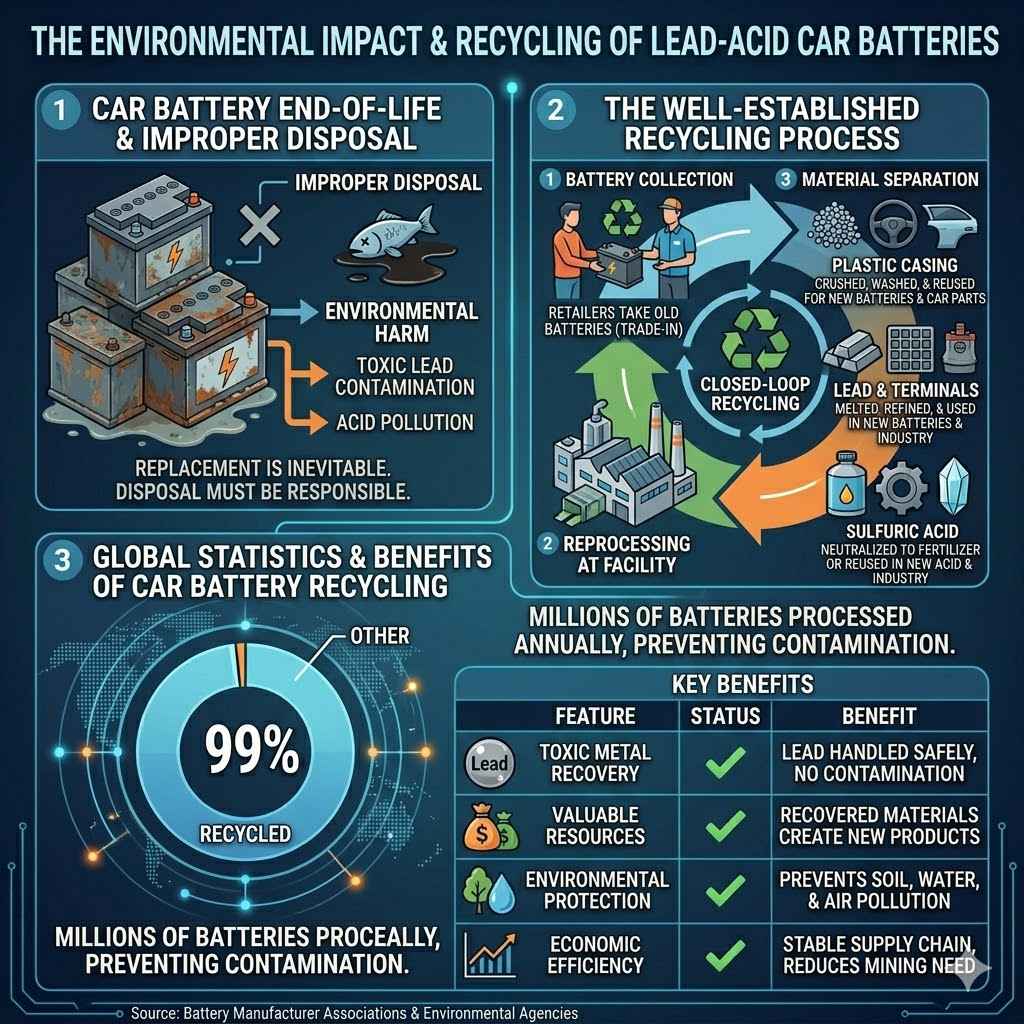
When you purchase a new battery, most retailers will take your old battery for recycling. The lead, plastic, and acid can all be reprocessed and reused. This is a well-established and effective recycling program.
Why Recycle?
Lead is a toxic metal, and improper disposal can harm the environment. Recycling ensures that hazardous materials are handled safely and valuable resources are recovered.
Statistics on Car Battery Recycling
The recycling rate for lead-acid car batteries in the United States is remarkably high.
High Recycling Rate
Over 99% of lead-acid batteries are recycled. This makes them one of the most recycled consumer products. Each year, millions of batteries are collected and processed, preventing significant environmental contamination.
Frequently Asked Questions
Question: How long does a car battery typically last?
Answer: A car battery typically lasts between three and five years, but this can vary based on climate, driving habits, and battery quality.
Question: What are the main signs that a car battery needs to be replaced?
Answer: Signs include a slow engine crank, dim headlights, corrosion on terminals, and the battery warning light illuminating on the dashboard.
Question: Can extreme temperatures affect battery life?
Answer: Yes, both very hot and very cold temperatures can significantly shorten a car battery’s lifespan and reduce its performance.
Question: Is it okay to drive with a weak car battery?
Answer: It’s not recommended to drive regularly with a weak battery, as it can lead to unexpected breakdowns and may put extra strain on other car components.
Question: Where can I get my car battery tested?
Answer: You can test your car battery yourself with a multimeter, or take it to most auto parts stores or a mechanic who can perform a load test.
Conclusion
Knowing How Often Should You Replace a Car Battery? is about watching for signs and understanding its lifespan. Most batteries last 3-5 years, but climate and usage matter. Watch for slow cranking or dim lights. Test your battery if you’re unsure. Replacing it yourself is doable, but professionals are there if you need them. Properly recycling old batteries is vital for the environment. Keep these tips in mind to keep your car starting strong.