How to Open a Locked Car Door: A Comprehensive Guide
Hey there! So, you’ve locked yourself out of your car, haven’t you? Don’t worry, I’ve been there too, standing in a parking lot, staring at my keys on the driver’s seat, feeling a mix of frustration and panic. It’s one of those moments that makes you wish you had a superpower—or at least a spare key tucked away somewhere. But here’s the good news: there are several ways to open a locked car door, and I’m going to walk you through them step by step. Whether you’re dealing with a manual lock, a modern keyless system, or even a broken key fob, I’ve got you covered with practical solutions that I’ve explored myself over the years. This guide is designed to help you get back into your car safely and efficiently, without causing damage or breaking the bank. Let’s dive in and tackle this problem together!
Understanding Why Car Doors Lock Unexpectedly
Before we get into the how-to, let’s talk about why car doors lock in the first place. It’s happened to all of us—you step out to grab something from the trunk, and click, the car locks itself. Most modern cars have auto-locking features designed for safety. If you leave the key fob inside or walk away with it in your pocket, the car might lock to prevent theft. Older models, on the other hand, might lock if you accidentally hit the lock button while closing the door. Sometimes, it’s just human error—like forgetting to grab the keys before shutting the door.
Then there are those pesky situations like a dead key fob battery, a malfunctioning remote, or even a key that’s stuck or broken in the lock. Knowing the cause can help you choose the right method to get back in. For example, if it’s a dead fob, you might need a different approach than if you’re dealing with a manual lock. I’ve faced both scenarios, and trust me, each one requires a bit of patience and the right technique.
First Things First: Stay Calm and Assess the Situation
Okay, so you’re locked out. The first thing I do in this situation is take a deep breath. Panicking won’t help, and it might lead you to make rash decisions, like smashing a window (which, by the way, is expensive to fix). Instead, check a few things:
- Look for an unlocked door: It sounds obvious, but sometimes the back door or passenger side is still unlocked. I once spent 10 minutes stressing out, only to realize the rear door was open the whole time.
- Check for a spare key: Do you have a spare at home or with a friend? I keep a spare key in a magnetic box hidden under my car for emergencies.
- Confirm the key’s location: Are the keys inside the car, or did you lose them? If they’re inside, you might be able to use a tool to reach the unlock button.
Taking a moment to assess saves time and effort. It’s like when I locked my keys in my old Honda—checking the situation helped me realize I could call a friend with my spare instead of breaking in.
Using a Spare Key or Hidden Key
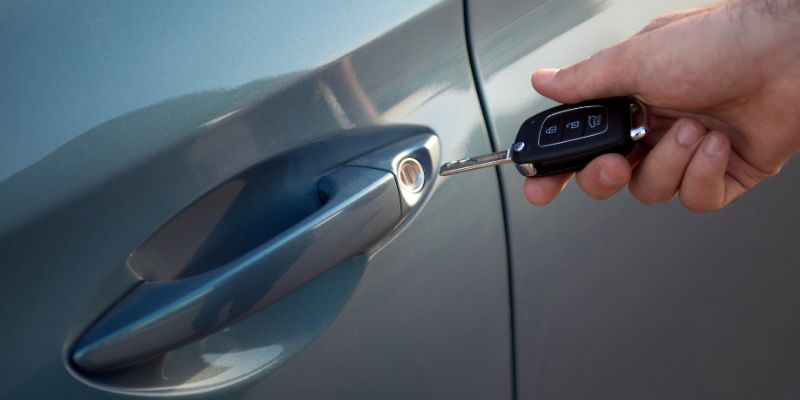
If you’re lucky enough to have a spare key, this is the easiest fix. I always recommend keeping a spare at home or with a trusted friend or family member. Some people even use those magnetic key holders that stick under the car. I’ve used one for years, and it’s a lifesaver. Just make sure it’s well-hidden—under the wheel well or near the bumper, not somewhere obvious like under the mat.
If you don’t have a spare, consider setting one up after this ordeal. It’s a small investment that can save you a lot of hassle. I learned this the hard way after locking myself out twice in one month. Now, I always have a backup plan.
The Coat Hanger Trick for Manual Locks
Now, let’s get into some hands-on solutions. If you’re dealing with an older car that has manual locks (you know, the ones with the little knob you pull up), the coat hanger trick is a classic. I’ve done this a few times on my old pickup truck, and it works like a charm if you’re patient.
Here’s how it goes:
- Find a wire coat hanger: Straighten it out, but leave a small hook at the end. If you don’t have a hanger, a thin piece of metal or even a sturdy stick might work.
- Wedge the window: Use a plastic wedge or even a credit card to gently pry open a small gap between the window and the door frame. Be careful not to damage the weather stripping.
- Fish for the lock: Slide the hanger into the gap and try to hook the lock knob inside the door. It takes some wiggling, but once you catch it, pull up to unlock.
I remember my first time trying this—it felt like I was in a movie, but after a few minutes of fumbling, I got the hang of it. Just be gentle to avoid scratching the car or damaging the lock mechanism.
Using a Slim Jim for Professional-Style Entry
If the coat hanger doesn’t work or you’re feeling a bit more adventurous, a slim jim might be the answer. A slim jim is a thin, flat piece of metal used by locksmiths to unlock car doors. I’ve watched a locksmith use one on my car before, and it’s surprisingly effective for older vehicles with vertical lock mechanisms.
Here’s the process:
- Get a slim jim: You can buy one online or at an auto parts store. In a pinch, a metal ruler might work, but it’s not ideal.
- Insert the slim jim: Slide it between the window and the weather stripping, near the lock.
- Feel for the lock rod: You’re looking for a metal rod inside the door that connects to the lock. Move the slim jim up and down until you feel resistance, then push or pull to unlock.
I’ll be honest—this method takes practice. The first time I tried it, I spent 20 minutes before realizing I was nowhere near the lock rod. If you’re not confident, it might be better to call a professional to avoid damaging the door’s internals.
Unlocking Keyless Entry Systems
Modern cars with keyless entry systems are a bit trickier. If your key fob is dead or locked inside, you might still have options. Many cars have a hidden key slot for emergencies. I found this out when my key fob died during a road trip. Check your car’s manual (or look it up online) to find the slot—usually near the door handle or under a small cover.
If you have the physical key, insert it into the slot to unlock the door manually. If the fob’s battery is dead, try holding it against the door handle. Some cars, like my Toyota, use the fob’s residual signal to unlock even with a low battery. It’s a neat trick that saved me once in a Walmart parking lot.
The Tennis Ball Method for Older Cars
This one sounds like an urban legend, but I’ve seen it work on older cars with a specific type of lock—a button-style lock with a small hole. You’ll need a tennis ball and a drill. Here’s what to do:
- Drill a small hole in the tennis ball: Make it just big enough to fit over the keyhole.
- Place the ball over the keyhole: Hold it tightly against the lock.
- Squeeze the ball: The air pressure can sometimes push the lock mechanism up, unlocking the door.
I tried this on a friend’s old Chevy, and it actually worked, but it’s not foolproof. It only works on certain models, so don’t get your hopes up too high. Plus, you need a tennis ball and a drill, which aren’t always handy.
Calling a Locksmith: The Reliable Option
Sometimes, the DIY methods just don’t cut it. That’s when I call a locksmith. They have the tools and expertise to open your car without damage. I’ve used locksmiths a couple of times, and while it costs anywhere from $50 to $150 depending on the time and location, it’s worth it for peace of mind.
Here’s a quick breakdown of what to expect:
| Service | Cost | Time | Pros | Cons |
|---|---|---|---|---|
| Locksmith | $50–$150 | 15–60 minutes | Professional, no damage | Can be expensive |
| DIY (Coat Hanger) | Free | 10–30 minutes | No cost, quick if skilled | Risk of damage, not always effective |
| Slim Jim | $10–$20 (tool) | 10–20 minutes | Effective for older cars | Requires skill, may not work |
| Tennis Ball | Free (if you have it) | 5–15 minutes | Fun to try, no cost | Rarely works, specific locks |
When choosing a locksmith, make sure they’re reputable. Check reviews online or ask for recommendations. I once called a shady locksmith who quoted me $50 but charged $200 after “extra fees.” Lesson learned—always ask for a quote upfront.
Contacting Your Car Manufacturer or Dealership
If you’re near a dealership or have roadside assistance through your car manufacturer, this can be a great option. Many brands, like Ford or GM, offer lockout services as part of their roadside assistance plans. I’ve used this with my Chevy, and it was a smooth process. Just call the number in your owner’s manual or on the manufacturer’s website, and they’ll send someone out.
The catch? You might need proof of ownership, and it could take a while if you’re in a remote area. Also, if you don’t have roadside assistance, the dealership might charge you. Still, it’s a safe bet if you’re out of other options.
Preventing Future Lockouts
Once you’re back in your car, you’ll want to avoid this hassle in the future. Here are some tips I’ve picked up over the years:
- Keep a spare key: As I mentioned earlier, a spare key is a game-changer. Hide it somewhere safe or give it to someone you trust.
- Check your fob battery: Replace the battery every year or so. I set a reminder on my phone to avoid surprises.
- Use a keychain app: Some cars have apps that let you unlock your car with your phone. My Tesla app has saved me more than once.
- Be mindful when closing doors: Make it a habit to check for your keys before shutting the door. It’s a simple step that’s now second nature to me.
When All Else Fails: Breaking In (Carefully)
I’ll be upfront—this is a last resort. Breaking into your car can cause damage, and it’s not cheap to fix a window. But if you’re in an emergency—like a pet or child locked inside on a hot day—you might have no choice. I’ve never had to do this myself, but I’ve seen it done. If you must, wrap a cloth around a small tool (like a screwdriver) and tap the corner of a window gently until it cracks. Aim for a rear window, as it’s usually cheaper to replace.
Immediately after, call a professional to secure the car and get the window fixed. And please, only do this in a true emergency. The cost and hassle aren’t worth it otherwise.
Conclusion: You’ve Got This!
Getting locked out of your car is never fun, but with the right approach, you can handle it like a pro. Whether you’re fishing for the lock with a coat hanger, calling a locksmith, or using a hidden key, there’s always a way back in. I’ve been through this enough times to know that staying calm and methodical is key. You don’t need to be a mechanic or a locksmith to solve this—just a bit of patience and the right tools. Next time you find yourself staring at your keys through the window, take a deep breath and remember the steps we’ve covered. You’ll be back on the road in no time, and maybe you’ll even have a funny story to tell. Stay prepared, keep a spare key handy, and drive safe!
Frequently Asked Questions
What should I do if I lock my keys in the car?
First, stay calm and check if any other doors are unlocked. If not, try using a spare key if you have one. You can also attempt DIY methods like a coat hanger or slim jim for older cars, but be careful not to damage anything. If those don’t work, call a locksmith or your roadside assistance service.
Can I unlock a modern car with a dead key fob?
Yes, many modern cars have a hidden key slot near the door handle. Check your owner’s manual to find it. You can also try holding the fob against the handle—some cars pick up a weak signal even with a dead battery.
Is it legal to break into my own car?
Yes, it’s legal to break into your own car, but you’ll need to prove ownership if authorities get involved. Avoid this unless it’s an emergency, like a child or pet locked inside, because repairs can be costly.
How much does a locksmith cost to unlock a car?
A locksmith typically charges $50 to $150, depending on the time of day, location, and car type. Always ask for a quote upfront to avoid surprises.
Can I prevent locking myself out of my car?
Absolutely! Keep a spare key in a safe place, check your key fob battery regularly, and make a habit of ensuring you have your keys before closing the door. Some cars also have apps that let you unlock with your phone.