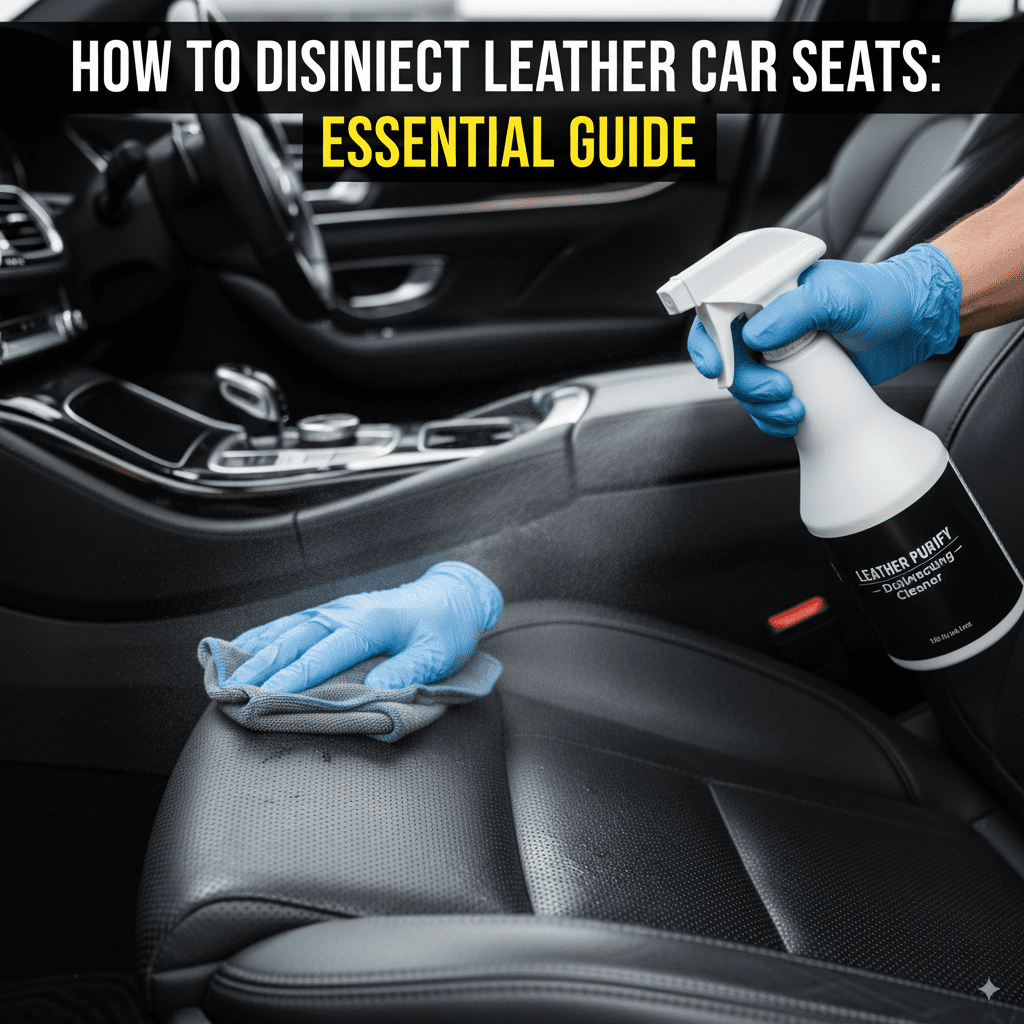
How to Disinfect Leather Car Seats: Essential Guide
Keeping your leather car seats clean and germ-free is simple! Use a pH-neutral leather cleaner and a soft microfiber cloth for regular cleaning, and a mild disinfectant spray or alcohol-based wipe for disinfecting, always testing in an inconspicuous spot first to avoid damage. Proper care ensures a safe and luxurious driving experience.
Leather seats in your car look and feel fantastic, but they can also harbor germs and bacteria, especially after a long trip or if you’ve had passengers. Don’t worry! Keeping them clean and disinfected is easier than you might think. You don’t need to be a car care expert to get the job done.
Many people wonder if they can use harsh chemicals to disinfect their car seats, but that can actually damage the leather. The good news is, with a few simple steps and the right products, you can safely and effectively disinfect your leather car seats, making your car a healthier place for everyone. Let’s dive in and learn how to make your leather seats sparkle and shine, hygienically!
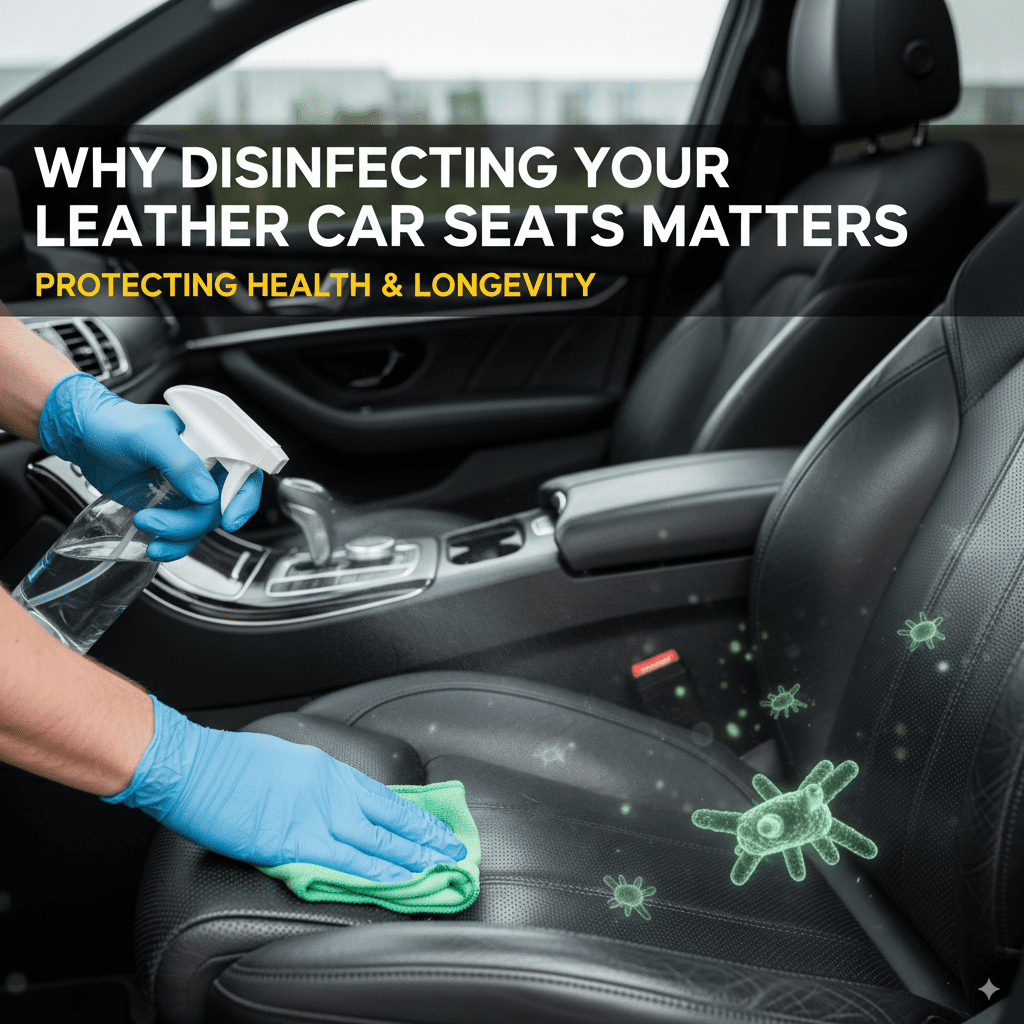
Why Disinfecting Your Leather Car Seats Matters
Think about how much time you spend in your car. It’s a space where you eat, drink, travel with friends and family, and sometimes even pets. All these activities can transfer germs and bacteria to your seats. Especially in today’s world, maintaining a clean and hygienic environment in your vehicle is more important than ever. Leather, being a porous material, can absorb moisture and spills, creating a breeding ground for microbes if not properly cleaned and disinfected.
Regular disinfecting helps:
- Reduce the spread of germs and illnesses.
- Eliminate unpleasant odors caused by bacteria and mold.
- Maintain the appearance and longevity of your leather by preventing the buildup of grime that can lead to premature wear.
Understanding Your Leather Type
Before you start cleaning or disinfecting, it’s crucial to know what type of leather you have. Most modern car seats are made from either:
- Aniline or Semi-Aniline Leather: This is the most natural-looking leather, with minimal protective coating. It’s soft and luxurious but also more sensitive to stains and damage from chemicals.
- Pigmented or Protected Leather: This is the most common type in cars. It has a uniform color and a protective coating, making it more durable and resistant to stains than aniline leather.
To check, try putting a tiny drop of water on an inconspicuous area. If it soaks in quickly, it’s likely aniline or unprotected. If it beads up and stays on the surface, it’s probably pigmented or protected leather. Always err on the side of caution and treat all leather as if it were sensitive until you are certain of its type.
Essential Tools and Supplies You’ll Need
Gathering the right supplies beforehand makes the process smooth and efficient. Here’s what you’ll want to have on hand:
| Item | Description | Why You Need It |
|---|---|---|
| pH-Neutral Leather Cleaner | Specifically designed for automotive leather. Avoid general household cleaners. | Safely removes dirt and grime without stripping natural oils or damaging the leather’s finish. |
| Microfiber Cloths (several) | Soft, lint-free cloths. | Gentle on leather, excellent for cleaning, drying, and applying products without scratching. |
| Leather Conditioner | A quality product to restore moisture and flexibility. | Prevents leather from drying out, cracking, and fading after cleaning. |
| Disinfectant Options: |
|
Kills bacteria and viruses. Must be used carefully and diluted if necessary. |
| Spray Bottle (if diluting) | For mixing water and disinfectant solutions. | Ensures even application and proper dilution ratios. |
| Small Soft Brush or Old Toothbrush | For getting into seams and crevices. | Helps lift dirt from hard-to-reach areas. |
| Vacuum Cleaner with Soft Brush Attachment | Removes loose debris before cleaning, preventing scratches. |
A Note on Disinfectants: Safety First!
- Isopropyl Alcohol (70%): This is a generally safe and effective option for disinfecting leather. It evaporates quickly.
- Diluted Bleach Solution: While effective for disinfecting, bleach can be harsh and cause discoloration on leather. If you must use it, dilute it significantly with water (e.g., 1 part bleach to 10 parts water) and test it thoroughly in a hidden area first. Always wear gloves. Many experts advise avoiding bleach on car leather altogether.
- Commercial Disinfectant Sprays/Wipes: Look for products specifically designed for use on upholstery or even electronics, which often have gentler formulas. Always check the label to ensure it’s safe for leather.
External Authoritative Link: For general cleaning and disinfection guidelines, resources from organizations like the Centers for Disease Control and Prevention (CDC) offer valuable advice on effective disinfecting practices, though always adapt them to your specific car materials. Visit CDC’s Cleaning and Disinfection Recommendations (note: this link is for general guidance, always follow specific car material care instructions).
Step-by-Step Guide: How to Disinfect Leather Car Seats
Let’s get your car’s interior looking and feeling fresh. Follow these steps carefully:
Step 1: Prepare the Area and Remove Debris
Start by removing any trash, floor mats, and personal items from your car. Then, use your vacuum cleaner with the soft brush attachment to gently vacuum all surfaces of the leather seats. Pay attention to seams, crevices, and between the seat cushions to remove loose dirt, crumbs, and dust. This prevents them from being rubbed into the leather during cleaning.
Step 2: Initial Cleaning with Leather Cleaner
It’s important to clean the leather thoroughly before disinfecting. Disinfectants work best on clean surfaces.
- Spray a small amount of pH-neutral leather cleaner directly onto a clean microfiber cloth, not directly onto the leather.
- Gently wipe down the entire surface of the leather seats using light, overlapping motions.
- For stubborn spots, you might use a soft brush (like an old toothbrush) with a bit of cleaner to gently agitate the dirt, but be very gentle.
- Use a separate, clean, dry microfiber cloth to wipe away any excess cleaner and lift dirt.
- Allow the seats to air dry completely.
Step 3: Test Your Disinfectant
This is a critical step to prevent damage. Before applying any disinfectant to the entire seat, choose a small, inconspicuous area (like the underside of a seat or a spot hidden by a seam).
- Apply a small amount of your chosen disinfectant to the spot using a cotton swab or a corner of a microfiber cloth.
- Let it sit for the recommended time on the product label (or for about 30 seconds for alcohol).
- Gently wipe the area with a clean, damp cloth, and then with a dry cloth.
- Let it dry completely. Check for any discoloration, staining, or changes in texture. If you see any adverse effects, do not use that disinfectant on your seats.
Step 4: Disinfecting the Leather Seats
Once you’ve confirmed your disinfectant is safe for your leather, you can proceed:
Option A: Using Isopropyl Alcohol (70%)
- Lightly dampen a clean microfiber cloth with the 70% isopropyl alcohol. Do not saturate the cloth. You want it damp, not dripping wet.
- Gently wipe down the entire surface of the leather seats. Focus on high-touch areas like armrests, headrests, and seat bolsters.
- Work in sections, and don’t let the alcohol sit on the leather for too long. It evaporates quickly.
- You can follow up with a slightly damp cloth (with water) to wipe away any residue, then dry with another clean microfiber.
Option B: Using a Mild Disinfectant Spray or Wipes
- If using a spray, lightly mist a clean microfiber cloth with the disinfectant. Avoid spraying directly onto the seats, as overspray can affect other interior surfaces. If the product is designed to be sprayed directly, follow label instructions but still use a light application.
- Wipe down the leather surfaces gently, similar to the alcohol method.
- If using disinfecting wipes, ensure they are safe for leather (check label). Wipe the seats slowly and deliberately.
- Follow the product’s instructions for how long to let it sit, and then wipe with a clean, damp cloth and dry thoroughly with a separate microfiber cloth.
Important: Never leave disinfecting solutions on the leather for extended periods. Disinfecting is about killing germs, not soaking the material.
Step 5: Conditioning the Leather
Disinfecting, especially with alcohol, can strip natural oils from the leather. This step is crucial to restore moisture and protect the leather.
- Ensure the seats are completely dry after disinfecting.
- Apply a small amount of quality leather conditioner to a clean microfiber cloth.
- Gently rub the conditioner into the leather in a circular motion, working in sections.
- Allow the conditioner to penetrate the leather for the time recommended on the product label (usually 10-15 minutes).
- Buff off any excess conditioner with a clean, dry microfiber cloth.
This will leave your leather feeling supple, protected, and looking great. Regular conditioning, at least every 3-6 months, will extend the life of your leather seats significantly.
Tips for Maintaining Clean and Disinfected Leather Seats
Prevention and regular upkeep are key to keeping your leather seats in top condition and minimizing germ buildup:
- Frequent Vacuuming: Regularly vacuum your car’s interior to remove loose dirt and debris. This makes deep cleaning easier and prevents scratches.
- Wipe Spills Immediately: Address any spills as soon as they happen. Blot with a clean cloth – don’t rub.
- Use a Small Trash Receptacle: Keep a small trash bag or bin in your car to avoid accumulating waste that can attract bacteria.
- Avoid Food and Drinks (if possible): While not always practical, minimizing eating and drinking in the car can reduce the likelihood of spills and stains.
- Regular Cleaning Schedule: Clean your leather seats with a dedicated leather cleaner every 1-3 months, depending on usage.
- Deep Disinfection as Needed: Disinfect your seats thoroughly after a period of heavy use, after someone has been sick, or as part of your seasonal car detailing.
- Sun Protection: Park in shaded areas when possible, or use a sunshade. Excessive UV exposure can dry out and damage leather over time. Brands like Chemical Guys offer specific automotive leather care products designed to protect against UV damage and wear.
Common Mistakes to Avoid
To ensure you’re caring for your leather seats properly, be aware of these common pitfalls:
- Using Harsh Chemicals: Avoid ammonia, bleach (unless heavily diluted and tested), window cleaner, all-purpose cleaners, or abrasive cleaners. These can strip protective coatings, dry out the leather, and cause discoloration.
- Saturating the Leather: Never soak your leather seats with water or cleaning solutions. Excess moisture can seep into the foam, leading to mold and mildew.
- Scrubbing Too Hard: Gentle is the name of the game. Vigorous scrubbing with a stiff brush can damage the leather’s surface.
- Skipping the Conditioner: Disinfecting and cleaning can remove natural oils. Skipping the conditioning step will lead to dry, brittle leather over time.
- Not Testing Products: Always test any cleaner, disinfectant, or conditioner in an inconspicuous area first.
- Using the Wrong Type of Wipe: Some disinfecting wipes are too abrasive or contain chemicals not suitable for leather.
When to Call a Professional
While most leather seat cleaning and disinfecting can be a DIY task, there are times when it’s best to seek professional help:
- Stubborn Stains: If you have deep-set stains that you can’t remove with gentle cleaning.
- Severe Damage: If your leather is already cracked, torn, or significantly discolored.
- Uncertainty About Leather Type: If you’re unsure about your leather type and worried about causing damage.
- Mold or Mildew: For extensive mold or mildew issues, a professional detailer has specialized tools and treatments.
A professional detailer can assess the situation and use specialized products and techniques to restore your seats without causing further harm.
Frequently Asked Questions (FAQ)
Q1: Can I use hand sanitizer to disinfect my car seats?
A: While hand sanitizer contains alcohol, which is a disinfectant, it also contains emollients and other ingredients that can leave a residue on your leather and potentially cause damage over time. It’s best to use a pure 70% isopropyl alcohol solution or a dedicated disinfectant safe for leather.
Q2: How often should I disinfect my leather car seats?
A: For general hygiene, a good cleaning every 1-3 months is usually sufficient. You should disinfect more thoroughly if someone in the car has been sick, after carrying pets, or after extensive travel with multiple passengers. Regular cleaning will minimize the need for frequent harsh disinfecting.
Q3: Will disinfecting my leather seats make them dry or crack?
A: Some disinfectants, particularly those high in alcohol, can strip natural oils, leading to dryness and cracking if used excessively without follow-up conditioning. Always follow up with a good quality leather conditioner after disinfecting to restore moisture and flexibility.
Q4: Can I use baby wipes to clean my leather car seats?
A: Most baby wipes are designed for sensitive skin and are generally mild. However, they might not contain the necessary cleaning agents to effectively remove grime from leather, and some may contain preservatives or fragrances that could leave a residue. It’s safer to use a dedicated pH-neutral leather cleaner.
Q5: What’s the difference between cleaning and disinfecting leather seats?
A: Cleaning removes dirt, grime, and surface contaminants. Disinfecting goes a step further by killing bacteria, viruses, and other harmful microorganisms. You should always clean your leather seats before disinfecting them for the best results.
Q6: Is it safe to use antibacterial soap on my leather car seats?
A: Antibacterial soaps are generally too alkaline for leather. They can strip the leather of its natural oils, leading to dryness, dullness, and potential cracking over time. Stick to pH-neutral cleaners specifically made for automotive leather.
Q7: How can I remove a greasy stain from my leather car seats before disinfecting?
A: For fresh grease stains, you can carefully apply a small amount of cornstarch or baking soda to the spot. Let it sit for a few hours to absorb the grease, then gently vacuum it away. Follow up with a pH-neutral leather cleaner. For older or stubborn grease stains, you might need a specialized leather degreaser or professional help.
Conclusion
Taking care of your leather car seats is an important part of maintaining your vehicle’s interior. By following this beginner-friendly guide, you can confidently clean and disinfect your leather seats, ensuring a hygienic and comfortable space for all your journeys. Remember to always use the right products – a pH-neutral cleaner for regular cleaning, a safe and tested disinfectant for germ-killing, and a quality conditioner to keep the leather supple and protected.
With a little effort and the right approach, you can keep your leather seats looking luxurious and feeling fresh for years to come. Happy driving, and enjoy your clean, disinfected car!