How to Fill Coolant in Car: Step-by-Step Guide
Have you ever noticed the temperature gauge in your car creeping toward the red zone? Or perhaps you’ve seen steam rising from under the hood?
These are signs that your engine might be overheating, and a lack of coolant could be the culprit. Keeping your car’s coolant at the right level is crucial for maintaining your vehicle’s performance and preventing costly repairs. In this guide, you’ll discover how easy it is to fill coolant in your car, ensuring your engine stays cool and runs smoothly.
You’ll learn step-by-step instructions, common mistakes to avoid, and tips for selecting the right type of coolant for your vehicle. Imagine the peace of mind knowing your car is protected from overheating, all because you took a few moments to top off the coolant. So, grab your gloves and let’s dive into mastering this essential car maintenance skill!
Credit: www.youtube.com
Safety Precautions
Filling coolant in a car requires careful attention. Ensure the engine is cool before opening the radiator cap. Use gloves to protect your hands from hot surfaces. Pour the coolant slowly to avoid spills.
Wear Protective Gear
Always wear glovesand safety goggleswhen dealing with coolant. It protects your hands and eyes. Coolant can be harmful if it contacts your skin or eyes. Long sleeves and pants are good too. They cover your body from spills. Safety first, always.
Engine Cool Down
Let the engine cool before opening the radiator cap. Hot engines can cause burns. Steam can escape and harm you. Wait at least 30 minutes after driving. Make sure the engine is not warm. This ensures safe handling of the coolant.
Gather Necessary Supplies
Different cars need different types of coolant. It’s important to check your car manual. This will tell you the right type. Some common types are green, orange, and yellow. Each type works with different car engines. Choose the correct one to keep your engine safe. Using the wrong coolant can cause problems.
Having the right tools makes the job easier. You will need a funnel. This helps pour the coolant without spills. A clean cloth is useful. It cleans spills and checks for leaks. A container is needed to hold extra coolant. Finally, a glove is good to protect your hands. These tools make the task simple.
Locate The Coolant Reservoir
Find the coolant reservoir by opening the car hood and locating a translucent plastic tank. It often has markings indicating “coolant” or “engine coolant. ” This is where you will add the coolant to keep your engine running smoothly.
Identifying The Reservoir
Open the car hood carefully. Look for the coolant reservoir. It’s a plastic container. Usually near the engine. It has a cap on top. Often marked with a coolant symbol. Some cars show “coolant” words. Check the car manual. Find its exact location.
Accessing The Reservoir
Ensure the car is offand cool. Twist the cap gently. Turn it counter-clockwise. Be careful not to spill. Use a cloth if necessary. Check the level inside. Add more if it’s low. Don’t overfill. Close the cap tightly.

Credit: www.autonationmobileservice.com
Check Current Coolant Level
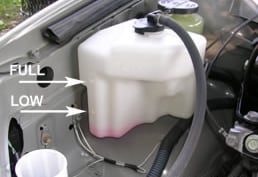
Open the hood and find the coolant reservoir. Look for the level indicator on the side of the tank. It shows the maximum and minimum levels. If the coolant is below the minimum, you need to add more.
Low coolant can cause engine overheating. The temperature gauge may show high heat. You might see steam coming from the engine. Coolant leaks can leave green or orange spots under the car. Check regularly to avoid these problems.
Prepare The Coolant Mixture
Use a clean container. Pour equal parts of coolant concentrate and water. Stir the mixture gently. This creates a balanced coolant. Ensure the water is distilled. Tap water can cause rust. Mix thoroughly to combine well.
Pre-mixed coolant is easy. Open the bottle carefully. Check the label for instructions. Pour the coolant into the reservoir. Fill up to the marked line. Do not overfill. Ensure the cap is tight after filling.
Credit: www.lhmlakewoodford.com
Filling The Coolant
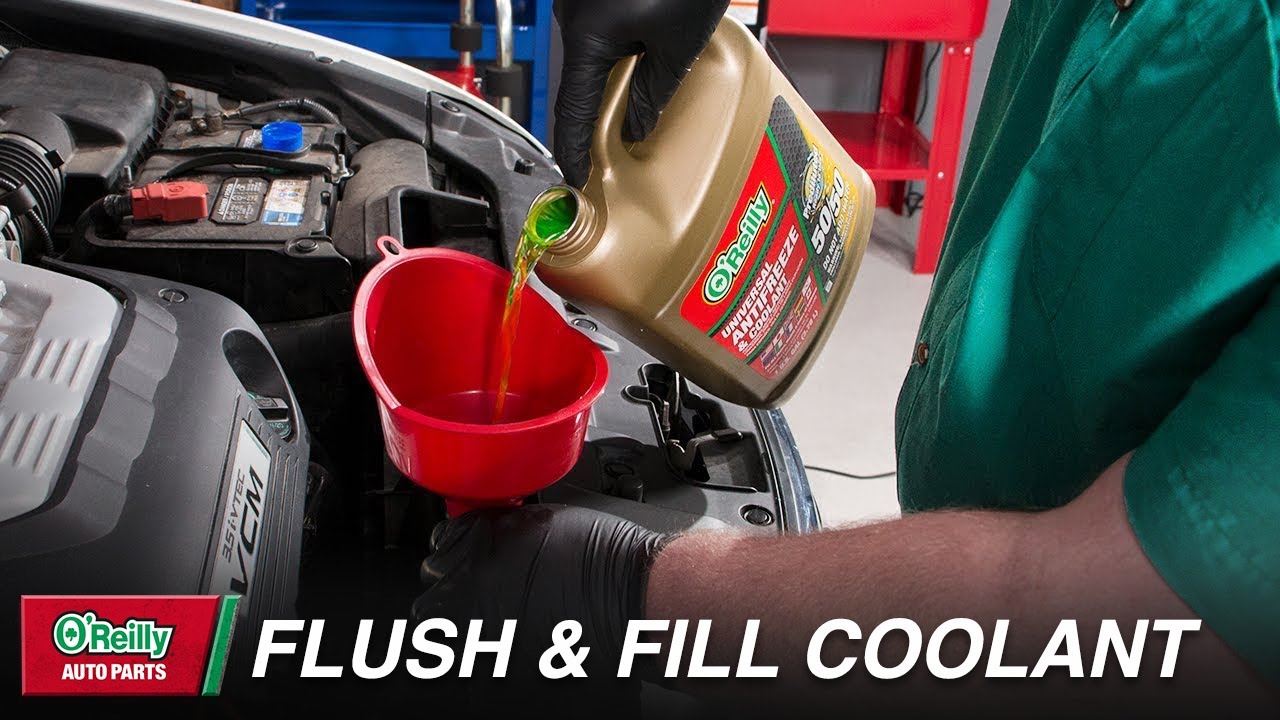
Filling the coolant in your car is essential for engine health. First, ensure the engine is cool. Open the hood and locate the coolant reservoir. Pour the coolant slowly, up to the marked level. Check for leaks. Always use the recommended coolant type for your vehicle.
Keep your engine running smoothly.
Opening The Cap
Locate the coolant reservoirin the engine bay. Ensure the engine is coolbefore opening the cap. Twist the cap counterclockwiseto open it. Listen for any hissing sound. This indicates pressure release. Be careful not to touch any hot parts. The cap should come off easily. If stuck, ask for help. Always wear protective gloves.
Pouring The Coolant
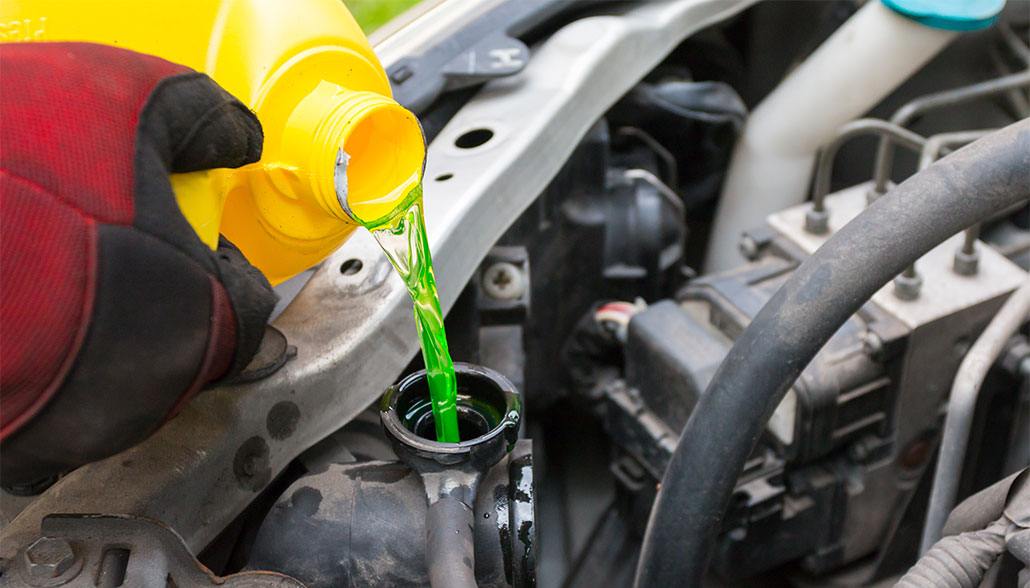
Get the correct coolantfor your car. Use a funnel to avoid spills. Pour coolant into the reservoir slowly. Stop when it reaches the full line. Check for any leaks around the reservoir. Ensure the cap is securely tightenedafter filling. Run the engine briefly. Check the coolant level again. Add more if needed. Keep extra coolant for future use. Always dispose of old coolant responsibly.
Secure The Reservoir Cap
Tighten the capuntil it clicks securely. This prevents coolant leaks. If the cap is loose, coolant may spill. Check the cap’s condition. Look for cracks or damages. Replace if necessary. A good cap ensures a tight seal.
Ensuring A Tight Seal
Make sure the cap fits properly. It should be snug and firm. Press down gently. Twist until it locks. No gapsshould be visible. This keeps the coolant safe inside.
Checking For Leaks
Look under the car for drips. Examine hoses for wear. Feel around the reservoir. If wet, there might be a leak. Use a flashlight for dark areas. Check the ground for puddles. Fix any leaks quickly. This prevents engine damage.
Start The Engine
Always start the carbefore adding coolant. This helps the coolant mix well. Let the engine run for a few minutes. Be sure the car is in park mode. This is important for safety.
Make sure the temperature gaugeis stable. It should not be too high. If it is high, wait for it to cool down. The gauge helps you know if the engine is too hot. This is very important. It keeps the engine safe.
Dispose Of Used Coolant Properly
Used coolantcan harm the earth. It’s important to follow environmental guidelineswhen getting rid of it. Many places offer help to recycle coolant. They make sure it doesn’t hurt nature.
Always use recycling centersfor disposing of coolant. They know how to handle it safely. These centers follow rules to keep the environment safe. You can find centers near you online. Some auto shops also take old coolant.
Don’t pour coolant on the ground or in drains. This can pollute water and soil. It can harm animals and plants. Always keep coolant in a sealed container. This stops leaks and spills.
Frequently Asked Questions
Can I Just Add Coolant To My Vehicle?
Yes, you can add coolant to your vehicle. Ensure the engine is cool, and use the correct type. Check the owner’s manual for guidance. Mixing different coolants can harm your engine. Regularly check levels and top up if necessary to prevent overheating.
Always follow safety precautions while handling coolant.
What Is The Proper Way To Fill Coolant?
Ensure the engine is cool. Open the radiator cap. Pour coolant until it reaches the fill line. Replace the cap securely. Check for leaks.
Can You Refill Your Own Car Coolant?
Yes, you can refill your car coolant yourself. Ensure the engine is cool before opening the radiator cap. Use the recommended coolant type for your vehicle. Follow the instructions in the owner’s manual for proper refilling and safety precautions. Regularly check the coolant level to prevent engine overheating.
Do I Need To Run The Car After Adding Coolant?
Yes, you should run the car after adding coolant. It helps circulate the coolant properly, ensuring optimal engine temperature and preventing overheating. Running the engine allows the new coolant to mix with the old, maintaining efficient cooling system performance. Always check for leaks during this process for safety.
Conclusion
Filling coolant in your car is simple and crucial. It keeps the engine cool and prevents overheating. Follow steps carefully to avoid mistakes. Check coolant level regularly to maintain engine health. Remember to use the right type for your car.
Each vehicle may have specific requirements. Keep an eye on the temperature gauge while driving. It warns if the engine gets too hot. Regular maintenance ensures safety and longevity. Always handle car fluids with care. Proper coolant levels mean a smooth and worry-free drive.
Stay attentive to your car’s needs. Your vehicle will thank you.