How to Find Air Conditioning Leak in Car: Expert Tips
When your car’s air conditioning starts to falter, it can make driving uncomfortable, especially during hot weather. Imagine you’re stuck in traffic, and instead of a cool breeze, you’re greeted by warm air.
Frustrating, right? Often, the culprit behind this issue is a leak in your AC system. But don’t worry; finding and fixing it isn’t as daunting as it sounds. In this guide, you’ll discover simple steps to identify where the leak is hiding and learn how to address it effectively.
With a bit of guidance, you can restore your car’s refreshing air flow, making every drive a pleasant experience once more. Ready to dive in and tackle that pesky leak? Let’s get started!
Credit: www.youtube.com
Signs Of Air Conditioning Leak
Air conditioning leaks can be tricky to spot. Warm air from the vents is a big clue. It means the system is not cooling well. Strange noises might come from the AC. This can show parts are not working right. Bad smells when the AC is on can mean a leak. The smell comes from mold or dirt. Weak airflow is another sign. If the air is less than usual, it might be a leak. Water stains under your car can be a hint. They show the AC might be leaking fluids. Foggy windows can happen when the AC is not clearing moisture. These signs help find if the AC leaks.

Credit: www.agcoauto.com
Common Leak Locations
The compressor is the heart of the AC system. It pumps refrigerant throughout. Sometimes, it can develop leaks. This happens due to wear and tear. Listen for strange noises. Check for oily spots. A leak might be there.
The evaporator cools the air inside. It sits inside the dashboard. Leaks here are hard to find. Look for a damp carpet. A sweet smell might mean a leak.
The condenser sits in front of the car. It cools hot refrigerant. Rocks or debris can cause leaks. Check for bent fins. A puddle under the car might be a clue.
Hoses carry refrigerant. Seals keep it inside. Over time, they can crack or break. Look for oily spots on hoses. Feel around the connections. A leak might be there.
Tools For Detecting Leaks
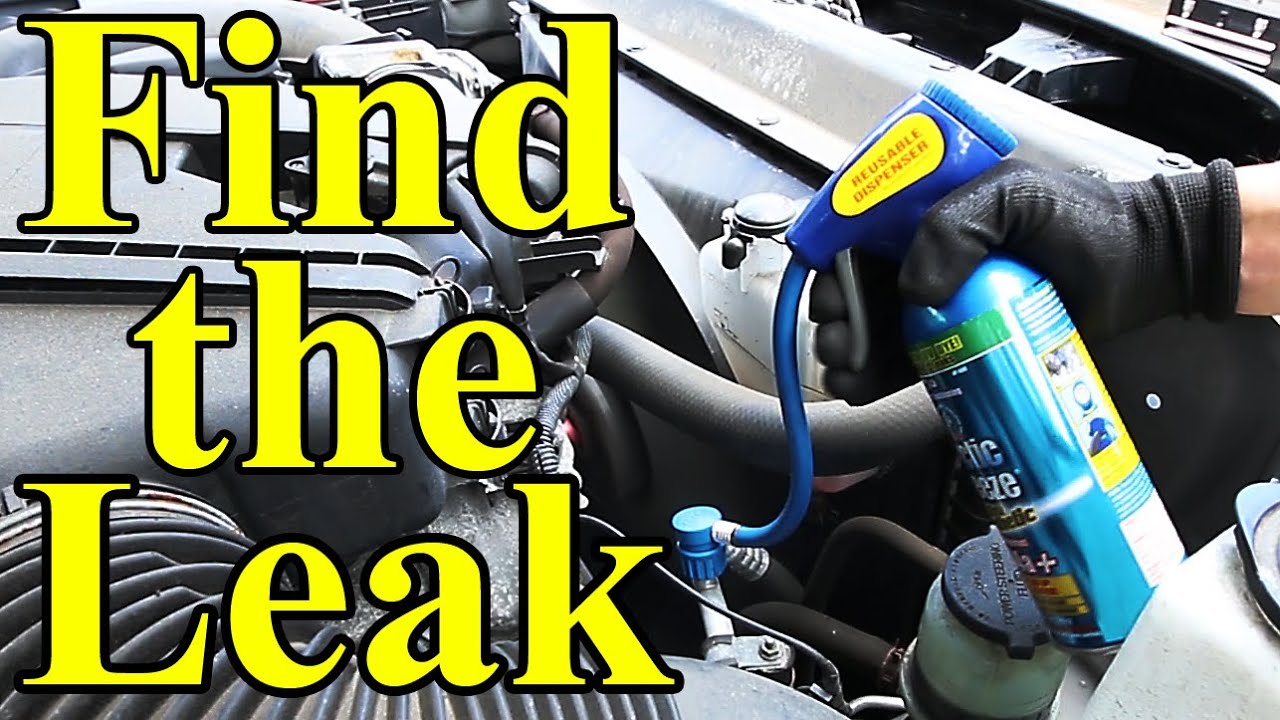
An Ultraviolet Dye Kitis simple to use. Add the dye to the car’s AC system. Run the AC for a few minutes. Then, use a UV light to spot leaks. The dye will glow under the light. This method is effective and quick. It helps find even the smallest leaks.
Electronic Leak Detectorsare very helpful. They detect refrigerant gas leaks. Move the detector near the AC system. It beeps when it finds a leak. This tool is easy to use. It’s also very accurate. Many mechanics prefer it for its precision.
A simple soap and water solutioncan also help. Mix soap with water in a spray bottle. Spray it on AC connections and hoses. Look for bubbles. Bubbles mean there is a leak. This method is cheap and easy. Many people use it at home.
Step-by-step Leak Detection
Look at the compressorclosely. Check for any oil stains. These stains can show a leak. Listen for strange noises. A noisy compressor might mean trouble. Feel for air. Cold air means it’s working. No air might mean a leak.
The evaporatoris often hidden. Use a flashlight to inspect it. See if there is any water. Water can mean a leak. Smell for mold. Mold might mean there’s too much moisture. Listen for hissing sounds. Hissing often points to a problem.
Look at the condenserin front of the car. Check for bent fins. Bent fins can block air. Feel for cold air. No cold air might mean a leak. See if there is any debris. Debris can damage the condenser.
Touch the hosesand seals. Feel for cracks. Cracks can cause leaks. See if the hoses are loose. Loose hoses might leak air. Check seals for wear. Worn seals can let air escape. Use soapy water. Bubbles show where leaks are.
Preventive Measure
Check your car’s air conditioning system often. Inspect hoses and connections. Look for any cracks or wear. Dust and dirt can clog parts. Clean filters to keep air flowing. Cleanliness prevents leaks.
Use seal protectants on your car’s AC system. Sealants help stop leaks. They keep parts tight and secure. A small bottle can make a big difference. Read the instructions before use. Apply them carefully.
Check your car’s refrigerant levels. Low levels can mean leaks. If levels drop fast, find the leak. Add refrigerant as needed. Keep it balanced. Good levels mean better cooling. It keeps your AC working well.
When To Seek Professional Help
Strange sounds from the air conditioner can be alarming. Hissing noises might mean a leak. If the air isn’t cold, it’s a big sign. Warm air means something’s wrong. You might see fluid on the ground. This could be a coolant leak. It’s important to act fast. Delays can cause more damage. Professional help is needed when unsure. Experts have the right tools. They find leaks easily. They fix problems safely. DIY fixes can make things worse. Safety should be a priority. Professionals know how to handle coolants. They ensure your car stays in good condition. Getting help can save time and money.
Credit: www.tiresplus.com
Frequently Asked Questions
How Do I Know If My Car AC Is Leaking?
A leaking car AC often shows reduced cooling efficiency. You might notice a hissing sound or oily residue around AC components. Another sign is when your AC stops cooling quickly. Regular checks can help detect leaks early, ensuring optimal performance and preventing costly repairs.
Can A Car AC Leak Be Fixed At Home?
Yes, minor AC leaks can be fixed at home with proper tools and sealants. However, identifying the exact source of the leak can be challenging. For larger leaks or if you’re unsure, it’s best to consult a professional to avoid further damage to the system.
What Tools Are Needed To Find AC Leaks?
To find AC leaks, you’ll need a UV dye kit, a flashlight, and safety goggles. The UV dye helps identify leaks when it escapes from the system under UV light. Ensure you have the necessary tools and follow safety precautions to effectively locate any leaks.
How Much Does It Cost To Repair An AC Leak?
The cost to repair an AC leak varies depending on the severity and location. Minor leaks might cost $150 to $200, while major repairs can exceed $1,000. Regular maintenance can help reduce costs by addressing issues early before they escalate into more expensive problems.
Conclusion
Finding a car’s air conditioning leak doesn’t have to be complex. Start by inspecting visible parts. Check hoses, connections, and the compressor. Listen for strange sounds. Use a dye kit for hidden leaks. Simple tools can help you detect issues.
Regular maintenance prevents future leaks. Keep your car cool and comfortable. Pay attention to small signs. Fixing leaks early saves money. A well-functioning AC enhances driving experience. Remember, safety and comfort go hand in hand. Proper care ensures your AC lasts longer.
Stay proactive with your car’s cooling system. Enjoy a pleasant drive every time!