How to Fix Coolant Leak in Car: Ultimate DIY Guide
Imagine you’re driving on a sunny afternoon, enjoying the open road, when suddenly, your car’s temperature gauge starts to climb. Panic sets in as you notice a puddle forming under your vehicle.
It’s a coolant leak, and if ignored, it can lead to costly repairs or even engine damage. But worry not, because understanding how to fix a coolant leak in your car can save you money and stress. In this guide, we’ll walk you through simple, effective steps to identify and fix the issue, empowering you to take control of your car’s health.
Stay tuned, because knowing these tips might just be the difference between a smooth ride and a roadside emergency.

Credit: www.youtube.com
Identifying Coolant Leak Symptoms
Coolant leaks can be a big problem for cars. Watch for puddles under your car. This means coolant is leaking. Open the hood and check the coolant level. If it is low, there might be a leak. Look for white smoke from the exhaust. This can be a sign of a coolant leak. Engine overheating is another sign. Watch the temperature gauge closely. Coolant smell inside the car is also a clue. Check for wet spots around the engine. Be alert to warning lights on the dashboard.
Immediate action is needed when the car overheats. An overheated engine can cause damage. Pull over and turn off the engine. Check the coolant level right away. Low coolant needs a quick refill. Do not drive with white smoke coming from the exhaust. This could mean a serious leak. Seek a mechanic if you see puddles under the car. Regular checks prevent bigger problems. Safety first; always act fast.
Understanding The Cooling System
Fixing a coolant leak in your car involves identifying the source of the leak. Check hoses, radiator, and water pump for damage. Tighten any loose clamps and replace faulty parts. Regular maintenance can prevent future leaks and ensure your car’s cooling system runs smoothly.
Key Components Of The Cooling System
The cooling system has many parts. Radiator is one important part. It cools the engine. Water pump moves the coolant. It keeps the engine cool. Thermostat controls the temperature. It opens and closes when needed. Coolant hoses connect everything. They carry the coolant. Fans help cool the radiator. These parts work together. They prevent the engine from overheating. If any part fails, the engine might get too hot. This can cause damage. So, check these parts often. Keep them in good condition.
Role Of Coolant In Engine Performance
Coolant is very important. It keeps the engine cool. It stops the engine from getting too hot. Coolant also prevents rust. It protects engine parts. Good coolant keeps the engine running well. Coolant helps save fuel. It makes the engine work better. Without coolant, the engine can break. Check the coolant level often. Use the right type of coolant. This helps the engine last longer.
Tools And Materials Needed
Fixing a coolant leak requires essential tools and materials like a wrench, coolant, and leak sealant. A clean cloth and safety gloves are also important for a safe repair process. Having these items ready ensures a smoother and more efficient repair job.
Essential Tools For The Repair
Wrenches and screwdriversare important. They help with removing parts. Safety glovesprotect your hands. Always wear them during work. A coolant funnelis needed. It helps pour coolant easily. Use a flashlightto see clearly. Dark areas can hide leaks. A drain pancatches old coolant. Never let it spill on the ground.
Choosing The Right Coolant And Sealant
Pick the right coolantfor your car. Check your car’s manual. It tells you the type needed. Sealantshelp stop leaks. Not all sealants are the same. Choose one that matches your coolant. Always read the label. Mixing wrong types can damage the engine. Color matterstoo. Use the same color as your old coolant.
Credit: www.goldeagle.com
Locating The Source Of The Leak
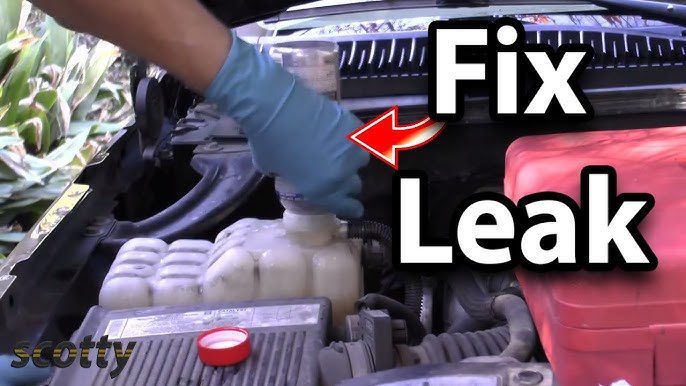
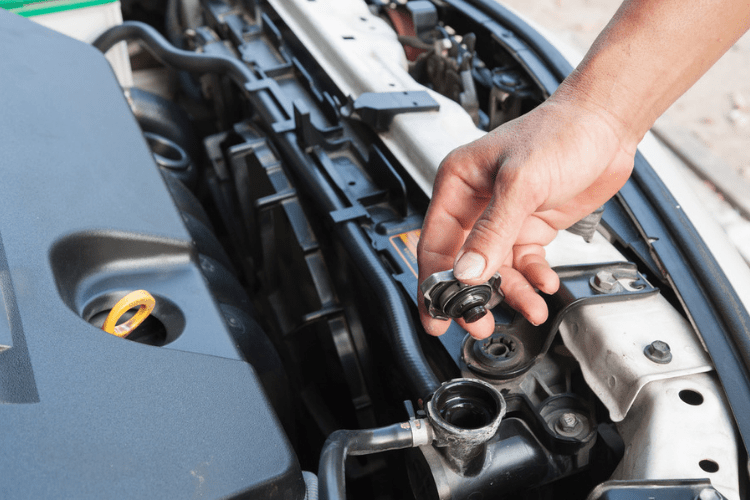
Use a flashlight to spot leaks. Check around the radiator and hoses. Look for wet spots or puddles under the car. Bubbles can also show a leak. Inspect the coolant reservoir and its cap. A damaged cap can lead to leaks. Feel the hoses for any cracks or bulges.
Ensure the engine is cool before touching. Pressure testing helps find hidden leaks. A UV dye can also detect leaks when used with a special light. Listening for hissing sounds can help too.
Radiator and radiator hoses often leak. The water pump and thermostat housing are also common spots. Heater core leaks can cause foggy windows. Head gaskets might leak coolant into the engine. Freeze plugs can corrode and leak as well.
Check around the engine block for leaks. Look for rust or stains on parts. Always keep an eye on the coolant level. A quick drop means there is a leak.
Repairing Minor Leaks
Stop-leak products can help with small leaks. These products are easy to use. First, read the product label. Make sure it is for coolant leaks. Shake the bottle well. Then, pour it into the coolant tank. Run the engine for a few minutes. This helps the product spread. It can seal tiny holes or cracks.
DIY sealants are another option. They come in paste or liquid form. Clean the leak area first. Make sure it is dry. Apply the sealant over the leak. Follow the instructions on the package. Let it dry for the recommended time. Check if the leak stops. If not, you may need more help.
Credit: www.highlinewarren.com
Fixing Major Leaks
Damaged hosescan cause coolant leaks. First, find the leak in the hose. Check for cracks or holes. Use a wrench to loosen the hose clamps. Pull the hose off the fittings. Replace it with a new hose. Ensure it’s the right size. Tighten the clamps securely. Test the car to see if the leak stops. This ensures no more leaks from hoses.
The radiator may leak if it’s damaged. Look for cracks or rust. Drain the coolant into a bucket. Remove the radiator carefully. Inspect it for any damage. Patch small cracks with a sealant. For big damage, replace the radiator. Install the new or fixed radiator. Fill it with fresh coolant. Check for leaks after installation. Fixing the radiator stops coolant leaks.
Preventive Maintenance Tips
Regular checks keep your cooling systemworking well. Look for leaksaround the radiatorand hoses. Watch the temperature gaugefor unusual changes. Check the coolant leveloften. Low levels can cause engine damage. Use a flashlight to see hidden areas. Clean the radiatorfor best performance. Dirty radiators overheat quickly. Replace old hosesand clamps. They wear out with time.
Keep your enginesafe from leaks. Use good quality coolant. Cheap types can harm the system. Tighten all connectionsproperly. Loose parts cause leaks. Avoid using water instead of coolant. Water does not protect from rust. Inspect the water pumpfor wear and tear. Replace it if worn. Check the thermostatfor faults. A bad thermostat affects temperature control.
When To Seek Professional Help
Experienced mechanics should inspect persistent coolant leaks. They know how to identify hidden issues that could cause engine damage. Don’t ignore signs like frequent overheating or puddles under your car.
Assessing Repair Complexity
Fixing a coolant leak can be tricky. Some leaks are easy to spot. Others hide deep in the car. If a leak is hard to find, it may need expert help. Small leaks might be fixed at home. Big leaks need special tools and skills. This is true if the leak is near the engine.
Understanding your car’s parts is key. Some leaks involve plastic parts that break easily. Fixing these needs care. If unsure, it’s best to call a mechanic. They have the right tools for the job. This saves time and stops more damage.
Choosing A Reliable Mechanic
Finding a good mechanic is important. Ask friends for advice. They might know a trustworthy one. Look for mechanics with good reviews. They should have experience with coolant leaks. A good mechanic explains the work they do. They also answer your questions. This helps you feel safe about the car fix.
A mechanic should give a clear cost estimate. This shows honesty. Avoid those who rush you. Take your time to choose the best one. Your car’s health depends on it.
Frequently Asked Questions
What Causes Coolant Leaks In Cars?
Coolant leaks in cars often result from damaged hoses, radiator issues, or a faulty water pump. Over time, wear and tear can cause these components to deteriorate. Regular maintenance and inspections can help identify potential leaks early, preventing more serious problems down the road.
How Can I Identify A Coolant Leak?
Identifying a coolant leak involves checking for puddles under your vehicle and monitoring the coolant level. A sweet smell often indicates a leak. Inspect hoses and the radiator for visible damage. Using a pressure tester can also help spot leaks in the cooling system.
Is It Safe To Drive With A Coolant Leak?
Driving with a coolant leak is risky, as it can lead to engine overheating. This may cause severe damage and costly repairs. It’s advisable to address coolant leaks immediately. Regular checks and timely repairs ensure your vehicle’s cooling system functions optimally.
Can A Coolant Leak Damage My Engine?
Yes, a coolant leak can lead to engine overheating, causing significant damage. Overheating can warp components and result in costly repairs. Ensuring your cooling system is leak-free helps maintain engine temperature and performance. Regular inspections are crucial to preventing such issues.
Conclusion
Fixing a coolant leak keeps your car running smoothly. Regular checks prevent costly repairs. Always use the right tools for the job. Follow the steps carefully. Pay attention to signs of a leak early. This saves time and money. A well-maintained car lasts longer.
It’s safer on the road. Keep your car manual handy. It guides you through repairs. Consult a mechanic for complex issues. Remember, safety first. Wear gloves and goggles when working. Stay informed about car maintenance tips. Your vehicle deserves care and attention.
Keep it in top condition. Happy driving!