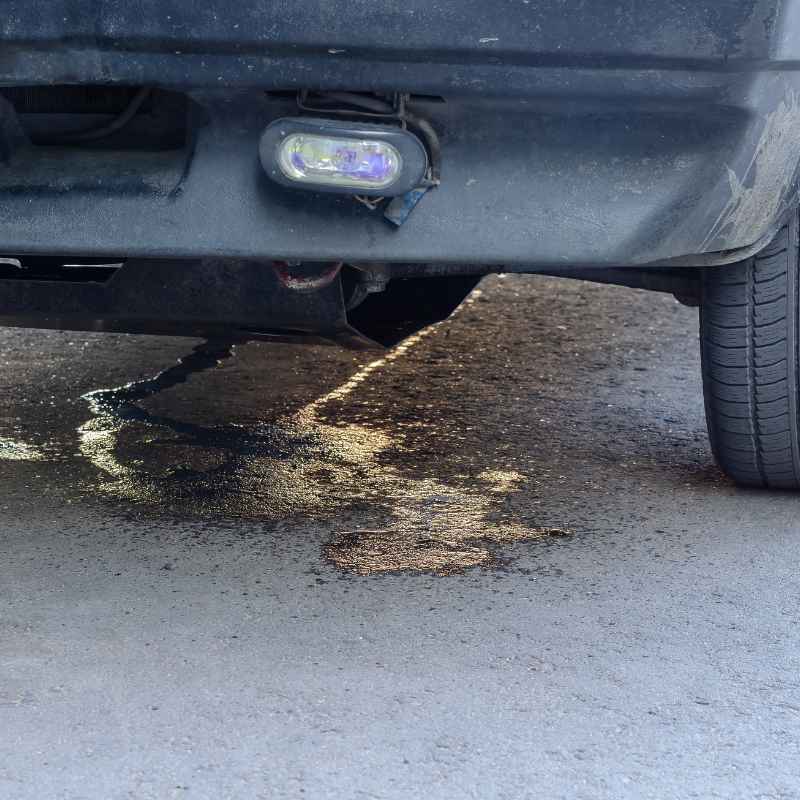
Why Is My Car Leaking Antifreeze? Causes & Fixes
A car leaking antifreeze means there’s a breach in the cooling system. Common causes include damaged hoses, a faulty radiator, a worn water pump, or a bad thermostat. These leaks prevent proper engine cooling, risking overheating and severe damage if not addressed promptly.
Understanding Your Car’s Cooling System
Your car’s engine gets very hot when it runs. The cooling system is like your car’s personal air conditioner. It keeps the engine from getting too hot.
It uses a special liquid called antifreeze, also known as coolant. This fluid moves through the engine, picking up heat. Then, it goes to the radiator.
The radiator is a metal grid at the front of your car. Air blows through it as you drive. This cools down the antifreeze.
The cooled fluid then goes back into the engine. This cycle keeps your engine at a safe temperature. It’s a vital job.
If this system has a leak, the antifreeze level drops. This stops the system from working right.
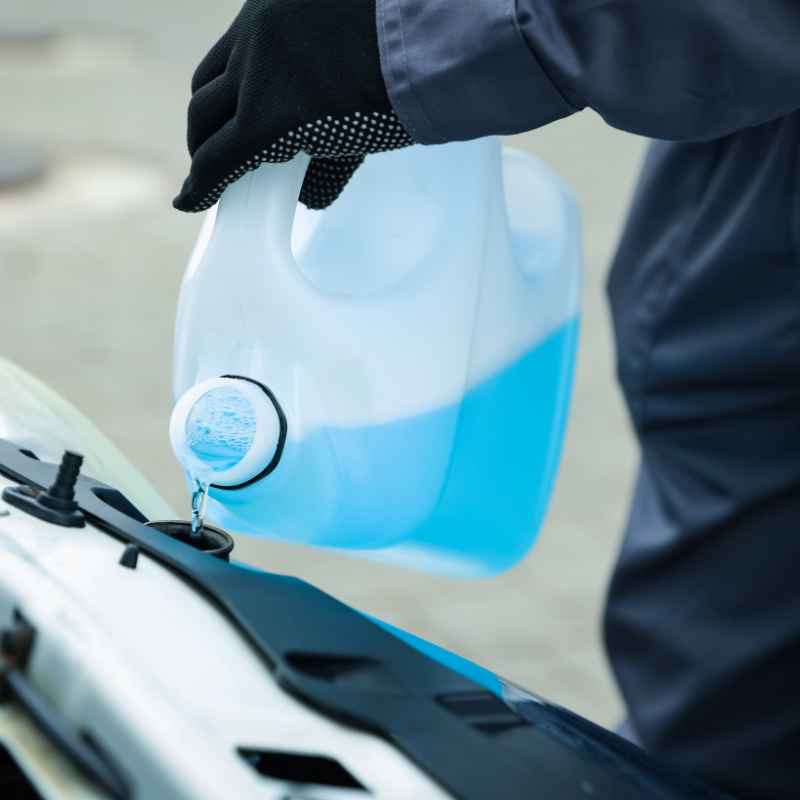
Common Culprits: Where Antifreeze Leaks Start
Think of your cooling system as a network of pipes and seals. Any part of this network can fail. Most leaks happen because a part wears out or gets damaged.
This is normal for car parts over time. They just can’t last forever. Age, heat, and pressure all take their toll.
The most frequent spot for a leak is often the simplest. It’s usually a rubber hose or a connection. These parts can crack, split, or become loose.
Then, the antifreeze finds a way out. Other times, it’s a more complex part like the radiator itself or the water pump.
The “Green Puddle” Explained: Types of Antifreeze
You might have noticed that antifreeze isn’t just one color. It comes in several colors. These colors are mainly for identification.
They help mechanics know what type of coolant is in the system. The color doesn’t usually affect how it works. But mixing different types can cause problems.
Common colors include green, orange, pink, yellow, and blue. Each color often signals a different chemical formula. Some are designed for longer life.
Others are for specific car brands. Knowing your car’s coolant color is helpful. It helps when you need to top it off.
But more importantly, it helps identify the fluid if you find a leak.
Why Your Car’s Cooling System Develops Leaks
Cars are exposed to a lot. They deal with freezing winters and scorching summers. Engine parts get hot and then cool down, over and over.
This constant expansion and contraction can stress materials. Rubber parts can become brittle. Metal can corrode.
Vibrations from driving can loosen connections. Small stones kicked up from the road can hit parts and cause damage. Even just time passing makes parts wear out.
It’s like anything you use a lot. It eventually needs repair or replacement. Your car’s cooling system is no different.
It needs regular checks.
Spotting the Signs: More Than Just Puddles
A puddle of antifreeze is a clear sign. But there are other clues too. Your car might tell you something is wrong before you see a big leak.
You might notice a sweet smell inside or outside your car. That’s the antifreeze. It has a distinct, sugary odor.
Your temperature gauge is another important indicator. If it starts climbing higher than usual, that’s a warning. It means the engine is getting too hot.
You might also see steam coming from under the hood. This is a sign that coolant is boiling or leaking onto hot engine parts. Don’t ignore these signs.
My Own “Oh No!” Antifreeze Leak Moment
I remember one sweltering August afternoon. I was driving home from a weekend trip. My car started making a strange hissing noise.
Then, the smell hit me. That sickly sweet smell. My heart sank.
I glanced at the dashboard. The temperature gauge was climbing fast. I pulled over immediately.
I popped the hood. A thin stream of bright orange liquid was dripping onto the hot engine block. It was smoking and hissing.
Panic set in. I knew this was bad. I had ignored a small drip I’d seen a few days before.
I thought it was just condensation. Now, I was stranded. It taught me a valuable lesson: never ignore coolant smells or rising temperature gauges.
It cost me a tow truck and a new radiator hose. That day was a real wake-up call.
Common Leak Locations: A Quick Look
Radiator Hoses: These rubber tubes carry coolant. They can crack or split with age.
Radiator: The main cooling unit. It can develop leaks from corrosion or physical damage.
Water Pump: This part circulates the coolant. A failing seal can cause leaks.
Thermostat Housing: It controls coolant flow. The gasket here can fail.
Heater Core: Part of the heating system. Leaks here can lead to a wet passenger floor.
The Radiator: The Heart of the Cooling System
The radiator is essential. It’s a network of thin metal tubes and fins. Coolant flows through the tubes.
Air passes over the fins. This transfers heat from the coolant to the air. Radiators can leak for a few reasons.
Age is a big one. Over time, the metal can corrode from the inside out. This creates tiny holes.
Physical damage is another cause. If you hit something, like a curb or debris on the road, the radiator can bend or puncture. A damaged radiator won’t cool the engine properly.
You’ll likely see a noticeable leak. Sometimes, the plastic end tanks can crack. These are common failure points on modern radiators.
Radiator Hoses: The Often-Overlooked Culprits
Radiator hoses are made of rubber. Rubber wears out. It gets baked by the engine’s heat.
It gets squeezed and flexed every time the engine runs. Over years, the rubber can become hard and brittle. It can then crack.
Tiny cracks might only leak a little at first. But they grow bigger.
The clamps that hold the hoses in place can also cause problems. If they loosen, coolant can escape around the connection. If they are too tight, they can cut into the hose.
Inspecting your hoses is simple. Look for any bulges, cracks, or soft spots. Gently squeeze them.
They should feel firm, not mushy or hard.
The Water Pump: Circulation’s Silent Worker
The water pump’s job is to push coolant through the engine. It has a shaft and a spinning impeller. There’s a seal around the shaft to keep coolant from leaking out.
This seal can wear out over time. When it does, coolant will start to seep out. You might see a drip from the pump itself.
There’s often a “weep hole” on the water pump. This is designed to let a small amount of coolant escape if the seal starts to fail. It’s an early warning sign.
If you see coolant dripping from this hole, the water pump is likely on its way out. It’s better to replace it before it fails completely.
Thermostat Housing and Gaskets: Small Parts, Big Problems
The thermostat is like a valve. It opens and closes to control coolant flow. It’s usually housed in a metal or plastic casing.
This housing is sealed to the engine with a gasket. Gaskets are designed to create a tight seal. But they can degrade over time.
Heat and pressure can make them brittle or crack.
If the thermostat housing gasket fails, coolant can leak out. This leak might be small. It can be hard to spot at first.
It often drips down the engine. Sometimes it can pool in other areas, making it look like the leak is coming from somewhere else. It’s important to pinpoint the exact source.
Heater Core Leaks: A Cozy Problem
Your car’s heater uses hot coolant. This coolant flows through a small radiator called the heater core. It’s usually located behind the dashboard.
If the heater core leaks, you might notice a few things. One is a persistent sweet smell inside the car. Another is fogging on your windshield, especially when the heat is on.
Sometimes, you’ll find a wet spot on the passenger side floor. This is coolant leaking from the heater core. Fixing a heater core can be a big job.
It often requires removing much of the dashboard. This is why it’s a more serious and costly repair.
Quick Leak Detection: What to Look For
- Color: Antifreeze is usually bright green, orange, pink, or yellow.
- Smell: A sweet, syrupy odor is a strong indicator.
- Location: Puddles under the car. Check front, middle, and back.
- Stains: Look for dried coolant residue on engine parts.
- Steam: Hissing and steam under the hood mean hot coolant is escaping.
The Dangers of Low Coolant Levels
Running your car with low coolant is risky. The cooling system needs to be full to work. If the coolant level is low, the engine can’t dissipate heat effectively.
This leads to overheating. Overheating can cause serious damage to many engine parts. It can warp the cylinder head or even crack the engine block.
These are very expensive repairs. Sometimes, they cost more than the car is worth. Keeping your coolant at the correct level is crucial.
Always check it when the engine is cool. If it’s low, add the correct type of coolant. But more importantly, find out why it’s low.
A leak is usually the reason.
DIY Checks: Simple Steps to Find a Leak
You don’t always need a mechanic to find a coolant leak. You can do some basic checks yourself. First, park your car on a level surface.
Make sure the engine is completely cool. Open the hood. Look for any obvious puddles or wet spots under the car.
Check the ground directly below major engine components.
Next, inspect the hoses. Gently squeeze them. Look for cracks or signs of wear.
Check the connections where the hoses meet the engine or radiator. See if the clamps are tight. Look at the radiator itself.
See if there are any obvious signs of damage or corrosion. Check around the water pump pulley for any signs of dripping.
DIY Leak Test: Pressure Check
What it is: A special tool pressurizes the cooling system.
How it helps: Forces coolant out of even small leaks, making them easier to spot.
Who does it: Most auto parts stores will lend or rent this tool. Mechanics use it often.
When to Call the Professionals
Some leaks are easy to spot and fix. Others are not. If you see a major leak, or if you can’t find the source, it’s time for a professional.
Mechanics have special tools. They have experience. They can quickly diagnose the problem.
They can also recommend the right parts and repairs.
If you find coolant inside your car, like on the floor mats, that’s usually a sign of a failing heater core. This is often a complex repair. Also, if your car is overheating, don’t keep driving it.
Tow it to a mechanic. Trying to push it too far can cause much more damage. A mechanic can perform a cooling system pressure test.
This helps find even the most stubborn leaks.
My Experience with a Stubborn Radiator Leak
A few years ago, my old sedan started having coolant issues. I noticed the level dropping a bit each week. I looked under the hood.
No obvious drips. No wet spots on the ground. I checked the hoses.
They looked fine. I even replaced the radiator cap, thinking that was it. Still, the coolant level went down.
Finally, I took it to my trusted mechanic. He hooked up his pressure tester. We waited.
After about 15 minutes, he showed me. A tiny, almost invisible stream of coolant was weeping from one of the radiator’s metal seams. It was so small I would never have found it on my own.
He said it was from corrosion starting deep inside. He recommended replacing the radiator. It was a relief to finally know.
It’s moments like these that show why professional help is sometimes a must.
Fixing the Leak: Options and Costs
The cost to fix a coolant leak depends on what part is leaking. A simple hose replacement might only cost $100-$200. This includes the part and labor.
A radiator replacement is more. It can range from $400 to $800 or more. This depends on the car model and the complexity of the job.
Water pump replacement often involves labor to get to it. This can add to the cost, sometimes making it $500-$900. Heater core repairs are often the most expensive.
They can easily go over $1,000 because of the labor involved in removing the dashboard. It’s always good to get an estimate before agreeing to repairs.
Coolant Leak Repair Costs (Estimates)
- Hose Replacement: $100 – $200
- Radiator Replacement: $400 – $800+
- Water Pump Replacement: $500 – $900+
- Thermostat/Gasket: $200 – $400
- Heater Core Replacement: $1,000+
Costs vary by car make, model, and location.
Preventative Care: Keeping Your System Healthy
The best way to avoid big leaks is through good maintenance. This means following your car’s recommended service schedule. Have your cooling system flushed and refilled at recommended intervals.
This removes old, worn-out coolant and any rust or debris that can form.
Regularly inspect your hoses and connections. Look for any signs of wear. Keep the front of your radiator clean.
Debris can block airflow and make the system work harder. If you notice any small drips or smells, get them checked out right away. Small problems can become big, expensive ones if ignored.
What This Means For Your Car
A coolant leak is a clear sign your car needs attention. It means a part in the cooling system has failed or is failing. The key is to act fast.
Don’t ignore the signs. The sooner you find the leak and fix it, the less likely you are to cause further, more expensive damage to your engine.
It’s important to know when a leak is minor and when it’s major. A tiny drip that you can fix with a clamp might be okay for a short time. But a steady stream or a rapidly dropping coolant level means you need immediate professional help.
Overheating is the biggest risk. It can destroy your engine.
When Is a Little Antifreeze Leak Okay? (Spoiler: Almost Never)
It’s tempting to think a tiny drip isn’t a big deal. But in a pressurized system like your car’s cooling system, even a small leak can get worse quickly. Most minor leaks, like a slightly loose hose clamp, can be fixed easily and cheaply.
That’s the only time you might consider it “okay” for a very short period.
However, the moment you see a puddle, or smell antifreeze, it’s a problem that needs attention. A leak means the system is losing coolant. This will eventually lead to low levels and the risk of overheating.
It’s best to get it checked out by a professional, even if it seems small.
When to Be Concerned: Red Flags
You should be concerned if you see:
- Large puddles of antifreeze under your car.
- The temperature gauge climbing into the red zone.
- Steam coming from under the hood.
- A strong, sweet smell of antifreeze inside or outside the car that doesn’t go away.
- A wet passenger floorboard (indicating a heater core leak).
- The coolant level dropping significantly day after day.
These are all signs of a more serious issue that needs immediate attention.
Simple Checks You Can Do Now
When your car is cool:
- Check the coolant level in the overflow reservoir. It should be between the “min” and “max” lines.
- Visually inspect hoses for cracks, bulges, or leaks around clamps.
- Look under the car for any signs of fresh fluid.
- Check the radiator fins for damage or blockages.
- Smell the air around the engine.
Tips for Dealing With Antifreeze Leaks
If you find a leak:
- Don’t drive if the engine is overheating or the coolant level is very low.
- Use the correct type of antifreeze if you need to top it off. Check your owner’s manual.
- Consider a temporary stop-leak product only if recommended by a mechanic for a very minor leak. These are not permanent fixes.
- Get professional help for anything beyond a simple hose clamp tightening.
- Clean up any spilled antifreeze. It’s toxic to pets and wildlife.
Frequently Asked Questions About Antifreeze Leaks
What does it mean if my car is leaking green fluid?
A green fluid leak usually means your car is leaking antifreeze or coolant. Most common antifreeze colors are green, orange, pink, or yellow. It’s a sign your cooling system has a leak and needs to be checked.
Can I drive my car with a small antifreeze leak?
Driving with even a small antifreeze leak is risky. The cooling system needs to stay full to prevent overheating. If the leak is very minor and you can monitor the coolant level closely, you might be able to drive a short distance to a repair shop. However, it’s always best to get it fixed right away.
How often should I check my car’s antifreeze level?
You should check your car’s antifreeze level at least once a month, and also before long trips. Always check when the engine is cool. This helps you catch any small leaks or coolant loss early.
What happens if my car runs out of antifreeze?
If your car runs out of antifreeze, the engine will quickly overheat. This can cause severe damage to engine components like the cylinder head, head gasket, or even the engine block itself. These repairs are very expensive.
Can I mix different colors of antifreeze?
It’s generally not recommended to mix different colors or types of antifreeze. They can have different chemical additives that can react badly. This can lead to corrosion or clog up your cooling system. Always use the type specified in your car’s owner’s manual.
Is antifreeze dangerous?
Yes, antifreeze is toxic. It has a sweet taste that can attract animals like cats and dogs. If ingested, it can be very harmful or even fatal. Always handle antifreeze with care and clean up any spills immediately. Keep it stored safely away from children and pets.
Final Thoughts on Antifreeze Leaks
Seeing a puddle of antifreeze is unnerving. But understanding what it means is the first step. Most leaks come from common wear-and-tear parts.
By knowing the signs and doing regular checks, you can catch problems early. This saves you from bigger headaches and costly repairs down the road. Your car’s cooling system is vital.
Keep it healthy!
Fixed the leak? Once the system is sealed again, do a full coolant flush to clear out any air pockets and contamination before refilling.
Products related to this article
Sponsored / affiliate links. As an Amazon Associate I earn from qualifying purchases. I may earn additional commission from eligible campaigns.