
How To Get Expensive Cars For Cheap: Proven Savings
You can find expensive cars for less by exploring private sales, focusing on older models of luxury brands, and being patient. Thorough pre-purchase inspections are crucial to ensure you get a great deal on a reliable, high-end vehicle without overpaying.
Dreaming of owning a luxury car doesn’t have to mean breaking the bank. Many people think that high-end vehicles are only for the super-rich, but with a smart approach, you can drive a premium car without the premium price tag. It might sound difficult, but it’s totally achievable. This guide will walk you through easy, step-by-step strategies to find those coveted expensive cars for a lot less than you might imagine. Get ready to discover how to make that dream car a reality!
Understanding Depreciation: The Key to Affordable Luxury
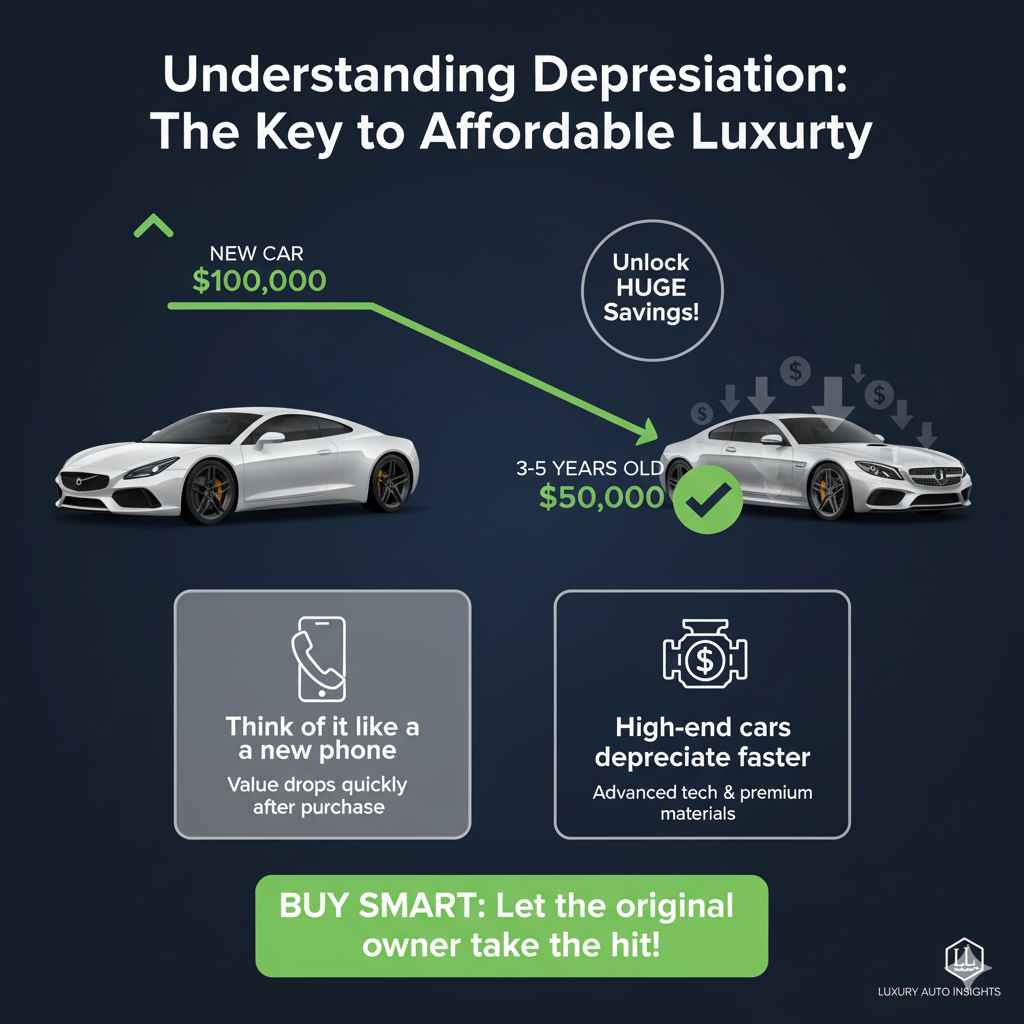
One of the biggest reasons why expensive cars become more affordable over time is depreciation. When a brand-new luxury car rolls off the lot, it loses a significant chunk of its value in the first few years. Think of it like a brand-new phone – it’s most valuable the day you buy it, but its value drops quickly as newer models come out and you use it. High-end cars, with their advanced technology and premium materials, often face even steeper depreciation curves.
This rapid devaluation is your best friend when you’re looking for a deal. By buying a car that’s a few years old, you let the original owner take that initial, massive depreciation hit, allowing you to purchase a car that still offers a lot of luxury and performance at a much lower price.
This concept is simple but powerful. A car that cost $100,000 new might be available for $50,000 or even less after just three to five years. The engineering, the comfort, the status – much of it remains intact, but the price tag has been dramatically reduced. Understanding this cycle is the first step towards making a smart purchase.
Where to Find These Hidden Gems: Smart Shopping Locations
Finding a great deal on a luxury car involves looking in the right places. While dealerships have their place, sometimes the best prices are found through alternative channels. Here’s where you should focus your search:
1. Private Sellers: The Direct Route to Savings
Buying directly from a private owner can often lead to the lowest prices. People selling their cars privately are usually looking for a quick sale and are open to negotiation. They don’t have the overhead costs of a dealership, so they can pass those savings directly to you.
- Pros: Lower prices, direct negotiation, potentially more history from the owner.
- Cons: No dealer financing or warranties, more risk if you don’t inspect properly, requires more effort from you.
When you find a car listed by a private seller, always arrange to meet in a safe, public place. Bring a knowledgeable friend or, ideally, have a trusted mechanic inspect the vehicle before you hand over any money. Websites like Craigslist, Facebook Marketplace, and dedicated car sales forums are great places to start looking.
2. Used Car Dealerships: Beyond the Manufacturer’s Lot
While authorized dealers for luxury brands (like BMW, Mercedes-Benz, Audi) often sell pre-owned models, consider independent used car lots. These dealerships might have acquired luxury vehicles through trade-ins or auctions and might price them more competitively to move inventory quickly. They often still offer some form of inspection and a limited warranty, providing a bit more peace of mind than a private sale.
3. Online Auction Sites: A Gamble with High Rewards
Websites like eBay Motors, Manheim (for licensed dealers), and Copart offer vehicles through auctions. You can sometimes find incredible deals, but these often come with higher risk. Cars sold at auction might be repossessions or trade-ins that haven’t gone through extensive reconditioning. It’s crucial to understand the auction rules, vehicle condition reports, and factor in potential repair costs. For beginners, it’s often best to have an experienced mechanic or advisor present or to stick to more straightforward purchase methods.
4. Trade-In Auctions and Fleet Sales: Less Common, Bigger Discounts
Sometimes, companies or rental car agencies sell off their older fleet vehicles. These cars are often well-maintained for their operational lifespan. While harder to access for the average buyer, keeping an eye out for these sales can yield substantial savings. Similarly, dealerships sometimes acquire cars in bulk trade-ins that might not fit their primary brand focus and can be sold off at a discount.
Choosing the Right Model: Smart Picks for Big Savings
Not all expensive cars depreciate at the same rate. Certain brands and models hold their value better than others, but some are notorious for their rapid decline, making them excellent “cheap” luxury options. Furthermore, focusing on models that are a bit older can dramatically reduce the price while still offering many modern conveniences.
Consider Older, Well-Maintained Luxury Sedans
Brands like Mercedes-Benz, BMW, and Audi have a long history of producing high-quality sedans. A well-maintained E-Class Mercedes, 5 Series BMW, or A6 Audi from 5-10 years ago can offer an incredible driving experience for a fraction of its original price. These cars are built to last and, if cared for, can still be reliable long-term investments.
Look at Luxury SUVs with a Few Years on Them
Popular luxury SUVs also experience significant depreciation. Models like a used Lexus RX, Acura MDX, or even a slightly older Range Rover can be found at much more accessible price points. Just be sure to research common issues for specific model years, as some performance-oriented luxury SUVs can have more costly maintenance.
Brands with Strong Aftermarket Support
When you’re buying a used luxury car, especially one that’s a few years old, having good aftermarket support for parts and service can save you a lot of money. Brands that are common in the used market often have a wider availability of parts, both OEM (Original Equipment Manufacturer) and aftermarket, which can be cheaper. This also usually means more independent mechanics are familiar with working on them.
Models Known for Reliability
While all cars require maintenance, some luxury brands have reputations for better long-term reliability. Lexus, for instance, is often cited for its dependability, meaning a used Lexus might offer a smoother ownership experience with fewer unexpected repair bills than some European counterparts. Research reliability ratings from sources like Consumer Reports to guide your choices.
Pre-Purchase Inspection (PPI): Your Most Important Step
This is non-negotiable. Before you buy any used car, especially an expensive one, you MUST get a pre-purchase inspection. What is a PPI? It’s essentially a diagnostic health check performed by an independent mechanic of YOUR choosing. They will put the car on a lift, check for hidden damage, assess the engine, transmission, brakes, suspension, and any other critical components. This inspection can uncover problems that aren’t visible during a casual test drive and can save you thousands in potential repairs down the line. It also gives you leverage for negotiation if minor issues are found.
A thorough PPI typically costs between $100 and $300, depending on your location and the complexity of the vehicle. This small investment is by far the best money you can spend when buying a used luxury car. You can find trusted mechanics on local review sites or by asking for recommendations.
Negotiation Tactics: Getting the Best Price
Once you’ve found the car and passed your pre-purchase inspection, it’s time to talk price. Remember, the listed price is often just a starting point, especially with private sellers. Here are some tips for successful negotiation:
- Do Your Research: Know the car’s market value. Websites like Kelley Blue Book (KBB) and Edmunds provide used car valuations based on make, model, year, mileage, and condition.
- Be Polite but Firm: A friendly approach goes a long way. State your offer clearly, backed by your market research.
- Use the PPI Report: If the inspection revealed any issues, use that as a basis for negotiating a lower price to cover the cost of repairs.
- Be Prepared to Walk Away: Your strongest negotiation tool is your willingness to walk away if the seller isn’t meeting your price expectations. There are always other cars out there.
- Pay with Secure Methods: For private sales, consider using a cashier’s check or meeting at your bank to complete the transaction.
Financing and Insurance: Budgeting for Your Dream Car
Even though you’re getting an expensive car for cheap, it’s still a significant purchase. Make sure you have your finances in order. Getting pre-approved for a loan from your bank or credit union before you shop can give you a clear budget and often secures a better interest rate than dealership financing.
Don’t forget insurance! Luxury cars, even older ones, can be more expensive to insure than standard vehicles. Get quotes from multiple insurance providers before you buy to understand the ongoing costs. Sometimes, the insurance premium can be a deciding factor.
Example: The Value of a Slightly Older Luxury Sedan
Let’s look at a hypothetical example. Imagine a 2018 BMW 5 Series sedan that originally sold for around $60,000. By 2024, this car, with average mileage and in good condition, might be available for $30,000 – $35,000 from a private seller or a used car lot. That’s a 50% reduction in price! You’re getting a car with modern safety features, a luxurious interior, and a powerful engine that arguably still feels and looks quite contemporary.
Here’s a quick comparison:
| Year | Original MSRP (Approximate) | Current Used Price (Approximate, 5-7 Years Old) | Savings Percentage |
|---|---|---|---|
| 2018 BMW 5 Series | $60,000 | $30,000 – $35,000 | 42% – 50% |
| 2019 Mercedes-Benz E-Class | $62,000 | $32,000 – $38,000 | 39% – 48% |
| 2017 Audi A6 | $55,000 | $25,000 – $30,000 | 45% – 55% |
This table illustrates how quickly luxury vehicles can depreciate, offering significant value to second or third owners. Remember that these are estimates, and actual prices can vary widely based on condition, mileage, and specific options.
Maintenance and Ongoing Costs: Staying Smart
While getting the car for cheap is the first win, you need to be realistic about ongoing costs. Luxury cars, even older ones, can sometimes have higher maintenance and repair bills than economy cars. Parts can be more expensive, and specialized labor might be required.
- Research Common Issues: Before buying, research common problems for the specific model and year you’re interested in. Websites like NHTSA.gov (National Highway Traffic Safety Administration) can provide recall information.
- Find a Trusted Independent Mechanic: Dealerships are convenient but often the most expensive for service. Find a reputable independent mechanic who specializes in European or luxury brands. They can offer fair pricing and excellent service.
- Keep Up with Maintenance: This is crucial for any car, but especially so for a used luxury vehicle. Follow the recommended maintenance schedule to prevent small issues from becoming big, expensive ones. Regular oil changes, filter replacements, and check-ups are far cheaper than major repairs.
- Budget for Repairs: It’s wise to set aside a small emergency fund for unexpected repairs. Even the most reliable used luxury car can surprise you occasionally.
Common Pitfalls to Avoid
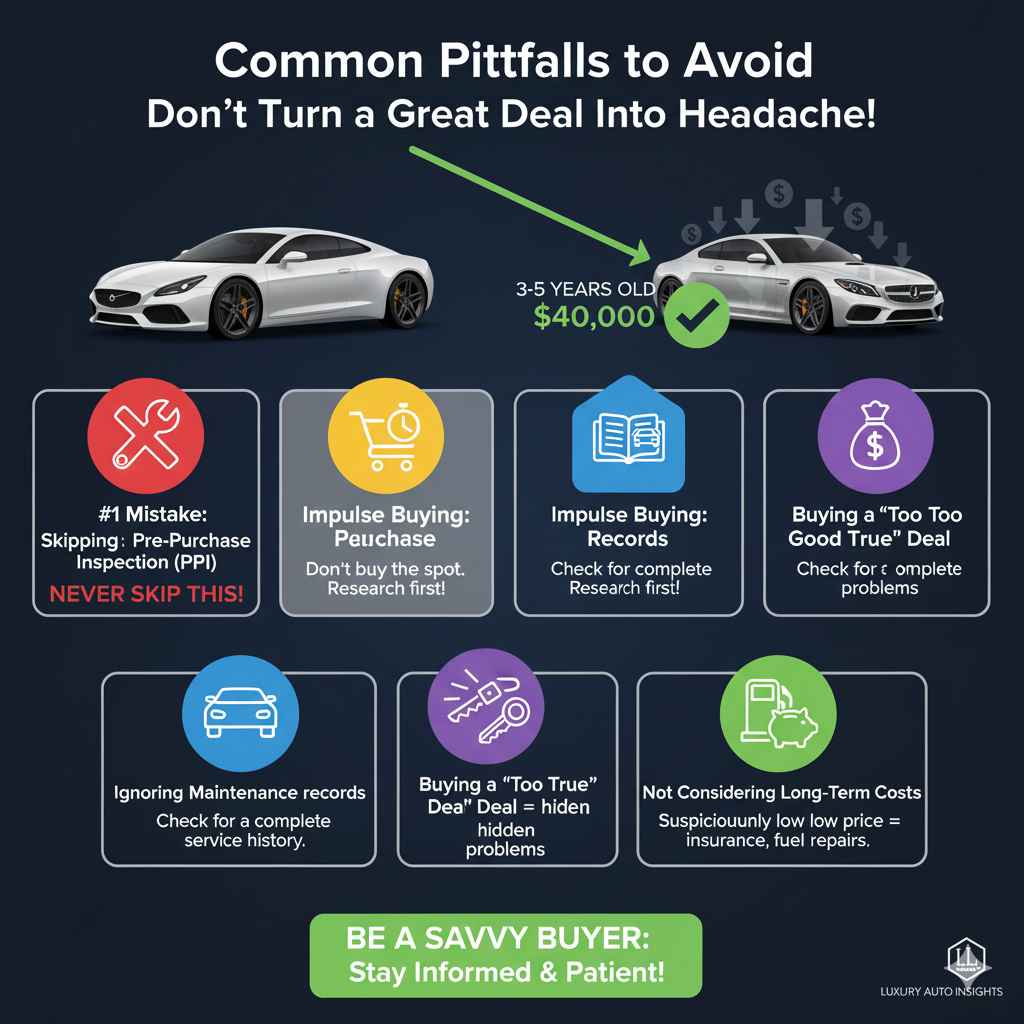
Even with the best intentions, some common mistakes can turn a great deal into a headache. Be aware of these:
- Skipping the Pre-Purchase Inspection (PPI): We can’t stress this enough. It’s the #1 mistake people make.
- Impulse Buying: Falling in love with a car and buying it on the spot without due diligence. Always sleep on it and do your research.
- Ignoring Maintenance Records: A car with a complete service history is much less risky than one without.
- Buying a “Too Good To Be True” Deal: If a price seems drastically lower than the market average, there’s usually a good reason. It might have serious underlying issues or a salvaged title.
- Not Considering Long-Term Costs: Focusing only on the purchase price and forgetting about insurance, fuel, and potential repair costs.
Frequently Asked Questions (FAQ)
Q1: How old should a “luxury” car be to be considered “cheap”?
A1: Generally, cars that are 5-10 years old offer the best balance. They’ve gone through their steepest depreciation but often still have modern features and a contemporary look. Older than 10 years can mean higher maintenance costs and fewer modern amenities.
Q2: Are luxury car repairs always expensive, even on older models?
A2: They can be, but it’s manageable. If you find a reputable independent mechanic who specializes in your car’s brand, and you stay on top of preventative maintenance, you can keep repair costs reasonable. Some brands also have better aftermarket support, meaning cheaper parts are available.
Q3: Is it safe to buy a luxury car that has been a rental car?
A3: Rental cars are often well-maintained during their service life but are driven by many different people. If you consider a former rental, a thorough pre-purchase inspection is absolutely critical. Focus on brands and models known for durability.
Q4: What’s the difference between buying from a dealership and a private seller for expensive used cars?
A4: Dealerships typically offer more convenience, potential financing options, and sometimes limited warranties, but often at a higher price. Private sellers usually offer lower prices but come with more risk, as you’re buying “as-is” and responsible for all checks and paperwork.
Q5: Should I worry about a car having a “salvage” or “rebuilt” title?
A5: Yes, you should be very cautious. A salvage title means the car was declared a total loss by an insurance company (due to an accident, flood, etc.) and later rebuilt. While sometimes cheaper, these cars can have hidden structural or electrical issues and are often difficult to insure or resell. It’s generally best to avoid them unless you are an expert mechanic with a specific plan.
Q6: Can I still get a good financing rate on a used luxury car?
A6: Yes, but it depends on your credit score and the age of the car. Lenders may offer lower loan-to-value ratios or higher interest rates on older vehicles, as they depreciate faster and are seen as higher risk. Getting pre-approved from your bank or credit union is highly recommended.
Q7: What are the essential checks I should do during a test drive?
A7: Listen for unusual noises from the engine or suspension. Test all electronics (radio, AC, windows, lights). Check that the brakes feel firm and don’t pull. Ensure the transmission shifts smoothly. Drive on different road types if possible. Most importantly, don’t rush this step!
Conclusion: Your Path to Affordable Luxury Driving
Buying an expensive car for cheap is entirely within your reach with the right knowledge and a strategic approach. By understanding depreciation, shopping in the right places, choosing your model mindfully, and prioritizing a thorough pre-purchase inspection, you can significantly reduce the cost of owning a premium vehicle. Remember that patience is a virtue; don’t rush into a purchase. Do your homework, be prepared, and negotiate smartly.
The thrill of driving a luxury car doesn’t have to come with a luxury price tag. With these proven savings strategies, you can confidently navigate the used car market and find a fantastic deal on your dream machine. Happy hunting!