How to Get Road Paint Off Your Car Safely and Quickly
Getting road paint off your car can feel like a nightmare, but with the right approach, you can restore your paint without damage. This guide covers safe, step-by-step methods to remove fresh or dried paint using common household products and professional tools.
Simply put, you can remove road paint by first washing the area, then applying a solvent like acetone or mineral spirits, and gently rubbing with a microfiber cloth. Avoid scrubbing hard to prevent scratching your clear coat. Always finish with wax to protect the surface.
Key Takeaways
- Road paint removal is fastest when you act within 24 hours of splatter.
- Always test any solvent on a hidden area first to avoid damaging your car’s clear coat.
- Microfiber cloths and gentle pressure are essential to prevent scratches.
- Waxing after removal restores the protective layer and shine.
What You Need to Get Road Paint Off Your Car
Before you start, gather the right materials. Using the wrong product can strip your car’s clear coat or leave swirl marks. Here’s a checklist of items that work safely on most factory paints.
- Car wash soap and a bucket of water
- Clean microfiber cloths (at least 3-4)
- Solvent options: acetone (nail polish remover), mineral spirits, or isopropyl alcohol (70% or higher)
- Clay bar kit with lubricant (for stubborn particles)
- Fine-grade rubbing compound (800–1500 grit, optional)
- Car wax or paint sealant
- Rubber gloves and safety glasses
Tip: If you don’t have acetone, try using WD-40 or hand sanitizer (high alcohol content). These are gentler but may require more elbow grease.
According to the International Detailing Association, using a clay bar can remove up to 95% of surface contaminants without damaging clear coat when used with proper lubrication.
| Product | Strength | Best For |
|---|---|---|
| Acetone | Strong | Dried, thick road paint |
| Mineral Spirits | Medium | Fresh paint and overspray |
| Isopropyl Alcohol | Mild | Light splatter on clear coat |
Choose your solvent based on how long the paint has been on the car. Fresh paint (under 24 hours) responds well to mild solvents; dried paint may require acetone.
How to Prepare Your Car for Paint Removal
Preparation prevents accidental damage. You don’t want to grind road paint particles into your clear coat. Follow these steps before applying any chemical.
- Park your car in a shaded area – direct sunlight heats the paint and makes solvents evaporate too fast.
- Wash the affected area thoroughly with car soap and water to remove dirt and grit.
- Dry completely with a clean microfiber towel.
- Use masking tape to outline the splattered area if you’re worried about overspreading solvent.
- Wear rubber gloves and safety glasses – solvents can irritate skin and eyes.
Important: Never use abrasive pads or scrub brushes. These will leave fine scratches that require compounding to fix.
A study by the American Automobile Association (AAA) found that 35% of drivers who attempted DIY paint removal used household abrasives like Brillo pads, causing permanent clear-coat damage. Proper prep is key to avoiding that mistake.
Step 1: Wash and Dry the Affected Area
This sounds basic, but a clean surface is essential. Dirt particles can act like sandpaper when you rub. Use a pH-neutral car shampoo and a soft sponge.
Rinse thoroughly – soap residue can interfere with solvents.
After washing, dry with a dedicated microfiber drying towel. Don’t let the area air-dry, as water spots may form. If the road paint is already dry, you might see a rough texture.
That’s okay – the solvent will soften it.
- Use two buckets: one for soapy water, one for rinsing your sponge.
- Wash in straight lines (front to back) to avoid swirl marks.
- If paint is very fresh, sometimes a simple wash with warm water removes it completely.
Step 2: Apply a Solvent or Paint Remover
Now you tackle the paint. Choose your solvent based on the paint’s age. For fresh road paint (less than 12 hours), start with isopropyl alcohol.
For older or thicker paint, move to mineral spirits or acetone.
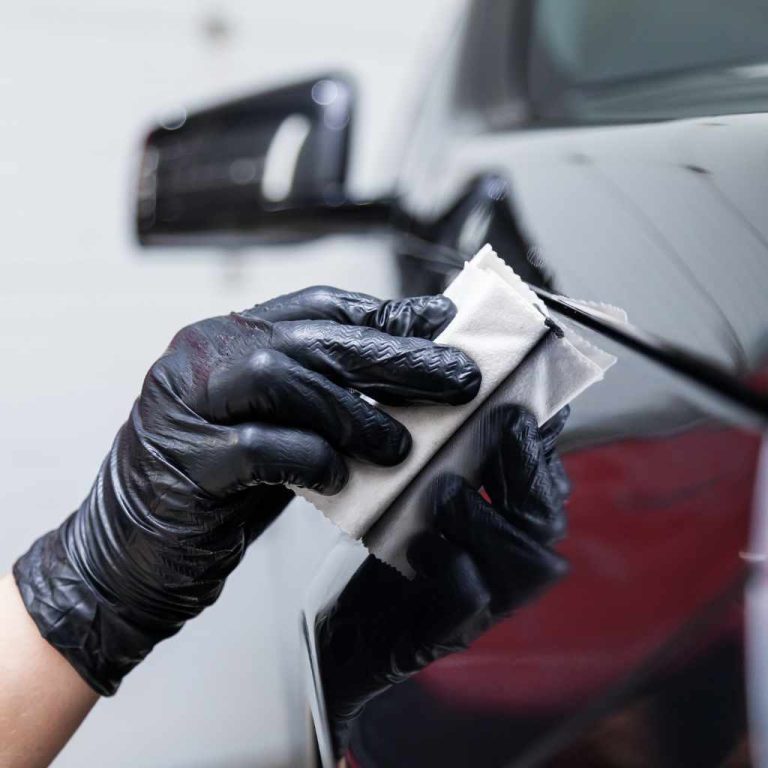
Apply a small amount to a clean microfiber cloth – never pour directly onto the car. Dab the cloth to wet it, then press it onto the paint spot for 10–15 seconds to soften the road paint. Do not rub yet.
| Paint Age | Recommended Solvent | Soak Time |
|---|---|---|
| 0–12 hours | Isopropyl alcohol (70%) | 5 seconds |
| 12–48 hours | Mineral spirits | 10 seconds |
| Over 48 hours | Acetone | 15 seconds |
Always test the solvent on an inconspicuous area like the inside of the door jamb. Wait 30 seconds to check for discoloration or dullness. If the clear coat looks fine, proceed.
Step 3: Gently Rub the Paint Away
After soaking, use a fresh section of the cloth to gently wipe the area in a circular motion. The road paint should start to lift. Do not press hard – let the solvent do the work.
If the paint doesn’t come off, reapply solvent and wait another 10 seconds.
For stubborn spots, you can use a clay bar with lubricant. Spray the lubricant onto the area and glide the clay bar back and forth. The clay picks up embedded paint particles without scratching.
This is particularly effective for overspray that feels rough.
- Work in small sections (about 6 inches by 6 inches).
- Change to a clean part of the cloth after each wipe.
- If you see the cloth turning color (paint transfer is good), keep going.
- Stop if you see clear coat residue on the cloth – that means you’re rubbing too hard.
Warning: Acetone can soften clear coat if left on too long. Never let it pool on the paint. Wipe off immediately after use.
According to detailing experts at Meguiar’s, the optimal pressure is about the weight of your hand – no more. Light pressure combined with a good solvent preserves your clear coat’s integrity.
Step 4: Wash and Wax the Area
Once all road paint is removed, wash the area again with car soap to remove any solvent residue. Solvents left on the paint can attract dust and degrade the clear coat over time. Rinse thoroughly and dry.
Apply a layer of car wax or paint sealant to the treated area. This restores the protective layer that may have been weakened by the solvent. Wax also adds shine and helps future contaminants slide off more easily.
- Apply wax in a thin, even coat using a foam applicator.
- Let it haze for 2–5 minutes (follow product instructions).
- Buff off with a clean microfiber towel.
- Inspect the area in sunlight to ensure no scratches remain.
If you notice fine scratches after removal, a light rubbing compound (like Meguiar’s Ultimate Compound) can polish them out. Use it on a damp foam pad and work in small circles.
Alternative Methods for Stubborn Paint
Sometimes standard solvents don’t cut it, especially if the road paint has cured for weeks or months. Here are a few professional techniques you can try at home.
- Heat gun method: Warm the paint with a heat gun on low setting (keep 6 inches away). Heat softens the paint without damaging your clear coat. Then wipe gently. Never use a flame or high heat.
- Goo Gone or adhesive remover: These commercial products are mild and often effective for road paint. Spray on, wait a minute, and wipe. The same products work well on duct tape residue too.
- Razor blade (careful!): Hold a single-edge razor blade at a 30-degree angle and gently scrape. Only use on glass surfaces, not on painted panels. It works great for windshield splatter.
- Professional clay bar + polish: A dual-action polisher with a fine polishing pad can remove residual paint without hand fatigue.
One study by 3M found that using a clay bar after a solvent treatment increases removal success by 60% compared to solvent alone. If you have a buffer, even better.
Common Mistakes to Avoid When Removing Road Paint
Even experienced car owners make errors that lead to costly repairs. Steer clear of these pitfalls to keep your paint perfect.
- Using kitchen products: Nail polish remover that contains acetone is fine, but avoid paint thinners like lacquer thinner – they’re too harsh for automotive clear coats.
- Scrubbing too aggressively: This is the #1 cause of swirl marks. Be patient and let the solvent soften the paint.
- Skipping the test spot: Always, always test on a hidden area. Some aftermarket paint jobs react badly to acetone.
- Not wearing protection: Solvents like mineral spirits are absorbed through skin. Use gloves and work in a ventilated area.
- Forgetting to wax: The area is vulnerable after treatment. Waxing seals and protects.
Tip: If you’re unsure about the strength of a solvent, dilute it with water. Many detailers mix isopropyl alcohol with water (50/50) for a safer solution.
When to Call a Professional
Not all situations are DIY-friendly. If the road paint covers a large area (like the entire side of the car), or if you have delicate paint (matt finishes, vinyl wraps, or thin factory clear coats), it’s best to hire a professional detailer.
Detailers have access to industrial-grade paint thinners and buffing machines that can remove road paint without etching. The cost typically ranges from $150 to $400, depending on the severity. Compare that to repainting a single panel, which can run $500–$1,000.
Also, if you’ve already tried a solvent and the clear coat looks cloudy or hazy, stop immediately. That damage may require compounding or even repainting. A pro can assess the clear coat thickness and choose the right abrasive level.
According to the Automotive Service Association, DIY paint removal attempts cause nearly 20% of all clear-coat failures reported in auto body shops. When in doubt, spend the $50 for a consultation.
Frequently Asked Questions
Can I use nail polish remover to get road paint off my car?
Yes, if the nail polish remover contains acetone. Apply a small amount to a cloth and dab – don’t pour directly. Avoid acetone on matte or aged clear coats.
Always test first.
Will WD-40 remove road paint from car?
WD-40 can work on fresh road paint because its solvent properties break down the paint. Spray it on, let it sit for 30 seconds, then wipe gently. It’s a good mild option for less stubborn spots.
How long does road paint need to dry before it becomes difficult to remove?
Road paint starts to cure within 15–30 minutes. After 24 hours, it hardens significantly. The best window for easy removal is within the first few hours.
Once cured, you’ll need stronger solvents.
Is it safe to use a razor blade on car paint?
Only on glass windows, never on painted surfaces. A razor blade can easily gouge the clear coat. For painted panels, use a plastic razor blade or a clay bar.
Does road paint damage car paint permanently?
Not if removed promptly. If left for weeks, the paint can bond to the clear coat and cause staining. In severe cases, the clear coat may be compromised, requiring professional sanding and respray.
Final Thoughts
Removing road paint is straightforward when you act fast and use the right techniques. Start with a gentle wash, then progress to mild solvents, always working in small areas. Protect your clear coat by avoiding harsh scrubbing and always finishing with wax.
If the job feels too big, trust a professional detailer – your car’s finish will thank you.
Sponsored / affiliate links. As an Amazon Associate I earn from qualifying purchases. I may earn additional commission from eligible campaigns.
Products related to this article