How to Identify Car Battery Type: A Quick Guide
To identify your car battery type, first check the label. It usually provides crucial details.
Next, consider the battery’s physical characteristics and specifications. Understanding your car battery type is essential for maintenance and replacement. Whether you’re a seasoned driver or a new car owner, knowing how to identify your battery can save you time and money.
Car batteries vary in size, capacity, and type, and each serves a specific purpose. Some common types include lead-acid, AGM, and lithium-ion batteries. Recognizing these differences will help ensure optimal performance and longevity for your vehicle. This guide will explain the key features to look for when determining your car battery type, making the process simple and straightforward.
Introduction To Car Batteries
Car batteries power your vehicle. They help start the engine. Knowing your car’s battery type is crucial. It ensures you buy the right one. Using the wrong battery can harm your car. It might not fit or work properly. This can lead to more problems. So, always check your battery type before buying.
Different cars need different batteries. Size, shape, and power can vary. Using the wrong type can cause issues. It might not start your car. Or it can drain quickly. This costs more money and time. Correct batteries keep your car running smoothly. They also last longer. This saves you from frequent replacements.
- Lead Acid Batteries – These are common and affordable.
- AGM Batteries – They last longer and charge faster.
- Lithium-Ion Batteries – Lightweight and used in electric cars.
Each battery type has its own features. Choose based on your car’s needs. Always consult your car’s manual. It will guide you to the right battery.

Credit: www.youtube.com
Lead-acid Batteries
Identifying your car’s battery type ensures proper maintenance. Lead-acid batteries are common in vehicles. Check for labels or markings on the battery case. These details indicate if it’s a lead-acid type. Observing shape and terminal placement can also help identify it quickly.
Characteristics Of Lead-acid
Lead-acid batteries are common in cars. They are affordable and reliable. These batteries use lead plates and sulfuric acid. They store energy well. Lead-acid batteries are heavy. Their lifespan is around 3 to 5 years. They need regular maintenance. Check the water levels often.
Pros And Cons
Lead-acid batteries have advantages. They are cost-effective. Easy to recycle. They handle high power demands well. But there are drawbacks too. They are heavy and bulky. They may not last long. They need frequent care. Charging can be slow. Consider your needs when choosing.
Lithium-ion Batteries
Lithium-Ion batteries are lightweight and compact. They store a lot of energy. These batteries charge quickly and last long. They are used in many modern gadgets. Phones, laptops, and electric cars use them. They have a high power output. They also have a low self-discharge rate. This means they hold charge for a long time. They work well in different temperatures. But, they can be expensive.
Lithium-Ion batteries have many advantages. They are light and powerful. They last longer than other batteries. They charge fast and hold power well. But there are some disadvantages too. They can be costly. If damaged, they might overheat. This can be dangerous. They need special chargers. Proper care is important.
Agm Batteries
Recognizing car battery types involves checking labels and terminals. AGM batteries have flat tops and often say “AGM” or “Absorbent Glass Mat” on them. They are sealed and maintenance-free, making them distinct from traditional lead-acid batteries.
Understanding Agm Technology
AGM stands for Absorbent Glass Mat. This battery type is special. It uses fiberglass mats to absorb acid. The mats are thin and spongy. They hold the acid inside. This makes the battery safe. It won’t spill if tipped over. The design makes it last longer. It also charges faster. AGM batteries are great for cars. They work well in cold weather. They provide strong power to start the engine. They also handle more electric parts. Many car makers use AGM batteries. They are reliable and efficient.
Benefits Of Agm Batteries
AGM batteries offer several advantages. They are more durable than regular batteries. They need less maintenance. No need to add water to them. They resist vibration and shocks. This makes them ideal for vehicles on rough roads. AGM batteries also discharge slowly. This means they hold charge longer. They are suitable for cars with many gadgets. They provide stable power for electronics. AGM batteries are also eco-friendly. They leak less and are recyclable.
Gel Cell Batteries
Gel cell batteries have a thick gel inside. This gel holds the electrolytes. They are sealed and need no water. These batteries are safe and do not spill. Often used in motorcycles and boats. They work well in extreme weather. These batteries are not cheap. But they last a long time.
Pros: Gel batteries are safe and do not leak. They work in cold and hot places. They need no maintenance.
Cons: Gel batteries are expensive. They can get damaged if charged wrong. Not ideal for cars needing high power.
Identifying Your Car Battery Type
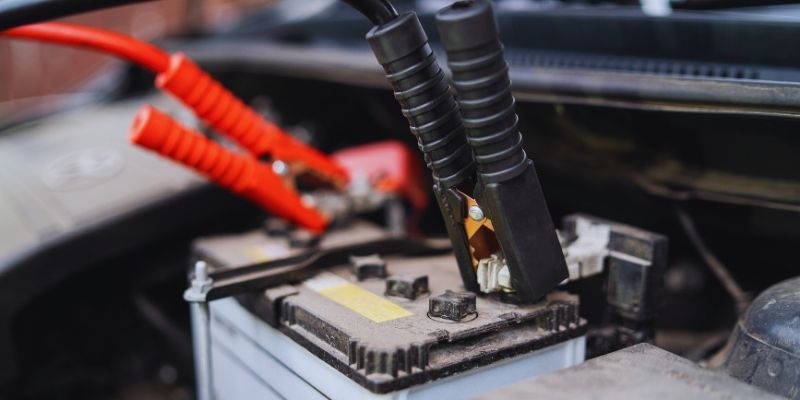
First, open the car’s hood. Find the battery. Look at its shape and size. Some are big. Others are small. Notice the color too. Many are black or gray. Check for any brands or logos. These can help you. Look for terminals. Some are on the top. Some are on the side. This tells you the battery type.
Check the label on the battery. Look for letters and numbers. They tell you important details. Find the voltage. Most car batteries are 12 volts. Notice the cold cranking amps (CCA). Higher numbers mean more power. Look for reserve capacity (RC). It tells how long the battery lasts. Check the date code. It shows when the battery was made. This helps know if the battery is old.
Tools For Battery Identification
A multimeter checks the battery’s voltage. This tool is very useful.
Safety goggles protect your eyes from splashes. Always wear them.
Gloves keep your hands safe. Batteries can be dirty.
Flashlight helps in dark places. Sometimes batteries are hidden.
Websites help find battery types. Some are very easy to use.
Apps on phones are handy. They give quick answers.
Videos show how to check batteries. Many are simple and clear.
Choosing The Right Replacement
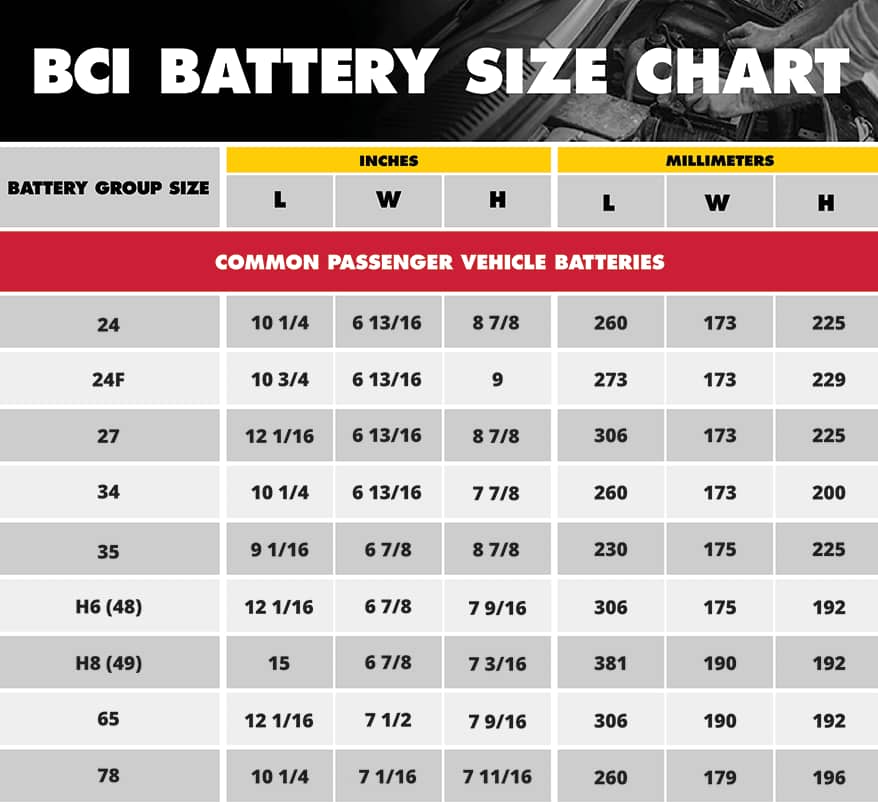
Choosing the right car battery is important. Size matters. Check the battery size in your car. Power needs are next. Your car needs a certain amount of power. Make sure the new battery can give that power. Climate affects battery life. In hot places, some batteries work better. In cold places, choose a battery that works in the cold. Budget is also important. Some batteries are expensive. But they last longer. Brand can also be important. Some brands are trusted more by people.
It’s crucial to match battery specifications. Voltage is key. Most cars need 12 volts. Check your car’s manual for this. Capacity is how much energy a battery can store. This is measured in amp-hours (Ah). The new battery should match the old one. CCA stands for Cold Cranking Amps. It tells how well a battery starts in the cold. Match this number with the old battery. Reserve Capacity is how long a battery can run with no power. Make sure these numbers match too.
Maintenance Tips For Car Batteries
Good care keeps your car battery strong. Clean the battery terminals often. Dirt can cause problems. Check for corrosion. A little baking soda helps clean it. Use a soft brush to scrub gently.
Keep the battery tight. Loose connections are bad. Test the battery voltage sometimes. A multimeter helps with this. Low voltage can mean problems.
Short trips can drain the battery. Try longer drives sometimes. Turn off extra lights and devices when parked. This saves power. Warm weather can be hard on batteries. Park in the shade when it’s hot.
Charge the battery fully. Avoid letting it go empty. A charger can help keep it ready. Regular care makes the battery last longer.
Credit: shop.advanceautoparts.com
Frequently Asked Questions
How Can I Tell What Type Of Battery I Have In My Car?
Check the battery label for information. It usually displays the battery type, such as lead-acid or AGM. Inspect the owner’s manual or consult a mechanic if needed. The label may also show the cold cranking amps (CCA) and reserve capacity (RC).
How Do I Know If My Car Battery Is Agm Or Standard?
Check the battery label for “AGM” or “Absorbed Glass Mat. ” Consult your vehicle’s manual or manufacturer’s specifications for confirmation.
How To Identify Types Of Batteries?
Check battery labels for type information. Look for size, voltage, and chemistry, like alkaline, lithium, or NiMH. Check for distinctive shapes and terminals. Use battery testers for specific identification.
How Do I Find My Car Battery Code?
Check the top or side of your car battery for the label. The code is usually printed there. Consult your car’s manual or visit the manufacturer’s website for specific details.
Conclusion
Identifying your car battery type is crucial. It ensures proper maintenance and replacement. Check the label for battery details. You might find codes or numbers. These often indicate the type. Pay attention to size and terminal positions. They help in identification.
Consult your car manual for guidance. It lists compatible battery types. Proper identification extends battery life. It prevents damage and ensures smooth vehicle operation. Keep your battery in check. Regular checks avoid surprises. A well-identified battery means a well-functioning car.
Stay informed and drive with confidence.